
Flowers
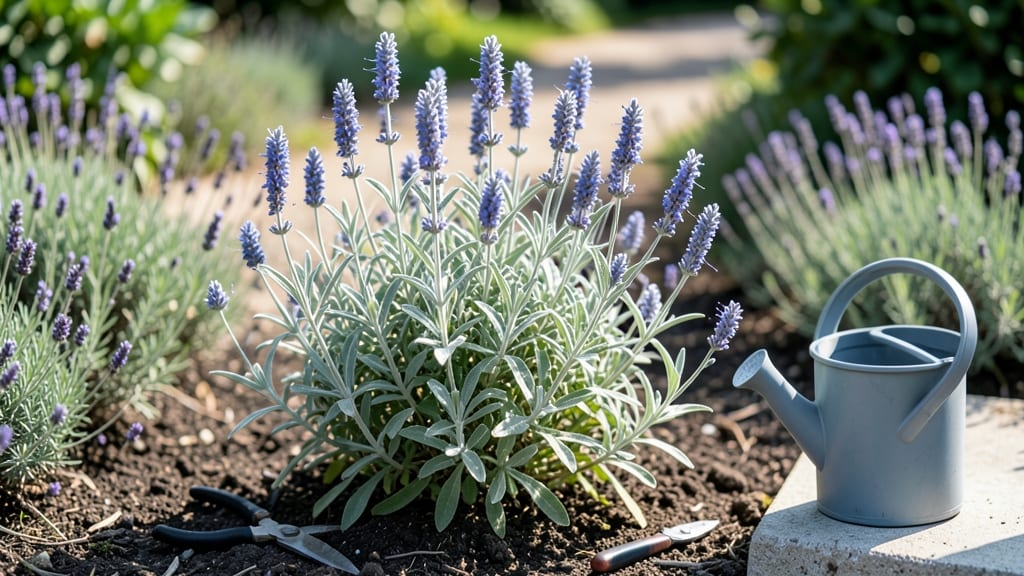
Salvia annual flowers bring bold color to sunny spots without the fuss of perennials. 🌿 I’ve grown them for years, and they’re my go-to for effortless summer blooms—just plant, water, and watch them thrive.
The key is matching their love of sun and well-draining soil, which keeps them blooming from early summer until frost.
Start with a sunny spot that gets at least 6 hours of direct sunlight daily, and prepare the soil by mixing in compost for better drainage. Most varieties, like Salvia splendens or Salvia leucantha, prefer slightly dry soil—overwatering is their biggest enemy.
Use a balanced fertilizer every 4-6 weeks to keep those vibrant blooms coming.
Once established, these plants need minimal care—just deadhead spent flowers to encourage more blooms. They’re also deer-resistant and attract pollinators, making them a low-maintenance, high-reward choice. With the right conditions, you’ll have a nonstop show of color that lasts all season.
Perfect for borders, containers, or cutting gardens, annual salvias adapt well to different settings. Just avoid heavy clay soil, and you’ll have a foolproof way to add drama to your garden with almost no effort.
📚 In This Guide
- What you need
- Instructions
- Tips and common mistakes
- Wrapping up and next steps
What you need
- ● Salvia annual seeds – Choose varieties like Salvia splendens ("Scarlet Sage") or Salvia coccinea ("Blood Sage"). Buy 1–2 seed packets (each typically contains 50–100 seeds).
- ● Well-draining potting mix – A 10–20 lb bag of high-quality seed-starting mix (e.g., ProMix or Miracle-Gro). Avoid garden soil—it’s too dense!
- ● Containers or seed trays – Use 2–4 cell packs (for seedlings) or 6-inch pots (if direct-sowing). Ensure they have drainage holes!
- ○ Grow lights or sunny windowsill – A 12–18 inch LED grow light (optional but helpful for indoor starts) or a south-facing window with 6+ hours of sunlight.
- ● Spray bottle – For gentle watering (avoid over-saturating seeds!).
- ○ Gloves – Optional but recommended for handling soil and seeds.
- ● Fertilizer (balanced, 10-10-10 or 20-20-20) – A small bottle (8–16 oz) for post-germination feeding.
- ● Outdoor space – A full-sun location (6+ hours/day) with well-draining soil (amend with compost if needed).
- ○ Mulch (optional) – 1–2 cubic feet of straw or shredded leaves to retain moisture and suppress weeds.
How to grow vibrant salvia annuals for season-long blooms
Here's the foolproof method I use to keep salvia flowering from spring until frost—no fading, no gaps.
🌱 Step 1: Choose the Right Variety and Planting Location
Salvia thrives in full sun (6+ hours daily) with well-draining soil. I opt for heat-tolerant varieties like 'Black and Blue' or 'Victoria Blue'—they handle summer heat better than standard types. Avoid soggy spots; salvia roots rot easily in waterlogged conditions.
Test your soil's drainage by digging a 6-inch deep hole and filling it with water. If it drains within an hour, your site is perfect. If water pools after 2 hours, amend with 2-3 inches of coarse sand or perlite mixed into the top 12 inches of soil.
☀️ Step 2: Prepare Soil and Plant at the Right Time
Work 2-3 inches of compost into the top 6 inches of soil to enrich nutrients without compacting the root zone. Salvia prefers slightly alkaline soil (pH 6.8-7.5), so if your soil tests acidic, add dolomitic lime at planting time following package rates.
Plant after the last frost when soil temperatures reach 60°F. I space plants 12-18 inches apart in rows 18-24 inches apart—this gives stems room to grow upright without crowding. Dig holes just deep enough to bury the root ball without burying the crown (where stems meet roots).
💧 Step 3: Water Deeply and Establish a Consistent Routine
Water immediately after planting to settle the soil, then let it dry slightly before watering again. Salvia hates soggy roots but needs consistent moisture to establish. I water 1-2 inches per week, delivering it at the base rather than overhead to prevent fungal diseases like powdery mildew.
Once established (after 4-6 weeks), salvia becomes drought-tolerant. You'll know it's thriving when stems are firm and leaves stay crisp—no wilting even in heat waves. Mulch with 2-3 inches of straw or shredded bark to retain moisture and suppress weeds.
✂️ Step 4: Prune for Continuous Blooms and Strong Growth
Deadhead spent blooms every 2-3 weeks by snipping stems just above the next set of leaves. This redirects energy to new flowers instead of seed production. I prune in the morning when stems are firm—wet stems tear easily and invite disease.
After the first flush of blooms, give plants a light trim by cutting back one-third of the height. This encourages bushier growth and prevents leggy stems. Avoid heavy pruning late in the season—salvia needs foliage to store energy for next year's growth.
🌿 Step 5: Fertilize Strategically for Long-Lasting Color
Feed with a balanced, slow-release fertilizer (10-10-10) at planting time, then again in early summer. I avoid high-nitrogen fertilizers—they promote leafy growth at the expense of flowers. Instead, use a low-nitrogen, high-phosphorus formula (5-10-10) mid-season to boost blooming.
Water fertilizers in immediately to prevent root burn. You'll see the difference within 2-3 weeks: stems thicken, leaves darken, and blooms multiply. Stop fertilizing 6-8 weeks before frost to let plants harden off naturally.
Tips & tricks for perfect salvia annuals
Here's what nobody tells you about keeping your salvia blooming like a pro all season long.
Soil Drainage Test: The 2-hour drainage test in Step 1 is your best friend—don't skip it! If water pools after 2 hours, you're looking at root rot trouble. I've seen salvia plants die within weeks from soggy soil, even in heat-tolerant varieties. For extra insurance, consider raised beds if your native soil drains poorly.
Planting Depth Matters: When planting at 60°F soil temperatures in Step 2, burying the root ball too deep (or worse, burying the crown) strangles your plants. The crown should sit just above soil level—this prevents rot while allowing roots to spread freely. Think of it like a perfect hat fit: snug but not suffocating.
Watering Wisdom: Those 1-2 inches per week in Step 3 might seem like a range, but consistency is key. I measure with a rain gauge and water early in the morning to prevent fungal diseases. Overhead watering? That's a fast track to powdery mildew—stick to the base like a surgeon making a precise incision.
Pruning Precision: The 2-3 week deadheading schedule in Step 4 is non-negotiable for continuous blooms. I use clean, sharp pruners and always cut just above a leaf node—this little detail makes all the difference between bushy plants and leggy stalks. Think of it as giving your salvia a haircut that grows out stronger.
Pro Tips for Salvia Annual Flowers
- Here's what nobody tells you about keeping your salvia blooming like a pro all season long.
- Soil Drainage Test: The 2-hour drainage test in Step 1 is your best friend—don't skip it!
- Planting Depth Matters: When planting at 60°F soil temperatures in Step 2, burying the root ball too deep (or worse, burying the crown) strangles your plants.
Frequently asked questions
Got questions about growing salvia annual flowers? You’re not alone!
Here are answers to the most common queries—from planting tips to troubleshooting—so you can keep your garden blooming all season long.
When is the best time to plant salvia annual flowers?
Plant salvia annuals after the last frost when soil temperatures reach at least 60°F (15°C). For warm climates, sow seeds in early spring; in cooler zones, wait until late spring or early summer. Spacing matters! Give plants 12–18 inches apart for optimal airflow and blooms.
How often should I water salvia annuals?
Water salvia deeply 1–2 times per week, ensuring the top 2–3 inches of soil stay moist (not soggy). Once established, they’re drought-tolerant, but consistent moisture encourages vibrant blooms. Morning watering prevents fungal issues.
Why aren’t my salvia flowers blooming?
Lack of blooms often stems from over-fertilizing (too much nitrogen) or poor sunlight. Ensure full sun (6+ hours daily) and use a balanced, low-nitrogen fertilizer (like 10-10-10). Deadhead spent blooms to encourage new flowers!
Can I grow salvia annuals in containers?
Choose compact varieties like Salvia coccinea or Salvia splendens for pots. Use well-draining soil, a container at least 12 inches deep, and place in full sun. Drainage holes are a must to prevent root rot.
What pests or diseases should I watch for?
Salvia is generally pest-resistant, but watch for aphids, spider mites, or whiteflies. Treat with neem oil or insecticidal soap if needed. Avoid overwatering to prevent fungal diseases like powdery mildew. Healthy plants = fewer problems!
What are some great salvia alternatives for pollinators?
If you love salvia’s pollinator appeal, try cleome (spider flower), zinnia, or cosmos. These sun-lovers also thrive in annual beds and attract bees, butterflies, and hummingbirds!
Wrapping up and next steps
Salvia annual flowers are a game-changer for gardeners craving vibrant, low-maintenance blooms that thrive in full sun! 🌞 Whether you're drawn to their striking colors, drought tolerance, or pollinator appeal, these plants deliver nonstop beauty with minimal effort.
With the right care—like well-draining soil and occasional deadheading—you’ll enjoy a burst of color from spring to frost.
Ready to transform your garden? Start by picking your favorite varieties and grab some seeds or young plants. Then, plant with confidence—your future blooms will thank you! 🌸