
Shrubs
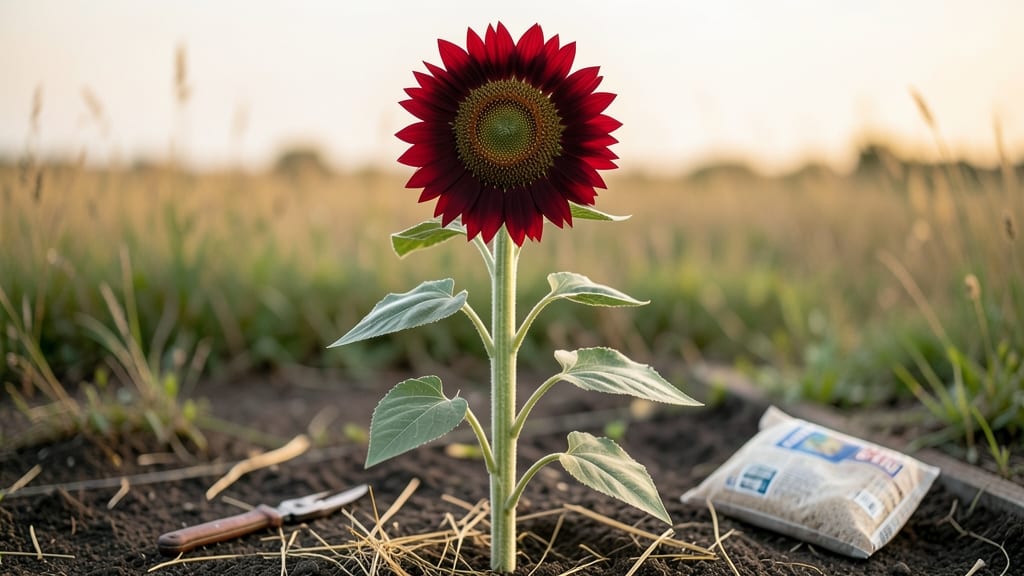
Growing the Red Sun sunflower from seed to its striking 10-foot height feels like watching a living sculpture unfold—each week reveals deeper crimson petals and a sturdier stem. 🌻 I planted my first batch last spring, and within six weeks, they became the bold centerpiece of my garden, drawing hummingbirds and late-afternoon sunlight like magnets.
The secret isn’t just patience; it’s matching their love of warmth, space, and well-draining soil to your climate’s rhythm.
You’ll need full sun (at least six hours daily), loose soil amended with compost, and 18-inch spacing between seeds to prevent crowding. Start indoors 4-6 weeks before your last frost or sow directly in warm soil—these sunflowers despise cold feet.
Water consistently at the base (not overhead) to keep stems strong, and watch for powdery mildew by spacing plants for airflow. The payoff? Vibrant, drought-tolerant blooms that last from midsummer until frost, with seeds ready for next year’s harvest.
Here’s the twist: Red Sun sunflowers grow taller and more vibrant when staked lightly (they’re top-heavy) and deadheaded regularly. I’ve seen them reach 12 feet in ideal conditions—imagine the drama against a fence or trellis.
They’re also pest-resistant, though squirrels might eye the seeds, so save some for bird feeders or next season’s garden. The first time you see one unfurl its petals like a sunset, you’ll understand why they’re worth every minute of care.
Whether you’re a beginner or a seasoned grower, these sunflowers adapt to USDA zones 2-11 with minimal fuss. For cooler climates, start seeds early; in hot zones, provide afternoon shade to prevent wilting.
The key is consistency—sun, space, and steady water—and you’ll have a bold, pollinator-friendly statement piece before summer’s halfway over. Ready to grow your own sun?
📚 In This Guide
- What you need
- Instructions
- Tips and common mistakes
- Wrapping up and next steps
What you need
- ● Red Sun Sunflower Seeds – 10-20 seeds (or a small packet for multiple plants). Opt for heirloom, non-GMO seeds for the best flavor and color.
- ● Growing Containers or Garden Bed – Containers: 5-gallon pots or larger (at least 12 inches deep) with drainage holes. 3-5 plants per container for bushier growth.
- ● Garden Bed: Full sun location (6+ hours of direct sunlight daily) with well-draining soil (pH 6.0–7.5). Amend clay soil with compost.
- ● Potting Mix or Garden Soil – High-quality, sterile mix (e.g., Miracle-Gro Potting Mix) or loamy garden soil with 10-20% compost.
- ● Watering Can or Hose with Adjustable Nozzle – For gentle, deep watering (avoid soggy soil!).
- ● Fertilizer – Balanced, slow-release fertilizer (e.g., 10-10-10 or 5-5-5) or organic options like fish emulsion.
- ● Application: Mix 1 tbsp per gallon of soil at planting, then every 4-6 weeks.
- ○ Plant Labels – Optional but helpful! Use biodegradable markers or wooden stakes to track varieties.
- ● Trowel or Hand Shovel – For transplanting seedlings or amending soil.
- ● Gloves – Garden or work gloves to protect your hands.
- ● Mulch (Straw or Shredded Leaves) – 2-3 inches around plants to retain moisture and suppress weeds.
- ○ Plant Support (Optional) – Stakes or Cages (if your sunflowers grow taller than 6 feet in your climate).
- ● Trellis – For bush varieties to encourage spreading.
- ● Pruning Shears – For deadheading spent blooms or shaping plants.
- ● Weather Check – Plant after the last frost date in your zone (most Red Sun Sunflowers thrive in USDA Zones 2-11).
- ● Soil Prep – Test soil 2 weeks before planting (use a home soil test kit or send a sample to a local extension office).
- ● Sunlight Audit – Ensure your spot gets full sun (no shade from trees or buildings).
- ● Patience (6 Weeks!) – Red Sun Sunflowers grow fast, but they need consistent care to reach their vibrant, towering glory.
Step-by-step instructions for cultivating red sun sunflowers
Here's how to coax those vibrant blooms from seed in just six weeks.
🌱 Step 1: Start Seeds Indoors for Early Growth
Fill small seed-starting trays with sterile seed-starting mix (not garden soil) and moisten until damp but not soggy. Press the mix down gently to create a firm surface for seeds. Plant 4 seeds per cell at a depth of ½ inch—sunflower seeds are large, so they need room to sprout.
I like to use a pencil to make small holes and drop seeds in one at a time. Cover lightly with additional mix and mist gently with water until the surface looks evenly damp. Place the tray in a warm spot (70-75°F) with indirect light. A seedling heat mat speeds germination significantly, cutting wait time to 5-7 days instead of 10-14.
Watch for the first green shoots—this is your signal to move them to brighter light. If you notice any seeds not sprouting after 14 days, they likely won't germinate. Don't overwater now; damping-off can wipe out seedlings overnight.
☀️ Step 2: Harden Off and Transplant Outdoors
Once seedlings show 2-3 sets of true leaves (not just the initial cotyledons), it's time to harden them off. Place the trays outside in a sheltered spot for 1-2 hours the first day, gradually increasing exposure over 7-10 days. This prepares them for full sun and prevents shock when transplanted.
Choose a sunny location with full sun exposure (at least 6-8 hours daily). Sunflowers need space—plant each seedling 12-18 inches apart in rows 2-3 feet apart. Dig a hole slightly deeper than the root ball and place the seedling in, firming soil around the base. Water deeply immediately after transplanting to settle the roots.
Real talk: If you skip hardening off, your sunflowers will wilt dramatically the first day in the garden. Start this step 2 weeks before your last frost date—sunflowers tolerate cold well but grow fastest in warm soil.
💧 Step 3: Maintain Consistent Moisture and Support
Water deeply 2-3 times per week, ensuring the soil stays evenly moist but not waterlogged. Sunflowers have deep roots, so aim for 1-2 inches of water per week. You'll know moisture is right when the top 2 inches of soil feel dry to the touch—this prevents fungal issues while keeping roots hydrated.
As stems grow taller (they can reach 8-10 feet!), provide sturdy support. I use bamboo stakes or tomato cages inserted 6 inches deep next to each plant. Tie stems loosely with soft plant ties every 2-3 feet—don't cinch too tight, or you'll restrict growth. Watch for stems leaning toward the sun; adjust stakes as needed to keep them upright.
Here's the thing—sunflowers grow fast, but they need phosphorus for strong roots and potassium for blooms. Side-dress with a balanced fertilizer (10-10-10) when plants reach 12 inches tall, then again when buds form. Avoid nitrogen-heavy feeds; they promote leafy growth at the expense of flowers.
✂️ Step 4: Encourage Blooms and Harvest Seeds
Sunflowers bloom in 6-8 weeks after transplanting, but you can speed things up by removing any side shoots that form near the base. These compete for energy with the main stem. Pinch off buds that appear below the first 12 inches—this directs the plant's resources toward the primary flower.
When the back of the petals turns yellow, the flower is ready for cutting. Harvest in the early morning for the freshest blooms. To save seeds for next year, leave a few heads on the stem until they turn brown and papery. Cut the head, hang it upside down in a dry, well-ventilated spot, and let the seeds dry completely before storing in a cool, dark place.
Don't skip the seed-saving step—I've grown sunflowers from saved seeds for years, and they always come back just as vibrant. If birds get to your heads first, cover them with fine mesh netting once the petals start drying.
Tips & tricks for perfect red sun sunflower cultivation
These game-changing strategies will help you grow sunflowers that rival the pros—without the guesswork.
Seed Starting Secret: When planting those 4 seeds per cell at ½-inch depth, use a pencil to create precise holes—this prevents overcrowding and ensures each seed has room to grow. Confession: I skipped this step for years and wondered why some seedlings always struggled. The extra space makes all the difference when those roots first emerge.
Germination Environment: That 70-75°F warm spot is non-negotiable for speedy germination. I've found that placing trays on top of refrigerators (with the door closed) creates the perfect microclimate. If your home runs cooler, a seedling heat mat is worth the investment—it cuts germination time from 10-14 days to just 5-7 days.
Transplant Timing: The 2-week window before last frost is your golden opportunity. Check your local frost dates and work backward—sunflowers can handle light frost but won't thrive until soil warms. I always plant mine when nighttime temps stay above 50°F consistently. The 1-2 hours of initial hardening is crucial; I start with morning sun exposure to avoid shocking tender seedlings.
Support System: Those 8-10 foot stalks need serious backing. I've learned the hard way that bamboo stakes must go 6 inches deep—shallow stakes topple in wind. For extra stability, I tie stems at 2-foot intervals using soft plant ties, leaving room for growth. Watch for leaning stems and adjust stakes as the plant grows toward the sun.
Pro Tips for Red Sun Sunflower
- These game-changing strategies will help you grow sunflowers that rival the pros—without the guesswork.
- Seed Starting Secret: When planting those 4 seeds per cell at ½-inch depth, use a pencil to create precise holes—this prevents overcrowding and ensures each seed has room to grow.
- Germination Environment: That 70-75°F warm spot is non-negotiable for speedy germination.
Frequently asked questions
Got questions about growing Red Sun sunflowers? You're not alone! Here are some of the most common queries—and their answers—to help you cultivate these striking beauties with confidence.
When is the best time to plant Red Sun sunflower seeds?
The ideal planting window for Red Sun sunflowers is 2–3 weeks after your last frost date when soil temperatures reach at least 50°F (10°C). They thrive in warm conditions, so avoid planting too early—cold soil can stunt germination. For a longer bloom season, consider a second planting in early summer!
How long does it take for Red Sun sunflowers to grow?
From seed to full bloom, Red Sun sunflowers typically take 60–70 days under optimal conditions. However, if planted late in the season, they may mature faster (around 50–60 days) but produce smaller blooms. Keep an eye on your local frost dates to maximize their lifespan!
How much water do Red Sun sunflowers need?
These sunflowers are drought-tolerant once established, but young seedlings need consistent moisture to prevent wilting. Water deeply 1–2 times per week, aiming for 1–1.5 inches of water. Overwatering can lead to root rot, so ensure well-draining soil. Pro tip: Mulch around the base to retain moisture and suppress weeds!
Can Red Sun sunflowers grow in containers?
Red Sun sunflowers thrive in containers as long as the pot is at least 12–18 inches deep and has drainage holes. Use a lightweight potting mix and fertilize every 2–3 weeks with a balanced formula. Place containers in a sunny spot (minimum 6–8 hours of direct sunlight daily) for best results.
Why aren’t my Red Sun sunflower seeds germinating?
If your seeds aren’t sprouting within 7–14 days, check these common issues:
- Cold soil: Sunflowers need warmth to germinate—try a heat mat or move pots to a warmer spot.
- Too deep: Plant seeds only 1 inch deep; deeper planting can suffocate them.
- Old seeds: Store-bought seeds lose viability after 1–2 years.
- Moisture issues: Keep soil consistently damp (not soggy) during germination.
If all else fails, test a few seeds in a paper towel with water—if they don’t sprout in 3–5 days, they may be nonviable.
Wrapping up and next steps
Growing a red sun sunflower is a rewarding journey that brings vibrant color and joy to your garden in just six weeks! 🌻 With the right soil, sunlight, and care, you’ll watch these towering beauties transform from tiny seeds into striking focal points.
Whether you’re a beginner or a seasoned gardener, their resilience and bold hues make them a must-have addition.
Ready to harvest the rewards? Grab those seeds, mark your calendar, and start planting—your future sunflower paradise awaits! For extra inspiration, share your progress or explore other sunflower varieties to keep the fun growing. 🌱✨