
Flowers
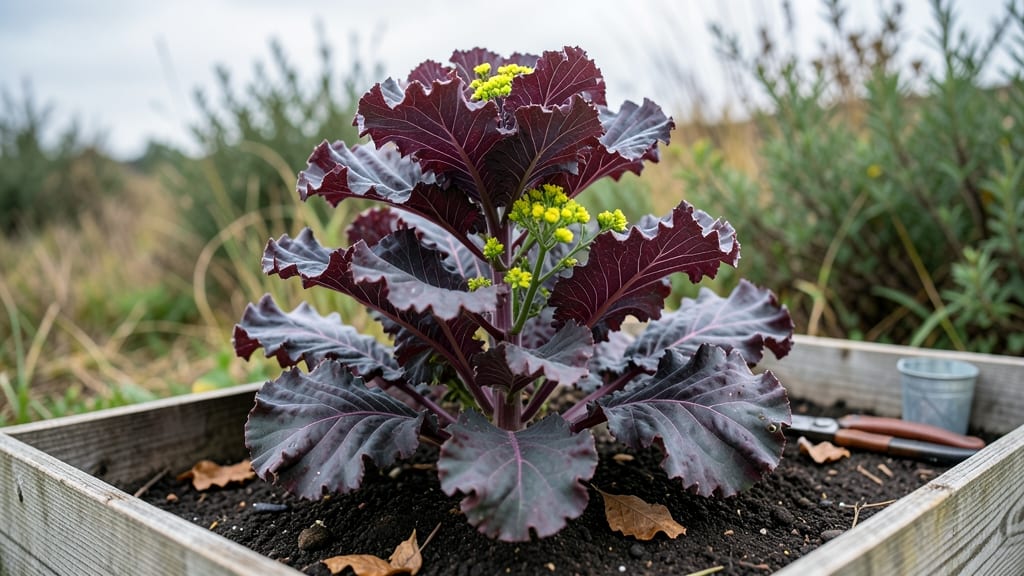
Red Russian kale flowers transform your garden into a striking blue-green showstopper—something most gardeners never expect from a leafy green. 🌿 These delicate, star-shaped blooms appear in late spring or early summer, signaling the plant’s shift from leaf production to seed development, and they’re just as stunning as they are unexpected.
The flowers themselves are edible, though their flavor is mild and slightly bitter—best used sparingly in salads or as a garnish. But here’s the trade-off: letting them bloom means fewer leaves, so if you’re growing for greens, pinching off flower stalks early keeps your plants productive.
For ornamental interest, though, these airy clusters add a delicate contrast to the deep purple stems and frilly leaves.
Growing Red Russian kale for flowers is simple: plant in well-draining soil, give it full sun to partial shade, and keep the soil consistently moist. The blooms thrive in containers, making them perfect for small spaces or urban gardens.
Once they fade, you can harvest the seeds or let the plant go to seed naturally—either way, the process is rewarding.
Whether you’re growing for beauty, harvest, or both, these flowers add a touch of elegance to any garden. The key is balance: encourage blooms for their visual appeal, but prune strategically to maintain leaf production.
With the right care, your Red Russian kale will deliver both stunning flowers and abundant greens all season long.
📚 In This Guide
- What you need
- Instructions
- Tips and common mistakes
- Wrapping up and next steps
What you need
- ● Red Russian Kale Seeds: 5–10 seeds (or 1–2 young plants if transplanting). Choose heirloom or organic seeds for best results.
- ● Container: A 5–7 gallon pot (minimum 12" deep) with drainage holes. Terracotta or fabric pots work best for airflow.
- ● High-Quality Potting Mix: 3–4 cubic feet of well-draining, organic mix (e.g., 60% peat/compost, 30% perlite, 10% vermiculite). Avoid garden soil—it compacts!
- ● Slow-Release Fertilizer: 1 cup of balanced 10-10-10 or organic fertilizer (like fish emulsion or worm castings).
- ● Watering Can or Hose with Nozzle: For gentle, deep watering (avoid overhead spray to prevent mildew).
- ● Gloves & Hand Trowel: For planting and soil adjustments.
- ● Pruning Shears: To trim dead leaves or encourage bushier growth.
- ○ Mulch (Optional): 1–2 inches of straw or shredded leaves to retain moisture and suppress weeds.
- ○ Cage or Stakes (Optional):strong> For tall varieties (though Red Russian Kale is compact, supports help if blooms get heavy).
- ○ pH Test Kit (Optional): To check soil pH (ideal range: 6.0–7.0).
- ● Sunlight: 6+ hours of full sun daily (partial shade tolerates but may reduce blooms).
- ● Temperature: Cool-season plant—sow seeds 4–6 weeks before last frost (spring/fall) or in USDA Zones 5–9.
- ● Patience: Germination takes 7–14 days in warm soil (60–70°F). Blooms appear in 60–90 days!
How to grow stunning Red Russian kale flowers in containers
Here's how to coax those bold blue blooms from your leafy greens—no fancy tricks, just smart care.
🌱 Step 1: Choose the Right Variety and Planting Time
Red Russian kale isn't typically grown for flowers, but with the right approach, you can encourage those striking blue blooms. Start with young plants or seeds from a reputable supplier—look for open-pollinated varieties that thrive in cool weather. Plant in early spring or late summer for fall blooms, as the cool temperatures trigger flowering.
I always plant mine in well-draining containers at least 8 inches deep—shallow pots lead to root-bound stress, which stunts flowering. If you're starting from seed, sow them ¼ inch deep and keep the soil consistently moist until germination, which typically takes 7-10 days at 60-70°F. Watch for the first true leaves to appear before thinning seedlings.
☀️ Step 2: Provide Optimal Light and Temperature
Red Russian kale flowers need full sun to partial shade—at least 4-6 hours of direct sunlight daily. Place your containers in a spot where they get morning sun and afternoon shade, especially in hot climates. Too much midday sun can stress the plants and delay flowering.
Maintain temperatures between 50-75°F—this range mimics the cool conditions that trigger blooms. If your summers are scorching, move containers to a shaded patio or under a 30% shade cloth. You'll notice leaves start to yellow or bolt (send up flower stalks) when temperatures rise above 80°F, so act fast to protect them.
💧 Step 3: Fertilize and Water for Flowering Success
Switch to a low-nitrogen, high-phosphorus fertilizer once plants are established to encourage blooming. I use a 5-10-10 formula every 4-6 weeks during the growing season. Over-fertilizing with nitrogen keeps plants leafy but prevents flowering—this is a common mistake even experienced gardeners make.
Water consistently to keep the soil evenly moist but not soggy. Let the top 1-2 inches of soil dry out between waterings to prevent root rot. You'll see the first flower buds form in 8-12 weeks after planting, signaling it's time to adjust your care routine. Once buds appear, reduce watering slightly to prevent them from splitting.
✂️ Step 4: Support and Encourage Blooms
As flower stalks emerge, they can get top-heavy and flop over. Use small stakes or tomato cages to support them—gently tie stems to the support with soft twine or cloth strips. Avoid metal ties, which can cut into tender stems and damage the plant.
Deadhead spent blooms regularly to redirect the plant's energy into producing more flowers. You'll notice new buds forming within 2-3 weeks of deadheading. If your kale starts to bolt prematurely (sending up tall flower stalks too early), harvest the leaves first—they're still delicious, and removing them can slow the flowering process slightly.
🪴 Step 5: Extend the Blooming Season
To keep your Red Russian kale flowers blooming longer, harvest leaves regularly but leave some foliage intact to support the plant. In containers, you can also replace old soil with fresh potting mix every 2-3 years to refresh nutrients and improve drainage.
If frost threatens before blooms finish, move containers to a sheltered spot or bring them indoors to a sunny window. Kale flowers are surprisingly cold-hardy, but a sudden freeze can damage tender buds. You'll know it's working when you see a steady stream of new blooms opening over 6-8 weeks—that's your reward for patience and care.
Tips & tricks for growing bold Red Russian kale blooms
Common pitfalls—and how to sidestep every one when growing these stunning blue flowers.
Container Depth Matters: That 8-inch minimum depth isn't arbitrary—shallow pots restrict root growth, which directly impacts flowering. I've seen kale in 6-inch pots struggle to produce more than a few weak stalks. If you're limited on space, choose wider containers instead of deeper ones; root spread matters more than depth for flowering.
Light Balance is Everything: The 4-6 hours of sunlight isn't a strict minimum—it's a sweet spot. Too little light means leggy growth and weak blooms, but too much midday sun in hot climates can actually stress the plants. I've had best success with morning sun and afternoon shade, especially in summer. Watch your plants: if leaves start curling or turning yellow, they're getting too much direct heat.
Fertilizer Timing Secret: Switching to that 5-10-10 formula at the right moment makes all the difference. I wait until plants have at least 6-8 true leaves before making the switch—this ensures they're established enough to handle the phosphorus boost. Too early, and you'll get leafy growth with no flowers. Too late, and you might miss the flowering window entirely.
Temperature Watch: Those 50-75°F temperatures aren't just guidelines—they're the magic window for flowering. When temps creep above 80°F, your kale will bolt (send up flower stalks) prematurely, often producing weak, sparse blooms. I've learned to monitor my local weather and move containers to shaded areas during heatwaves. A simple shade cloth can make all the difference between vibrant blooms and frustrated gardeners.
Pro Tips for Red Russian Kale Flowers
- Common pitfalls—and how to sidestep every one when growing these stunning blue flowers.
- Container Depth Matters: That 8-inch minimum depth isn't arbitrary—shallow pots restrict root growth, which directly impacts flowering.
- Light Balance is Everything: The 4-6 hours of sunlight isn't a strict minimum—it's a sweet spot.
Frequently asked questions
Got questions about growing Red Russian kale flowers? You’re not alone! Here are some of the most common queries—plus quick, practical answers to help you crush it with those stunning blue blooms.
Can Red Russian kale flowers grow in containers?
These beauties thrive in containers as long as the pot is at least 12 inches deep with drainage holes. Use well-draining soil and place them in a sunny spot (6+ hours of light daily). Just ensure the container isn’t too shallow—roots need room to stretch!
How long does it take for Red Russian kale flowers to bloom?
From seed to bloom, it typically takes 60–90 days under ideal conditions (warm soil, consistent moisture, and full sun). If you’re starting with transplants, expect flowers in 4–6 weeks. Patience pays off—those vibrant blue blooms are worth the wait!
What’s the best temperature for growing Red Russian kale flowers?
These flowers love cool to moderate climates—ideal temps range from 50°F to 75°F (10°C–24°C). They can tolerate light frosts but may struggle in extreme heat (above 80°F/27°C). If summers are scorching, provide afternoon shade to keep them happy!
Can I eat Red Russian kale flowers, or are they purely ornamental?
While the flowers are edible (mild, slightly peppery flavor), they’re usually grown for their show-stopping blooms. If you’re feeling adventurous, snip a few petals for salads or garnishes—but focus on their ornamental value first!
Why aren’t my Red Russian kale flowers blooming?
No blooms? Check these fixes:
- Light: Ensure they get full sun (partial shade can delay blooming).
- Water: Keep soil consistently moist but not soggy.
- Nutrients: Feed with a balanced fertilizer (10-10-10) every 4–6 weeks.
- Patience: Some varieties take longer—don’t give up after 2 months!
What’s a good alternative if Red Russian kale flowers don’t thrive in my climate?
If your zone is too hot or humid, try these low-maintenance, container-friendly alternatives with similar vibrancy:
- Borage (blue flowers, edible, self-seeds easily)
- Cleome (spiky blooms, drought-tolerant)
- Lobelia (compact, great for hanging pots)
- Cornflower (classic blue, long-lasting)
Wrapping up and next steps
Growing Red Russian kale flowers is a rewarding journey that transforms your containers into a vibrant blue paradise! 🌸 These bold blooms not only add striking color but also bring a touch of whimsy to any space.
Whether you're a seasoned gardener or just starting out, the key is patience, proper care, and a little creativity—like using containers to maximize small spaces.
Ready to dive in? Start by planting your seeds or seedlings this season and watch your garden flourish. Share your progress with fellow plant lovers, experiment with companion plants, and enjoy the beauty of these unique flowers. Happy gardening! 🌿✨