
Size
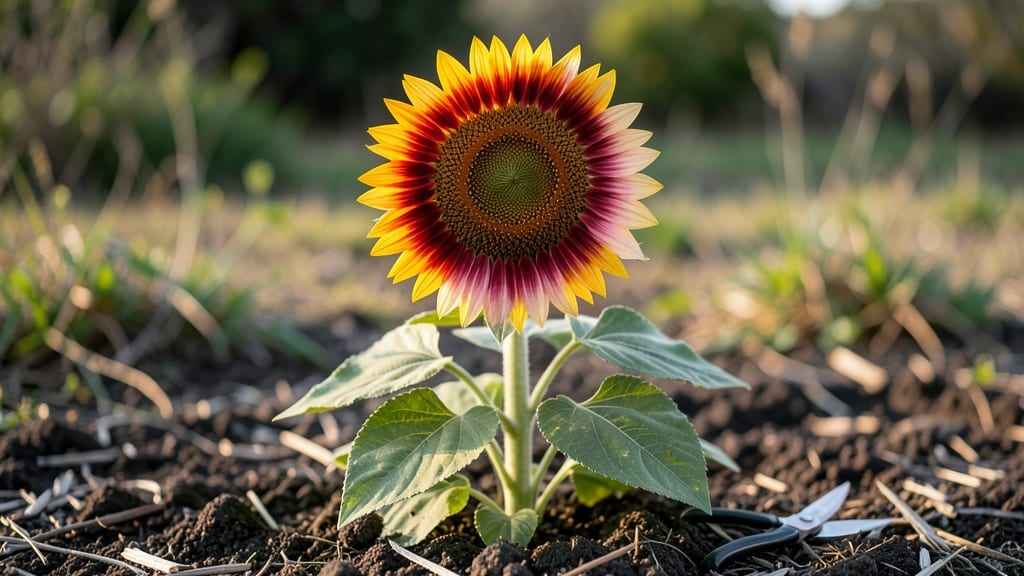
Growing rainbow sunflowers transforms your garden into a vibrant pollinator magnet that lasts all season. 🌻 These striking blue-hued blooms aren't just beautiful—they're beginner-friendly too, thriving with minimal fuss once you get the basics right.
The key starts with soil prep: loose, well-draining earth mixed with compost creates the perfect foundation for their deep roots to establish.
Sunlight is non-negotiable—plant them where they'll get at least 6-8 hours of direct sun daily, and space seeds 12-18 inches apart to give each plant room to grow. Water deeply 2-3 times per week once established, but avoid soggy soil which invites fungal problems.
A balanced fertilizer applied at planting and again when buds form ensures those bold blooms reach their full potential.
What makes these sunflowers special is their year-round pollinator appeal—bees, butterflies, and hummingbirds can't resist their nectar. The blue tones create stunning contrast against green foliage, making them perfect for cottage gardens, pollinator pathways, or as dramatic focal points.
With proper care, you'll enjoy 3-4 foot tall stems bursting with color from early summer through frost.
Even in challenging conditions, rainbow sunflowers adapt well—just watch for powdery mildew in humid climates and thin seedlings if overcrowding occurs. The payoff? A garden that hums with life while requiring less maintenance than many annuals. Ready to grow your own pollinator paradise?
📚 In This Guide
- What you need
- Instructions
- Tips and common mistakes
- Wrapping up and next steps
What you need
- ● Rainbow Sunflower Seeds: Choose Helianthus annuus varieties like 'Moulin Rouge' (deep red) or 'Lemon Queen' (bright yellow) for contrast. Buy 50–100 seeds (or 3–5 plants if starting with seedlings).
- ● Well-Draining Soil: A mix of 60% topsoil, 30% compost, and 10% perlite/sand (for drainage). Test pH: 6.0–7.5 (slightly acidic to neutral).
- ● Sunlight: A full-sun spot (6+ hours/day). Sunflowers thrive in open, unshaded areas.
- ● Watering Can or Hose: With a gentle spray nozzle to avoid disturbing seedlings.
- ○ Fertilizer (Optional but Helpful): Balanced 10-10-10 fertilizer (1 tbsp per plant at planting).
- ● Low-nitrogen 5-10-10 fertilizer (1 tbsp mid-season for blooms).
- ● Garden Trowel or Transplanter: For digging holes (1–2 inches deep, 12–24 inches apart for full-size sunflowers).
- ○ Gloves (Optional): To protect hands from soil and thorns (some varieties have them!).
- ● Stakes or Trellis (For Tall Varieties): 6-foot wooden stakes or a lightweight trellis to support heavy heads.
- ● Pruning Shears: For trimming dead blooms or harvesting seeds.
- ○ Mulch (Optional): 2–3 inches of straw or wood chips to retain moisture and suppress weeds.
- ● Timing: Plant seeds 4–6 weeks before your last frost date (or transplant seedlings after frost).
- ● Space: Ensure 12–24 inches between plants (or 6–12 inches for dwarf varieties).
- ● Patience: Germination takes 7–14 days in warm soil (70°F+).
- ● Pollinator-Friendly Zone: Avoid pesticides! Sunflowers attract bees, butterflies, and hummingbirds year-round. 🐝🦋
How to cultivate striking rainbow sunflowers for year-round pollinator support
Here's my battle-tested approach to growing vibrant, pollinator-friendly sunflowers that thrive beyond summer.
🌱 Step 1: Select the Right Varieties and Planting Site
Choose dwarf or mid-height varieties like 'Moulin Rouge' or 'Autumn Booster' for continuous blooms. These thrive in full sun (6-8 hours daily) and tolerate cooler temperatures better than giant types. I always test soil pH—sunflowers prefer 6.0-7.5, and you can adjust with lime or sulfur if needed.
Pick a spot with well-draining soil and space plants 12-18 inches apart for dwarf varieties or 2-3 feet apart for mid-height types. Avoid low-lying areas where water pools—sunflowers hate soggy roots. Here's the thing—sunflowers grow surprisingly fast, so don't skimp on spacing. Crowded plants develop weak stems and fewer blooms.
☀️ Step 2: Prepare Soil and Plant at Optimal Depth
Loosen the top 12 inches of soil with a garden fork to improve drainage. Mix in 2-3 inches of compost to provide nutrients without burning tender roots. Sunflowers are heavy feeders, so I always add a balanced 10-10-10 fertilizer at planting time—just follow package rates.
Plant seeds 1 inch deep and 1-2 inches apart in rows spaced 18 inches apart. You'll see sprouts in 7-14 days—watch for the first true leaves to appear before thinning. Here's where it gets fun: once seedlings reach 2 inches tall, thin to your strongest plants, leaving the recommended spacing. Weak, leggy seedlings won't survive the heat of summer.
💧 Step 3: Water Strategically for Strong Stems
Water deeply once weekly during establishment, aiming for 1 inch of water per week. The key is consistency—sunflowers develop hollow stems when moisture fluctuates. I always water at the base in the morning to prevent fungal diseases that thrive in damp foliage.
Once plants reach 1 foot tall, reduce watering to every 10-14 days unless experiencing extreme heat. Drought stress actually improves flavor and stem strength. You'll know you're doing it right when leaves stay slightly crisp rather than wilting dramatically. Overwatering leads to weak stems that snap in wind or rain.
✂️ Step 4: Prune for Continuous Blooms and Pollinator Support
Deadhead spent blooms by cutting stems back to the next set of buds. This encourages secondary and tertiary blooms that extend the season. I always use clean, sharp pruners to avoid spreading disease. Prune in the morning when plants are dry—wet stems harbor bacteria that cause stem rot.
For pollinator support, leave some seed heads on the plant. Birds and bees adore the seeds, and you'll get free food for next year's garden. Here's the trick: once most blooms fade, cut back the entire plant by half its height. This stimulates a final flush of growth that often produces more flowers before frost.
🪴 Step 5: Extend the Season with Strategic Planting
For year-round blooms, stagger plantings every 2-3 weeks from early spring through mid-summer. This creates a continuous display that keeps pollinators fed. I always plant a final succession in late summer for fall color—these plants often survive mild winters and bloom again in spring.
In colder climates, use row covers or cold frames to protect tender plants. Sunflowers are surprisingly cold-hardy once established, but young seedlings need protection from late frosts. Watch for first frost dates in your area and plan accordingly—some varieties like 'Autumn Booster' actually improve in flavor after frost.
Tips & tricks for perfect rainbow sunflower cultivation
Here's what nobody tells you about growing sunflowers that keep blooming all season long—these tricks make all the difference.
Variety Selection Matters: While 'Moulin Rouge' and 'Autumn Booster' are excellent choices, consider 'Autumn Beauty' for its striking color variations and extended bloom time. These varieties naturally produce secondary blooms, giving you that rainbow effect without extra work. I've found that planting a mix of these varieties creates a more dynamic display and attracts a wider range of pollinators throughout the season.
Soil Preparation Secret: In Step 2, when you're loosening the top 12 inches of soil, add a handful of bone meal along with your compost. The phosphorus boost encourages stronger root development and more robust stems—critical for those towering varieties. This small addition makes a huge difference in plant stability, especially when you get those late-summer windstorms.
Thinning Technique: When thinning seedlings to 2 inches tall, don't just pull them—use clean scissors to snip at the soil level. This prevents disturbing the roots of your remaining plants and reduces the risk of disease transmission. I've seen gardens where pulled seedlings left gaping holes that attracted pests; snipping keeps everything neat and healthy.
Pruning Timing: For maximum pollinator support, time your pruning sessions during the cooler parts of the day—early morning or late afternoon. This reduces stress on the plants and gives them time to recover before evening temperatures drop. I've noticed that plants pruned in the heat of the day often show signs of stress the next morning, while those pruned at optimal times bounce back quickly.
Pro Tips for Rainbow Sunflower Grow A Garden
- Here's what nobody tells you about growing sunflowers that keep blooming all season long—these tricks make all the difference.
- Variety Selection Matters: While 'Moulin Rouge' and 'Autumn Booster' are excellent choices, consider 'Autumn Beauty' for its striking color variations and extended bloom time.
- Soil Preparation Secret: In Step 2, when you're loosening the top 12 inches of soil, add a handful of bone meal along with your compost.
Frequently asked questions
Got questions about growing your own rainbow sunflower garden? You’re not alone—these striking blooms are as popular as they are beautiful! Here are some of the most common queries (and answers) to help you cultivate a thriving, pollinator-friendly space.
When is the best time to plant rainbow sunflowers?
Rainbow sunflowers thrive in warm soil, so plant seeds after the last frost in spring (typically late April to early June in most U.S. zones). For a fall display, sow seeds in late summer (August–September). Pro tip: If your area has a short growing season, opt for dwarf varieties (like ‘Moulin Rouge’) to ensure blooms before frost!
How do I keep bees and butterflies visiting my rainbow sunflowers?
To maximize pollinator traffic, plant sunflowers in clusters (not rows) and include companion plants like borage, cosmos, or lavender. Avoid pesticides—even natural ones—and leave some stems intentionally uncut for seed heads. Bonus: Add a shallow water source (like a birdbath with pebbles) nearby to attract even more visitors!
Why aren’t my rainbow sunflowers blooming?
If your sunflowers are tall but flowerless, check these fixes:
- Light: Ensure they get 6+ hours of full sun daily—partial shade delays blooms.
- Water: Drought stress can stunt growth; water deeply 1–2 times per week (more in extreme heat).
- Soil: Amend heavy or clay soil with compost to improve drainage.
- Variety: Some hybrids (like ‘Autumn Beauty’) take longer to bloom—check your seed packet!
Can I grow rainbow sunflowers in containers?
Choose dwarf or semi-dwarf varieties (like ‘Teddy Bear’ or ‘Moulin Rouge’) for containers. Use a 5-gallon pot or larger with well-draining soil and place it in a sunny spot. Remember: Sunflowers are heavy drinkers, so containers need frequent watering (check soil moisture daily in hot weather).
What do I do with dead rainbow sunflower blooms?
Deadheading (removing spent blooms) encourages more flowers, but leave a few seed heads for birds and pollinators! For cut flowers, harvest stems early in the morning when buds are just opening. To preserve blooms, dry them upside-down in a dark, airy space or press them in books. Fun fact: Sunflower seeds are a nutrient-rich snack for wildlife—leave some for squirrels and birds!
Wrapping up and next steps
Growing rainbow sunflowers isn’t just about adding vibrant color to your garden—it’s a celebration of nature’s beauty and a gift to local pollinators! 🌈 These bold blooms are easy to cultivate, even for beginners, and their year-round appeal makes them a standout choice for any outdoor space.
Whether you’re a seasoned gardener or just starting, your efforts will bring joy to both you and the buzzing visitors that flock to their nectar.
Ready to take the next step? Start small—plant a few seeds or seedlings this season and watch your garden transform! For even more inspiration, explore companion plants like bee balm or cosmos to create a pollinator paradise. Happy growing! 🌱