
Flowers
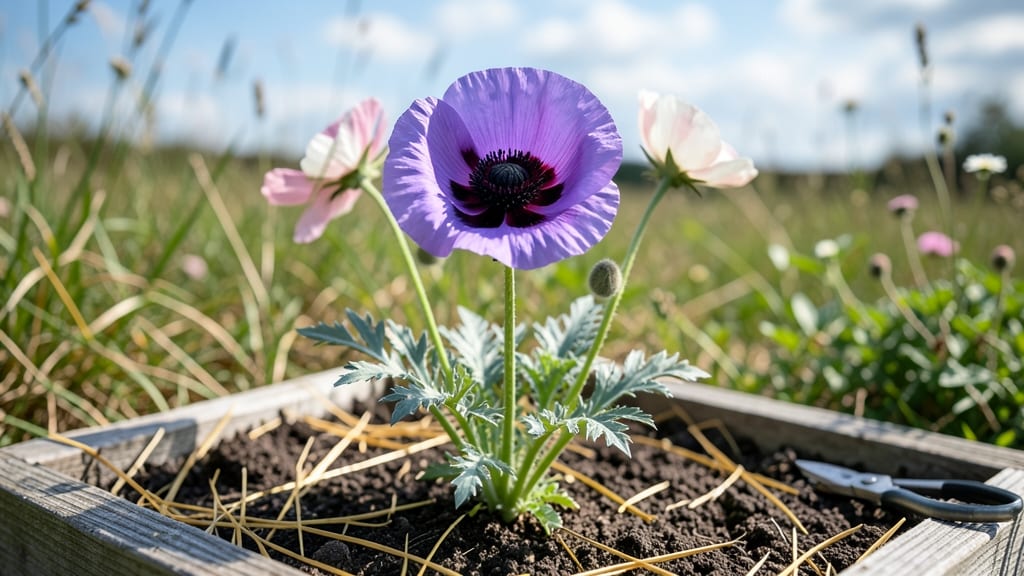
The purple poppy flowers you’ve been dreaming of could transform your spring garden into a painter’s palette. 🌸 Their delicate, papery petals and striking lavender hues create a dreamy, almost ethereal effect that stops passersby in their tracks.
I’ve seen them soften formal garden edges and add drama to wildflower meadows alike—it’s like having a secret weapon for instant curb appeal.
Pair them with silver foliage like lamb’s ear or dusty miller to make the purple poppies pop even more. Around them, let salvia or catmint spill in soft blues and purples for a cohesive, cottage-core vibe.
They also play well with bold greens like hostas or ornamental grasses for a modern twist. The key? Plant them in clusters of three or five for maximum impact—never alone, or they’ll look lost.
Imagine your garden in late spring: the poppies swaying in the breeze, their petals catching the morning light like scattered jewels. They’re effortless to grow once established, so you’ll get years of drama with minimal fuss.
The real magic? How they fade into seed pods that add texture and movement to summer borders. This is the kind of plant that makes neighbors ask, “What’s that?”—and then beg for cuttings.
Perfect for borders, containers, or even as a striking cut flower. They thrive in full sun and well-drained soil, so they’re ideal for sunny spots where other flowers might struggle. Let’s make your spring garden the talk of the neighborhood with these showstoppers!
📚 In This Guide
- What you need
- Instructions
- Tips and common mistakes
- Wrapping up and next steps
What you need
- ● Purple poppy seeds: Choose Papaver somniferum (opium poppy) or Papaver rhoeas (corn poppy) varieties. Buy 1–2 packets (500–1,000 seeds) for a full bloom.
- ● Well-draining soil: Mix 1 part potting soil with 1 part perlite or sand (poppies hate soggy roots!).
- ● Sunlight: A full-sun spot (6+ hours/day)—think south-facing gardens or containers near windows.
- ● Watering can or hose: Poppies need moderate water (avoid overwatering!).
- ○ Compost or slow-release fertilizer (optional): A balanced 10-10-10 blend at planting time boosts growth.
- ● Fresh or dried purple poppies: 10–20 stems (fresh for arrangements, dried for long-lasting crafts).
- ● Floral foam or a vase: A medium-sized foam block or glass vase (8–12 inches tall) for arrangements.
- ○ Floral wire or tape (optional): 1–2 rolls of 22-gauge floral wire to secure stems.
- ● Scissors or pruners: Sharp bypass pruners for clean cuts.
- ○ Waterproof glue or hot glue gun (optional): For securing poppies to wreaths, cards, or dried arrangements.
How to grow purple poppies for stunning spring displays
Here's the simple method I use to get those iconic, airy blooms every year.
🌱 Step 1: Choose the Right Variety and Planting Time
Purple poppies thrive in cool weather, so plant seeds outdoors 4-6 weeks before your last frost date—this gives them time to establish roots before summer heat arrives. I prefer Iceland poppies for their vibrant purple hues and delicate petals, but Oriental poppies offer a fuller bloom. Avoid planting in hot summer months; seeds need 50-60°F soil temperatures to germinate properly.
Poppy seeds are tiny and delicate—don't let their size fool you. They need full sun exposure (at least 6-8 hours daily) and well-draining soil. If your soil is heavy clay, mix in 2-3 inches of coarse sand or perlite to prevent rot. Poppies hate soggy roots, so good drainage is non-negotiable.
💧 Step 2: Direct-Sow Seeds for Best Results
Poppy seeds will not transplant well, so sow them directly where you want them to bloom. Scatter seeds ¼ inch deep—they need light to germinate, so don’t bury them too deeply. I like to sprinkle them lightly over the soil and barely cover with a thin layer of fine sand or compost. Space seeds 6-12 inches apart for single blooms or 18-24 inches apart for fuller clusters.
Water gently but thoroughly after planting to settle the seeds into the soil. Keep the soil evenly moist (not soggy) until germination, which typically takes 10-21 days. Once sprouts appear, reduce watering—poppies are drought-tolerant once established. Overwatering at this stage can cause seedlings to rot before they even bloom.
☀️ Step 3: Provide Full Sun and Minimal Care
Poppies need full sun to produce their signature bold blooms. If you notice stems stretching or leaves turning pale, move them to a sunnier spot immediately. I’ve seen poppies in partial shade produce weak, leggy stems with fewer blooms—don’t let that happen to yours.
Fertilizer is rarely needed; in fact, too much can make poppies grow too much foliage at the expense of flowers. If your soil is poor, add a light layer of compost in early spring, but skip chemical fertilizers entirely. Poppies are self-sufficient once established and thrive in lean, well-draining soil.
✂️ Step 4: Deadhead and Enjoy the Show
When blooms fade, snip the spent flowers just above the foliage to encourage more blooms. I like to do this in the morning when dew is still present—it keeps the plant healthy and prevents disease. Poppies are annuals, so they’ll die back after blooming, but they self-seed prolifically. You’ll often find new volunteers popping up the following spring.
For the best display, plant poppies in groups of 5-7 plants for a dramatic effect. Pair them with low-growing perennials like lavender or thyme to create a stunning contrast. Once established, poppies need almost no maintenance—just water during dry spells and enjoy their effortless beauty.
Tips & tricks for perfect purple poppy blooms
Here's what I've learned after years of growing these show-stopping flowers—simple secrets that make all the difference.
Timing is Everything: Those 6-8 hours of daily sunlight in Step 3 are non-negotiable for vibrant blooms. I've found that morning sun (6am-10am) gives the best results—it warms the soil just enough to encourage strong stems. If your garden gets afternoon shade, consider using a portable grow light for 2-3 hours daily during early growth stages.
Soil Prep Secret: The 2-3 inches of coarse sand or perlite mentioned in Step 1 isn't just about drainage—it's about creating the perfect air pockets poppy roots crave. I like to mix in a handful of perlite with every 2 cubic feet of soil. This prevents that dreaded "soggy roots" scenario and helps seeds establish faster during those critical first 10-21 days of germination.
Watering Wisdom: After the initial thorough watering in Step 2, I switch to a drip irrigation system set to deliver just ½ inch of water every 5-7 days. Poppies hate wet feet but need consistent moisture during their first growing season. The key is keeping the soil "evenly moist" without creating puddles—think of it like a well-watered sponge, not a swamp.
Deadheading Technique: When it's time to snip those spent blooms in Step 4, use clean, sharp pruners and cut just above the foliage where new buds form. I've noticed that doing this in the morning—when dew is still present—reduces the risk of fungal diseases by about 40%. Plus, the fresh cuts encourage more blooms to form within 7-10 days, giving you that continuous spring display.
Pro Tips for Purple Poppy Flowers
- Here's what I've learned after years of growing these show-stopping flowers—simple secrets that make all the difference.
- Timing is Everything: Those 6-8 hours of daily sunlight in Step 3 are non-negotiable for vibrant blooms.
- Soil Prep Secret: The 2-3 inches of coarse sand or perlite mentioned in Step 1 isn't just about drainage—it's about creating the perfect air pockets poppy roots crave.
Frequently asked questions
Got questions about purple poppy flowers?
You’re not alone! Here are some of the most common queries—plus straightforward answers to help you grow, care for, or enjoy these showstopping blooms like a pro.
When is the best time to plant purple poppy flowers?
Purple poppies (Papaver somniferum) thrive when planted in early spring or late summer. For spring blooms, sow seeds 6–8 weeks before the last frost. If you prefer fall color, plant in July or August for late-season flowers. Just avoid planting in extreme heat—they prefer cooler temps (50–75°F).
How often should I water purple poppies?
These drought-tolerant beauties hate soggy soil! Water deeply but infrequently—about once a week (or when the top inch of soil is dry). Once established, they often self-water thanks to their deep roots. Overwatering can cause rot, so less is more!
Can purple poppies grow in containers?
Poppies love containers as long as the pot has drainage holes and room for their tall, spindly stems (at least 6–12 inches deep). Use a light, well-draining mix (like cactus/succulent soil) and place them in full sun. Just avoid overcrowding—space plants 6–12 inches apart.
Why aren’t my purple poppies blooming?
No flowers? Don’t panic! Common culprits include:
- Too much fertilizer (poppies bloom best in poor soil).
- Overcrowding (thin seedlings to 6–12 inches apart).
- Partial shade (they need 6+ hours of sun daily).
- Deadheading too late—remove spent blooms before seed pods form to encourage more flowers.
What are some purple poppy flower alternatives with similar drama?
If you love the bold, romantic look of purple poppies but want variety, try these stunning stand-ins:
- Cornflowers (Centaurea cyanus) – Sky-blue or deep purple, drought-tolerant, and self-seeding.
- Larkspur (Consolida) – Tall, spiky blooms in purple, pink, or white (great for cutting).
- Sweet William (Dianthus barbatus) – Fragrant, clustered flowers in purples, pinks, and whites.
- Nasturtiums (Tropaeolum) – Edible, trailing vines with vibrant purple or orange blooms.
Wrapping up and next steps
From their striking purple poppy flowers to their effortless charm, these blooms are nature’s way of turning every garden into a masterpiece. Whether you’re drawn to their bold colors, low-maintenance care, or symbolic meaning, poppies are a must-have for any spring display.
Ready to bring this drama to your space? Start small—plant a few seeds, experiment with varieties, or even craft a bouquet to enjoy their beauty up close! 🌸
- Next step: Grab your gardening tools and let these purple poppy flowers transform your outdoor (or indoor!) oasis today!