
Flowers
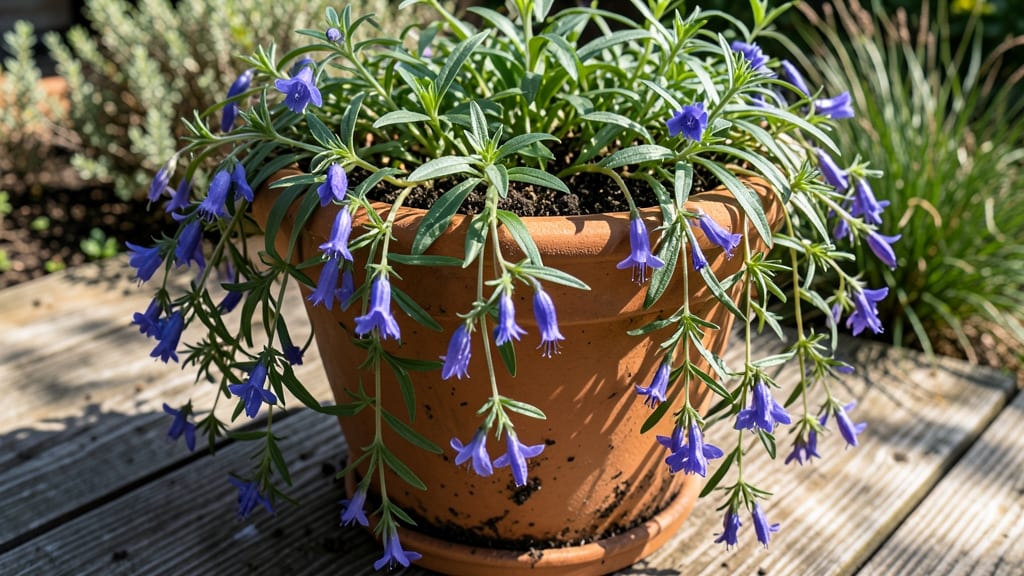
Purple flowers with spiky leaves create instant drama in any garden. 🌿 I discovered these bold plants after struggling to find something striking enough to anchor my front yard—until I spotted a Yucca filamentosa with its sword-like foliage and lavender blooms.
The contrast alone makes them worth growing, but the way they hold up through heat and drought seals the deal.
These plants thrive as statement pieces in borders, containers, or mixed beds. Pair a deep purple Canna lily with silver foliage for a tropical vibe, or tuck Agave attenuata near boulders for a desert-inspired look.
Their upright forms add vertical interest, while the flowers attract pollinators year-round. Even in winter, the spiky silhouettes keep your garden looking intentional.
You’ll love how they transform a plain space into a textured, high-impact display with minimal effort. The spiky leaves deter pests naturally, and their drought tolerance means fewer watering trips.
For extra drama, plant them near contrasting colors—think creamy white Dusty Miller or fiery red Salvia—to make the purples pop even more.
Works equally well in sunny courtyards, modern landscapes, or cottage-style gardens. Start with one dramatic specimen, then layer in complementary textures for a look that feels both wild and polished. Here’s how to style them like a pro.
📚 In This Guide
- What you need
- Instructions
- Tips and common mistakes
- Wrapping up and next steps
What you need
- ● Plants: 1–3 Lantana, Verbena, or Agave (purple-blooming varieties with spiky foliage)
- ○ Optional: Echeveria or Sedum for extra texture (if your climate permits)
- ● Soil: 1–2 bags of well-draining cactus/succulent mix (or regular potting soil amended with perlite/sand)
- ● Containers (if potted): 1–2 terracotta or fabric pots (6–12 inches wide) with drainage holes
- ● Fertilizer: Balanced 10-10-10 or slow-release granules (follow package rates)
- ● Garden trowel or small shovel
- ● Pruning shears (for shaping)
- ● Gloves (to protect from spiky leaves!)
- ○ Optional: Mulch (gravel or pebbles to retain moisture and deter weeds)
- ○ Optional: Stakes or decorative rocks for support (if plants grow tall)
- ● Full sun location (6+ hours of direct light daily)
- ● Well-draining soil (avoid soggy roots!)
- ● Patience—some spiky-leaved plants (like agave) grow slowly but reward with drama!
Step-by-Step guide to cultivating purple flowers with spiky leaves
Here's how to create a bold, textured garden display that thrives year-round.
🌱 Step 1: Select the Right Varieties for Your Climate
Start with plants known for their striking purple blooms and architectural foliage. Salvia nemorosa (purple sage) and Agastache (hyssop) deliver both color and texture. For year-round interest, pair them with evergreen Heuchera (coral bells) varieties like 'Berry Smoothie' or 'Plum Pudding.' These plants thrive in USDA Zones 4-9, though hardy types like Russian sage (Perovskia) extend the range to Zone 3.
Check your local frost dates—most of these varieties prefer full sun (6+ hours daily) but tolerate partial shade in hot climates. I always test a spot for 4 hours of direct sun first; if leaves scorch after a week, they need afternoon shade. The key is matching bloom duration: Salvia flowers mid-to-late summer, while Agastache extends into fall, creating a seamless color transition.
🪴 Step 2: Prepare Planting Sites for Drainage and Sun
Dig planting holes twice as wide as the root ball but only as deep. Amend the native soil with 2 inches of compost mixed into the bottom half of the hole—this improves drainage while retaining moisture. These plants hate soggy roots, so if your soil is clay-heavy, add 10% perlite to the backfill mix.
Space plants 18-24 inches apart for air circulation (critical for preventing powdery mildew). I always plant in clusters of 3-5 to create natural drifts—this mimics their wild growth patterns and makes maintenance easier. Mark the planting spots with wooden stakes before digging to avoid disturbing roots later.
☀️ Step 3: Water Deeply and Mulch for Retention
Water deeply at planting to settle the soil around roots, then let the top 2 inches dry before watering again. These drought-tolerant plants need 1 inch of water weekly in established beds, but newly planted specimens require 2 inches per week for the first month. Use a soaker hose or drip irrigation to deliver moisture slowly at the base—avoid overhead watering, which can promote fungal diseases on spiky leaves.
Apply 3 inches of mulch (like shredded bark or pine needles) around each plant, keeping it 2 inches away from stems. Mulch conserves moisture and regulates soil temperature, which is especially important in hot climates. Replenish mulch annually in spring—this ensures consistent protection without smothering roots.
✂️ Step 4: Prune for Shape and Encourage Rebloom
After the first flush of flowers fades, cut back spent stems by half in early summer. This triggers bushier growth and a second bloom cycle. For Salvia, I shear back one-third of the plant height right after flowering to promote dense foliage. Never prune into old wood—always leave 2-3 inches of new growth to sustain the plant.
Remove any leggy or overcrowded stems in late summer to improve airflow. Here's the thing—these plants reward precision pruning. If you skip it, you'll end up with fewer blooms and a scraggly appearance by fall. I always use clean, sharp shears and disinfect them with rubbing alcohol between cuts to prevent disease spread.
🌿 Step 5: Extend the Season with Fall Care
As temperatures drop below 50°F, reduce watering to every 10-14 days unless rainfall exceeds 1 inch. Most of these perennials go dormant in winter, so cut back dead foliage in late winter (just as new growth begins) to stimulate fresh shoots. For tender varieties like Agastache, add 2-3 inches of mulch before the first frost to insulate roots.
In early spring, fertilize lightly with 5-10-5 balanced fertilizer when you see new shoots emerge. Avoid high-nitrogen feeds—they encourage leafy growth at the expense of flowers. I always test soil pH first; these plants prefer 6.0-7.0—amend with lime if your soil runs acidic.
Tips & tricks for perfect purple flowers with spiky leaves
Here's what nobody tells you about keeping these bold beauties thriving—these are the details that separate a good garden display from a showstopper.
Variety Pairing: The secret to year-round drama lies in how you combine these plants. For maximum impact, plant Salvia nemorosa and Agastache in the center of your bed, surrounded by Heuchera varieties. The spiky leaves of Salvia and Agastache will create vertical interest, while the rounded foliage of Heuchera softens the edges. I've found that planting Russian sage (Perovskia) at the back adds height and extends the color season into late fall.
Sunlight Testing: That 4-hour sun test in Step 1 is non-negotiable. I learned this the hard way—my first attempt with Salvia in full afternoon sun resulted in crispy leaves within days. Instead, start with morning sun only, then gradually increase exposure. If you notice leaves curling or turning yellow after a week, move them to partial shade. These plants are tough, but they'll reward you with vibrant blooms when given the right conditions.
Pruning Precision: When you're cutting back spent stems by half in Step 4, always make clean cuts just above a leaf node or set of leaves. This is where new growth will emerge, and it ensures your plant stays bushy. For Salvia, I recommend using pruning shears rather than regular scissors—they make cleaner cuts that heal faster. And here's a pro move: collect your spent blooms and dry them for winter arrangements—they make stunning purple accents in dried floral displays.
Seasonal Transition Strategy: As temperatures drop below 50°F in Step 5, don't just reduce watering—also adjust your mulch. For Agastache and other tender varieties, add that extra 2-3 inches of mulch before the first frost. I've found that shredded leaves work particularly well because they break down slowly, providing consistent insulation. In spring, remove the old mulch before new growth appears to prevent smothering young shoots.
Pro Tips for Purple Flowers Spiky Leaves
- Here's what nobody tells you about keeping these bold beauties thriving—these are the details that separate a good garden display from a showstopper.
- Variety Pairing: The secret to year-round drama lies in how you combine these plants.
- Sunlight Testing: That 4-hour sun test in Step 1 is non-negotiable.
Frequently asked questions
Got questions about growing purple flowers with spiky leaves? You’re not alone! Here are answers to the most common queries to help you create that stunning, year-round garden drama.
What are the best purple flowers with spiky leaves for full sun?
Top picks for sunny spots include Agastache (hyssop), Salvia (sage), and Verbena bonariensis. These thrive in direct sunlight (6+ hours/day) and boast vibrant purple blooms with textured foliage. For extra drama, pair them with Echinacea or Lavender.
When is the best time to plant these flowers?
Plant in early spring (after the last frost) or early fall for optimal root establishment. If starting from seeds, sow indoors 6-8 weeks before the last frost. In warmer climates, fall planting avoids summer heat stress.
How often should I water purple flowers with spiky leaves?
Water deeply 1-2 times per week, depending on your climate. These plants prefer well-draining soil and hate soggy roots. Mulch around the base to retain moisture and suppress weeds. Drought-tolerant varieties like Salvia need less frequent watering once established.
Are these plants prone to pests or diseases?
Generally hardy, but watch for aphids, spider mites, or powdery mildew in humid conditions. Encourage beneficial insects like ladybugs. Improve airflow by spacing plants properly, and avoid overhead watering. Neem oil or insecticidal soap can treat minor infestations.
Can I grow these in containers? What’s the best setup?
Yes! Choose large containers (12"+ diameter) with drainage holes. Use a lightweight potting mix blended with perlite or sand. Compact varieties like Agastache or Dianthus work well. Place containers in full sun and water consistently—containers dry out faster than garden beds.
What’s a great alternative if I want purple flowers but no spiky leaves?
Try Pansies, Violas, or Petunias for soft, velvety purple blooms with smooth foliage. For structure, Cleome (spider flower) offers airy spikes and purple blooms without aggressive spikes. Both thrive in similar growing conditions!
Wrapping up and next steps
Adding purple flowers with spiky leaves to your garden is a bold, rewarding choice that brings year-round visual drama and low-maintenance charm! 🌸 From Lantana to Agave, these plants thrive with minimal effort while delivering striking color and texture.
Whether you’re a seasoned gardener or just starting, these varieties are perfect for elevating any outdoor space.
Ready to transform your garden? Start small—pick one plant to try, research its care needs, and watch your space bloom with confidence! 🌿