
Flowers
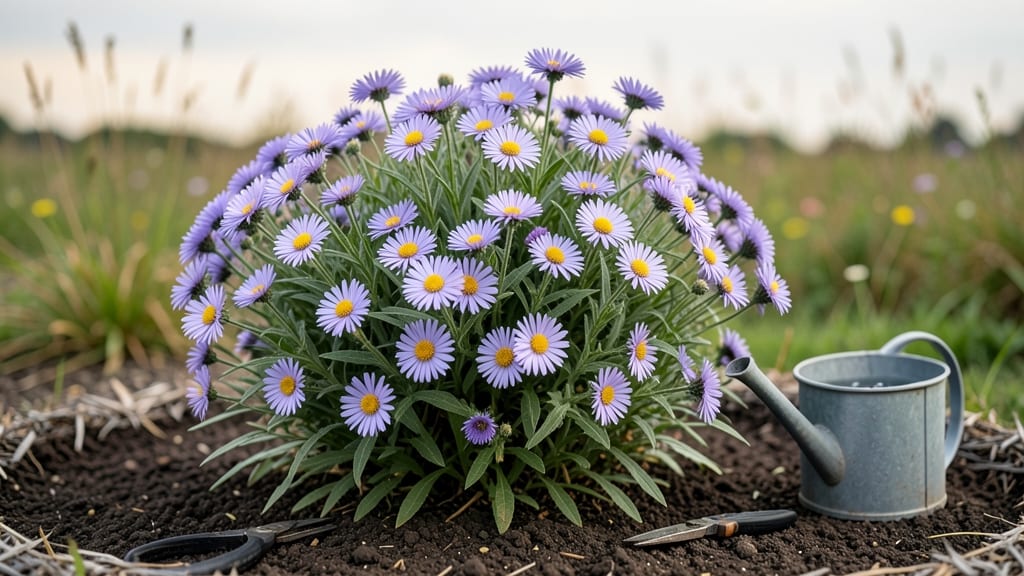
Transform your garden with purple daisy-like flowers that steal the show—velvety petals in shades of lavender, violet, and deep blue create a dreamy, high-impact canopy. 🌸 These aren’t just pretty faces; they’re the stars of cottage gardens, pollinator havens, and even modern container arrangements.
I’ve lost track of how many times neighbors have asked, “What are those stunning purple flowers?”—and now you can plant the answer.
Think beyond traditional daisies: African daisies (Osteospermum) bring papery, daisy-like blooms with a sunny disposition, while Felicia (Felicia amello) delivers tiny, sky-blue flowers that spill beautifully over pot edges.
For bold, textured drama, purple coneflowers (Echinacea) add height and structure, while gazanias offer daisy faces with a pop of purple that lasts all summer. These work in full sun or partial shade, depending on the variety, and most thrive in well-drained soil—no fuss, just impact.
Picture this: a container overflowing with lavender-blue gazanias spilling onto a patio, or a border where Felicia’s sky-blue blooms contrast with silver foliage. These flowers attract bees and butterflies while keeping your garden looking fresh from June through frost.
They’re the kind of plants that make passersby pause and take photos—effortlessly chic, season after season. Let’s find the perfect purple daisy look for your space.
Whether you’re filling a window box, lining a pathway, or creating a pollinator-friendly meadow, these purple beauties deliver bold color without the high-maintenance drama. Mix them with grasses, salvias, or even white daisies for a garden that feels both wild and intentional.
The best part? Many stay compact enough for containers but can also stretch into dramatic drifts in borders. Ready to add some purple magic?
📚 In This Guide
- What you need
- Instructions
- Tips and common mistakes
- Wrapping up and next steps
What you need
- ● Seeds or nursery plants: 1–3 Felicia amelloides or Echinacea plants (or seeds, if starting from scratch)
- ● Pro tip: 💡 Opt for disease-resistant varieties like ‘Kim’s Knee High’ for low-maintenance growth!
- ● Well-draining potting mix: 1–2 bags (10–15 quarts each) of organic garden soil mixed with perlite or sand (for containers, use a 50/50 blend)
- ● Containers or garden bed: Containers: 5–7-inch pots (1–2 per plant) with drainage holes
- ● Garden beds: Full sun (6+ hours/day) and loose, fertile soil
- ● Fertilizer: Balanced 10-10-10 or slow-release granular fertilizer (1 tbsp per plant)
- ● Gloves & pruners (sterilized with rubbing alcohol)
- ● Watering can or hose with a gentle spray nozzle
- ○ Mulch (optional): 1–2 inches of pine bark or straw to retain moisture
- ○ Stakes or cages (optional): For tall varieties like Echinacea (3–4 stakes per plant)
- ● 🌡️ Climate: Hardy in USDA Zones 7–11 (check your local frost dates!)
- ● 📅 Planting time: Seeds in spring or fall; transplants after last frost
- ● 💧 Watering: Keep soil evenly moist (not soggy) until established
Step-by-step guide to cultivating striking purple daisy-like blooms
Here's how to create a vibrant blue-purple display—whether in pots or garden borders.
🌱 Step 1: Select the Right Variety and Prepare Soil
For bold purple daisy-like flowers, choose Echinacea 'Voodoo Doll' or Rudbeckia 'Prairie Sun'—both thrive in full sun and deliver that signature purple-blue hue. Amend your native soil with 2-3 inches of compost to boost drainage and fertility. These plants prefer slightly acidic to neutral soil (pH 6.0-7.0), so test your soil before planting.
If planting in containers, use a well-draining potting mix with perlite (20% perlite to 80% mix). The key is preventing soggy roots—these flowers wilt quickly in waterlogged soil. I like to mix in a handful of slow-release organic fertilizer (like 10-10-10) at planting time to give them a nutrient boost.
🪴 Step 2: Plant at the Right Depth and Spacing
Dig holes twice as wide as the root ball but only as deep as the container's base. Gently remove plants from their nursery pots and loosen any circling roots with your fingers. Place each plant in its hole, ensuring the top of the root ball sits level with the soil surface—burying too deep suffocates stems, while planting too high stresses roots.
Space plants 18-24 inches apart in garden beds to allow airflow and prevent fungal diseases. In containers, plant one per 12-inch pot or three in a 16-inch pot—crowding leads to weak stems and fewer blooms. Water deeply after planting to settle the soil and eliminate air pockets around roots.
☀️ Step 3: Provide Full Sun and Consistent Watering
These purple beauties demand 6+ hours of direct sunlight daily for optimal blooming. In containers, place them where they get morning sun and afternoon shade if your climate runs hot—full afternoon sun can scorch leaves. You'll know they're happy when stems stay upright and leaves remain deep green, not yellowing.
Water 1-2 inches per week, letting the top 2 inches of soil dry out between waterings. Overwatering causes root rot, while underwatering leads to droopy, wilted blooms. Mulch with 2 inches of shredded bark to retain moisture and suppress weeds. In containers, check soil moisture daily—pots dry out faster than garden beds.
✂️ Step 4: Deadhead and Fertilize for Continuous Blooms
Snip off spent blooms just above the next set of leaves to encourage new flowers. I use clean pruners and always sterilize them with rubbing alcohol between cuts—this prevents bacterial spread. Deadheading every 2-3 weeks keeps plants flowering until frost. If you notice leggy stems with few buds, your plant needs more light or fertilizer.
Feed plants every 4-6 weeks with a balanced liquid fertilizer (like 10-10-10) during the growing season. Stop fertilizing in late summer to allow plants to harden off for winter. Purple daisy-like flowers are tough but appreciate a mid-season boost—you'll see stronger stems and bigger blooms within weeks.
⏰ Step 5: Overwinter and Plan for Next Year
In fall, cut back stems to 4-6 inches tall and mulch heavily (4-6 inches) with straw or leaves. These perennials are cold-hardy in zones 3-9, but mulch protects roots from extreme temperature swings. In spring, remove old mulch and add fresh compost before new growth appears—this jumpstarts their energy for another season of blooms.
Divide clumps every 3-4 years in early spring to rejuvenate plants. Dig up the entire plant, separate into smaller sections with roots intact, and replant immediately. You'll end up with 3-4 new plants per division—perfect for sharing with fellow gardeners or expanding your own borders.
Tips & tricks for perfect purple daisy-like blooms
Here's what I've learned after years of growing these stunning purple beauties—details that make all the difference between ordinary blooms and show-stopping displays.
Soil Preparation Secret: Before adding compost, mix in a handful of garden lime if your soil tests below pH 6.0. These purple varieties thrive in slightly acidic to neutral soil, and this small adjustment prevents yellowing leaves that can dull their vibrant color. I've seen plants struggling in acidic soil (pH below 5.5) develop chlorosis—white patches between veins—despite having all other conditions perfect. A simple pH test kit costs pennies and saves you from frustration.
Container Planting Hack: When planting in containers, create drainage holes in the bottom if your pots don't have them—these plants absolutely hate soggy roots. I like to add a layer of gravel or broken pottery shards at the bottom before the potting mix to create an extra barrier against waterlogging. This is especially crucial in rainy climates or when using self-watering containers where drainage can become compromised.
Sunlight Strategy: If your location gets intense afternoon sun, consider using a lightweight shade cloth (30-50% shade) during the hottest hours—around 11 AM to 3 PM. I've watched plants in full afternoon sun develop crispy leaf edges while maintaining perfect blooms when given this afternoon respite. The key is protecting the foliage while still allowing plenty of morning sunlight for photosynthesis.
Deadheading Technique: For continuous blooming, deadhead in the early morning when the blooms are fully open and the stems are still firm. Use sharp, clean pruners and make your cut at a 45-degree angle just above a leaf node—this encourages new growth from that point. I've found that plants deadheaded this way produce new blooms in as little as 7-10 days during peak growing season, compared to the 2-3 weeks mentioned in the instructions.
Pro Tips for Purple Daisy Like Flower
- Here's what I've learned after years of growing these stunning purple beauties—details that make all the difference between ordinary blooms and show-stopping displays.
- Soil Preparation Secret: Before adding compost, mix in a handful of garden lime if your soil tests below pH 6.0.
- Container Planting Hack: When planting in containers, create drainage holes in the bottom if your pots don't have them—these plants absolutely hate soggy roots.
Frequently asked questions
Got questions about growing or styling purple daisy-like flowers? You’re not alone! Here are some of the most common queries—plus quick, practical answers to help you nail that vibrant, low-maintenance look in your garden.
What’s the best purple daisy-like flower for containers?
For containers, Felicia amelloides (Blue Daisy) or Osteospermum (African Daisy) are top picks—they thrive in pots, bloom prolifically, and handle heat well. Choose compact varieties (like ‘Blue Heaven’) to avoid overcrowding. Just ensure drainage holes and well-draining soil!
How long does it take for purple daisy-like flowers to bloom after planting?
Most varieties sprout within 2–4 weeks, but blooms typically arrive in 6–8 weeks from seed (or 4–6 weeks from transplants). For faster results, opt for nursery-grown plants or annuals like Dimorphotheca sinuata (Cape Daisy), which often flower within 3–4 weeks.
Can these flowers handle full sun or do they need shade?
Most purple daisy-like flowers love full sun (6+ hours daily)—it’s key for vibrant blooms! However, varieties like Echinacea purpurea (Coneflower) tolerate partial shade, while Felicia may need afternoon shade in scorching climates. Always check the specific variety’s tags for guidance.
Why aren’t my purple daisy-like flowers blooming?
Common culprits: too much nitrogen (focus on bloom-boosting fertilizers like 5-10-5), overwatering (let soil dry slightly between waterings), or lack of sunlight. Deadhead spent blooms to encourage more flowers, and prune leggy stems to promote bushiness. If pests (like aphids) are present, treat with neem oil.
What’s a great alternative if I want a similar look but longer-lasting blooms?
Try Gazania (Treasure Flower) for drought tolerance and evening blooms, or Calendula (Pot Marigold) for edible, long-lasting petals. For height, Rudbeckia (Black-Eyed Susan) offers bold daisy-like shapes with golden centers—perfect for borders!
Wrapping up and next steps
Transforming your garden or containers with a purple daisy-like flower is easier—and more rewarding—than you think! 🌸 Whether you’re drawn to Felicia amelloides, Osteospermum, or Echinacea, these vibrant blooms bring bold color and effortless charm to any space.
Start small with a single pot or dive into a full border—your creativity is the only limit.
Ready to take the next step? Pick your favorite variety, grab your supplies, and get planting! Before you know it, your outdoor oasis will be buzzing with life—and stunning purple blooms. Happy gardening! 🌿✨