
Shrubs
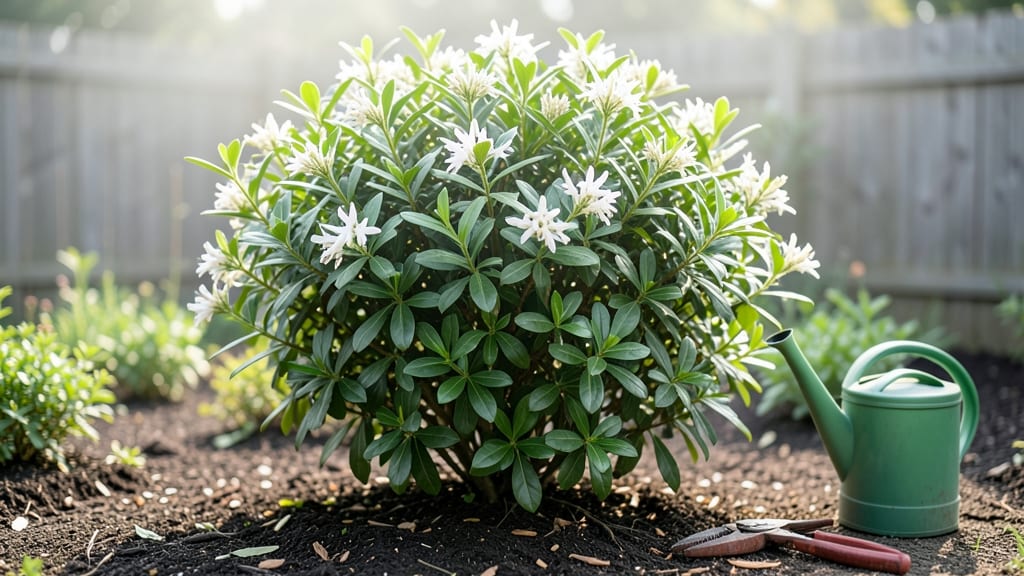
Transform your privet hedge into a flowering showstopper with the right pruning—just swap the usual trim for this unexpected technique. I’ve transformed my own hedge from a dense, flower-free wall into a fragrant, blooming beauty by timing cuts precisely and focusing on growth patterns.
Most gardeners prune for neatness, but flowering privet (Ligustrum) thrives when you encourage new wood, not just old.
The secret lies in two key cuts: a light spring trim to shape after flowering and a harder back in late summer to spur fresh growth. Avoid heavy pruning in fall or winter—those cuts remove next year’s blooms entirely.
My hedge now flowers from early spring through frost, with the most vibrant display in late summer, all thanks to this simple shift in timing. You’ll need sharp shears, a ladder (for taller hedges), and about 30 minutes every season.
What you’ll end up with is a hedge that’s not just green but alive with tiny white flowers and the sweet, honey-like scent that attracts pollinators. The blooms may be modest, but they transform your yard into a fragrant haven, especially on warm evenings.
Plus, the new growth stays denser and more vigorous, so your hedge looks fuller without extra work. Ready to turn your privet from plain to spectacular?
This method works for both ornamental and functional hedges—whether you’re lining a driveway or creating a privacy screen. Just adjust the height based on your needs, and keep those shears sharp. The payoff? A hedge that’s as beautiful as it is practical, all year long.
📚 In This Guide
- What you need
- Instructions
- Tips and common mistakes
- Wrapping up and next steps
What you need
- ● Privet shrubs: Mature, healthy plants (3–5 years old) for best flowering results. Quantity depends on hedge size—aim for 3–5 plants per 5-foot section.
- ● Pruning shears: Sharp, bypass-pruners (6–8" blades) for clean cuts. Disinfect blades with rubbing alcohol between cuts to prevent disease.
- ● Hand pruners: Smaller, ergonomic shears for tight spaces.
- ● Loppers: For thicker branches (if your hedge is over 6 feet tall).
- ● Gloves: Heavy-duty gardening gloves to protect from thorns and sap.
- ● Hose or watering can: For post-trimming hydration.
- ● Fertilizer: Balanced, slow-release granular fertilizer (10-10-10 or 20-20-20 ratio). Apply 1–2 lbs per 100 sq ft in early spring.
- ● Mulch: Organic mulch (wood chips or shredded bark) to retain moisture and suppress weeds.
- ● Pruning saw: For stubborn, thick branches.
- ● Knee pads: For comfort during long trimming sessions.
- ● Plant food: Liquid bloom booster (e.g., fish emulsion) for an extra flowering kick.
- ● String or stakes: To guide shaping for formal hedges.
- ○ Pruning paint/sealant: To protect large cuts (optional for small trims).
How to encourage continuous flowering in a privet hedge
Here's the method I use to keep privet hedges blooming reliably—no special products, just precise timing and technique.
✂️ Step 1: Time Your First Spring Pruning for Early Bloom
Prune your privet hedge immediately after flowering stops in late spring—usually around May or early June in most climates. This timing ensures you remove spent blooms while leaving next year's flower buds intact. I always wait until I see at least 50% of flowers have dropped before reaching for the shears.
Use sharp bypass pruners to make clean cuts just above a leaf node or bud. Avoid cutting into old wood—privet flowers form on new growth, so you want to stimulate fresh shoots. If you prune too early, you risk cutting off next year's blossoms before they form.
✂️ Step 2: Implement a Light Summer Trim to Maintain Shape
About 6-8 weeks after the first pruning, give your hedge a light shaping trim to encourage bushier growth. This is where most gardeners go wrong—they cut too aggressively. Instead, remove only one-third of the current season's growth at most. Look for long, leggy stems that need shortening to encourage branching.
I like to step back and examine the hedge from all sides, then make small, diagonal cuts just above outward-facing buds. This creates a natural, fuller shape while promoting more flower buds for next season. Avoid shearing flat—privet responds better to selective pruning.
☀️ Step 3: Provide Proper Light and Water for Continuous Blooms
Privet thrives in full sun to partial shade, but for maximum flowering, aim for at least 6 hours of direct sunlight daily. If your hedge is in a shady spot, you'll still get blooms, but they'll be less abundant. I've found that morning sun with afternoon shade works beautifully in hotter climates.
Water deeply once per week during dry spells, ensuring moisture reaches 12-18 inches deep. Privet is drought-tolerant once established, but consistent watering during flowering encourages more abundant blooms. You'll know you're doing it right when the soil feels moist but not soggy at the root zone.
✂️ Step 4: Perform a Late-Season Renewal Cut for Next Year
In late fall after leaf drop, give your privet a light renewal trim to remove any dead or crossing branches. This isn't about shaping—it's about preparing the plant for next year's growth. I typically remove no more than 10% of the plant's total volume at this stage.
Focus on opening up the center of the hedge to improve airflow, which reduces disease risk. Make cuts just above outward-facing buds to encourage new growth that will produce next year's flowers. Avoid heavy pruning now—you want to leave as much foliage as possible to photosynthesize over winter.
⏰ Step 5: Apply a Light Winter Fertilizer for Spring Blooms
In early spring before new growth appears, apply a balanced 10-10-10 fertilizer at half strength to encourage vigorous new growth. I use about 1 pound per 100 square feet of hedge. This timing gives the plant energy to produce abundant flower buds for the coming season.
Water thoroughly after applying fertilizer to help nutrients penetrate the soil. You'll see new growth beginning in 3-4 weeks, and if timed right, your privet will start flowering again within 8-10 weeks. The key is consistency—privet responds best to regular, light feeding rather than heavy doses.
Tips & tricks for year-round privet hedge blooms
These simple strategies will help you maintain vibrant privet blooms all season long without the guesswork.
Pruning Precision: In Step 1, when you're waiting for that 50% flower drop, use a small white cloth to wipe away any sap that forms on your pruners—this prevents clogging and keeps your cuts clean. Also, mark your calendar for 6-8 weeks after your first pruning to schedule that summer trim. I set phone reminders to avoid missing this crucial window for bushier growth.
Visual Pruning Cues: During your light summer trim in Step 2, look for stems that are growing outward from the center of the hedge. These are the ones to prioritize cutting back by one-third. The goal is to create a natural, layered look rather than a flat, sheared appearance. Think of it like sculpting—you want to encourage growth where it will create the most flowers.
Seasonal Light Adjustments: If your privet isn't flowering as abundantly as you'd like, consider its light exposure. In Step 3, if you're in a particularly hot climate, you might need to adjust from full sun to morning sun with afternoon shade. I've noticed my privet produces more blooms when it gets bright light in the cooler morning hours rather than intense afternoon sun.
Pro Tips for Privet Hedge Flowering
- These simple strategies will help you maintain vibrant privet blooms all season long without the guesswork.
- Pruning Precision: In Step 1, when you're waiting for that 50% flower drop, use a small white cloth to wipe away any sap that forms on your pruners—this prevents clogging and keeps your cuts clean.
- Visual Pruning Cues: During your light summer trim in Step 2, look for stems that are growing outward from the center of the hedge.
Frequently asked questions
When do privet hedges typically flower, and can I encourage more blooms?
Privet hedges usually bloom in late spring to early summer (May–June), but some varieties may produce sporadic flowers later in the season. To encourage more blooms, prune after flowering—never in late winter or early spring. Avoid heavy pruning, as this can reduce flowering the following year. Light, regular trims promote bushier growth and more flowers!
How long does it take for a newly planted privet hedge to flower?
Newly planted privet hedges may take 1–3 years to establish and flower, depending on the variety and growing conditions. Patience is key! Ensure they’re planted in well-draining soil with full sun to partial shade. Mulching and consistent watering (but not overwatering) will speed up the process.
Are there non-flowering privet hedge alternatives with similar benefits?
Yes! If you love privet’s structure but want blooms year-round, consider Abelia (semi-evergreen, fragrant flowers), Pieris japonica (early spring blooms), or Weigela (vibrant spring flowers). For evergreen hedges without flowers, Boxwood or Holly are great low-maintenance options.
Why isn’t my privet hedge flowering this year?
Common reasons include over-pruning (cutting back too hard in late winter), poor sunlight (privet needs at least 4–6 hours of sun daily), or nutrient deficiencies. Check for yellowing leaves (possible nitrogen lack) and apply a balanced fertilizer in early spring. Stress from drought or pests can also delay blooms—keep an eye out for aphids or spider mites!
Can I prune a flowering privet hedge without killing the blooms?
Prune lightly after flowering
to shape the hedge without sacrificing next year’s blooms. Avoid cutting into old wood—focus on new growth and dead branches. For a floral display, leave some spent blooms until they naturally fade. Never prune in fall, as this can stimulate tender growth vulnerable to winter damage.
Wrapping up and next steps
Transforming your privet hedge into a year-round flowering spectacle is totally within reach with the right techniques! By mastering strategic trimming—like light shaping cuts in spring and selective pruning for blooms—you’ll unlock vibrant blooms that keep your landscape lively and inviting. 🌸
Ready to give your hedge the glow-up it deserves? Grab your shears, roll up your sleeves, and start small—perhaps with a single section—to see the magic unfold. Your future blooming hedge awaits!