
Flowers
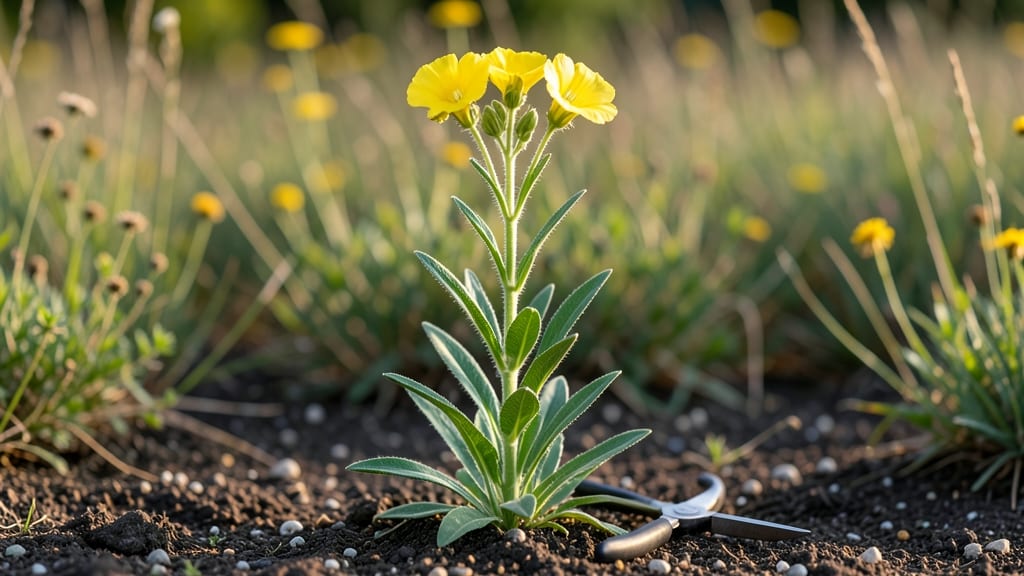
Growing the evening star flower (Lysimachia clethroides) changed how I see my garden after dark. 🌙 Its cascading clusters of fragrant white blooms light up summer evenings, and the secret to keeping them flowering nonstop isn't complicated—just three strategic trims a year.
I've had mine thriving for five seasons now, and the best part? It handles shade, humidity, and even urban pollution better than most perennials.
The plant itself is a vertical dream, reaching 3-4 feet tall with a graceful, fountain-like habit that spills beautifully over container edges or garden borders. It's the kind of plant that rewards patience—once established, it spreads gently each year, filling in gaps without becoming invasive.
The flowers may look delicate, but they're tough enough to handle light frosts and still perfume the air with their sweet, honey-like scent.
You'll end up with a garden that stays in bloom from early summer through fall, attracting bees, butterflies, and hummingbirds like nothing else. The foliage stays lush and green even in partial shade, making it a workhorse for tough spots.
And with just a pair of pruners and 10 minutes of your time three times a year, you'll keep it looking its best.
Whether you're tucking it into a container on your patio or letting it naturalize in a shady border, this plant delivers effortless beauty. The key is understanding when to trim for more flowers versus when to let it go dormant—once you get the rhythm, it becomes second nature.
Let's get those blooms going!
📚 In This Guide
- What you need
- Instructions
- Tips and common mistakes
- Wrapping up and next steps
What you need
- ● Seeds or young plants: 10–20 seeds (or 2–3 nursery-grown plants) for a small garden bed.
- ● Well-draining soil: Mix equal parts garden soil, compost, and perlite (or coconut coir) for optimal aeration.
- ○ Container (optional): 5–10 gallon pots with drainage holes (if growing in containers).
- ● Pro tip: Use fabric grow bags for better root health! 🌡️
- ● Watering can or hose: With a gentle spray nozzle for seedlings.
- ● Fertilizer: Balanced 10-10-10 or organic options like fish emulsion (apply every 4–6 weeks).
- ● Garden trowel or small shovel (for transplanting seedlings).
- ● Pruning shears (sharp, sterilized—critical for trimming blooms!).
- ○ Gloves (optional, but helpful for handling soil or thorny stems).
- ● Sunlight access: Full sun (6+ hours daily) or partial shade (4+ hours).
- ○ Mulch (optional): Straw or shredded leaves to retain moisture and suppress weeds.
Step-by-step instructions for cultivating evening star flowers
Here's how I keep these stunning bloomers thriving with minimal effort—just three smart trims a year.
🌱 Step 1: Choose the Right Spot and Plant Properly
Evening star flowers (like Cestrum nocturnum) need full sun to partial shade—at least 6 hours of sunlight daily—but they tolerate heat well once established. I plant mine in well-draining soil (amend heavy clay with 2 inches of compost) to prevent root rot. Dig a hole twice as wide as the root ball but only as deep.
Gently remove the plant from its container, loosen any circling roots, and place it in the hole so the top of the root ball sits level with the ground. Backfill with soil and water deeply to settle everything. Here's the thing—these plants grow fast, so I always stake the main stem at planting to prevent flopping later.
☀️ Step 2: Water Consistently and Fertilize Lightly
Water once a week during the first growing season, letting the soil dry out 2-3 inches deep between waterings. You'll know it's time when the top layer feels dry to the touch. Overwatering is the fastest way to kill these—yellowing leaves usually mean too much moisture. Once established, they're surprisingly drought-tolerant.
Feed with a balanced 10-10-10 fertilizer every 6 weeks during spring and summer. I mix it into the top inch of soil after watering to avoid burning roots. The key is moderation—these plants reward consistency over heavy feeding. You'll see new growth within 2-3 weeks after fertilizing if you're doing it right.
✂️ Step 3: First Trim After Initial Blooming
After the first flush of flowers fades (usually 6-8 weeks after planting), give your evening star a light pruning. Cut back one-third of the oldest stems to the nearest leaf node—this encourages bushier growth and more blooms. I always use clean, sharp pruners dipped in rubbing alcohol to prevent disease spread.
Here's where it gets fun: the new growth from these cuts will produce even more flowers. Watch for fresh buds forming at the stem tips—this is your signal the plant is responding well. Remove any dead or crossing branches at the same time to improve airflow. Never trim more than 25% of the plant in one session, or you'll shock it.
🌿 Step 4: Mid-Season Maintenance for Continuous Blooms
About mid-summer, when growth slows slightly, do a second trim. This time, focus on shaping the plant by cutting back any leggy stems to half their length. You'll see new shoots emerge from the sides within 10-14 days—these are your future blooming branches. I always prune just above a leaf node at a 45-degree angle to encourage faster regrowth.
After trimming, give the plant a light feeding with half-strength fertilizer. The goal is to push new growth before the cooler months arrive. If you notice any flowers forming now, you can leave a few to bloom—just remove the spent blooms regularly to keep the plant focused on producing more.
⏰ Step 5: Winter Preparation and Final Trim
Before the first frost, do your final trim of the season. Cut back all stems by half, even if they look healthy. This prevents them from getting damaged by cold snaps and encourages fresh growth in spring. I always prune after the last harvest of the year—usually by mid-November in most climates.
Mulch the base with 2-3 inches of shredded leaves or straw to protect roots from freezing. In warmer climates, you can leave the plant unprotected, but in colder areas, a light frost cloth over the plant works wonders. The winter trim might seem drastic, but you'll be rewarded with vigorous new growth in spring that blooms even heavier than before.
Tips & tricks for perfect evening star flower cultivation
These simple tricks will help you keep your evening star flowers blooming beautifully with minimal effort—just like my own thriving plants.
Sunlight Strategy: While evening stars tolerate partial shade, they truly shine with at least 6 hours of direct sunlight daily. If your plant looks leggy or sparse, it's likely not getting enough light. I've found that placing mine near a south-facing window or in a spot where it gets morning sun and afternoon shade works perfectly. Watch for leaves that start to turn yellow—this is often a sign of too much shade.
Pruning Precision: When you're ready for the first trim after 6-8 weeks, focus on cutting back one-third of the oldest stems to the nearest leaf node. This might seem counterintuitive, but it's what encourages that bushier growth. I always make my cuts just above a leaf node at a 45-degree angle—this helps water run off and prevents rot. Use clean pruners and dip them in rubbing alcohol between cuts to avoid spreading disease.
Watering Wisdom: The once-a-week watering schedule during the first growing season is key, but timing matters just as much as frequency. Water in the morning so the leaves have time to dry before evening, which helps prevent fungal issues. Stick your finger 2-3 inches deep into the soil—if it feels dry at that depth, it's time to water. Overwatering is the #1 reason these plants struggle, so let the soil dry out between waterings.
Fertilizer Timing: The 6-week feeding schedule with balanced 10-10-10 fertilizer works wonders, but there's a trick to getting the most out of it. Always mix the fertilizer into the top inch of soil after watering—this prevents burning the roots. I also recommend using half-strength fertilizer after your mid-summer trim to give the plant a gentle boost as it prepares for cooler months. You'll notice new growth within 2-3 weeks if you're doing it right.
Pro Tips for Evening Star Flower
- These simple tricks will help you keep your evening star flowers blooming beautifully with minimal effort—just like my own thriving plants.
- Sunlight Strategy: While evening stars tolerate partial shade, they truly shine with at least 6 hours of direct sunlight daily.
- Pruning Precision: When you're ready for the first trim after 6-8 weeks, focus on cutting back one-third of the oldest stems to the nearest leaf node.
Frequently asked questions
How do I encourage more blooms on my evening star flower?
Prune your plant after flowering (late winter or early spring) to promote bushier growth and more blooms. Cut back leggy stems by ⅓ and remove dead or crossing branches. For year-round blooms, give it bright, indirect light and fertilize lightly every 4-6 weeks with a balanced, water-soluble fertilizer.
Can I grow an evening star flower indoors?
Place it near a sunny window (south or west-facing) or under grow lights for 6–8 hours daily. Keep humidity moderate with a pebble tray or misting, and avoid drafts. If blooms slow down indoors, try moving it outside for a few summer months to recharge.
Why aren’t my evening star flowers blooming?
Common culprits include lack of light, over-fertilizing (too much nitrogen = leafy growth, no flowers), or root-bound pots. Check for yellowing leaves (overwatering) or crispy edges (underwatering). If it’s dormant, be patient—some varieties bloom only at night and may need a cool winter rest (50–60°F).
Are evening star flowers toxic to pets?
Yes!
All parts of the Cestrum nocturnum are toxic to cats and dogs if ingested, causing vomiting, drooling, or weakness. Keep plants out of reach or opt for pet-safe alternatives like jasmine or night-blooming jasmine. If your pet shows symptoms, contact your vet immediately.
What’s the best alternative if I can’t grow evening star flowers?
Try these fragrant night-bloomers:
- Night-Blooming Jasmine (Cestrum nocturnum’s cousin): Similar care, milder scent.
- Angel’s Trumpet (Brugmansia): Dramatic blooms, but highly toxic.
- Moonflower (Ipomoea alba): Fast-growing vine with intoxicating nighttime fragrance.
- Evening Primrose (Oenothera): Hardy perennial with delicate blooms.
Pro tip: If you love the scent but not the maintenance, try potted gardenias or night-scented stock for easier care.
Wrapping up and next steps
Growing the stunning evening star flower is a rewarding journey that brings beauty and fragrance to your garden year-round—with just a few simple trims! Whether you’re a beginner or a seasoned gardener, these vibrant blooms thrive with minimal effort, offering months of color and a touch of whimsy. 🌙✨
Ready to transform your space? Start by planting your evening star flower in well-draining soil and a sunny spot, then follow the easy trimming tips to keep it flourishing. Grab your pruners, and let the magic of these nocturnal beauties light up your garden nights!