
Companion Plants
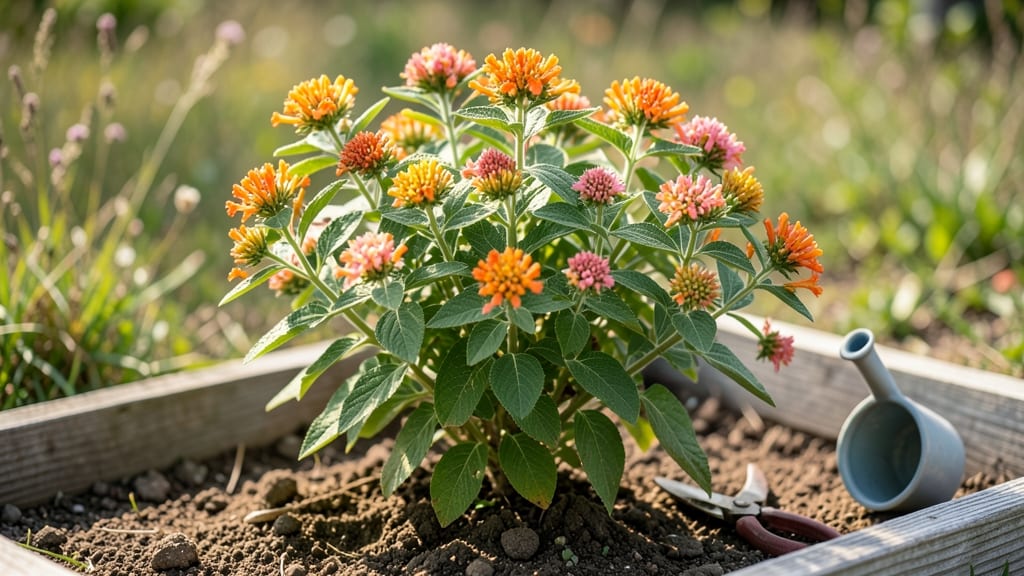
Finding plants that flower all summer without constant fuss changed my garden forever—no more sad gaps between blooms or wilting annuals that call it quits by July. The secret lies in mixing heat-loving perennials with tough annuals that keep producing until frost.
My front yard now bursts with color from June through September, and the best part? These plants handle drought, humidity, and even my occasional forgetfulness.
Start with black-eyed Susans (3-4 feet tall, golden-yellow blooms) and coneflowers (2-3 feet, daisy-like purple) for long-lasting perennials that thrive in full sun. Pair them with zinnia (1-4 feet, rainbow colors) and celosia (1-2 feet, velvety plumes) for annuals that bloom until hard frost.
These combinations create a seamless color show—early bloomers like salvias fade into midseason pentas, which hand off to late-season mums for a garden that never skips a beat.
You’ll end up with a garden that looks like a pro designed it—bold colors that shift with the seasons, textures from spiky coneflowers to fuzzy lamb’s ear, and fragrance from evening-scented four o’clocks.
The best part? These plants attract butterflies, bees, and hummingbirds all summer long, turning your yard into a living, buzzing ecosystem. No more boring green patches or sad wilting—just nonstop beauty that keeps giving.
Works for any style—cottage gardens with wild, romantic drifts or modern landscapes with clean, structured rows. The key is grouping plants by height and bloom time, so tall backbones (like bee balm) support shorter front runners (like sweet alyssum).
Once you see how easy it is to layer blooms, you’ll never buy annuals from the grocery store again.
📚 In This Guide
- What you need
- Instructions
- Tips and common mistakes
- Wrapping up and next steps
What you need
- ● Plants: Choose from these heat-loving, long-blooming varieties (pick 3–5 for a balanced mix): 1–2 Lantana (drought-tolerant, attracts butterflies)
- ● 1–2 Zinnias (self-seeding, vibrant colors)
- ● 1–2 Marigolds (pest-repellent, low-maintenance)
- ● 1 Salvia (drought-resistant, hummingbird magnet)
- ● 1 Pentas (star-shaped flowers, thrives in heat)
- ● Potting Mix: 5–10 gallons of well-draining, organic potting soil (or a 50/50 blend of garden soil + compost).
- ● Containers or Garden Space: For containers: 5–10 pots (10–12" diameter) with drainage holes.
- ● For in-ground: A sunny spot (6+ hours of sunlight) with loose, fertile soil.
- ● Fertilizer: 1–2 applications of balanced, slow-release fertilizer (10-10-10 or organic options like fish emulsion).
- ● Watering Can or Hose: With a gentle spray nozzle (or a drip irrigation kit for efficiency).
- ● Pruning Shears: Sharp, clean pair for deadheading and shaping.
- ● Mulch (2–3 inches of straw or shredded bark) to retain moisture.
- ● Epsom salt (1 tbsp per gallon of water) for magnesium boost (especially for zinnias).
- ● Decorative stones or pebbles for a polished container look.
- ● Stakes or cages for taller varieties (like salvia or pentas).
- ● Garden gloves to protect your hands from thorns (lantana!) or soil.
Step-by-Step guide to selecting and planting heat-loving perennials
Here's how to build a sun-drenched garden that blooms continuously without wilting in the heat.
Choose the Right Heat-Tolerant Varieties
Focus on perennial plants bred for USDA Zones 7-10 that naturally thrive in full sun conditions. Black-eyed Susan (Rudbeckia hirta), coneflower (Echinacea purpurea), and blanket flower (Gaillardia) are my top picks—they self-seed prolifically and return year after year with minimal care. For cottage-style gardens, try lavender (Lavandula angustifolia) or Russian sage (Perovskia atriplicifolia), both of which tolerate drought once established and flower from midsummer through fall.
I always check the mature plant height before selecting—taller varieties like bee balm (Monarda didyma) need the back of the border, while shasta daisies (Leucanthemum × superbum) work beautifully at mid-height. For ground cover, creeping thyme (Thymus serpyllum) and catmint (Nepeta) spread aggressively but never overpower other plants. The key is matching bloom times: plant early bloomers like columbine (Aquilegia) alongside late-season workhorses like sedum (Hylotelephium) to ensure continuous color.
Prepare the Planting Site for Heat and Drought
Clear the area of weeds and loosen the soil to a depth of 12 inches, incorporating 2-3 inches of compost into the top 6 inches. Heat-loving perennials hate soggy roots, so I always amend the soil with sand or perlite to improve drainage—this is especially critical in clay-heavy soils. For containers, use a well-draining potting mix with 50% organic matter and 50% mineral grit. The goal is soil that drains freely but retains enough moisture to prevent wilting between waterings.
Position plants where they'll receive at least 6 hours of direct sunlight daily, but avoid midday sun exposure in extreme heat zones (Zones 9-10). I often use dappled shade from nearby trees to protect tender new growth while still allowing full sun for established plants. Mulch heavily with 2-3 inches of organic mulch (like shredded bark) to conserve moisture and regulate soil temperature—this is non-negotiable in hot climates. The mulch should extend 2-3 inches from the plant stems to prevent rot while keeping roots cool.
Plant and Establish for Continuous Bloom
Dig holes twice as wide as the root ball but no deeper—planting too deep suffocates roots and delays flowering. Gently remove plants from containers and tease apart any circled roots with your fingers before placing them in the hole. Backfill with native soil mixed with a slow-release fertilizer (I use a 10-10-10 blend) to encourage strong root development. Water deeply immediately after planting to eliminate air pockets and settle the soil around the roots.
Here's the thing—deadheading spent blooms is the single most important step for prolonged flowering. I make it a habit to remove faded flowers weekly during peak bloom season, which redirects the plant's energy from seed production to creating new buds. For perennials like coneflower and black-eyed Susan, this encourages a second flush of blooms in late summer. Avoid over-fertilizing during this time—too much nitrogen promotes leafy growth at the expense of flowers. Instead, side-dress with compost tea every 4-6 weeks for a gentle nutrient boost.
Maintain Through the Heat Without Stressing Plants
Water deeply 2-3 times per week during the hottest months, aiming for 1-1.5 inches of water per session. The best way to check moisture is to stick your finger 2 inches into the soil—if it feels dry, water; if it's still damp, wait another day. Early morning watering (before 8 AM) minimizes evaporation and prevents fungal diseases that thrive in humid heat. I use drip irrigation or soaker hoses to deliver water directly to the root zone, reducing leaf wetness and improving efficiency.
Watch for heat stress signs: wilting leaves that don't recover by evening, yellowing foliage, or dropped buds. If you see these, provide light afternoon shade (using shade cloth) for 3-5 days while keeping the soil consistently moist. Prune back overly leggy growth in early summer to encourage bushier, more compact plants that handle heat better. The goal is to keep plants vigorous but not stressed—they'll reward you with nonstop blooms from June through frost.
Tips & tricks for perfect heat-loving perennial gardens
Building a sun-drenched garden that thrives through summer heat requires strategic choices and maintenance—here's how to maximize your blooms.
Variety Selection: When choosing plants like black-eyed Susan or coneflower, prioritize those with self-seeding tendencies—they'll return year after year with minimal effort. For continuous color, I always pair early bloomers like columbine with late-season performers such as sedum. This creates a natural progression where one plant takes over as another finishes, ensuring no gaps in your garden's display. The key is matching bloom times to create that seamless transition.
Soil Preparation: The 12-inch soil depth loosening in Step 2 is critical, but don't overlook the 2-3 inch compost layer in the top 6 inches. This creates the perfect moisture-retaining zone while allowing excess water to drain away. For containers, that 50/50 mix of organic matter and mineral grit is non-negotiable—it mimics the fast-draining yet nutrient-rich conditions these perennials crave in their native habitats. I've found that adding a handful of perlite to clay-heavy soils can work wonders for drainage.
Deadheading Strategy: That weekly deadheading during peak bloom isn't just about looks—it's the secret to extending your garden's performance. When you remove spent blooms, you're essentially telling the plant, "Don't waste energy on seeds, make more flowers!" This redirecting of energy is what creates that second flush of blooms in late summer. I make it a habit to deadhead right after the first morning watering when the flowers are fully open and easy to spot.
Heat Stress Prevention: The 3-5 day afternoon shade recommendation for heat-stressed plants is a game-changer. I've seen gardens go from wilting messes to vibrant displays in just a few days by providing this temporary relief. Use shade cloth rated for 30-50% coverage—it's enough to protect delicate foliage while still allowing some light penetration. Pair this with consistent watering (that 2-inch soil check is your best friend) and you'll keep your perennials thriving even during heatwaves.
Pro Tips for Plants That Flower All Summer
- Building a sun-drenched garden that thrives through summer heat requires strategic choices and maintenance—here's how to maximize your blooms.
- Variety Selection: When choosing plants like black-eyed Susan or coneflower, prioritize those with self-seeding tendencies—they'll return year after year with minimal effort.
- Soil Preparation: The 12-inch soil depth loosening in Step 2 is critical, but don't overlook the 2-3 inch compost layer in the top 6 inches.
Frequently asked questions
Got questions about keeping your garden blooming all summer? You’re not alone!
Here are answers to the most common queries about low-maintenance, heat-loving plants that deliver nonstop color—no green thumb required.
Which plants are the easiest for continuous summer blooms?
Start with zinnia, marigold, or cosmos—they’re drought-tolerant, self-seeding, and thrive in heat. For perennials, try black-eyed Susan or coneflower. All three need minimal deadheading (just snip spent blooms!) to keep flowering.
Do I need to fertilize these plants every week?
Nope! Most summer-blooming annuals and perennials prefer light feeding—once every 4–6 weeks with a balanced fertilizer (10-10-10 or 20-20-20). Over-fertilizing can lead to leafy growth over flowers. Pro tip: Mulch with compost to feed roots slowly!
How often should I water these plants in extreme heat?
Water deeply 2–3 times per week (early morning or evening) during heatwaves. Let soil dry slightly between waterings to prevent root rot. Drought-tolerant picks like lantana or verbena need even less—just 1 inch of water weekly once established.
Can I grow these in containers or just garden beds?
Petunias, geraniums, and bachelor’s buttons thrive in pots with well-draining soil. Use containers at least 12 inches deep, and add a slow-release fertilizer. Just ensure containers get consistent moisture—they dry out faster than garden beds.
What do I do if my flowers stop blooming mid-summer?
Check for overcrowding, pests (like aphids), or underwatering. Prune leggy stems to encourage new growth, and deadhead regularly. If blooms fade fast, your plant might need more sunlight (6+ hours daily) or a light trim to boost airflow.
Are there any edible plants that also flower all summer?
Yes! Try nasturtiums (edible flowers + pest-repellent), basil (with purple blooms), or chive flowers. They’re low-maintenance, heat-resistant, and double as culinary stars. Just avoid spraying pesticides near edible varieties!
Wrapping up and next steps
Transforming your garden into a nonstop summer paradise is easier than you think! With these low-maintenance, heat-loving bloomers, you’ll enjoy vibrant colors and effortless beauty—no green thumb required. 🌸 From drought-resistant Lantana to cheerful Zinnias, these plants prove that summer can be both stunning and stress-free.
Ready to dive in? Start small: Pick 1-2 plants from this list, test your soil, and give them a try! Before you know it, your space will be buzzing with life—and maybe even a few happy pollinators. Happy gardening! 🌿✨