
Flowers
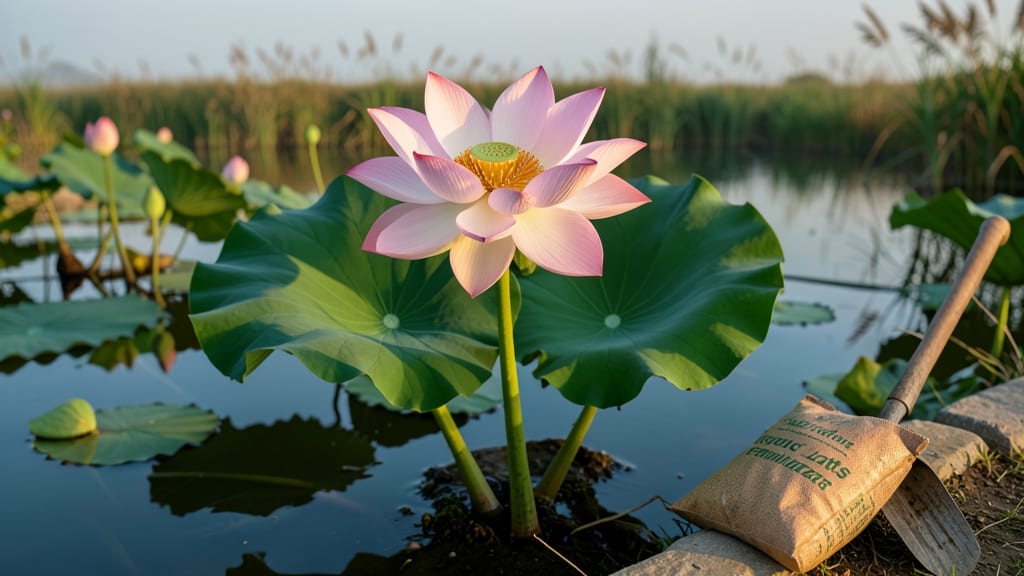
The pink lotus flower transforms any garden into a serene sanctuary with its velvety petals and deep cultural roots. 🌸 I’ve designed ponds where these blooms create a dreamy, almost mystical atmosphere—imagine floating petals at dawn, their soft pink hues reflecting in still water.
The key lies in placement: near water but not submerged, with partial sun to encourage their signature blooms.
Pairing pink lotus with water lilies and irises adds layers of texture, while surrounding them with hostas or ferns keeps the space lush and balanced. They thrive in warm climates but can overwinter in pots if you live in cooler zones—just move them indoors before frost.
The blooms last just a day, but their dramatic presence makes every moment worth it.
This isn’t just about beauty—it’s about symbolism. In many cultures, the lotus represents purity and rebirth, making it perfect for meditation spaces or garden corners meant for reflection.
The scent, though subtle, adds another dimension, especially on humid evenings. With minimal maintenance (just occasional pruning and nutrient-rich soil), they’ll reward you with season-after-season drama.
For best results, plant them in late spring after the last frost, when water temperatures are consistently above 70°F. Combine with floating plants to create depth, and use solar-powered pond lights to highlight their petals at night.
The payoff? A garden that feels like a living painting—and invites you to linger longer.
📚 In This Guide
- What you need
- Instructions
- Tips and common mistakes
- Wrapping up and next steps
What you need
- ● Pink lotus flower seeds or bare-root plants: Choose Nelumbo nucifera or Nelumbo lutea varieties (ensure they’re labeled for your hardiness zone). Quantity: 3–5 plants for a small pond or 10+ for a bold statement.
- ○ Pond or large container: Minimum 24–36 inches deep (lotuses need deep water!). Use a pre-formed pond liner or a fiberglass basin (optional but low-maintenance).
- ● Pond soil or aquatic substrate: 1–2 cubic feet of clay loam or sandy loam (amend with compost for nutrients).
- ● Fertilizer: Slow-release aquatic pellets (e.g., Miracle-Gro Shake ’n Feed for aquatic plants).
- ● Liquid seaweed extract (1 tbsp/month for blooms).
- ● Mulch: 3–4 inches of gravel or pebbles (keeps roots cool and deters algae).
- ● Garden trowel or spade (for planting).
- ● Water testing kit (to monitor pH 6.0–7.5 and nutrients).
- ● Solar-powered fountain or aerator (keeps water oxygenated and discourages stagnation).
- ● Water hose with nozzle (for gentle watering).
- ○ Optional but helpful: Floating plant barriers (to protect young shoots from fish).
- ● Pond dye (to reduce algae and enhance color).
- ● Decorative rocks or driftwood (for aesthetic appeal).
Step-by-step guide to planting and maintaining pink lotus flowers
Here's how to create a stunning tropical display with these elegant aquatic beauties.
🌿 Step 1: Prepare the Perfect Water Environment
Pink lotus flowers thrive in clean, still water with a depth of at least 18-24 inches. I recommend using a large pond or container with a minimum 3-foot diameter to accommodate their sprawling roots. Choose a location that receives 6-8 hours of direct sunlight daily—they simply won't bloom without plenty of warmth.
Before planting, add a layer of 3-4 inches of aquatic soil or pond mud to the bottom of your container. This provides essential nutrients and helps anchor the thick rhizomes. If using a pond, ensure the edges are gently sloped to prevent erosion and allow easy access for maintenance. The water should be 65-85°F—cooler temperatures slow growth significantly.
🌱 Step 2: Plant the Rhizomes Correctly
Pink lotus rhizomes are the heart of your plant, and proper placement determines success. Plant them 3-4 inches below the water's surface, with the growing tip facing upward—this is the small bump you'll see on one end. Space rhizomes 12-18 inches apart to allow room for their massive leaves and flowers to spread.
Here's the thing—don't bury them too deep. If planted too low, the rhizomes may rot before they can access sunlight. I like to use a small mesh bag filled with aquatic soil to weigh down the rhizome while keeping it at the correct depth. The first signs of success will be small shoots breaking through the water's surface in 4-6 weeks.
☀️ Step 3: Provide Consistent Care for Lush Growth
Once planted, pink lotus flowers need minimal maintenance but consistent conditions. The water level should remain stable—never let it drop more than 2 inches below the rhizomes. I add water gradually as needed, using a gentle stream to avoid disturbing the plants. Fertilize lightly every 4-6 weeks during growing season with a low-nitrogen aquatic plant fertilizer.
Watch for yellowing leaves—this usually means too much fertilizer or poor water quality. If you see algae blooms, it's a sign your water isn't getting enough sunlight or needs cleaning. I recommend adding a small fountain or aerator to keep water circulating slightly—this prevents stagnation without disturbing the delicate flowers.
✂️ Step 4: Encourage Blooming and Seasonal Care
The moment you've been waiting for arrives when you see the first flower buds forming. This typically happens in late summer to early fall after the plants have established strong roots. Each bloom lasts 3-5 days, so enjoy them while they last! After flowering, you can trim back any dead leaves or flowers to keep the plant looking tidy.
In winter, pink lotus flowers go dormant in colder climates. If your pond freezes, the rhizomes will survive below the ice, but you'll need to wait until spring to see new growth. In warmer areas, they may continue growing year-round. Here's my pro tip: Add a layer of mulch around the pond edges in fall to protect the rhizomes from temperature fluctuations.
Tips & tricks for perfect pink lotus flower planting
These simple secrets will help you avoid common pitfalls and create a thriving tropical display.
Sunlight Strategy: Those crucial 6-8 hours of direct sunlight are non-negotiable—pink lotus flowers won't bloom without them. If your location gets less sunlight, consider using a grow light for 10-12 hours daily during early growth stages. I've seen dramatic differences when supplementing with LED grow lights in shadier spots. Position the light 12-18 inches above the water surface for even coverage.
Rhizome Placement: The 3-4 inch depth for rhizomes is critical—too shallow and they'll dry out, too deep and they'll rot. I use a simple trick: wrap the rhizome in a small piece of mesh fabric before placing it in the 3-4 inches of aquatic soil. This keeps it stable while allowing water to circulate properly. The growing tip (that little bump) should always face upward—this is nature's way of telling you which way is up!
Water Temperature Watch: Maintaining that 65-85°F range is easier said than done in some climates. In cooler months, I've used a small submersible heater set to 75°F to keep my pond warm enough. If your water gets too cold (<60°F), growth slows dramatically and blooming may not occur. A simple thermometer in your pond will help you monitor temperature changes daily.
Fertilizer Timing: Those 4-6 week intervals between fertilizations are perfect for giving your lotus flowers just enough nutrients without overloading. I use a liquid aquatic fertilizer with a 5-10-5 NPK ratio (low nitrogen) to prevent algae blooms. Always fertilize in the morning so the nutrients have time to absorb before evening. Too much fertilizer causes yellowing leaves—your plant's way of saying "enough!"
Pro Tips for Pink Lotus Flower
- These simple secrets will help you avoid common pitfalls and create a thriving tropical display.
- Sunlight Strategy: Those crucial 6-8 hours of direct sunlight are non-negotiable—pink lotus flowers won't bloom without them.
- Rhizome Placement: The 3-4 inch depth for rhizomes is critical—too shallow and they'll dry out, too deep and they'll rot.
Frequently asked questions
Got questions about cultivating the stunning pink lotus flower?
You’re not alone! Here are answers to the most common queries—from care tips to troubleshooting—so you can grow these tropical beauties with confidence.
How long does it take for a pink lotus flower to bloom?
A pink lotus typically takes 3–5 years to mature from seed and produce its first blooms. Patience is key—these aquatic divas reward long-term care with dramatic, short-lived (but breathtaking) flowers that open for just 6–8 hours daily.
Can pink lotus flowers grow in a pond smaller than 3 feet deep?
Ideally, yes! While they thrive in 3–5 feet of water, some varieties (like Nelumbo nucifera) adapt to shallower ponds if planted in containers with drainage. Just ensure the roots stay submerged year-round and the container is heavy enough to resist floating.
What’s the easiest way to propagate pink lotus flowers?
Propagation is simple: divide rhizomes in early spring! Gently separate healthy sections with 3–4 buds each and replant in nutrient-rich soil. Avoid overcrowding—space them 2–3 feet apart for optimal growth. For seeds, collect mature pods and plant them in shallow water (they germinate slowly!).
Do pink lotus flowers survive winter in cold climates?
Hardy lotuses (like Nelumbo lutea) tolerate temps down to 10°F, but tropical varieties (Nelumbo nucifera) need protection. In freezing zones, drain and store rhizomes in moist peat moss or sand until spring. Alternatively, grow them in containers and overwinter indoors near a sunny window.
Are pink lotus flowers toxic to pets or wildlife?
Generally non-toxic, but all parts of the lotus (especially seeds) can cause mild stomach upset if ingested in large amounts. Keep an eye on curious pets—while rare, symptoms like vomiting or lethargy may appear. For wildlife, lotuses are a safe addition to ponds, attracting pollinators like bees and butterflies!
Pro Tip: Troubleshooting Wilting Blooms
If your lotus blooms droop or close early, check these fixes:
- Water depth: Too shallow? Roots may dry out.
- Sunlight: Needs 6+ hours of direct sun daily.
- Nutrients: Feed with aquatic fertilizer in spring.
- Overcrowding: Space plants 3+ feet apart.
Wrapping up and next steps
The pink lotus flower isn’t just a stunning centerpiece—it’s a symbol of grace, resilience, and tropical allure. Whether you’re drawn to its delicate petals or its ability to thrive in water gardens, this flower promises drama and beauty that will elevate any landscape.
Ready to bring its magic to your garden? Start by planning your design, gathering the right tools, and taking the first step toward creating a breathtaking, serene oasis.
🌸 Next up: Dive into planting tips or explore creative ways to pair the pink lotus with other tropical plants for a showstopping garden! 🌿