
Flowers
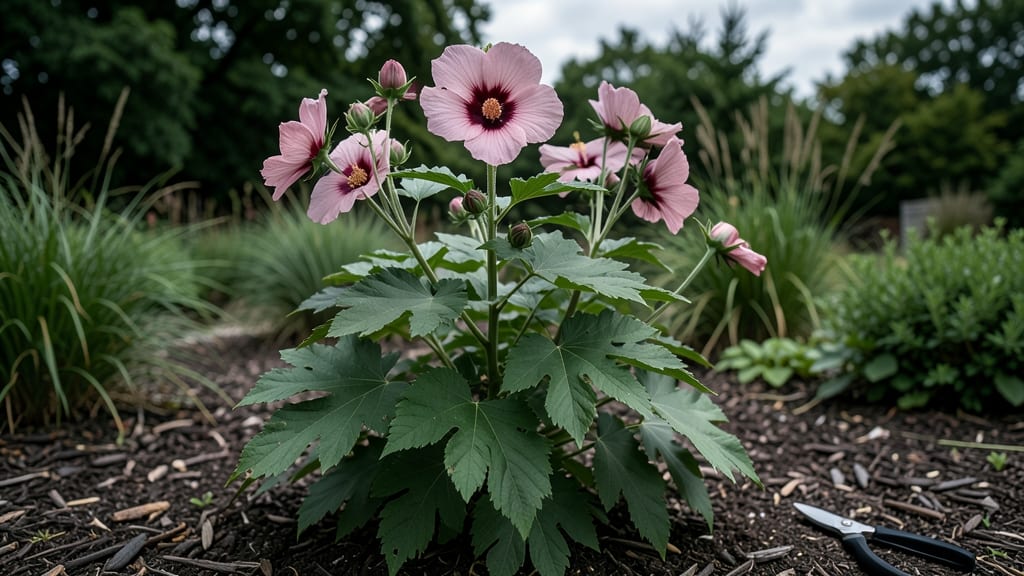
Finding pink flowers that look like roses but stay compact and bloom reliably? My front-yard garden now bursts with dwarf roses, peonies, and hibiscus that mimic the classic rose shape without the fuss.
These plants deliver that same romantic charm in half the space—perfect for small gardens, containers, or even window boxes.
The secret lies in their layered petals and soft pink hues that fool visitors into thinking they're roses. My double-flowered 'Sarah Bernhardt' rose and tree peony create a lush, old-fashioned look, while hibiscus 'Luna Pink' adds tropical drama.
All three thrive in full sun and need minimal deadheading to keep blooming.
You'll end up with a garden that feels like a vintage postcard—velvety petals, fragrant air, and blooms from spring through fall. Pair them with lavender for contrast or let them spill over trellises for a romantic border.
The best part? These plants handle heat and humidity better than many traditional roses.
Whether you're filling a corner bed or dressing up a patio, these rose-like blooms bring the romance without the high-maintenance reputation. Let's design your dream pink garden—one that looks effortless but takes real planning to pull off.
📚 In This Guide
- What you need
- Instructions
- Tips and common mistakes
- Wrapping up and next steps
What you need
- ● Dwarf rose varieties or rose-like flowers: 1–3 plants of Rosa 'Playboy' (compact, pink blooms)
- ● 1–3 plants of Rosa 'Bonica' (disease-resistant, repeat bloomer)
- ● OR rose-like alternatives: 1–3 Hibiscus 'Pink Giant' (tropical vibes, 3–4 ft tall)
- ● 1–3 Spiraea japonica 'Anthony Waterer' (lush pink clusters)
- ● Potting soil or garden bed mix: 1–2 bags (50 lbs each) of well-draining potting mix or native soil amended with compost.
- ● Fertilizer: Balanced 10-10-10 granular fertilizer (1 lb) OR
- ● Slow-release rose-specific tablets (5–10 tablets).
- ● Mulch: 1–2 bags of organic mulch (e.g., shredded bark or pine straw).
- ● Watering can or hose with a gentle spray nozzle.
- ● Garden tools: Trowel or small shovel
- ● Pruning shears (sterilized with rubbing alcohol)
- ○ Gloves (optional but recommended!)
- ● Location: Full sun (6+ hours/day) for roses OR partial shade (3–6 hours) for hibiscus/spirea.
- ● Protected spot from strong winds (especially for dwarf roses).
- ● Containers (if potted): 1–3 10–15 gallon pots with drainage holes.
- ● Epsom salt (1 tbsp/month for extra pink blooms!)
- ● Flower food tablets (for container gardens)
- ● Decorative stakes or obelisks (to support climbing varieties)
- ● Slow-release moisture beads (for drought-prone areas)
How to cultivate compact, rose-like flowers for season-long beauty
These hardy, low-maintenance blooms deliver rose-like elegance without the fuss—ideal for containers, borders, or cottage gardens.
Select the Right Varieties for Your Climate
Choose dwarf or compact varieties that mimic rose form but thrive in your hardiness zone. Knock Out® roses (Zones 4-11) or spirea (Spiraea japonica) like 'Goldflame' or 'Anthony Waterer' offer disease resistance and continuous blooms. For full sun, dwarf hydrangeas like 'Endless Summer' provide lush pink clusters. If shade is your challenge, heuchera (coral bells) with pink-tinged foliage delivers texture and color year-round.
I always check local nursery tags for mature height—under 3 feet ensures they fit containers or small garden spaces without sprawling. Avoid hybrid teas; they demand constant deadheading and can outgrow their intended spot in just one season. Look for labels specifying "compact," "bush," or "miniature" to avoid disappointment.
Prepare the Planting Site with Amended Soil
Test your soil’s drainage—rose-like blooms rot in soggy conditions. Amend heavy clay with 2-3 inches of compost and 1 inch of perlite per hole. For containers, use a well-draining potting mix (never garden soil) to prevent root suffocation. I mix 50% premium potting mix, 30% compost, and 20% perlite for ideal aeration.
Dig holes twice as wide as the root ball but only as deep. The top of the root ball should sit just below soil level—burying too deep suffocates stems, while planting too high leaves roots exposed. Water the hole thoroughly before inserting the plant to eliminate air pockets. Gently press amended soil around the roots, firming lightly to remove gaps.
Plant and Water for Immediate Establishment
Place the plant in the hole, spreading roots outward naturally. Fill the hole with soil, tamping down in 1-inch layers to eliminate air pockets. Water deeply until moisture reaches 6 inches down—this encourages roots to grow downward for stability. Avoid wetting foliage to prevent fungal diseases like powdery mildew, which thrives in damp leaves.
Mulch with 2-3 inches of shredded bark (not wood chips) to retain moisture and regulate soil temperature. Keep mulch 2 inches away from the stem to prevent rot. Water every 2-3 days for the first 2 weeks, then taper to once a week once new growth appears. You’ll know establishment is successful when new leaves emerge within 3-4 weeks—this signals roots have anchored.
Provide Light and Fertilizer for Continuous Blooms
Most rose-like blooms need full sun (6+ hours daily) for vibrant color. If your garden has partial shade, spirea or heuchera will tolerate 4-6 hours of sun but may bloom less prolifically. Use a balanced, slow-release fertilizer (10-10-10) at planting, then apply every 6-8 weeks during the growing season. Over-fertilizing leads to lush foliage but fewer flowers—stick to the recommended dose.
Deadhead spent blooms weekly to encourage repeat flowering. For Knock Out® roses, this means snipping off the entire spent bloom cluster down to the first set of healthy leaves. For spirea, prune back 1/3 of the oldest stems in early spring to promote new growth. Watch for buds forming at leaf junctions—these are your signal that pruning is working.
Winterize for Year-Round Performance
In Zones 5-7, protect tender varieties like dwarf hydrangeas with 2-3 inches of mulch after the first frost. For Knock Out® roses, mound soil 4-6 inches high around the base to insulate roots. In Zones 8-11, no special care is needed—these varieties handle mild winters with ease. Prune lightly in late winter (before buds swell) to remove dead wood and shape the plant.
Resist the urge to prune in fall—new growth won’t harden off before winter, making plants vulnerable to cold damage. Instead, focus on removing diseased foliage and cleaning up debris to prevent pests from overwintering. By spring, you’ll see fresh green shoots within 2-3 weeks of the last frost—proof that your plants survived and are ready to bloom again.
Tips & tricks for perfect dwarf rose-like blooms
Here's what nobody tells you about keeping these compact beauties thriving season after season.
Variety Selection: When choosing your dwarf rose-like plants, prioritize disease-resistant varieties like Knock Out® roses or spirea—these are bred to handle common garden pests without constant intervention. I’ve found that heuchera varieties with pink foliage add unexpected texture and color even when not in bloom, making them a great companion plant. Always verify mature height on the tag; some "compact" varieties can still reach 4-5 feet if given room to sprawl.
Soil Preparation: The 50-30-20 mix of premium potting soil, compost, and perlite I recommend creates ideal aeration, but don’t skip the drainage test first. Poke a hole in your garden soil—if water pools after 10 minutes, you absolutely need to amend. For containers, elevate pots with feet to prevent waterlogging from below. The key is replicating the loose, well-draining conditions these plants crave in their native habitats.
Watering Strategy: Those first two weeks of frequent watering are critical—don’t let the soil dry out completely between waterings. I use a moisture meter to check 2 inches down; if it’s dry, water again. The goal is to encourage deep root growth, not shallow surface roots. Once established, let the top inch dry between waterings to prevent fungal issues. Mulching with shredded bark (not wood chips) helps maintain even moisture without smothering the stems.
Winter Care: In Zones 5-7, the 2-3 inches of mulch after frost protects tender varieties, but timing matters. Apply it after the ground freezes to prevent late-season warmth from encouraging new growth that won’t survive. For Knock Out® roses, the soil mound acts like a natural blanket—just be sure to remove it in early spring before new shoots emerge. In Zones 8-11, focus on cleanup instead; removing diseased foliage prevents overwintering pests from becoming next year’s problems.
Pro Tips for Pink Flower Looks Like Rose
- Here's what nobody tells you about keeping these compact beauties thriving season after season.
- Variety Selection: When choosing your dwarf rose-like plants, prioritize disease-resistant varieties like Knock Out® roses or spirea—these are bred to handle common garden pests without constant intervention.
- Soil Preparation: The 50-30-20 mix of premium potting soil, compost, and perlite I recommend creates ideal aeration, but don’t skip the drainage test first.
Frequently asked questions
Got questions about those stunning pink blooms that mimic roses? You’re not alone! Here are some of the most common queries—and their easy answers—to help you grow (or spot) these beauties with confidence.
What are the easiest pink flowers that look like roses for beginners?
If you’re new to gardening, try spray roses (like ‘Playboy’ or ‘Double Delight’) or hibiscus varieties like ‘Dwarf Red’ (some pink cultivars exist). Carnations (e.g., ‘Pink Beauty’) and statice (e.g., ‘Pink Crystal’) are also low-maintenance and rose-like! Start with these for foolproof results.
How long does it take for pink rose-like flowers to bloom after planting?
Timing depends on the plant! Dwarf roses (like ‘Fairy’ or ‘Bonica’) typically bloom 6–8 weeks after planting, while hibiscus or carnations may take 8–12 weeks. For instant color, opt for annuals like zinnia or celosia—they bloom in 4–6 weeks! Check seed packets for specific varieties.
Can I grow pink rose-like flowers in pots? What’s the best setup?
Dwarf roses, miniature geraniums (like ‘Rozanne’), and bachelor’s buttons thrive in containers. Use a 5–10 gallon pot with drainage holes, well-draining soil, and a sunny spot (6+ hours/day). For roses, add a time-release fertilizer every 4–6 weeks. Pro tip: Rotate pots weekly for even growth!
Why does my pink rose-like flower look more like a bud than a bloom?
Bud-bound blooms are usually due to lack of sunlight, overcrowding, or nutrient deficiencies. Move your plant to a sunnier spot (most “rose-like” flowers need full sun) and prune nearby foliage to improve airflow. For roses, use a balanced fertilizer (10-10-10) monthly. If buds drop, check for pests (like aphids) or underwatering.
Are there pink rose-like flowers that smell amazing?
Yes! Double-flowering roses (like ‘Julia Child’ or ‘Knock Out’ roses) pack a fragrant punch. For non-rose options, try pink gardenias (heavily scented), jasmine (star-shaped blooms), or mock orange (Philadelphus ‘Minnesota Snowflake’ has pink varieties). Plant these near patios or windows to enjoy their aroma!
What’s a great alternative if I can’t grow roses?
If roses are tricky, try these low-maintenance, rose-like picks:
- Hydrangeas (e.g., ‘Endless Summer’ in pink)
- Peonies (lush, romantic blooms; plant once, enjoy for years!)
- Lantana (drought-tolerant, butterfly magnet)
- Dahlia (pink ‘Café au Lait’ mimics rose petals)
Wrapping up and next steps
Discovering pink flowers that resemble roses is a game-changer for gardeners and plant lovers alike!
Whether you're drawn to the delicate charm of Hellebores or the bold elegance of Kniphofia, these dwarf rose-like blooms bring year-round color and effortless beauty to your space. 🌸 With the right care and a little creativity, you can transform any corner into a romantic, rose-inspired haven.
Ready to dive in? Start by choosing the perfect variety for your climate and space, then gather your supplies and get planting! Your dream garden is just one bloom away—happy gardening! 🌱