
Flowers
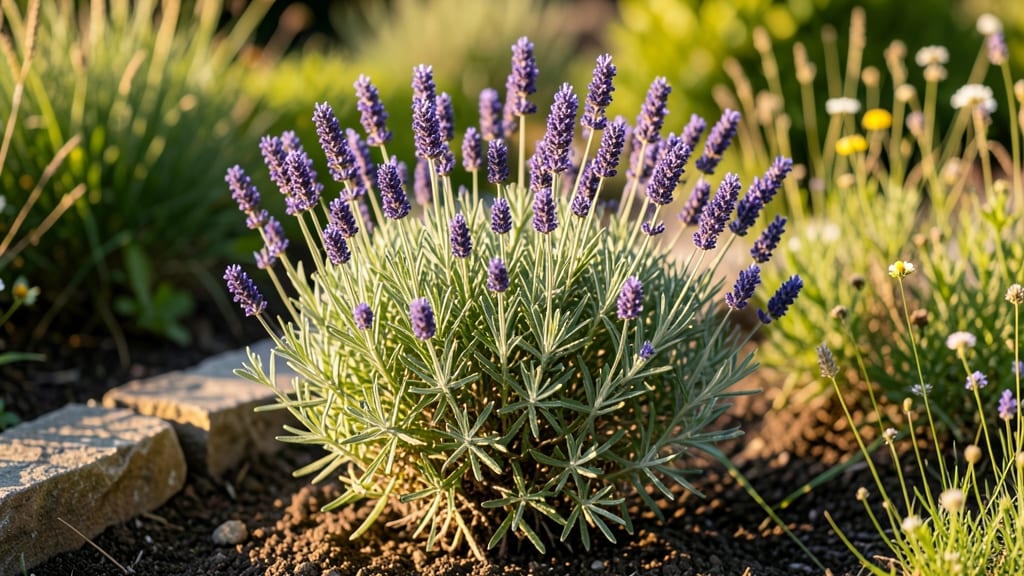
Heat-tolerant perennials are the secret to a garden that never wilts. 🌿 I’ve learned the hard way that most flowers fold under summer’s glare—but these sun-loving stars keep blooming through triple-digit days. The key lies in choosing the right varieties and giving them just enough water to survive, not drown.
Lantana, Black-Eyed Susans, and Coneflowers top my list for their drought-defying roots and long bloom seasons. These perennials thrive in full sun with minimal fuss, turning scorching afternoons into bursts of color. The trick? Well-draining soil and watering only when the top inch feels dry—no soggy roots here.
You’ll end up with a garden that stays vibrant even when neighbors’ plants look crispy. These flowers attract pollinators year-round, resist pests naturally, and come back stronger every spring. Plus, they cut back on summer maintenance—just a little pruning to keep them tidy.
Works in zones 7 through 11, from deserts to humid southern climates. Let’s pick the perfect heat-proof blooms for your space—no more wilting under the sun.
📚 In This Guide
- What you need
- Instructions
- Tips and common mistakes
- Wrapping up and next steps
What you need
- ● Heat-tolerant perennial plants: Choose from proven varieties like Lantana, Black-Eyed Susan, Coneflower (Echinacea), Blanket Flower (Gaillardia), or Russian Sage (3–5 plants per variety for a balanced look).
- ● Well-draining potting mix: 5–10 gallons (depending on pot size) or 1 cubic yard for in-ground planting. Opt for a mix with perlite or sand (20–30% by volume) to improve aeration.
- ● Organic mulch: 2–3 inches of shredded bark, straw, or pine needles to retain moisture and regulate soil temperature.
- ● Slow-release fertilizer: A balanced 10-10-10 or 5-10-10 formula (1–2 lbs per 100 sq ft) to support root growth without burning plants.
- ● Garden trowel or transplant spade (for digging holes 2x wider than the root ball).
- ● Watering can or hose with a gentle spray nozzle (or a drip irrigation system for efficiency).
- ● Pruning shears (for deadheading and shaping—sterilize with rubbing alcohol between cuts!).
- ● Gloves (gardening or work gloves to protect your hands).
- ○ pH testing kit (optional but helpful—aim for 6.0–7.0 for most perennials).
- ● Sunny location: 6+ hours of direct sunlight daily (partial shade may work for some varieties like Russian Sage).
- ● Water source nearby: Ensure easy access for deep watering 1–2x per week (adjust for extreme heat).
- ● Weather check: Avoid planting during heatwaves (above 90°F/32°C)—opt for early spring or fall for best results.
How to establish a thriving heat-tolerant perennial garden
Here's the straightforward approach I've used to keep perennials blooming beautifully even through summer's fiercest heat.
🪴 Step 1: Choose the Right Location and Soil
Select a spot that gets at least 6 hours of direct sun daily—most heat-tolerant perennials need full sun to perform their best. Avoid low-lying areas where heat can pool, and choose a site with good air circulation to prevent fungal issues. I always test the soil first by digging a 6-inch deep hole and checking drainage—if water pools after 30 minutes, amend with 1-2 inches of coarse sand or perlite.
For soil prep, mix in 2-3 inches of compost to improve fertility and moisture retention without making the soil too heavy. Heat-loving perennials like black-eyed Susans and coneflowers thrive in well-draining soil that warms up quickly in spring. Amend clay soil with 1 part compost to 2 parts native soil to create the ideal balance. The soil should feel slightly damp but not soggy when you squeeze it—this is your baseline moisture level for healthy roots.
🌱 Step 2: Select and Plant Heat-Tolerant Varieties
Focus on perennials known for their heat resilience, like purple coneflower, Russian sage, black-eyed Susan, or salvia. These plants have deep root systems that access moisture and thrive in temperatures up to 95°F. Plant in early spring or late fall when soil temperatures are cooler—this gives roots time to establish before summer's peak heat.
Dig holes twice as wide as the root ball but only as deep as the container. Place each plant so the top of the root ball sits ½ inch below soil level—this helps prevent the crown from drying out. Backfill with native soil mixed with a handful of compost, then water deeply to settle everything. Mulch with 2-3 inches of organic mulch (like shredded bark) to keep roots cool and retain moisture—just keep it 2 inches away from plant stems to avoid rot.
☀️ Step 3: Water Deeply and Strategically
Water in the early morning to let foliage dry before evening, which reduces fungal risks. Aim for 1-1.5 inches of water per week, delivered deeply rather than lightly. Heat-tolerant perennials develop deep roots when watered this way, making them more drought-resistant over time. You'll know you're watering correctly when the soil feels moist 6 inches down—use a screwdriver to check.
During extreme heat waves (above 90°F), increase watering to 2 inches per week and water in the evening instead. Avoid overhead sprinklers—they waste water and encourage disease. Instead, use soaker hoses or drip irrigation to deliver water directly to the root zone. Watch for wilting leaves; if they recover by midday, your plants are fine. If they stay wilted, they need more water immediately.
✂️ Step 4: Prune and Maintain for Long-Term Health
Deadhead spent blooms regularly to encourage more flowers and prevent seed production, which drains energy. Cut back 1/3 of the plant height in early spring to promote bushier growth. I always use clean, sharp shears to avoid tearing stems, and I sterilize them with rubbing alcohol between cuts to prevent disease spread.
Fertilize lightly in early spring with a balanced, slow-release fertilizer (10-10-10) to support new growth. Avoid high-nitrogen fertilizers—they encourage leafy growth at the expense of flowers. Heat-tolerant perennials generally need minimal fertilizer once established, but a light feeding in spring keeps them vigorous. After fertilizing, water deeply to help nutrients penetrate the soil.
💧 Step 5: Monitor and Adjust for Seasonal Changes
Keep an eye on your plants throughout the season—heat stress often shows up as yellowing leaves or stunted growth. If you notice these signs, increase watering slightly and provide afternoon shade with a lightweight shade cloth if temperatures exceed 100°F. Most heat-tolerant perennials can handle brief shade during peak heat, but they still need at least 4 hours of direct sun daily.
In late summer, reduce watering gradually to prepare plants for dormancy. Mulch helps regulate soil temperature, so add another 1 inch layer if it looks thin. By fall, your perennials should look healthy and well-established, ready to bloom again next year with minimal care. The key is consistency—once you establish a routine, these plants will reward you with years of low-maintenance beauty.
Tips & tricks for perfect heat-tolerant perennial gardens
Here's what nobody tells you about keeping these sun-lovers thriving through summer's toughest stretches.
Sunlight Strategy: That 6-hour minimum of direct sun is non-negotiable for heat-tolerant perennials, but watch for midday intensity. If your garden gets 95°F+ afternoons, consider planting taller varieties like Russian sage on the north side of shorter plants. This creates natural shade for smaller perennials while still allowing all plants to get their required sunlight. The key is positioning—think vertical layering rather than flat spacing.
Soil Test Secret: When you're checking that 30-minute drainage test, go one step further: press the soil between your fingers after removing it. If it crumbles easily, you're good. If it sticks together like wet clay, add more sand or perlite. I've seen gardens fail because the soil was "draining" but still too compacted—this simple squeeze test reveals the difference between proper and problematic soil structure.
Mulching Mastery: The 2-3 inches of organic mulch is your best defense against heat stress. But here's the trick: refresh it every spring. Over time, mulch breaks down and loses its insulating power. I top-dress with 1 inch of fresh shredded bark in early spring, keeping it 2 inches away from stems to prevent rot. This creates a cooler microclimate at the soil level where roots thrive, even when surface temps hit 100°F.
Watering Wisdom: Your 1-1.5 inches weekly guideline works perfectly, but timing matters more than quantity. I've seen gardens drown because people watered at night—this creates fungal conditions. Instead, water deeply in the early morning and let the soil dry between waterings. For extreme heat (above 90°F), switch to evening watering only when necessary, but always avoid wetting leaves to prevent disease. A simple rain gauge helps track your weekly total accurately.
Pro Tips for Perennial Flowers Heat Tolerant
- Here's what nobody tells you about keeping these sun-lovers thriving through summer's toughest stretches.
- Sunlight Strategy: That 6-hour minimum of direct sun is non-negotiable for heat-tolerant perennials, but watch for midday intensity.
- Soil Test Secret: When you're checking that 30-minute drainage test, go one step further: press the soil between your fingers after removing it.
Frequently asked questions
Got questions about keeping your perennial flowers blooming despite the heat? You’re in the right place! Here are answers to the most common concerns gardeners face when growing heat-tolerant perennials.
What are the best heat-tolerant perennials for full-sun gardens?
Top picks include Lantana, Black-Eyed Susan, Coneflower, Salvia, and Daylily. These thrive in 6+ hours of direct sun and handle temperatures up to 95°F+ with ease. For drought-prone areas, opt for succulents like Sedum or Agave.
How do I know if my heat-tolerant perennials are getting enough water?
Check soil moisture 1–2 inches deep—if it’s dry, it’s time to water. Deep watering 2–3 times per week (early morning) beats frequent shallow watering. Wilting leaves or yellowing signal thirst, but avoid soggy roots—mulch helps retain moisture.
When is the best time to plant heat-tolerant perennials?
Plant in early spring or late summer (after the last frost, before peak heat). Fall planting also works in mild climates—roots establish before winter. Avoid mid-summer heatwaves; young plants struggle to adapt quickly.
Can I grow heat-tolerant perennials in containers?
Use well-draining pots with fast-draining soil (add perlite or sand). Choose compact varieties like Dwarf Lantana or Miniature Coneflowers. Water daily in containers—they dry out faster than in-ground plants.
What should I do if my perennials look stressed in extreme heat?
Trim wilting or brown foliage to redirect energy. Shade cloth (30–50%) can protect delicate blooms during heatwaves. Avoid fertilizing—focus on water and mulch instead. Most perennials bounce back once temps drop!
Wrapping up and next steps
Choosing heat-tolerant perennials is a game-changer for gardeners in sunny climates—it means vibrant blooms with less fuss! 🌞 From drought-resistant coneflowers to sun-loving lavender, these plants prove that beauty and resilience go hand in hand.
Whether you’re a seasoned gardener or just starting, your yard (or balcony!) can burst with color year after year.
Ready to transform your space? Start small: pick 1-2 varieties, test them in your soil, and watch them thrive. Before you know it, your garden will be the talk of the neighborhood—and your favorite summer retreat! 🌸