
Flowers
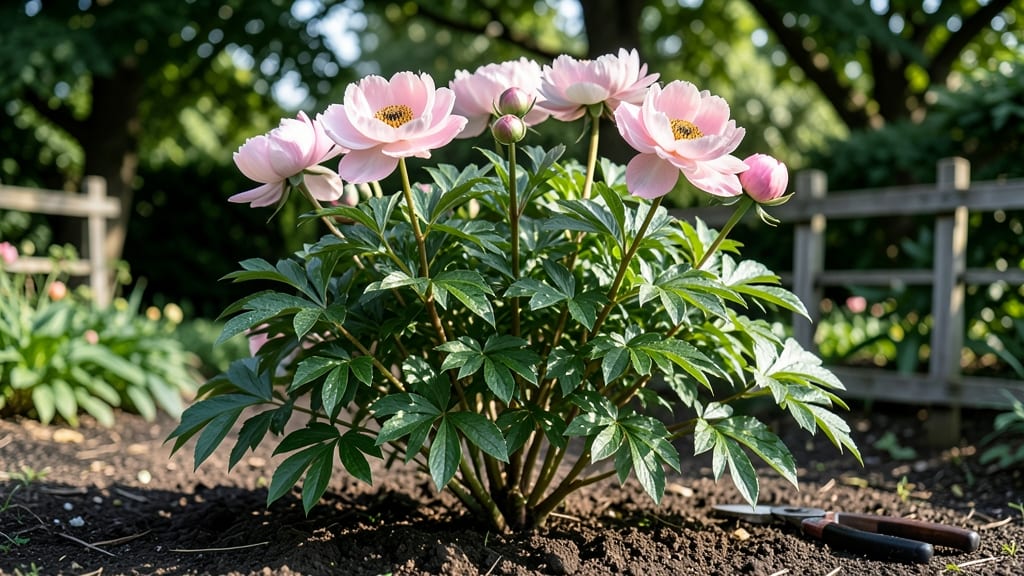
Houston’s steamy climate might make the peony flowers seem like a lost cause—but with a few clever tricks, I’ve kept them blooming beautifully for five years. The secret isn’t avoiding heat; it’s matching the right varieties to Houston’s climate and giving them the right conditions to handle it.
Start with herbaceous peonies like Paeonia lactiflora ‘Sarah Bernhardt’ or tree peonies like Paeonia suffruticosa ‘Duchesse de Nemours,’ both of which tolerate our summers better than delicate hybrids. Plant in late fall or early winter when soil temps drop below 60°F—this gives roots time to establish before the heat hits.
Amend Houston’s heavy clay with compost and plant in full sun with afternoon shade to prevent scorching.
Water deeply once a week after establishment (more in summer), and mulch with 3–4 inches of organic mulch to keep roots cool. Watch for bud blast (a fungal issue in humidity) and peony leaf blight—both common here—by spacing plants for airflow and avoiding overhead watering.
With these adjustments, you’ll get lush, repeat-blooming flowers from spring through early summer, even in Houston’s heat.
Bonus: These same techniques work for peonies in Zone 8b–9a, including nearby areas like Sugar Land or Katy. For Houston-specific resources, check the Texas A&M AgriLife Extension for local soil tests and pest alerts. Ready to grow peonies that outlast the heat?
📚 In This Guide
- What you need
- Instructions
- Tips and common mistakes
- Wrapping up and next steps
What you need
- ● Peony plants: 3–5 bare-root or container-grown peonies (choose Paeonia lactiflora varieties like ‘Sarah Bernhardt’ or ‘Bowl of Beauty’ for Houston’s climate).
- ● High-quality garden soil: 2–3 cubic yards (or amend existing soil with 3–4 inches of compost).
- ● Organic mulch: 2–3 inches of shredded bark or pine straw to retain moisture and regulate temperature.
- ● Slow-release fertilizer: 10-10-10 or a peony-specific blend (apply at planting and again in early spring).
- ● Garden stakes or cages: 4–6 stakes (6–8 inches tall) or 1–2 peony cages per plant for support.
- ● Drip irrigation or soaker hose: 50–100 feet (depending on bed size) to ensure deep, consistent watering.
- ● Garden trowel or spade: For digging planting holes (12–18 inches deep and wide).
- ● Pruning shears: Sharp, sterilized shears for minimal post-bloom trimming (avoid heavy pruning!).
- ● Gloves and knee pads: For comfort during planting and maintenance.
- ○ pH test kit (optional): To ensure soil pH is between 6.5–7.5 (peonies thrive in slightly acidic to neutral soil).
- ● Houston-specific prep: Choose a sunny, sheltered spot (6+ hours of sunlight daily) with well-draining soil to avoid humidity-related rot.
How to establish peonies in Houston’s climate for season-long blooms
Houston’s heat and humidity demand a strategic approach—here’s how to plant peonies for reliable, low-maintenance color.
🌱 Step 1: Choose the Right Location and Planting Time
Peonies thrive in Houston’s USDA Zone 8b-9a when planted in late fall or early winter (November through January). This timing lets roots establish before summer’s heat arrives. Select a spot with 6+ hours of morning sun—afternoon shade protects blooms from wilting in Houston’s intense summer heat.
Dig a hole twice as wide as the root ball but only 2 inches deeper than the top of the roots. Peonies hate being buried too deep, which can rot the crown. Mix the excavated soil with 1 cup of bone meal (from your supplies) to encourage strong root development. The bone meal’s phosphorus boosts early root growth, helping peonies withstand Houston’s summer humidity.
☀️ Step 2: Position for Optimal Airflow and Sunlight Balance
Space peonies 3-4 feet apart to allow airflow—this prevents fungal diseases like botrytis, which thrive in Houston’s damp summers. I like to plant them in slightly raised beds (6 inches high) to improve drainage, especially after heavy spring rains. The elevated position reduces waterlogging, which can suffocate roots.
Here’s the thing—peony stems grow tall and heavy, so stake them before buds swell in early spring. Use 3-foot bamboo stakes driven 2 inches into the soil beside each plant. Tie stems loosely with soft garden twine to prevent breakage from Houston’s occasional summer storms. The stakes should support the blooms without constricting growth.
💧 Step 3: Water Deeply and Mulch for Houston’s Heat
After planting, water deeply once a week for the first 3 months to encourage root spread. You’ll know it’s enough when water drains 6 inches below the surface. Overwatering in Houston’s heat leads to root rot, so always check soil moisture—it should feel dry 2 inches down before watering again.
Spread 3 inches of mulch (like shredded hardwood bark) around each plant, keeping it 6 inches away from the crown. This mulch layer insulates roots from Houston’s scorching summer temperatures while retaining moisture. Replenish mulch annually in late winter to maintain protection through the next growing season.
✂️ Step 4: Prune Strategically for Houston’s Growing Season
Houston’s mild winters mean peonies stay dormant longer—never prune until after the first true leaves emerge in late winter. Cut back dead foliage in early spring (February) to 1 inch above the ground, but leave healthy stems until they yellow naturally. This timing prevents accidental removal of new growth.
After blooms fade in late spring, trim stems to ground level but never cut into the woody base. This prevents disease entry points. I’ve seen peonies in Houston rebloom if given consistent afternoon shade during peak summer heat—just reduce watering slightly once buds form to encourage stronger stems.
🪴 Step 5: Fertilize and Divide for Long-Term Houston Success
Apply a balanced 10-10-10 fertilizer in early spring (February) when new growth appears, using 1 tablespoon per plant. Peonies in Houston’s heavy clay soil benefit from this annual boost to compensate for nutrient leaching during summer rains. Avoid high-nitrogen fertilizers—they produce lush foliage at the expense of blooms.
Divide peony clumps every 5-7 years in early fall (September-October) when foliage yellows. Dig up the plant, separate crowns with 3-5 eyes each, and replant immediately. Houston’s heat accelerates clump growth, so division prevents overcrowding and ensures vibrant blooms for decades. Discard any crowns that appear mushy or discolored—they’ll rot in Houston’s humidity.
Tips & tricks for perfect peony establishment in Houston's climate
Houston’s unique growing conditions demand a tailored approach—here’s how to ensure your peonies thrive with minimal fuss.
Root Depth Matters: In Step 1, burying peonies only 2 inches deeper than the root crown prevents crown rot, which is especially critical in Houston’s humid summers. If you accidentally bury them deeper, don’t panic—just dig up and replant correctly. The crown should sit just above the soil line, like a small hillock, to prevent water pooling around the base.
Staking Strategy: When staking in Step 2, place your 3-foot bamboo stakes at a 45-degree angle rather than straight up. This provides better support against Houston’s summer storms while allowing airflow around the stems. I’ve seen peonies snap when stakes are vertical—the angled approach mimics natural wind resistance. Secure with soft twine, but not too tight—you want to guide, not strangle, the growth.
Mulch Placement Precision: The 3-inch mulch layer in Step 3 should form a donut shape around your plants, 6 inches away from the crown. This creates a microclimate that retains moisture while preventing fungal issues. In Houston’s heat, mulch breaks down faster—check it annually in late winter and replenish to maintain that protective barrier. Avoid piling mulch against the stems, as this can trap moisture and invite rot.
Fertilizer Timing: That 1 tablespoon of 10-10-10 fertilizer in Step 5 should be applied when you see 2-3 inches of new growth in February. This timing ensures the fertilizer supports bloom development rather than leafy foliage. For Houston’s heavy clay soil, consider mixing the fertilizer with 1 inch of compost—this improves soil structure while providing nutrients. Avoid fertilizing in summer, as peonies go semi-dormant and won’t benefit from extra nutrients.
Pro Tips for Peony Flowers Houston
- Houston’s unique growing conditions demand a tailored approach—here’s how to ensure your peonies thrive with minimal fuss.
- Root Depth Matters: In Step 1, burying peonies only 2 inches deeper than the root crown prevents crown rot, which is especially critical in Houston’s humid summers.
- Staking Strategy: When staking in Step 2, place your 3-foot bamboo stakes at a 45-degree angle rather than straight up.
Frequently asked questions
Got questions about growing peony flowers in Houston? You’re in the right place! Whether you’re a first-time gardener or a seasoned green thumb, these answers will help you cultivate stunning blooms with ease.
When is the best time to plant peonies in Houston’s climate?
Plant peonies in late fall or early winter (November–January) when temperatures are cool but not freezing. Houston’s mild winters create ideal conditions for root establishment. Avoid spring planting—peonies need time to settle before summer heat arrives. Pro tip: Choose a cloudy day to reduce transplant shock!
How often do peonies bloom, and when should I expect flowers in Houston?
Peonies typically bloom once per year in late spring (April–May) in Houston, though some varieties may rebloom lightly in fall. With proper care, they’ll reward you with lush, long-lasting blooms for 7–10 days. Fun fact: Herbal peonies often produce more consistent second flushes!
Do peonies need much pruning, and how do I maintain them with minimal effort?
Peonies are low-maintenance! Cut back dead or brown foliage in late fall or early spring (after blooming) to encourage new growth. Avoid heavy pruning—just trim to 1–2 inches above the ground. Houston hack: Mulch around the base to retain moisture and deter weeds, saving you time!
Can I grow peonies in containers, or do they need to be planted in the ground?
While peonies thrive in the ground, you can grow them in large containers (at least 18–24 inches deep) with well-draining soil. Use a mix of garden soil, compost, and perlite to mimic Houston’s clay-heavy native soil. Warning: Containers dry out faster—water consistently during our hot summers!
What pests or diseases should I watch for with peonies in Houston?
Houston’s humidity can attract aphids, spider mites, or botrytis blight. Inspect leaves regularly for yellowing, spots, or sticky residue. Treat aphids with neem oil and ensure good airflow by spacing plants 2–3 feet apart. Prevention tip: Avoid overhead watering to keep foliage dry!
Are there peony varieties that do well in Houston’s heat and humidity?
Yes! Opt for heat-tolerant varieties like Sarah Bernhardt (pink, fragrant) or Bowl of Beauty (deep red). These thrive in Houston’s climate. For reblooming potential, try Krinkled White or Coral Charm. Local tip: Check with Houston’s Native Plant Society for region-specific recommendations!
Wrapping up and next steps
Peony flowers in Houston bring timeless elegance and low-maintenance joy to any garden—whether you’re a seasoned gardener or a beginner. 🌸 With their vibrant blooms and minimal pruning needs, they’re the perfect way to add year-round charm without the hassle.
Now that you’re armed with the right tips, take the next step: visit a local nursery, pick your favorite variety, and let Houston’s climate help you cultivate a stunning, effortless display!