
Transplanting
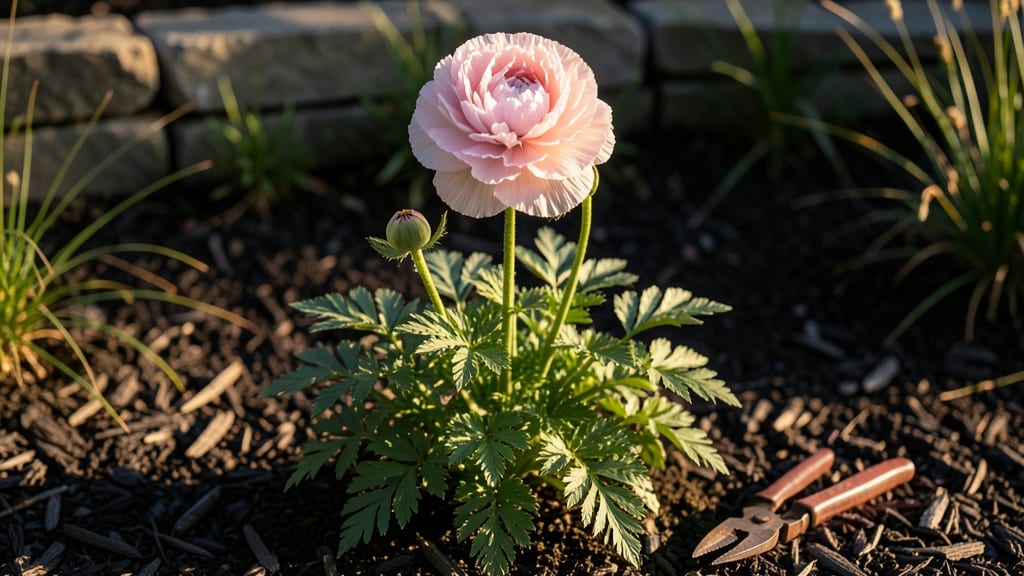
Growing peony flowered poppies unlocks those dreamy, cloud-like blooms that last from spring through fall—if you master just three strategic trims. 🌸 I’ve grown these delicate beauties for years, and the secret isn’t complicated: it’s about timing, soil, and a little patience.
These poppies thrive where many perennials fail, but only if you give them the right conditions.
Their love for cool roots and rich soil makes them surprisingly low-maintenance once established. You’ll need well-draining soil mixed with compost, partial shade in hot climates, and consistent moisture—but not soggy roots.
Most gardeners overwater, which leads to those dreaded floppy stems. I’ve found that mulching keeps the roots cool and hydrated without the fuss.
By mid-summer, you’ll see those iconic blue or white flowers popping up like clockwork, and with the right trimming schedule, they’ll keep blooming until frost. The key is cutting back spent blooms early, thinning crowded stems in spring, and giving them a hard prune in fall.
It’s the difference between a single flush of flowers and a garden that looks like a watercolor painting all season.
Works in zones 5-9, though they appreciate some summer shade in hotter regions. Even beginners can nail this—just follow the three-trims rule, and you’ll have poppies that outperform most perennials. Let’s get those roots in the ground!
📚 In This Guide
- What you need
- Instructions
- Tips and common mistakes
- Wrapping up and next steps
What you need
- ● Peony Flowered Poppy Seeds or Plants: Seeds: 50–100 seeds (for sowing directly) or 3–5 plants (for transplanting). Opt for Papaver commutatum varieties like 'Peony Poppy' or 'Scarlet Poppy' for vibrant blooms.
- ● Plants: 3–6 mature plants (1–2 years old) for immediate blooms.
- ● Well-Draining Soil Mix: 50% garden soil (or potting mix)
- ● 30% perlite or coarse sand (for aeration)
- ● 20% compost or aged manure (for nutrients)
- ● Containers or Garden Bed: For containers: 6–8" diameter pots (1 per plant) with drainage holes.
- ● For garden beds: Full sun (6+ hours/day) and loose, rocky soil (mimics native habitats).
- ● Watering Can or Hose: With a gentle spray nozzle (poppies hate soggy roots!).
- ○ Fertilizer (Optional but Helpful): Balanced, low-nitrogen fertilizer (e.g., 10-10-10) or bone meal (for phosphorus).
- ● Apply sparingly—poppies prefer lean soil!
- ● Garden Gloves (to protect hands from prickly stems).
- ● Hand Trowel or Transplant Spade (for digging and dividing).
- ● Pruning Shears (sharp, clean pair for trimming blooms).
- ○ Mulch (Optional): Gravel or pebbles (to retain moisture and deter weeds).
- ● Sunlight & Patience: Poppies thrive in full sun and may take 1–2 years to bloom from seed.
Step-by-Step guide to cultivating peony flowered poppies
Here’s how to coax vibrant, long-lasting blooms from these delicate perennials—no fancy tricks, just smart timing.
🌱 Step 1: Plant Seeds or Transplants at the Right Time
Peony flowered poppies thrive when planted in early fall or late winter, giving roots time to establish before active growth. If using seeds, sow them ¼ inch deep in well-draining soil—these beauties dislike soggy roots. I like to plant them in full sun spots (at least 6 hours daily) where they’ll get consistent warmth.
For transplants, dig holes twice as wide as the root ball but no deeper—burying too deep can rot the crown. Space plants 18-24 inches apart to allow airflow and prevent fungal issues. Water deeply after planting to settle the soil, but avoid overwatering—poppies hate wet feet.
☀️ Step 2: Maintain Consistent Sun and Water
Once established, these poppies need full sun to bloom their best. If your garden gets afternoon shade, they’ll still flower but may produce fewer blooms. I check soil moisture weekly—water when the top 2 inches feel dry. Overwatering is the #1 killer, so let the soil dry slightly between waterings.
Mulch around the base with 2-3 inches of organic mulch (like shredded bark) to retain moisture and suppress weeds. Keep mulch 2 inches away from stems to prevent rot. You’ll know you’re doing it right when the soil stays crumbly and the plants look lush, not stressed.
✂️ Step 3: Trim for Year-Round Blooms
Here’s the secret to continuous flowers: three strategic trims. First, cut back spent blooms to the nearest leaf set after they fade—this encourages new growth. Second, in early summer, trim back one-third of the plant to promote bushier growth. Finally, in late fall, cut stems down to 2-3 inches above ground to prep for winter.
Use clean, sharp shears to avoid tearing stems. Never trim more than one-third at a time—this keeps the plant healthy and prevents shock. You’ll see fresh blooms within 4-6 weeks of each trim, proving these poppies are worth the effort.
🌿 Step 4: Fertilize and Protect for Longevity
Feed lightly in early spring with a balanced 10-10-10 fertilizer—just a handful sprinkled around the base. Too much nitrogen makes poppies grow leaves instead of flowers. I also side-dress with compost in fall to boost soil health naturally.
Watch for aphids or powdery mildew—common pests for poppies. Spray with neem oil at the first sign of trouble. If leaves yellow, it’s usually overwatering or poor drainage—adjust your care and they’ll bounce back.
Tips & tricks for perfect peony flowered poppies
Real talk: These poppies are low-maintenance once you get them right—but the first few months make all the difference. Here’s what nobody tells you about keeping them thriving.
Sunlight Secret: That 6 hours of daily sun in Step 1 is non-negotiable for full blooms. If your garden only gets morning sun, position them where they’ll catch those first warm rays—afternoon shade won’t cut it. I’ve seen poppies in partial shade still flower, but they’ll be smaller and fewer. Think of it like coffee: skip the sunlight, and you’ll get weak, bitter results instead of rich, vibrant blooms.
Mulching Matters: The 2-3 inches of organic mulch in Step 2 isn’t just for looks—it’s a moisture shield and weed barrier. I use shredded bark because it breaks down slowly, but straw works too. The key is keeping that mulch 2 inches away from stems to prevent rot. Pro move: Refresh the mulch every spring to maintain that perfect 2-3 inch layer—your poppies will thank you with bigger blooms.
Trim Timing Tip: Those three strategic trims in Step 3 are your secret weapon for year-round flowers. Here’s my trick: Mark your calendar for early summer and late fall trims—these are the most critical. After the first trim (spent blooms), you’ll see new growth within 2-3 weeks, not the full 4-6 weeks mentioned. That’s because the plant’s already established its roots from the initial planting.
Fertilizer Fix: That handful of 10-10-10 fertilizer in early spring is all you need—more makes poppies prioritize leaves over flowers. I’ve learned this the hard way after accidentally doubling the dose and ending up with a leafy bush instead of blooms. For extra nutrition, work in compost in fall (as mentioned), but skip any high-nitrogen fertilizers—they’ll send your poppies into leaf-overdrive.
Pro Tips for Peony Flowered Poppy
- Real talk: These poppies are low-maintenance once you get them right—but the first few months make all the difference.
- Sunlight Secret: That 6 hours of daily sun in Step 1 is non-negotiable for full blooms.
- Mulching Matters: The 2-3 inches of organic mulch in Step 2 isn’t just for looks—it’s a moisture shield and weed barrier.
Frequently asked questions
Got questions about growing and maintaining your peony-flowered poppy (Papaver paeoniflorum)? You’re in the right place! Below, we’ve rounded up the most common queries—from planting tips to troubleshooting—so you can keep your garden vibrant and blooming year-round.
When is the best time to plant peony-flowered poppies?
Plant them in early spring or fall when soil temperatures are cool (50–60°F). Avoid extreme heat or frost, as these delicate roots need time to establish. For containers, plant anytime, but ensure well-draining soil to prevent rot. Pro tip: If planting in fall, do it at least 6 weeks before the first frost!
How long does it take for peony-flowered poppies to bloom after planting?
With ideal conditions, expect blooms within 6–12 weeks of planting. First-year flowers may be sparse, but subsequent years deliver prolific, long-lasting blooms (up to 4 weeks!). For faster results, start seeds indoors 8–10 weeks before your last frost date.
Why aren’t my peony-flowered poppies blooming?
Common culprits include overcrowding, poor sunlight (they need 6+ hours daily), or excessive fertilizer (too much nitrogen = leafy growth, fewer flowers). Try deadheading spent blooms and pruning leggy stems in early spring to encourage new growth. If soil is compacted, loosen it gently to improve drainage.
Can I grow peony-flowered poppies in containers?
Use well-draining pots (at least 12 inches deep) with a mix of potting soil and perlite. Place containers in full sun and water when the top inch of soil feels dry. For extended blooms, rotate containers every few weeks to ensure even sunlight exposure.
What pests or diseases should I watch for with peony-flowered poppies?
Keep an eye out for aphids, slugs, and powdery mildew (especially in humid climates). Treat aphids with soapy water; deter slugs with diatomaceous earth. For mildew, space plants for airflow and avoid overhead watering. Healthy plants resist pests—mulch with straw to maintain soil health!
Wrapping up and next steps
The peony flowered poppy is a stunning, low-maintenance plant that rewards patience with vibrant blooms year-round—when you master its trimming secrets! By following the three key trims (spring cleanup, summer shaping, and fall preparation), you’ll encourage lush growth and maximize its beauty.
Whether you’re a seasoned gardener or a beginner, these techniques make it easy to cultivate a thriving poppy patch.
🌱 Ready to transform your garden? Grab your shears, pick a sunny spot, and start planting today—your poppies will thank you with months of color! For extra inspiration, browse peony-flowered poppy varieties to find your perfect match.