
Flowers
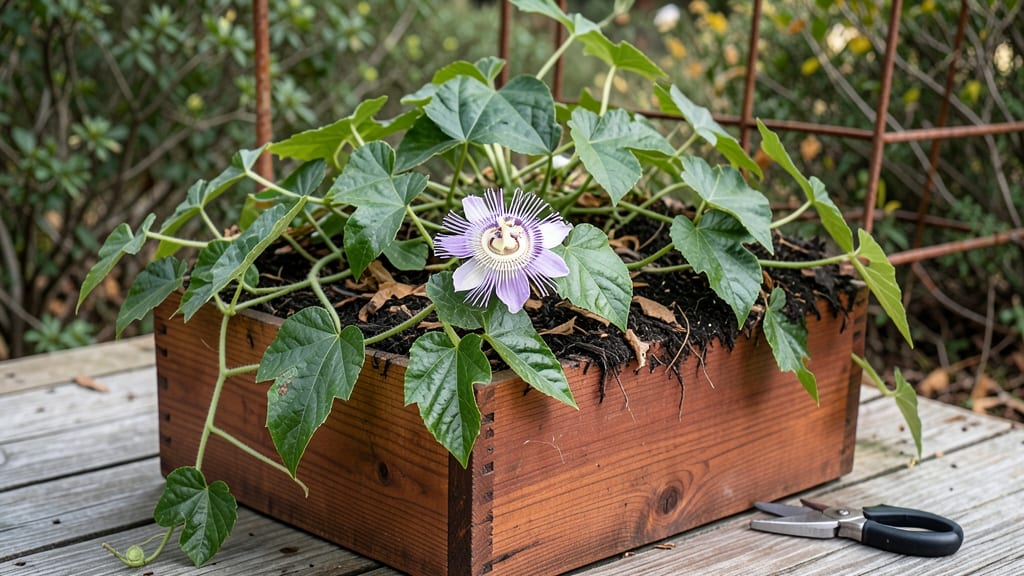
Growing passion fruit flower passiflora with year-round blooms starts with understanding its three secret trims—each one unlocks more flowers, stronger vines, and heavier fruit sets. I’ve learned the hard way that skipping these cuts means fewer blooms and smaller harvests, no matter how much you water or fertilize.
The first trim shapes the plant’s structure, the second boosts flowering, and the third keeps it productive through winter’s quiet months.
This vine thrives in full sun to partial shade and warm climates (zones 8-11), but with the right adjustments, it can even bloom in cooler areas.
You’ll need well-draining soil, a sturdy trellis or fence (these vines can climb 20+ feet), and a watering routine that keeps the roots moist but never soggy. The real magic happens when you time those trims right—just after flowering, before dormancy, and mid-season to encourage new growth.
By following these three cuts, you’ll end up with vibrant purple-and-white blooms that last for months, followed by sweet, tropical fruit. The vines become dense and productive, with fewer bare spots and more energy focused on flowers instead of wild, unchecked growth.
Even in small spaces, a single passiflora can transform a corner into a fragrant, fruiting paradise.
Whether you’re growing for the exotic flowers or the delicious fruit, this method works for both passion fruit varieties and ornamental passiflora. The same trimming principles apply—just adjust timing based on your climate. Let’s get those vines blooming like crazy!
📚 In This Guide
- What you need
- Instructions
- Tips and common mistakes
- Wrapping up and next steps
What you need
- ● Passiflora plant: Choose a healthy, disease-free Passiflora variety (e.g., Passiflora edulis for passion fruit or Passiflora caerulea for hardier climates). (1 plant per container or in-ground spot.)
- ● Well-draining potting mix: A blend of cactus/succulent mix + perlite/vermiculite (50/50 ratio) for containers. (1 bag for 5-gallon pots or amend garden soil similarly.)
- ○ Containers (optional but recommended): 5–10 gallon pots with drainage holes for climates with frost. (1–2 pots per plant.)
- ● Fertilizer: Balanced liquid fertilizer (10-10-10 or 20-20-20): Diluted to half-strength for feeding.
- ● Slow-release granular fertilizer: (e.g., Osmoote or Dynamite) for long-term nutrients. (1 tbsp per plant, applied every 3 months.)
- ● Pruning tools: Bypass pruners: For clean cuts on stems (1 pair).
- ● Sterilizing solution: Rubbing alcohol (70%+) or bleach (1:10 dilution) to prevent disease. (Small bottle for quick cleaning.)
- ● Sunlight: Full sun (6+ hours daily) for most varieties; partial shade (4–6 hours) in hot climates (e.g., Passiflora caerulea).
- ● Temperature: Passiflora edulis: 65–85°F (18–29°C); Passiflora caerulea: Tolerates down to 20°F (-7°C) with protection.
- ● Humidity: Average to high (40–70%). Use a humidity tray or misting bottle in dry climates.
- ● Trellis or support: 6–8 ft tall for vining varieties (e.g., Passiflora edulis). (PVC pipe, bamboo stakes, or metal arch.)
- ● Mulch: Organic mulch (e.g., straw or bark) to retain moisture and regulate soil temp.
- ● Growth regulator: (e.g., Paclobutrazol) to control excessive growth in compact spaces.
- ● pH test kit: Ideal soil pH: 6.0–7.0. Adjust with lime (to raise) or sulfur (to lower).
How to cultivate passion fruit vines for continuous flowering
Mastering this tropical beauty means understanding its growth cycles and strategic trimming. Here’s how to keep your passiflora blooming nonstop.
Select a Sun-Drenched Location
Passiflora thrives in full sun, requiring at least 6-8 hours of direct light daily. Choose a spot where vines can climb a trellis or fence—this encourages upward growth and better air circulation, reducing fungal risks. If growing in containers, position them where they’ll receive morning sun and afternoon shade in hot climates.
Test your spot by observing nearby plants. If they’re lush and healthy, your passiflora will likely flourish there too. Avoid low-lying areas where cold air settles, as passiflora is frost-sensitive. If you’re in a cooler zone, grow it in a greenhouse or bring containers indoors during winter.
Prune for Structure and Flower Boosts
The first trim happens in early spring, right after new growth emerges. Cut back one-third of the previous year’s growth to encourage bushier, more productive vines. Focus on removing weak or crossing stems—this improves airflow and reduces disease. Use clean, sharp pruners to make cuts just above a leaf node or bud.
Here’s the trick: Prune again in late spring after the first flush of flowers appears. Remove any spent blooms immediately to redirect the plant’s energy into producing more flowers. This is the key to year-round blooms—passiflora responds well to frequent, light pruning rather than heavy cuts.
Fertilize and Water Strategically
Feed your passiflora every 4-6 weeks during the growing season with a balanced, organic fertilizer (like 10-10-10 or compost tea). Over-fertilizing leads to leafy growth at the expense of flowers, so follow the package rates closely. In containers, fertilize more frequently—every 2-3 weeks—since nutrients leach out faster.
Water deeply 2-3 times per week, ensuring the soil stays moist but not soggy. Passiflora roots are sensitive to rot, so avoid waterlogging. You’ll know it’s time to water when the top 1-2 inches of soil feel dry. Mulch around the base to retain moisture and keep roots cool, especially in hot climates.
Train Vines for Optimal Growth
Guide young vines along a trellis or support structure to prevent sprawling. Use soft ties or twine to secure them gently—passiflora vines can grow 10-20 feet in a season, so regular training keeps them manageable. Prune lateral shoots that grow too close together to maintain airflow and sunlight penetration.
Watch for new growth tips—these are where flowers will form. If you notice leggy growth with few leaves, your plant needs more light or a pruning adjustment. In cooler months, reduce watering and fertilizing but keep the vine in a bright spot to encourage dormancy if needed.
Tips & tricks for perfect passion fruit flower cultivation
Here's what makes all the difference when nurturing passiflora for endless blooms—these are the secrets I've learned after watching vines transform from sparse to spectacular.
Light Optimization: While the instructions call for 6-8 hours of direct sun, I've found that positioning your passiflora to capture morning sunlight and filtered afternoon light in hot climates prevents leaf scorch while maintaining the energy needed for continuous flowering. If you notice leaves turning yellow or crispy at the edges, it's a sign your plant is getting too much midday sun—try moving it slightly or adding a sheer curtain during peak hours.
Pruning Precision: The one-third trim in early spring is non-negotiable, but here's the detail that changes everything: always make your cuts just above a leaf node or bud that's facing outward. This creates an open structure that maximizes sunlight penetration and airflow. I've seen vines go from tangled messes to lush, flowering canopies just by making this one adjustment during pruning. Use clean pruners and sterilize them with rubbing alcohol between cuts to prevent disease transmission.
Fertilizer Timing: The 4-6 week feeding schedule is perfect, but I've learned that applying fertilizer right after a deep watering gives the roots time to absorb nutrients before the next watering. For container-grown passiflora, I switch to a water-soluble fertilizer every 2-3 weeks during peak growing months, but I always dilute it to half-strength to prevent salt buildup in the soil. This makes a noticeable difference in flower production without the risk of leaf burn.
Dormancy Strategy: When cooler months arrive, don't just reduce watering—move your passiflora to a location where it receives bright, indirect light for at least 4-5 hours daily. This maintains the plant's connection to light cycles, which is crucial for breaking dormancy in spring. I've found that placing containers near a south-facing window or under grow lights during winter prevents that sad, leggy growth that often follows dormancy.
Pro Tips for Passion Fruit Flower Passiflora
- Here's what makes all the difference when nurturing passiflora for endless blooms—these are the secrets I've learned after watching vines transform from sparse to spectacular.
- If you notice leaves turning yellow or crispy at the edges, it's a sign your plant is getting too much midday sun—try moving it slightly or adding a sheer curtain during peak hours.
- Pruning Precision: The one-third trim in early spring is non-negotiable, but here's the detail that changes everything: always make your cuts just above a leaf node or bud that's facing outward.
Frequently asked questions
Got questions about growing passion fruit flower passiflora? You're not alone! Here are some of the most common queries—and their answers—to help you cultivate stunning blooms year-round.
How long does it take for a passiflora vine to flower after planting?
A healthy passiflora vine typically takes 6 to 12 months to produce its first flowers, depending on growing conditions. Younger plants (under 2 years) may take longer, while mature vines can bloom year-round in warm climates. Patience pays off—once established, they reward you with vibrant, exotic blooms!
Why isn’t my passiflora flowering, even though it’s healthy?
Several factors can delay flowering, including lack of sunlight (they need 6+ hours of direct sun), over-fertilizing with nitrogen (which encourages leaf growth over blooms), or immature vines. Try pruning back leggy growth and switching to a low-nitrogen, high-phosphorus fertilizer to encourage flowers.
Can I grow passiflora indoors, or does it need outdoor conditions?
While passiflora thrives outdoors in warm climates, some varieties (like Passiflora caerulea) can adapt to indoor growing with the right care. Place them near a sunny window, use a support trellis, and supplement with grow lights if needed. Just expect slower growth and fewer blooms compared to outdoor plants.
How do I prune passiflora to encourage more flowers?
Pruning after flowering (or in early spring) promotes bushier growth and more blooms. Cut back overgrown or leggy vines by 1/3, removing dead or weak stems. For heavier flowering, trim back new growth to 3-4 nodes to redirect energy into blooms. Always use sterilized pruners to prevent disease!
Are passion fruit flowers pollinated by bees, or do I need to do it manually?
While bees and hummingbirds are natural pollinators, passiflora flowers can self-pollinate if you gently brush the stamens against the pistil with a small brush or cotton swab. Manual pollination is especially helpful in greenhouse settings or areas with few pollinators. For fruit production, consistent pollination increases yield!
Wrapping up and next steps
Growing passion fruit flower passiflora is a rewarding journey that brings vibrant blooms and delicious fruit to your garden year-round—with just a few key trims! By mastering the right pruning techniques, ensuring proper sunlight, and providing the ideal soil, you’ll unlock lush growth and stunning flowers.
Whether you’re a beginner or a seasoned gardener, these tips make it simple to cultivate this tropical beauty.
Ready to dive in? Start by gathering your tools and reviewing the essentials—then watch your passiflora thrive! 🌺✨