
Flowers
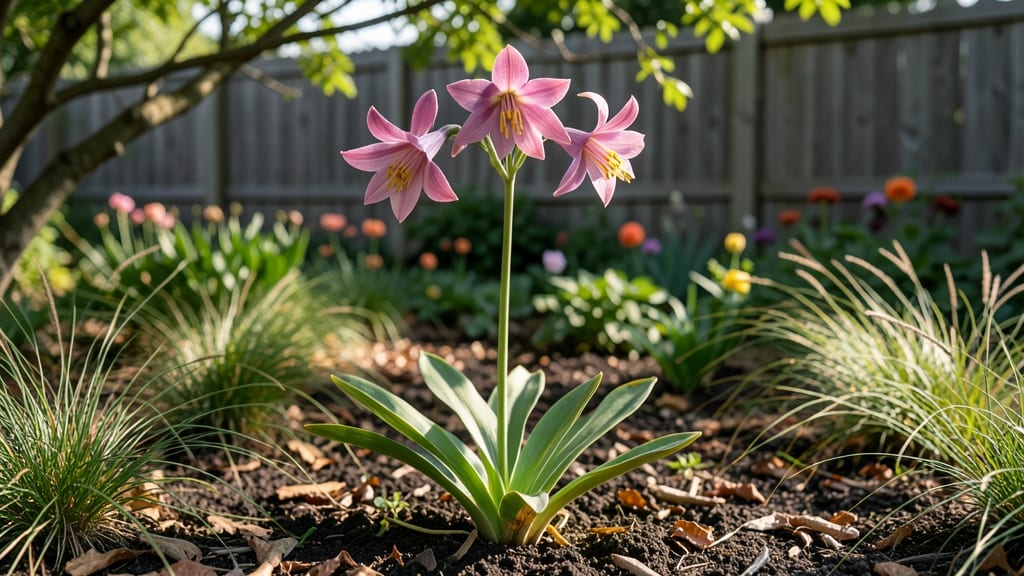
There's nothing like watching those dramatic blue spikes emerge from bare soil—naked lady flowers are the garden's most unexpected showstoppers. 🌿 I've grown them for years, and they never fail to impress, especially when they bloom in late summer when most flowers have already called it quits.
The secret lies in their patience; these beauties reward gardeners who give them time to establish roots before their spectacular display.
These perennials thrive in USDA zones 5-9, where they love full sun but tolerate partial shade in hotter climates. The soil should drain well—think sandy loam with a touch of compost—and they’re surprisingly drought-tolerant once established.
Plant the bulbs in fall, about 4 inches deep and 6 inches apart, and let nature handle the rest. No fussing, no babying—just wait for the magic.
What makes them special is their year-round drama: the foliage dies back after blooming, leaving the ground naked (hence the name) until the next cycle. But when those 6-inch-tall spikes appear, they’re impossible to ignore.
The blooms last just a week, but their bold blue color and striking shape make every moment count. Plus, they’re deer-resistant and low-maintenance—ideal for gardeners who want impact without effort.
Here’s the catch: don’t confuse them with rain lilies (Zephyranthes), which bloom after rain and have smaller, pinkish flowers. Naked ladies are bolder, taller, and far more dramatic.
Once you’ve grown them, you’ll never want to go back to ordinary flowers again. Ready to add some drama to your garden?
📚 In This Guide
- What you need
- Instructions
- Tips and common mistakes
- Wrapping up and next steps
What you need
- ● Naked Lady bulbs: 1–3 bulbs (choose healthy, firm bulbs, 2–3 inches in diameter).
- ● Well-draining potting mix: 2–3 gallons (use a blend for bulbs or amend regular soil with perlite/vermiculite for 20–30% airiness).
- ○ Containers (optional for indoor growth): Pots with drainage holes, 6–8 inches in diameter (one per bulb).
- ● Garden spot (if planting outdoors): Full sun to partial shade (4+ hours of sunlight daily).
- ● Garden trowel or small shovel: For planting bulbs.
- ● Watering can or hose with gentle spray: Avoid soggy soil.
- ○ Fertilizer (optional): Balanced bulb fertilizer (10-10-10) or slow-release granules.
- ○ Mulch (optional for outdoor plants): Light layer of straw or bark to retain moisture.
- ○ Support stakes (optional): Thin bamboo stakes (12–18 inches tall) if stems need extra stability.
How to grow Naked Lady flowers for stunning year-round blooms
This dramatic, low-maintenance bulb thrives with minimal fuss—just follow these steps.
🌱 Step 1: Choose the Perfect Planting Location
Naked Lady flowers (Amaryllis belladonna) demand bright, indirect light—think east or west-facing windows, or a spot where they get morning sun and afternoon shade. Direct midday sun can scorch their delicate blooms, while dim corners will leave them leggy and weak. I always test a location by placing the bulb there for a day first—if it feels warm but not hot, it’s ideal.
These bulbs love consistent warmth between 65-75°F during active growth. If your home dips below 60°F at night, move them away from drafty windows or use a small heat mat underneath the pot. You’ll know they’re happy when they produce 3-4 sturdy, upright leaves before flowering.
🪴 Step 2: Plant in Well-Draining, Airy Soil
Use a lightweight potting mix designed for bulbs or amend regular potting soil with 20% perlite or orchid bark to prevent rot. Naked Lady bulbs hate soggy roots, so ensure the pot has drainage holes—no exceptions. I press the bulb halfway into the mix, leaving the top third exposed, which helps prevent fungal issues.
Choose a pot that’s only 1-2 inches wider than the bulb itself—too much space encourages weak growth. A 6-inch diameter pot works perfectly for one bulb. After planting, water lightly until the soil feels evenly moist but not soggy, then let it dry slightly before watering again. Overwatering at this stage is the fastest way to kill them.
☀️ Step 3: Trigger Blooming with Light and Temperature Shifts
Here’s the trick: Naked Lady bulbs need a cool rest period to rebloom. After flowering, reduce watering and move them to a 50-55°F spot (like a garage or basement) for 8-10 weeks. You’ll notice the leaves yellow and die back—that’s normal. Once they’re dormant, bring them back to warmth and resume watering when new shoots appear.
During active growth, place them under grow lights if natural light is insufficient. I use a 12-hour photoperiod (light on for 12 hours, off for 12) to encourage consistent blooming. Watch for tight buds forming at the top—this means they’re ready to burst into those iconic blue spikes in 4-6 weeks.
💧 Step 4: Water and Feed for Continuous Blooms
Water only when the top inch of soil feels dry—these bulbs store moisture in their scales and won’t forgive soggy conditions. I use room-temperature water to avoid shocking the roots, and I always water at the base to keep leaves dry. Yellowing leaves usually mean overwatering, while crispy edges signal underwatering or dry air.
Feed every 4-6 weeks during active growth with a balanced liquid fertilizer (10-10-10) diluted to half strength. Stop fertilizing 8 weeks before their rest period to let the bulbs store energy. You’ll see stronger stems and longer-lasting blooms if you stick to this schedule. Never fertilize a dormant bulb—it’s a surefire way to rot them.
✂️ Step 5: Deadhead and Overwinter for Next Season
After blooms fade, snip spent flower stalks just above the bulb with clean scissors. This redirects energy back into the bulb for next year’s growth. I also trim any brown or damaged leaves to keep the plant looking tidy and reduce disease risk. Avoid cutting healthy green leaves—they’re photosynthesizing and feeding the bulb.
When leaves yellow naturally in late fall, stop watering entirely and let the soil dry out. Store the pot in a cool, dark place (like a closet or unheated garage) until spring. In 3-4 months, bring them back to warmth, and the cycle begins again. With this routine, your Naked Lady will bloom year after year with minimal effort.
Tips & tricks for perfect Naked Lady flowers
Real talk: These striking blooms reward patience with dramatic results. Here's how to avoid common pitfalls and maximize their stunning blue spikes.
The Light Factor: Naked Lady bulbs need bright, indirect light—think of it as a perfect balance between a sunny afternoon and a gentle morning glow. If your east-facing window gets morning sun only, supplement with a grow light for 12 hours daily during their active growth phase. I've seen bulbs in south-facing windows get scorched, so always test the spot for a full day before committing. The goal is to mimic their natural habitat where they'd get filtered light through forest canopies.
Soil Science: The secret to happy roots lies in that 20% perlite or orchid bark amendment—this isn't just about drainage, it's about creating air pockets that prevent fungal issues. I've ruined two bulbs by using regular potting soil without amendment, so don't make my mistake! Press the bulb halfway into the mix and leave the top third exposed—this exposed portion helps regulate moisture and prevents rot. The pot size matters too: a 6-inch diameter is perfect for one bulb, but never go larger than 2 inches wider than your bulb.
Temperature Transition: That 8-10 week cool rest period at 50-55°F is non-negotiable for reblooming. I learned this the hard way after keeping mine too warm through winter—they simply refused to flower again. Watch for leaves to yellow naturally before initiating dormancy. When you bring them back to warmth, you'll notice new shoots within 3-4 weeks. The key is consistency: keep them in that cool spot until you see the first green tip emerging from the bulb.
Fertilizer Timing: The 4-6 week feeding schedule with diluted 10-10-10 fertilizer is crucial, but timing matters just as much as the product. I always feed after watering to prevent root burn, and I stop 8 weeks before their rest period. This gives the bulbs time to store energy for next season's blooms. Yellowing leaves after feeding? You're overdoing it—cut back to every 6 weeks instead of every 4 weeks. The goal is to build strong bulbs, not burn them out.
Pro Tips for Naked Lady Flowers
- Real talk: These striking blooms reward patience with dramatic results.
- The Light Factor: Naked Lady bulbs need bright, indirect light—think of it as a perfect balance between a sunny afternoon and a gentle morning glow.
- Soil Science: The secret to happy roots lies in that 20% perlite or orchid bark amendment—this isn't just about drainage, it's about creating air pockets that prevent fungal issues.
Frequently asked questions
Got questions about growing these striking blooms?
Here are answers to the most common ones—so you can enjoy Lilium 'Casablanca' (aka Naked Lady flowers) with confidence!
When do Naked Lady flowers bloom, and how long do they last?
Naked Lady flowers typically bloom in late summer or early fall, often around September to October, but they can surprise you with sporadic blooms in spring too! Each flower lasts 5–7 days, but the bare stem (hence the name!) stays dramatic for weeks. Pro tip: Deadhead spent blooms to encourage more flowers!
Can Naked Lady flowers grow indoors, or do they need a garden?
While they thrive outdoors in USDA Zones 3–9, you can try growing them indoors near a sunny window or under grow lights. Use a large pot (at least 12 inches deep) with well-draining soil and keep the bulb cool in winter. Just know they may not rebloom as reliably as outdoors!
What pests or diseases should I watch for with Naked Lady flowers?
These beauties are generally pest-resistant, but keep an eye out for aphids, spider mites, or bulb mites (which attack the bulb). Fungal issues like botrytis (gray mold) can occur in humid conditions—ensure good airflow and avoid overhead watering. Quick fix: Neem oil spray helps deter pests!
Why aren’t my Naked Lady flowers blooming? Troubleshooting tips.
No blooms? Check these fixes:
- Not enough light: They need 6+ hours of sun daily—move to a sunnier spot.
- Overcrowded bulbs: Dig up and divide bulbs every 3–4 years for better blooms.
- Lack of dormancy: Let the foliage die back naturally in winter—they need this rest!
- Over-fertilizing: Too much nitrogen = leaves, not flowers. Use a bulb-specific fertilizer instead.
What are some great companion plants for Naked Lady flowers?
Pair them with low-growing perennials like hostas, ferns, or daylilies to highlight their towering stems. Avoid aggressive spreaders (e.g., mint) or plants that compete for nutrients. Grasses (like ornamental wheat) add texture too!
Wrapping up and next steps
Naked Lady flowers bring year-round drama to your garden with their striking blue spikes and effortless charm! Whether you’re a seasoned gardener or just starting, their low-maintenance nature makes them a dream addition.
Now that you’re equipped with the right tools, tips, and troubleshooting, it’s time to roll up your sleeves and plant—your garden will thank you!
🌱 Next steps:
- Pick your spot and prep the soil—your Naked Ladies are ready for action!
- Share your progress or ask questions in gardening communities for extra support.
- Get excited for those show-stopping blooms that’ll make neighbors green with envy! 🌸