
Shrubs
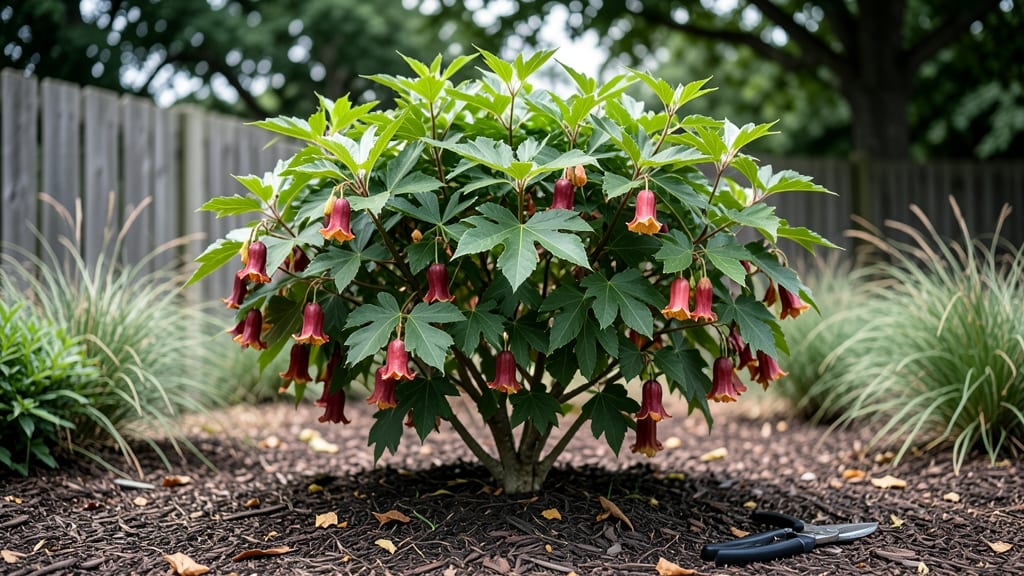
Growing abutilon flowering maple means bringing bold blue blooms that look like peonies but thrive in containers or borders. 🌿 I fell for this plant after seeing its velvety petals swaying in summer breezes—it’s the kind of showstopper that makes neighbors ask, "What’s that?"
The secret to those dramatic flowers isn’t complicated: it’s about light, water, and a little strategic pruning. Most gardeners overlook the humidity boost it craves, which is why so many struggle with sparse blooms.
The right setup starts with bright, indirect light—think morning sun and afternoon shade—plus well-draining soil that mimics its tropical roots. A container with drainage holes or a spot with afternoon shade in hot climates keeps it happy.
Water when the top inch feels dry, but avoid soggy soil, which is the #1 reason these plants throw a fit. Once established, they’re surprisingly low-maintenance, rewarding you with nonstop blooms from spring through fall if you keep up with light pruning after each flush of flowers.
What you’ll love most is how effortlessly it fits into any garden style—whether tucked into a patio pot or planted alongside perennials for a pop of color. The flowers age beautifully in arrangements, too, giving you double duty as both a garden star and a bouquet maker.
With the right care, you’ll have a plant that looks like it belongs in a botanical garden, not just your backyard.
Here’s where it gets interesting—this plant handles pruning like a champ, so you can shape it into a bush or let it grow wild. The key is timing: trim back leggy stems in early spring to encourage bushier growth, and deadhead spent blooms to keep the flowers coming.
Even in cooler zones, a little winter protection (like a burlap wrap) ensures it bounces back stronger than ever. Ready to grow yours?
📚 In This Guide
- What you need
- Instructions
- Tips and common mistakes
- Wrapping up and next steps
What you need
- ● Healthy Abutilon plant: Choose a Flowering Maple variety (e.g., 'Bella Mix,' 'Sensation,' or 'Vicki') from a nursery or reputable online retailer.
- ● Well-draining potting mix: 5–10 gallons (for containers) or loamy garden soil (for in-ground planting). Mix in perlite or sand (20–30% by volume) for aeration.
- ● Pot or garden bed: Containers: 12–18" diameter pots with drainage holes (terracotta or fabric pots preferred).
- ● Outdoor beds: Full sun to partial shade spot with 6+ hours of light daily.
- ● Slow-release fertilizer: 10–10–10 or balanced organic fertilizer (e.g., fish emulsion) for potted plants.
- ● Pruning shears: Sharp, sterilized shears (for shaping and encouraging blooms).
- ● Watering can or hose with nozzle: Avoid soggy soil—water when the top 1–2" of soil is dry.
- ○ Gloves (optional): Protect hands from thorns (some varieties have mild ones!).
- ○ Sunlight meter (optional): Ensure your spot gets 4–6 hours of bright, indirect light (indoors).
- ● Humidity tray (indoor plants): Place pebbles + water under the pot to boost moisture.
- ○ Stakes or trellis (optional): For tall varieties (e.g., 'Bella Piccola') to support growth.
Step-by-step instructions for cultivating abutilon flowering maple
Here’s how to grow these showstopping shrubs with minimal fuss—just follow these simple steps.
🌱 Step 1: Choose the Right Location and Prepare Soil
Pick a spot with bright, indirect light—think 4-6 hours of morning sun paired with afternoon shade. Abutilons hate harsh afternoon rays, which scorch their delicate blooms. If you’re growing indoors, place them near an east-facing window or under a grow light for 12-14 hours daily.
Amend your soil with 2-3 inches of compost to ensure drainage—these plants despise soggy roots. A well-draining mix of 50% garden soil, 30% perlite, and 20% compost works perfectly. Test your soil’s moisture by squeezing a handful; it should hold together but not drip water. If it’s too dense, add more perlite until it feels light and airy.
☀️ Step 2: Plant and Provide Consistent Light
Dig a hole twice as wide as the root ball but only as deep as the container it came in. Gently remove the plant from its pot, loosen the roots if they’re circling, and place it in the hole. Fill around the base with soil, pressing lightly to eliminate air pockets. Water deeply right after planting to settle the soil and encourage root spread.
Watch for leggy growth—a sign your plant isn’t getting enough light. If stems stretch toward the window or grow pale, move it closer to the light source. Abutilons thrive when kept 3-5 feet from a south or east-facing window. Rotate the pot quarter-turn weekly to ensure even growth and prevent lopsided blooms.
💧 Step 3: Water and Fertilize for Continuous Blooms
Water when the top 1-2 inches of soil feel dry to the touch. Stick your finger in the soil—if it’s damp below the surface, wait another day. Overwatering causes root rot, which kills abutilons quickly. Always water at the base to avoid wetting the leaves, which can lead to fungal issues like powdery mildew.
Feed your abutilon every 4-6 weeks during spring and summer with a balanced liquid fertilizer (10-10-10 or 20-20-20). Stop fertilizing in fall and winter to encourage rest. You’ll know it’s happy when new buds form at the leaf nodes—these are your future blooms! If buds drop before opening, it’s usually a sign of inconsistent watering or sudden temperature shifts.
✂️ Step 4: Prune for Shape and Encourage More Flowers
Prune in early spring before new growth begins. Cut back 1/3 of the plant’s height to encourage bushier growth and more flowers. Use clean, sharp shears to make 45-degree cuts just above a leaf node. This prevents water from pooling on the stem, which can cause rot. Remove any dead, diseased, or crossing branches first—they sap energy from your plant.
Pinch back new growth tips in late spring to promote branching. You’ll see side shoots form within 2-3 weeks, leading to a fuller, more vibrant plant. Avoid heavy pruning in fall or winter, as the plant needs time to recover before spring’s new growth surge. If you prune too late, you’ll delay next year’s blooms.
Tips & tricks for cultivating abutilon flowering maple
These simple tricks will help your abutilon thrive and produce those stunning blue blooms you're dreaming of.
Lighting Strategy: I've found that placing a mirror opposite your east-facing window can double the light exposure your abutilon receives during those crucial 12-14 hours daily. The reflection creates a brighter environment without exposing the plant to harsh afternoon sun. Just position it so the mirror reflects light onto the plant's canopy—not directly at the leaves, which can cause overheating. This works especially well for indoor growers with limited window space.
Soil Test Hack: Before amending your soil with the 2-3 inches of compost and 30% perlite, do this quick test: Take a handful of your garden soil and squeeze it tightly. If it holds together like clay and doesn't crumble when you tap it, you definitely need more perlite. If it falls apart completely, you might need to add some peat moss to improve moisture retention. The goal is that perfect balance where it holds together but still feels light and airy.
Watering Visual Cue: When checking if the top 1-2 inches of soil feel dry, use a clean chopstick or popsicle stick instead of your finger. Push it into the soil and pull it out—if soil sticks to it lightly, it's time to water. If it comes out completely clean, wait another day. This method is especially helpful for those of us with sensitive skin who might overwater from touching the soil too often. I've ruined three abutilons before I discovered this trick!
Pruning Timing: The early spring pruning window is your best chance for dramatic results. Mark your calendar for the first week of March in most climates—this gives your plant 8-10 weeks to recover before summer's intense growth period. If you miss this window, don't panic! You can still do light pruning in late spring, but you'll sacrifice some of that bushy growth. Just remember: the 1/3 height reduction is what triggers that branching we all love.
Pro Tips for Abutilon Flowering Maple
- These simple tricks will help your abutilon thrive and produce those stunning blue blooms you're dreaming of.
- Lighting Strategy: I've found that placing a mirror opposite your east-facing window can double the light exposure your abutilon receives during those crucial 12-14 hours daily.
- Soil Test Hack: Before amending your soil with the 2-3 inches of compost and 30% perlite, do this quick test: Take a handful of your garden soil and squeeze it tightly.
Frequently asked questions
Got questions about growing abutilon flowering maple? You’re not alone! Here are some of the most common queries—and their answers—to help you cultivate stunning blue blooms with confidence.
How fast does an abutilon flowering maple grow?
These shrubs are moderate growers, typically adding 12–24 inches per year under ideal conditions. With proper care—like full sun, well-draining soil, and regular watering—they can reach 6–10 feet tall and wide within 3–5 years. Patience pays off, but they’re fast enough to see progress seasonally!
When is the best time to plant abutilon flowering maple?
Plant in early spring or early fall when temperatures are mild (50–70°F). Avoid extreme heat or frost, as young roots are sensitive. If you’re in a warm climate, fall planting gives roots time to establish before summer droughts. Pro tip: Amend soil with compost for a head start!
How often should I water my abutilon flowering maple?
Water deeply 1–2 times per week during the first year to encourage root growth. Once established, they’re drought-tolerant but thrive with 1 inch of water weekly (more in extreme heat). Warning: Overwatering causes root rot—ensure soil drains well. Mulch helps retain moisture and protect roots.
Why aren’t my abutilon blooms as vibrant as the pictures?
Dull or sparse blooms often stem from low light, poor nutrition, or over-fertilizing. Ensure your plant gets 6+ hours of sun daily and feed with a balanced fertilizer (10-10-10) in spring. Deadhead spent blooms to encourage new growth. Bonus: Prune in late winter to promote bushier, more prolific flowering!
Can I grow abutilon flowering maple in containers?
Choose a large pot (at least 15–20 gallons) with drainage holes and use well-draining potting mix. Container-grown abutilons need more frequent watering and may benefit from winter protection in cold climates. Pro tip: Rotate pots occasionally for even growth and prune roots every 2–3 years to prevent binding.
Wrapping up and next steps
Growing an abutilon flowering maple is a rewarding journey that brings vibrant color and texture to your garden with minimal fuss. 🌿 Whether you’re drawn to its peony-like blooms or its lush foliage, this hardy shrub thrives with the right care—sunlight, well-draining soil, and occasional pruning.
Now that you’re armed with the know-how, there’s no better time to plant your own and enjoy its stunning display year after year!
Your next step? Visit your local nursery, pick out your favorite variety, and get ready to transform your outdoor space into a showstopper. Happy gardening! 🌸