
Blooming
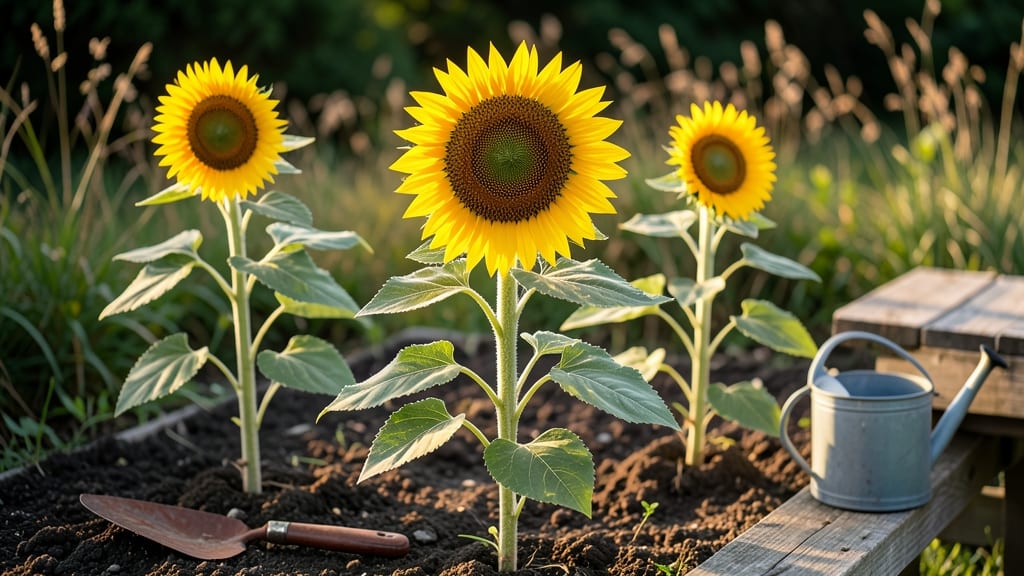
Growing multiple bloom sunflowers isn't just about sticking seeds in the ground—it's about unlocking a year-round harvest with a few clever tricks. 🌻 I learned the hard way that these sunflowers need more than just sunshine to keep producing flowers.
The secret lies in strategic trimming, which turns a single-bloom wonder into a continuous showstopper.
Start with well-draining soil and full sun—these sunflowers are tough but thrive best when their roots aren’t soggy. Plant seeds 1 inch deep and 6-12 inches apart, depending on the variety, and keep the soil consistently moist until germination.
Once they’re established, water deeply once a week, letting the top inch of soil dry between waterings. The right spacing prevents overcrowding, which stresses plants and cuts back on blooms.
Here’s where the magic happens: after the first flower fades, snip the stem just below the next set of buds. This encourages the plant to redirect energy into new blooms instead of going to seed.
With this technique, a single plant can produce dozens of flowers over its lifetime—far more than the usual one-and-done display. The result? A sunflower that keeps giving, season after season.
This method works for varieties like ‘Autumn Beauty’ or ‘Moulin Rouge,’ which are bred for multiple blooms. Even in cooler climates, with a little protection, you can extend the harvest well into fall.
The key is patience—let the plant recover between cuts, and it’ll reward you with vibrant, sunlit blooms all season long.
📚 In This Guide
- What you need
- Instructions
- Tips and common mistakes
- Wrapping up and next steps
What you need
- ● Sunflower Seeds: Choose non-hybrid, heirloom varieties like 'Moulin Rouge' or 'Autumn Beauty' (50–100 seeds for a small garden, 200+ for larger plots).
- ● Well-draining soil: Mix 60% topsoil, 30% compost, and 10% perlite/sand (pH 6.0–7.5).
- ● Sunlight: Full sun (6+ hours daily) in a sheltered, wind-free spot.
- ● Watering can or hose: With a gentle spray nozzle to avoid damaging stems.
- ● Pruning shears: Sharp, sterilized bypass pruners (for trimming blooms).
- ○ Support stakes (optional but recommended): 3–4 ft tall bamboo or wooden stakes (1 per plant for heavy blooms).
- ● Garden gloves: To protect hands during planting/pruning.
- ● Fertilizer: Balanced 10-10-10 or compost tea (apply every 4–6 weeks).
- ● Mulch: Straw or shredded leaves (2–3 inches) to retain moisture.
- ● Grow lights (indoor starts): LED full-spectrum bulbs (12–16 hrs/day for seedlings).
- ● Harvest basket/bucket: For collecting blooms and seeds.
- ● Knowledge of sunflower growth stages (seedling, vegetative, flowering).
- ● Patience for strategic pruning (wait until 1st bloom fades to trim).
- ● Access to warmth (sunflowers thrive in temps 50–85°F).
Strategic trimming techniques for prolific sunflower blooms
Here's how to coax multiple stems from a single plant—no fancy tricks, just smart pruning.
🌱 Step 1: Select and Plant the Right Variety
Choose a multiple-bloom sunflower variety like 'Moulin Rouge' or 'Autumn Beauty'—these are bred to produce secondary stems after the first flower. Plant seeds ½ inch deep in well-draining soil with full sun exposure (6+ hours daily). I space mine 18-24 inches apart to allow airflow and reduce disease risk.
Sunflowers thrive in 60-70°F soil temperatures. If planting early, use a black plastic mulch to warm the soil faster—it speeds up germination and gives you a head start on the growing season. Water deeply after planting to settle the soil around roots.
✂️ Step 2: Deadhead After First Bloom for Side Shoots
Once the first bloom opens fully, snip the stem 2-3 inches below the flower head using clean, sharp pruners. This removes the spent bloom but leaves the strong lateral buds that will grow into new stems. I always sterilize my pruners with rubbing alcohol between cuts to prevent bacterial spread.
Watch for new growth emerging from the leaf axils (where leaves meet the stem). These side shoots will develop into secondary blooms. If your plant produces multiple side shoots, prioritize the two strongest and prune the rest to direct energy where it matters.
☀️ Step 3: Maintain Light and Nutrients for Continuous Growth
Sunflowers need full sun daily to produce multiple blooms. If you notice stems stretching toward the light (a sign of leggy growth), move the plant closer to a south-facing window or supplement with a grow light. Leggy stems weaken and produce smaller blooms.
Fertilize lightly with a balanced 10-10-10 formula every 4-6 weeks after the first bloom appears. Over-fertilizing leads to excessive foliage at the expense of flowers. Water at the base (not overhead) to keep leaves dry and prevent fungal diseases like powdery mildew.
🌿 Step 4: Repeat Pruning for a Year-Long Harvest
After the second bloom opens, repeat the deadheading process—cut 2-3 inches below the flower head to encourage a third flush of blooms. Some varieties, like 'Autumn Beauty,' can produce 4-5 blooms per stem with consistent pruning. I keep a small notebook to track each plant’s progress—it helps me remember which stems need attention.
By late summer, growth slows as days shorten. At this point, I stop pruning and let the plant focus on seed development if you want to save seeds for next year. If you’re purely after flowers, keep trimming until frost—just don’t cut into woody stems, as they won’t regrow.
Tips & tricks for maximizing sunflower blooms
Here's what I've learned after years of experimenting with sunflowers—these small tweaks make a big difference in your harvest.
Variety Matters: While 'Moulin Rouge' and 'Autumn Beauty' are excellent choices, don't overlook 'ProCut' if you want stems perfect for arrangements. These varieties are specifically bred for multiple blooms and can produce up to 5 flowers per stem when pruned correctly. I've found that taller varieties like 'Russian Giant' need slightly more space between plants—give them that extra 6 inches to prevent overcrowding and fungal issues.
Pruning Precision: When deadheading in Step 2, aim for a clean cut just below the flower head where the stem begins to widen. This is where the lateral buds form. I use a small notebook to track which plants are producing side shoots—some varieties are more responsive than others. If you notice yellowing leaves after pruning, it's a sign you're cutting too close to the main stem. Always leave at least 2-3 inches of stem below the flower head.
Light Management: Sunflowers are finicky about light—if you notice stems leaning dramatically toward one side, it's a clear sign of insufficient light. In Step 3, rotate your plants every few days to encourage even growth. For container-grown sunflowers, a simple trick is to place them on a lazy Susan or turntable to ensure all sides get equal sunlight exposure. This prevents the classic "leggy" growth that weakens stems and reduces bloom quality.
Fertilizer Timing: The 4-6 week fertilization schedule in Step 3 is crucial, but timing matters just as much as quantity. I've found that applying fertilizer right after a rain shower helps prevent root burn. Also, switch to a lower-nitrogen formula (like 5-10-10) once your plants start producing flowers—this encourages more blooms rather than excessive foliage. Too much nitrogen at this stage will give you lush leaves but few flowers.
Pro Tips for Multiple Bloom Sunflowers
- Here's what I've learned after years of experimenting with sunflowers—these small tweaks make a big difference in your harvest.
- Variety Matters: While 'Moulin Rouge' and 'Autumn Beauty' are excellent choices, don't overlook 'ProCut' if you want stems perfect for arrangements.
- Pruning Precision: When deadheading in Step 2, aim for a clean cut just below the flower head where the stem begins to widen.
Frequently asked questions
Got questions about growing multiple-bloom sunflowers?
Here are some of the most common ones—and their answers—to help you cultivate a thriving, long-lasting harvest!
How do I encourage multiple blooms on a single sunflower?
After the first bloom fades, trim the stem just above a set of healthy leaves (usually 6–12 inches below the faded bloom). This redirects energy to side buds, prompting 2–4 more blooms per plant. Avoid cutting too close to the base—leave at least 2–3 feet of stem for stability.
When is the best time to harvest multiple blooms?
Harvest sunflowers when the petals are fully open but the center is still tight (for seeds) or when the center turns golden (for cut flowers). For sequential blooms, pick faded flowers daily to signal the plant to produce new buds. Morning harvests yield the freshest blooms!
Can multiple-bloom sunflowers grow in hot climates?
These varieties thrive in heat (up to 90°F) but need consistent watering to prevent stress. Mulch around the base to retain moisture and shade tender stems during peak afternoon sun. Drought-tolerant varieties like ‘Autumn Beauty’ or ‘Moulin Rouge’ are great choices.
What if my sunflower only produces one bloom?
Check for these common issues:
- Overcrowding: Space plants 12–18 inches apart for airflow and sunlight.
- Nutrient deficiency: Feed with a balanced fertilizer (10-10-10) every 4–6 weeks.
- Pests/disease: Inspect for aphids or powdery mildew—treat with neem oil if needed.
Are there alternatives to sunflowers for year-round blooms?
Yes! Try these low-maintenance, reblooming options:
Plant
Reblooming Trick
Zinnias
Deadhead spent blooms + fertilize monthly.
Cosmos
Self-seeds easily; cut back in fall for winter blooms.
Dahlias
Pinch tubers in spring; feed with high-potassium fertilizer.
Wrapping up and next steps
Growing multiple bloom sunflowers is a rewarding journey that turns your garden into a vibrant, year-round display with minimal effort! By mastering strategic trimming and understanding their growth cycles, you’ll enjoy bountiful harvests and stunning blooms—even in cooler months. 🌻✨
Ready to put your newfound knowledge into action? Start by selecting your sunflower variety and giving them the care they deserve. Before you know it, your garden will be a cheerful, sunlit haven—one that keeps blooming like clockwork!