
Pests
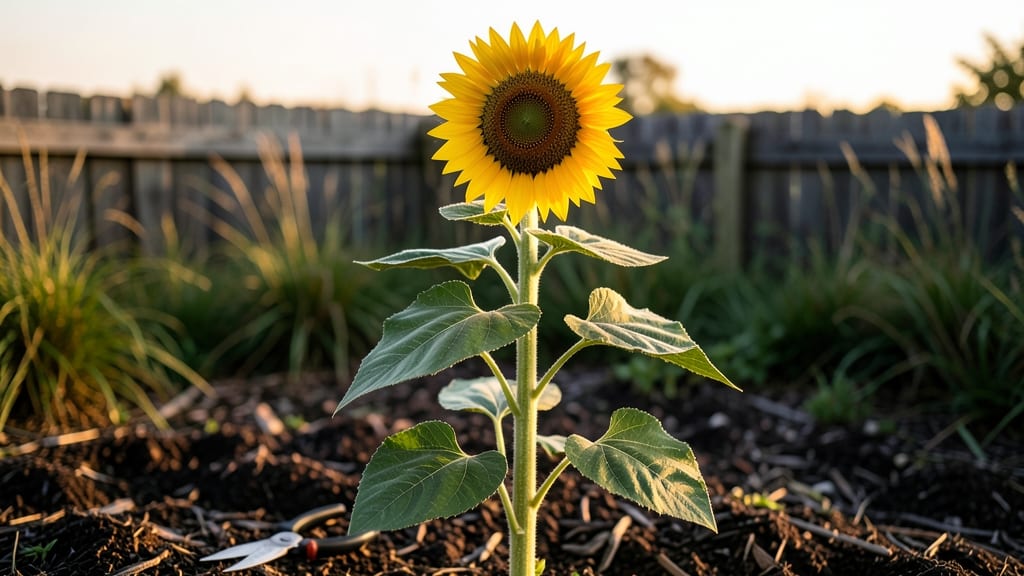
Growing Mongolian Mammoth sunflowers means turning your garden into a sun-drenched skyline in just 90 days. These giants—some reaching 12 feet—don’t just steal the show; they turn every summer afternoon into a golden spectacle while feeding bees and butterflies.
The secret isn’t complicated: it’s about timing, soil, and a little elbow grease at the right moments.
Start with well-draining soil rich in compost, and plant seeds 1/2 inch deep after your last frost when soil warms to 60°F. Space them 18-24 inches apart—they’ll need room to flex those towering stems without toppling.
Water deeply once a week, letting the soil dry slightly between sessions, and watch as those first fuzzy sprouts punch through the earth like tiny rockets.
By mid-summer, you’ll be rewarded with 6-8 inch blooms that glow like molten honey at dawn. The stems stay sturdy enough for cutting, and the seeds?
Perfect for next year’s garden or bird feeders. Just be ready to stake taller varieties in windy areas—nothing ruins the magic like a snapped stem.
Even beginners nail this—no fancy tricks, just patience and a sunny patch. Whether you’re growing for drama, pollinators, or just the sheer joy of watching something grow this fast, these sunflowers deliver. Let’s get those seeds in the ground!
📚 In This Guide
- What you need
- Instructions
- Tips and common mistakes
- Wrapping up and next steps
What you need
- ● Mongolian Mammoth Sunflower Seeds: 10–20 seeds (or 1–2 plants if buying starts). Look for Helianthus annuus varieties labeled "Mammoth" or "Giant."
- ● Well-draining potting mix or garden soil: 5–10 gallons (for containers) or amended garden beds with 6.0–7.5 pH.
- ○ Organic compost or fertilizer: 1–2 cups of balanced 10-10-10 or fish emulsion (optional but recommended for faster growth).
- ● Watering can or hose with a gentle nozzle: Sunflowers hate soggy roots!
- ● Garden trowel or transplanting spade: For digging holes (depth: 1–2 inches, spacing: 12–18 inches apart).
- ○ Stakes or trellis (optional but helpful): 6–8 ft tall stakes or a heavy-duty trellis to support stems (these giants can reach 10–14 ft!).
- ● Pruning shears: For trimming dead leaves or shaping (if desired).
- ● Garden gloves: To protect your hands from thorns (yes, they’ve got ‘em!).
- ● Full sun (6+ hours daily): These sunflowers thrive in bright, open spaces.
- ● Warm soil (60°F+): Wait until after the last frost or start indoors 4–6 weeks early.
- ● Pest awareness: Keep an eye out for aphids, beetles, or powdery mildew (more on this in our Pest Control section!).
Step-by-Step instructions for cultivating towering sunflowers
Here's how to coax those breathtaking 12-foot stalks from tiny seeds.
🌱 Step 1: Select the Perfect Planting Site
Sunflowers need full sun exposure—at least 8 hours daily—to reach their full height. Choose a spot with well-draining soil and space at least 2 feet between plants (they'll spread as they grow). I always test the soil first with a simple pH kit; 6.0-7.5 is ideal for these giants. If your soil is heavy clay, mix in 2-3 inches of compost before planting to improve drainage and nutrient retention.
Here's the thing—sunflowers hate soggy roots. If your yard floods after heavy rain, plant them on a slight mound or in raised beds. I've seen otherwise healthy plants rot at the base when left in waterlogged soil for more than a day. A quick percolation test (dig a 6-inch hole, fill with water, and time how long it drains) will tell you if your spot is safe.
🌱 Step 2: Plant Seeds at the Right Depth and Time
Wait until after the last frost date in your area—sunflower seeds won't germinate in cold soil. I plant mine 2-3 weeks after frost when soil temperatures reach 60°F or warmer. Dig holes 1 inch deep and place 1-2 seeds per spot (just in case one fails to sprout). Cover lightly with soil and water gently to avoid disturbing the seeds.
Don't overcrowd them—even though they're big, they need room to develop strong roots. Space rows 3-4 feet apart if planting multiple plants. I like to plant mine in a loose grid pattern so I can walk between rows for maintenance. Once sprouts appear in 7-14 days, thin to the strongest seedling per hole, cutting weaker stems at the base with clean scissors.
☀️ Step 3: Provide Consistent Care for Rapid Growth
Sunflowers grow 2-3 inches per day at peak speed, so they need regular watering—about 1 inch per week. Water deeply at the base 2-3 times per week during dry spells, avoiding the leaves to prevent fungal diseases like powdery mildew. I use a soaker hose to deliver moisture slowly and evenly, which keeps the soil moist without creating puddles.
Fertilize lightly at planting with a balanced 10-10-10 formula, then again when plants reach 18 inches tall. Too much nitrogen makes them grow leafy but weak-stemmed. I've seen sunflowers flop over under their own weight when overfed. A handful of compost worked into the soil every 4 weeks keeps them strong without excess nutrients.
✂️ Step 4: Support and Protect for Maximum Height
By 6 weeks, your sunflowers will need staking or support to prevent them from toppling. I use 6-foot bamboo stakes driven 6 inches into the ground beside each plant, then loosely tie the stem to the stake with soft plant ties as it grows. This keeps them upright without restricting growth. Avoid tight ties—they can girdle the stem as it thickens.
Watch for bird damage once flowers begin to form. I cover young buds with bird netting until they open fully. Sunflowers are a magnet for finches and sparrows, and they'll strip a bloom in minutes. If you see holes in the petals, act fast—once damaged, the flower won't develop properly.
🌿 Step 5: Harvest at Peak Maturity
Sunflowers are ready to harvest when the back of the flower head turns brown and the petals start to dry. I check daily in late summer—90 days after planting is the sweet spot. Cut the stem 2-3 inches below the flower head with clean pruners and hang them upside down in a dry, dark place for 2 weeks to fully dry.
Don't wait too long—overripe seeds lose flavor and become difficult to remove from the head. Once dry, rub the head gently to release seeds, then store them in a cool, dark place for up to 2 years. I always save a few seeds from my best plants to replant next season—they'll be even hardier and taller.
Tips & tricks for cultivating towering sunflowers
Took me years of trial-and-error to master these sunflower secrets—here's how to avoid the mistakes I made growing your 12-foot giants.
Site Selection Wisdom: Beyond the 8 hours of sun requirement, pay attention to wind exposure in Step 1. I've found that planting along a fence line or using windbreaks like tall cornstalks prevents excessive swaying, which can weaken stems. The Mongolian Mammoth variety needs extra support against strong breezes, so consider planting them in the leeward side of your garden. A simple DIY windbreak made from chicken wire and old garden stakes works wonders for protecting young plants.
Timing Secret: The 2-3 weeks after frost window is critical, but don't rush—soil temperature matters more than calendar dates. I learned this after planting too early in cool spring soil, which resulted in seeds rotting before germination. Use a soil thermometer to confirm 60°F temperatures before planting. Morning soil temps are often cooler than afternoon readings, so check multiple times a day if needed. For northern climates, consider using black plastic mulch a week before planting to warm the soil faster.
Watering Technique: The 1 inch per week guideline works well, but how you deliver that water makes all the difference. In Step 3, I recommend watering at the base rather than overhead sprinkling to prevent fungal diseases, but there's more to it. Water in the morning so foliage has time to dry before evening—this dramatically reduces powdery mildew risk. I've also found that mulching with straw around each plant helps retain moisture and keeps roots cool during our hot summers, which prevents stress that can stunt growth.
Harvesting Insight: The 90-day timeline is just a starting point—the real key is watching the back of the flower head turn brown as mentioned in Step 5. I've learned to look for the petals to start drying and curling back slightly, which indicates peak seed maturity. For maximum height, harvest in the early morning when stems are most hydrated and sturdy. Cut stems at a 45-degree angle just below a leaf node to encourage water uptake during the drying process, which helps maintain stalk integrity.
Pro Tips for Mongolian Mammoth Sunflower
- Took me years of trial-and-error to master these sunflower secrets—here's how to avoid the mistakes I made growing your 12-foot giants.
- Site Selection Wisdom: Beyond the 8 hours of sun requirement, pay attention to wind exposure in Step 1.
- Timing Secret: The 2-3 weeks after frost window is critical, but don't rush—soil temperature matters more than calendar dates.
Frequently asked questions
Got questions about growing the Mongolian Mammoth Sunflower? You’re not alone!
Here are answers to the most common concerns—from pests to patience—so you can grow these towering beauties with confidence.
How do I prevent pests from attacking my sunflowers?
Mongolian Mammoth Sunflowers are generally pest-resistant, but watch for aphids and sunflower moths. Spray neem oil early in the season or introduce ladybugs as natural predators. For heavy infestations, use insecticidal soap (avoid synthetic pesticides before bloom). Check our pest guide for targeted solutions!
Why aren’t my sunflowers growing as tall as expected?
Height depends on sunlight (6+ hours/day), soil nutrients (phosphorus + potassium), and watering. If stems are leggy or weak, they may need staking or richer soil. Overcrowding also stunts growth—space plants 18–24 inches apart. Pro tip: Fertilize with 5-10-10 at planting and mid-season for a boost!
Can I grow Mongolian Mammoth Sunflowers in containers?
Yes! Use a 5-gallon pot or larger with drainage holes and well-draining soil. Choose a lightweight variety (though Mammoths are heavy—expect bending!). Place in full sun and water deeply 2–3 times/week. For extra support, add a cage or trellis early in growth. Warning: Containers dry out faster—monitor soil moisture closely!
What’s the best time to harvest seeds?
Wait until the back of the flower head turns yellow/brown and the seeds rattle when shaken. Harvest on a dry day, cut the head, and hang it upside down in a well-ventilated spot for 1–2 weeks. Once fully dry, rub seeds into a bowl. Pro tip: Store seeds in a cool, dark place (like a jar) for up to 3 years!
Are there shorter sunflower alternatives for small gardens?
Try these compact varieties:
- ‘Teddy Bear’ (3–4 ft tall, great for cut flowers)
- ‘Moulin Rouge’ (4–5 ft, deep red blooms)
- ‘Autumn Beauty’ (3–5 ft, multicolored petals)
Wrapping up and next steps
The Mongolian Mammoth Sunflower isn’t just a stunning addition to your garden—it’s a low-maintenance, fast-growing superstar that rewards patience with breathtaking blooms. Whether you’re battling pests or simply craving a dramatic focal point, these towering beauties prove that big dreams (and sunflowers) grow in 90 days! 🌻✨
Ready to dive in? Start by gathering your supplies, then plant with confidence—your future garden giant is waiting for its moment to shine. Happy growing!