
Flowers
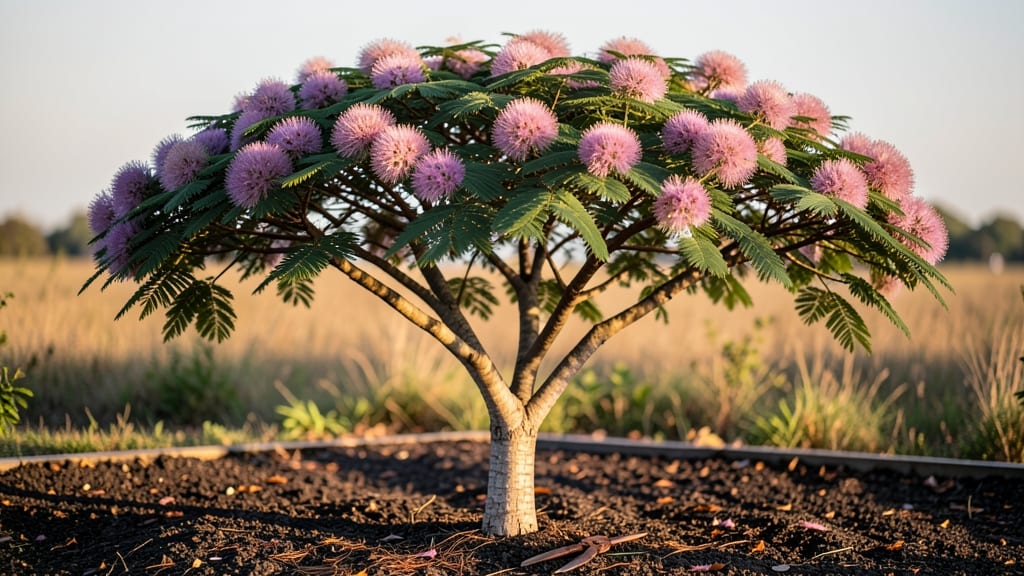
Mimosa tree flowers (Albizia julibrissin) turn summer into a dreamy haze of pink fuzz and sweet perfume—like nature’s own confetti cannon. 🌸 I’ve grown them for years, and the secret to their nonstop blooms isn’t complicated: it’s all about timing, sunlight, and a little strategic pruning.
These trees reward patience with three seasonal flushes of flowers, from spring through fall, if you play by their rules.
The key starts with full sun and well-draining soil—think sandy loam with a splash of compost. Mimosa trees thrive in USDA zones 6-9, but they’re tough enough to handle brief cold snaps once established.
Plant them in spring after the last frost, and watch for those first delicate pink pom-poms by early summer. The flowers aren’t just pretty; they’re fragrant enough to fill a whole yard with a sweet, honey-like scent that lingers at dusk.
Pruning is where the magic happens. A light trim in late winter, a harder cut in early summer after the first bloom, and a final tidy-up in fall keep the tree compact and flowering like crazy.
The flowers grow on new wood, so pruning encourages more blooms—just avoid over-trimming, or you’ll sacrifice next year’s show. With the right care, your mimosa could bloom longer and harder than any neighbor’s.
Perfect for sunny lawns, large containers, or as a focal point in cottage gardens. The fluffy flowers even make great cut blooms for summer arrangements. Here’s how to coax the most out of yours—no green thumb required.
📚 In This Guide
- What you need
- Instructions
- Tips and common mistakes
- Wrapping up and next steps
What you need
- ● Mimosa tree (Albizia julibrissin): Option 1: Bare-root sapling (1-2 years old, 1-3 ft tall)
- ● Option 2: Potted mimosa tree (3-5 gallons, healthy root system)
- ● Option 3: Seeds (harder to grow; requires stratification)
- ● Planting site: Full sun (6+ hours daily)
- ● Well-draining soil (pH 6.0–7.5)
- ● Space: 20–30 ft apart (for mature trees)
- ○ Soil amendments (optional but helpful): Compost (1–2 bags, 5–10 lbs each)
- ● Sand or perlite (for sandy/clay soil, 5–10 gallons)
- ● Digging tools: Shovel (round-point or spade)
- ● Trowel (for seedling planting)
- ● Pruning supplies: Bypass pruners (sharp, sterilized)
- ● Loppers (for thicker branches, 2–3 ft reach)
- ● Garden gloves (cut-resistant)
- ● Watering: Hose with adjustable nozzle or watering can (1–2 gallons capacity)
- ○ Drip irrigation kit (optional, for consistent moisture)
- ● Mulch: Organic mulch (pine straw, wood chips; 2–3 inches thick, 3–5 ft radius)
- ● Best planting time: Spring (after last frost) or early fall (USDA Zones 6–9)
- ● Climate notes: Hardy to -15°F (but young trees need winter protection)
- ● Avoid waterlogged areas (mimosas hate soggy roots!)
- ○ Optional extras: Tree stake (for young saplings, 1–2 ft tall)
- ● Fertilizer (balanced 10-10-10, 1 lb per tree annually)
- ● Pest control (neem oil spray, for aphids/whiteflies)
Step-by-Step guide to pruning mimosa trees for year-round blooms
Here's how to keep your mimosa tree flowering beautifully through all seasons.
✂️ Step 1: Trim for Spring Growth and Initial Blooms
Start your first trim in late winter or early spring before new growth begins. Use sharp pruning shears to remove any dead, damaged, or crossing branches first—these are the ones that steal energy from your blooms. I like to cut just above a leaf node or outward-facing bud to encourage healthy new growth.
Next, shape the tree by reducing its height by one-third if needed. Mimosa trees respond well to this aggressive early pruning, producing lush, bushy growth perfect for spring flowers. Watch for fresh green buds forming along the branches—this is your signal that the tree is waking up and ready to bloom.
🌿 Step 2: Light Summer Pruning to Encourage Mid-Season Flowers
About 6-8 weeks after spring blooms fade, give your mimosa a second trim. This time, focus on thinning out the center of the tree to improve airflow and sunlight penetration. Remove any branches growing inward or rubbing against others—these create weak spots where diseases can take hold.
Cut back some of the longest branches by one-half to promote bushier growth and more flower clusters. You'll see new shoots emerging within 2-3 weeks—these will develop into your mid-summer blooms. Avoid heavy pruning now, as it can stress the tree during hot weather.
☀️ Step 3: Late Summer Pruning for Fall and Winter Interest
Your final pruning of the year should happen in early to mid-fall, after the second flush of flowers has finished. This is where you'll shape the tree for winter interest. Remove any remaining dead branches and any growth that looks diseased or weak—these will only detract from your tree's winter silhouette.
Lightly trim back the outer branches to maintain the tree's shape, but don't cut more than one-quarter of the total growth. The goal here is to keep the tree looking natural while encouraging next year's spring growth. You'll notice fresh new growth starting in late winter—this is your mimosa preparing for another spectacular bloom season.
⏰ Step 4: Winter Maintenance for Next Year's Blooms
During the winter months, your mimosa needs minimal attention, but keep an eye out for any branches that have died back completely. These should be removed in early spring before new growth begins. Avoid heavy pruning in winter, as the tree is dormant and more vulnerable to stress.
Here's the thing—mimosa trees reward consistent care. By following this three-pruning cycle, you'll enjoy fragrant blooms in spring, summer, and even fall, with a stunning winter silhouette to boot. The key is timing: always prune just before a growth flush, and you'll keep your mimosa thriving for years.
Tips & tricks for perfect mimosa tree flowers
Your mimosa tree's fragrance and beauty depend on timing and technique—here's how to get it right.
Timing is Everything: The key to year-round blooms lies in pruning just before new growth begins. In Step 1, when you're cutting back by one-third in late winter, look for those fresh green buds—they're your signal that the tree is waking up. If you prune too early, you'll cut off potential blooms; too late, and you'll miss the growth flush. I always check for these buds before making my cuts.
Tool Matters: Sharp pruning shears are non-negotiable. Dull blades tear branches, creating jagged wounds that take longer to heal and invite disease. Clean your shears with rubbing alcohol between cuts to prevent spreading any potential pathogens. For larger branches, use loppers—never prune with scissors or kitchen knives, as they can't handle the job properly.
Shape Smart: When you're thinning the center in Step 2, aim to create a vase-like shape that opens up to sunlight. This improves airflow and prevents fungal issues. Remember, you're not just cutting branches—you're sculpting the tree's future. The goal is to maintain that natural, airy silhouette that mimosa trees are known for while encouraging new growth from the inside out.
Seasonal Adjustments: In Step 3, when you're doing your fall pruning, be extra gentle with outer branches. You want to maintain the tree's shape without over-stressing it. The one-quarter rule is your guide here—any more than that, and you risk stunting next year's spring growth. Think of this as a light touch-up rather than a major transformation.
Pro Tips for Mimosa Tree Flowers
- Your mimosa tree's fragrance and beauty depend on timing and technique—here's how to get it right.
- Timing is Everything: The key to year-round blooms lies in pruning just before new growth begins.
- Tool Matters: Sharp pruning shears are non-negotiable.
Frequently asked questions
Got questions about mimosa tree flowers?
You’re not alone! Here are some of the most common queries—plus quick, practical answers to help you grow and enjoy these fragrant blooms with confidence.
When do mimosa tree flowers bloom, and how long do they last?
Mimosa tree flowers (like Albizia julibrissin) typically bloom in late spring to early summer, with pink, fern-like clusters that last 2–3 weeks per flush. With proper pruning (like the 3-season trims in this guide), you can encourage secondary blooms in fall! Just avoid heavy pruning after mid-summer to avoid cutting off potential buds.
Why aren’t my mimosa tree flowers opening, even though there are buds?
If buds aren’t opening, check these 3 common culprits:
- Lack of sunlight: Mimosa trees need full sun (6+ hours/day). Move yours to a sunnier spot or thin nearby foliage.
- Overwatering: Soggy soil can suffocate roots. Water deeply 1–2 times/week (less in winter) and ensure drainage.
- Nutrient deficiency: Yellowing leaves or weak growth? Feed with a balanced fertilizer (10-10-10) in early spring.
Pro tip: Gently shake the tree on a calm day—vibration can trigger bud opening!
Can I grow mimosa tree flowers in pots, or do they need to be planted in the ground?
Yes! Mimosa trees thrive in large containers (15+ gallons) if you:
- Use well-draining potting mix (add perlite or sand).
- Repot every 2–3 years to refresh soil.
- Place pots in full sun and protect from strong winds.
Just note: Potted mimosas may bloom less prolifically than in-ground trees. For best results, upgrade to the ground after 3–5 years.
Are mimosa tree flowers toxic to pets or children?
Mimosa tree flowers and leaves are non-toxic to cats, dogs, and kids, according to the ASPCA. However, ingesting large amounts might cause mild stomach upset (like vomiting or diarrhea). If you’re concerned, keep pets away from chewed leaves or fallen blooms. Always monitor interactions!
What’s a good alternative if I want fragrant flowers but can’t grow mimosa trees?
If mimosas are tricky in your climate, try these fragrant, low-maintenance alternatives:
Plant
Fragrance Notes
Care Level
Crape Myrtle (Lagerstroemia)
Sweet, honey-like blooms
Easy (drought-tolerant)
Wisteria
Intoxicating, grape-scented clusters
Moderate (needs trellis)
Jasmine (Jasminum)
Classic floral, night-blooming
Easy (great for containers)
For instant fragrance, opt for jasmine—it’s hardy and blooms year-round in warm zones!
Wrapping up and next steps
Growing mimosa tree flowers is a rewarding journey that fills your garden with year-round fragrance and beauty—all with just three seasonal trims! Whether you're a seasoned gardener or a beginner, these delicate blooms are well worth the effort.
Remember, patience and consistency are key, and soon, your yard will be a fragrant haven.
Ready to transform your outdoor space? Start by gathering your supplies and scheduling your first trim—your mimosa tree’s blooms are waiting for you! 🌸✨