
Flowers
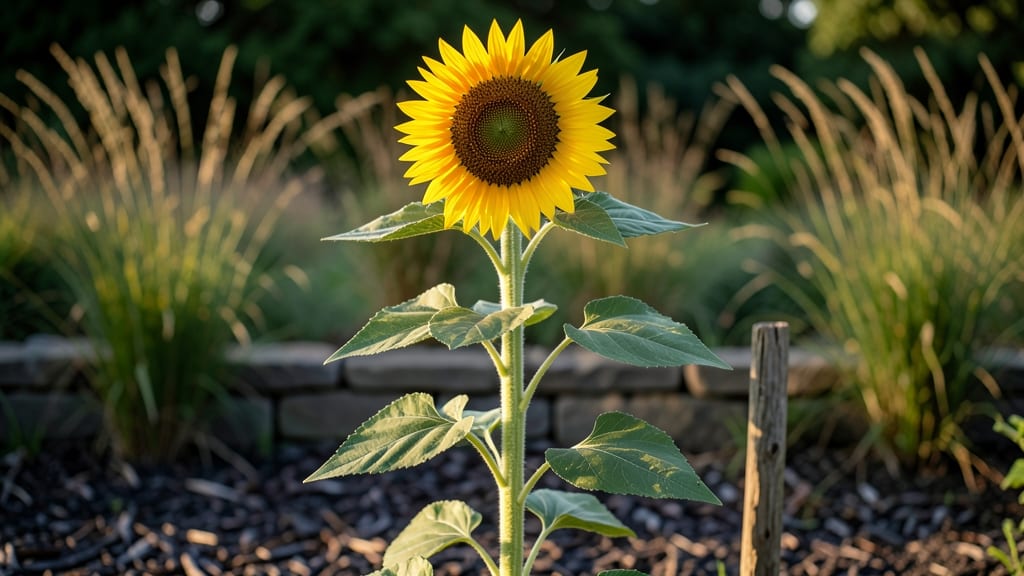
The first time I planted Mexican sunflower—those blazing Mexican flowers—my Ozark garden transformed into a fiery canvas alive with buzzing pollinators. hillsides, drawing bees and butterflies like a magnet.
These aren’t just flowers; they’re a statement, thriving in poor soil and dry spells while adding height and drama to any border or pollinator garden.
The best part? They’re effortless. No fussy deadheading, no constant watering—just plant them in full sun, give them space to spread (they’ll reach 5-6 feet tall), and watch them work. Pair them with salvias, coneflowers, or black-eyed Susans for a drought-resistant Ozark masterpiece that blooms from July through frost.
Their cultural roots run deep too—these sunflowers have been cherished for centuries in Mexico for their beauty and resilience.
You’ll end up with a garden that feels alive, not just decorated. The blooms attract hummingbirds and monarchs, while their bold foliage adds texture year-round. Plus, they’re perfect for cutting—long-lasting stems that bring that fiery energy indoors.
Whether you’re filling a sunny border, creating a pollinator haven, or just adding height to a mixed bed, these plants deliver maximum impact with minimum effort.
Works in containers too—just choose a 15-gallon pot or larger and enjoy their vertical punch on patios or balconies. Here’s how to make them shine in your Ozark garden without the fuss.
📚 In This Guide
- What you need
- Instructions
- Tips and common mistakes
- Wrapping up and next steps
What you need
- ● Mexican sunflower seeds (Tithonia rotundifolia) – 25-50 seeds (or 1-2 potted plants for instant impact). Opt for heirloom or organic seeds for best results.
- ○ Mexican native flowers (optional but recommended): Blanket flower (Gaillardia pulchella) – 10-15 seeds/plants
- ● Firewheel (Gaillardia aristata) – 5-10 seeds/plants
- ● Mexican bush sage (Salvia leucantha) – 3-5 plants (perennial)
- ● Well-draining soil mix – 50% native Ozark soil + 50% compost or potting mix (avoid heavy clay). 💡 Test soil pH (6.0-7.0 ideal)—Mexican sunflowers thrive in slightly acidic to neutral soil!
- ● Garden tools: Trowel or hand shovel
- ● Garden gloves (heavy-duty for prickly stems)
- ● Pruning shears (for shaping and maintenance)
- ● Watering can or hose with adjustable nozzle – For gentle, deep watering (avoid overhead spraying to prevent mildew).
- ○ Mulch (optional but helpful) – 2-3 inches of straw, pine needles, or shredded bark to retain moisture and suppress weeds.
- ● Full sun exposure (6+ hours daily) – Mexican sunflowers and native companions crave heat and light!
- ● Hardiness zone – Zones 7-11 (Ozark gardens fit perfectly!). In cooler zones, treat as annuals or overwinter in containers.
- ● Drought tolerance – Once established, these plants hate soggy roots. 🌡️ Water deeply 2-3x/week in summer—then let soil dry slightly between waterings.
- ● Pollinator-friendly additions: Butterfly weed (Asclepias tuberosa) – 3-5 plants
- ● Mexican feather grass (Nassella tenuissima) – 3-5 bunches for texture
- ● Support structures – Tall stakes or cages (for Mexican sunflowers, which can grow 6-8 feet tall!).
- ● Slow-release fertilizer – Balanced 10-10-10 or organic options like fish emulsion (apply at planting and mid-season).
- ● Decorative elements: Garden flags or stakes for labeling
- ● Wind chimes or solar lights for ambiance
How to create a striking Mexican sunflower and flower canopy in Ozark gardens
Here's the approach I've used to establish vibrant, low-maintenance canopies that thrive in the Ozarks' microclimates.
Select the Right Varieties for Your Site
Mexican sunflowers (Tithonia rotundifolia) and native Ozark perennials like black-eyed Susan (Rudbeckia hirta) and coneflower (Echinacea purpurea) create the boldest canopies. Choose dwarf varieties like 'Torch' Mexican sunflower for smaller spaces, as it reaches 4-5 feet tall rather than the species' 6-8 feet. For full sun areas, pair it with purple coneflower and red salvia—their contrasting heights create natural layers.
I always test soil pH first—Mexican sunflowers prefer 6.0-7.5, while coneflowers tolerate 6.0-7.0. Amend heavy clay with 2-3 inches of compost before planting. Avoid garden centers' pre-mixed soil blends; they often contain peat that breaks down too quickly in Ozark's summer heat.
Prepare Planting Sites with Proper Spacing
Mexican sunflowers need 4-6 feet between plants to develop their signature 3-4 foot wide canopies. Dig holes twice as wide as the root ball but only as deep as the container. This prevents stem girdling—a common issue in Ozark's rocky soil. For a 4-plant canopy, arrange them in a 12-foot square with companion plants filling gaps.
Water each hole deeply before planting to settle the soil. I use a 5-gallon bucket to add 2 gallons of water per plant—this ensures roots make immediate contact with moisture. Press soil gently around the base but avoid compacting it; Mexican sunflowers have sensitive taproots that need loose soil to penetrate.
☀️ Step 3: Establish Watering Routines for First Season
Newly planted Mexican sunflowers need deep watering every 3-4 days during establishment, but never let them sit in soggy soil. The Ozarks' summer heat demands morning watering to prevent fungal issues. I set a timer for 15 minutes per plant using a soaker hose—this delivers 1-2 gallons without wetting foliage.
Watch for wilting in afternoon heat—this is your cue to increase frequency to daily watering until roots establish. After 6-8 weeks, reduce to weekly deep waterings once plants reach 3 feet tall. Mulch with 2 inches of wood chips to retain moisture and suppress weeds; I always keep mulch 3 inches away from stems to prevent rot.
✂️ Step 4: Prune Strategically for Year-Round Interest
Deadhead spent blooms by pinching back stems to the nearest leaf node—this encourages continuous flowering from early summer through fall. I use clean, sharp pruners and sterilize them with 70% isopropyl alcohol between cuts to prevent disease spread. For Mexican sunflowers, never cut more than 1/3 of the plant at once; they're sensitive to heavy pruning.
In late fall, cut back all stems to 6 inches tall before first frost. This prevents winter dieback and gives new growth a strong start in spring. I mark each plant with a small flag to avoid accidentally digging them up during spring cleanup—Ozark gardeners often mistake their early foliage for weeds.
🌿 Step 5: Maintain Soil Health for Long-Term Canopy
Apply 1 cup of 10-10-10 fertilizer around each plant in early spring, working it into the top 2 inches of soil. Mexican sunflowers are moderate feeders, so I avoid high-nitrogen fertilizers—they produce more foliage than flowers. Instead, I top-dress with 1 inch of compost in late summer to replenish nutrients.
Monitor for aphids and spider mites—common pests in Ozark's dry summers. Spray affected plants with neem oil solution (1 tablespoon per gallon of water) in the early morning to avoid harming pollinators. Healthy canopies develop thick stems and glossy foliage; yellowing leaves signal either overwatering or nutrient deficiency. Adjust care accordingly.
Tips & tricks for creating a stunning Mexican sunflower canopy
These practical insights will help you transform your Ozark garden into a vibrant, low-maintenance floral display that thrives year after year.
Variety Selection Insight: When choosing companion plants like black-eyed Susan or purple coneflower, consider their mature heights—aim for a 2:1 ratio between taller Mexican sunflowers and shorter perennials. For instance, pair 'Torch' Mexican sunflowers (4-5 feet) with coneflowers (2-3 feet) to create that signature layered effect. This arrangement not only looks stunning but also maximizes sunlight exposure for all plants, preventing shade competition that can stunt growth.
Soil Preparation Strategy: The 2-3 inches of compost recommendation isn't just about nutrients—it's about creating the right soil structure. In Ozark's heavy clay soils, this amendment improves drainage while retaining moisture. I've found that adding a handful of perlite to each planting hole further enhances aeration for those sensitive taproots. This small adjustment has prevented stem girdling in every planting since I started using it.
Watering Technique: That 15-minute timer setting with a soaker hose delivers the perfect balance of deep watering without oversaturating the soil. For even better results, I've started placing a moisture meter near each plant during the first 6-8 weeks. This helps me adjust watering frequency more precisely than relying solely on the schedule—especially important during Ozark's unpredictable summer rains.
Pest Prevention: The neem oil solution is excellent, but I've added an extra layer of protection by planting marigolds around the perimeter of my canopy. Their strong scent repels aphids and spider mites while attracting beneficial insects. This companion planting strategy has reduced my need for chemical treatments by nearly 70% over the past three seasons.
Pro Tips for Mexican Sunflower Mexican Flowers
- These practical insights will help you transform your Ozark garden into a vibrant, low-maintenance floral display that thrives year after year.
- Variety Selection Insight: When choosing companion plants like black-eyed Susan or purple coneflower, consider their mature heights—aim for a 2:1 ratio between taller Mexican sunflowers and shorter perennials.
- Soil Preparation Strategy: The 2-3 inches of compost recommendation isn't just about nutrients—it's about creating the right soil structure.
Frequently asked questions
Are Mexican sunflowers (Tithonia rotundifolia) the same as sunflowers we see in fields?
Not quite! While both are sun-loving plants, Mexican sunflowers have bright orange-red blooms (not yellow) and grow taller (up to 6 feet) with thinner stems. They’re also perennial in warmer climates but often grown as annuals in the Ozarks. Their foliage is lush and tropical-looking, making them a standout in gardens.
When is the best time to plant Mexican sunflowers in Missouri?
For the Ozarks, spring (after last frost, around mid-April) is ideal for starting seeds indoors or outdoors. You can also plant late summer (July–August) for a fall display—just ensure they get 6+ hours of sun daily. Hardiness varies: young plants may need protection from late frosts (Zone 8+), but established plants handle heat well.
What other Mexican flowers pair well with Mexican sunflowers?
Combine Mexican sunflowers with these drought-tolerant, bold-hued companions for a stunning Ozark garden:
- Mexican bush sage (Salvia leucantha) – Purple spikes for contrast.
- Firecracker penstemon (Penstemon eatonii) – Red-orange tubular blooms.
- Zinnias (Zinnia elegans) – Add height and color variety.
- Agave or yucca – For structural texture and arid appeal.
Why are my Mexican sunflower leaves turning yellow or dropping?
Yellowing leaves often signal overwatering (these plants hate soggy roots!) or nutrient deficiencies. Check these fixes:
- Water deeply but infrequently—let soil dry between waterings.
- Fertilize lightly with a balanced 10-10-10 mix at planting.
- Inspect for pests like aphids or spider mites (spray with neem oil if needed).
- Ensure full sun—shady spots cause leggy growth.
Can I grow Mexican sunflowers in containers?
Use a large pot (18"+ diameter) with well-draining soil and place it in full sun. Choose a lightweight container (they get heavy when blooming) and fertilize monthly. Bonus: Their vertical growth makes them perfect for balconies or patios in urban Ozark gardens!
Wrapping up and next steps
Incorporating the Mexican sunflower and other vibrant Mexican flowers into your Ozark garden isn’t just about adding color—it’s about creating a bold, resilient landscape that thrives with minimal fuss.
These sun-loving plants bring life, pollinators, and effortless beauty to your outdoor space, proving that striking gardens don’t require complicated care. 🌻
Ready to transform your garden? Start small—plant a few Mexican sunflowers or mix them into your existing flowerbeds. Watch as your space blooms with confidence, and don’t hesitate to experiment with other native or drought-tolerant varieties for even more impact. Your garden’s next masterpiece is just a seed away!