
Flowers
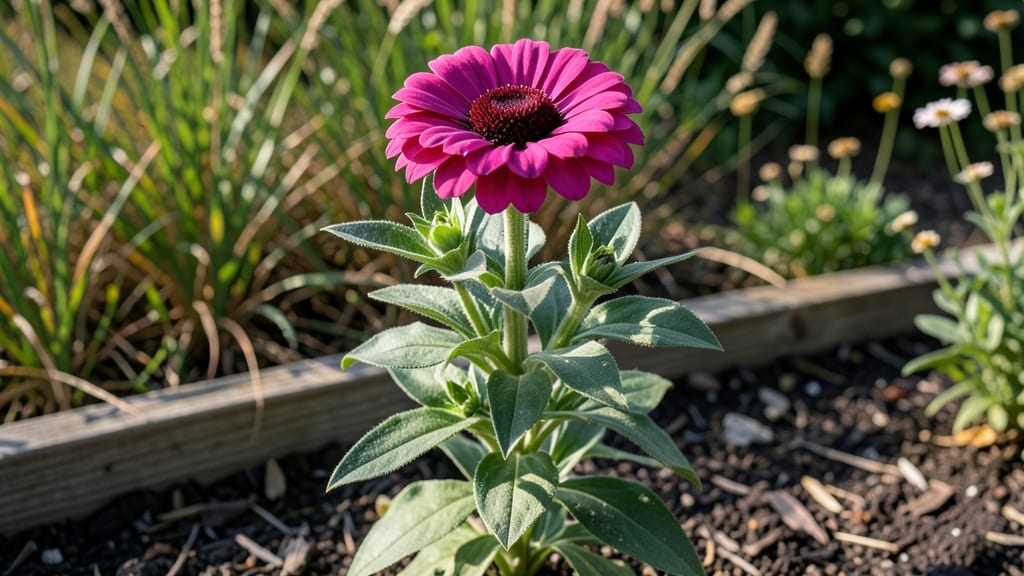
The magenta zinnia flower doesn’t just bloom—it commands attention with its velvety petals and bold, jewel-toned presence. ✨ I planted mine along my front walk this spring, and neighbors now ask if I painted the garden.
The secret isn’t just their color; it’s how they layer with other flowers, creating a summer canopy that hums with life.
These zinnias thrive in full sun, reaching heights of 2-3 feet, which makes them perfect for borders, cutting gardens, or even as dramatic focal points.
Pair them with silver foliage like lamb’s ear or dusty miller to make the magenta pop even harder, or mix in deep purples like salvia for a moody, sophisticated look. Their ability to attract bees and butterflies means your garden won’t just look stunning—it’ll feel alive.
By mid-July, your garden will be a magnet for pollinators, with zinnias blooming nonstop until frost. The flowers cut beautifully for arrangements too, holding their color for days. Place them where you’ll see them daily—a window box, a front-row border, or even in containers on your patio.
They’re the kind of plant that makes gardening feel like a celebration.
No fuss required: just full sun, well-drained soil, and occasional deadheading to keep the blooms coming. That’s it. Whether you’re going for a cottage-core vibe or a modern, high-contrast look, magenta zinnias deliver drama with minimal effort. Let’s make your summer garden unforgettable.
📚 In This Guide
- What you need
- Instructions
- Tips and common mistakes
- Wrapping up and next steps
What you need
- ● Magenta zinnia seeds: Choose a variety like 'Benary’s Giant Double Magenta' or 'Crystal Magenta'. Buy 50-100 seeds (or 1-2 seed packets) for a full bloom.
- ● Well-draining potting mix: 10-15 lbs of high-quality, organic soil blend (e.g., Miracle-Gro or FoxFarm Ocean Forest).
- ● Containers or garden bed: For containers: 5-inch diameter pots (minimum) or larger (e.g., 1-gallon pots for 3-5 seeds each).
- ● For in-ground planting: A sunny spot with 6+ hours of sunlight daily and loose, fertile soil.
- ● Watering can or hose: With a gentle spray nozzle to avoid disturbing seeds.
- ○ Plant labels: Waterproof tags to mark your magenta zinnias (optional but helpful!).
- ○ Gloves (optional): To protect hands from soil or thorns (some varieties have prickly stems!).
- ● Trowel or small shovel: For transplanting seedlings (if starting indoors).
- ○ Fertilizer (optional): Balanced liquid fertilizer (e.g., 10-10-10) or compost to boost growth.
- ● Slow-release granules (e.g., Osmocote) for long-term feeding.
- ● Pruning shears: For deadheading spent blooms (encourages more flowers!).
- ○ Mulch (optional): 2-3 inches of straw or shredded leaves to retain moisture and suppress weeds.
Step-by-step guide to growing stunning magenta zinnias
Here's how to coax bold, long-lasting blooms from seed to summer showstopper.
🌱 Step 1: Start Seeds Indoors for Early Blooms
Fill biodegradable seedling pots with seed-starting mix, moistening it until damp but not soggy. Plant magenta zinnia seeds ¼ inch deep—they're tiny, so I use a toothpick to create precise holes. Cover lightly with more mix, then mist gently until the surface looks evenly damp.
Place pots in a warm spot (around 70-75°F) under a grow light or in a sunny window. Germination takes 7-14 days, but don't be tempted to water until you see tiny green sprouts breaking through. Here's the thing—zinnias hate soggy soil at this stage, and overwatering will cause them to rot before they even get started.
☀️ Step 2: Harden Off and Transplant After Frost
Once seedlings have 2-3 sets of true leaves (about 4-6 weeks after sowing), it's time to toughen them up. Start by moving them outside for 1-2 hours daily in a sheltered spot, gradually increasing their time outdoors over 7-10 days. This process, called hardening off, prevents shock when they face real sun and wind.
After the last frost date, transplant seedlings 12-18 inches apart in well-draining soil. I like to dig a hole twice as wide as the root ball to encourage outward growth. Water deeply right after planting to settle the soil and remove the pots—biodegradable ones will dissolve over time, giving roots a gentle transition.
💧 Step 3: Maintain Consistent Water and Sun
Zinnias thrive in full sun (at least 6-8 hours daily) and well-draining soil. Water at the base of the plant in the morning to keep foliage dry, which prevents fungal diseases. You'll know it's time to water when the top 1-2 inches of soil feel dry—don't let them wilt, but avoid soggy conditions too.
Once blooms appear, deadhead spent flowers by pinching them off just above a set of leaves. This encourages more blooms and keeps your magenta zinnias looking vibrant all season. I also add a balanced 10-10-10 fertilizer every 4-6 weeks to keep them thriving—just follow the package instructions for application rates.
✂️ Step 4: Prune for Bushier Growth and Longer Blooms
When your zinnias reach about 12 inches tall, give them a light trim by cutting back the main stem just above a set of leaves. This encourages side branches to grow, creating a fuller, bushier plant. You'll see new growth within 2-3 weeks, and your magenta blooms will last longer because you're promoting continuous flowering.
Watch for leggy stems that stretch toward the sun—this usually means they need more light or support. If needed, stake taller varieties or weave them through a small trellis. Prune again in late summer to remove any woody or dead stems, giving your zinnias a second flush of blooms before frost.
Tips & tricks for perfect magenta zinnias
Here's what nobody tells you about growing these vibrant bloomers—little details that make all the difference.
Seed Starting Secret: Those tiny magenta zinnia seeds need precision planting at exactly ¼ inch deep. I swear by using a toothpick to create the perfect holes—it's the only way to get them spaced just right without crushing them. After planting, give the mix a gentle mist until it looks evenly damp, but don't overdo it. The soil should feel like a wrung-out sponge, not a swamp.
Germination Patience: The 7-14 day germination window can feel like forever, but resist the urge to check daily. Zinnias hate soggy soil at this stage, and overwatering will cause them to rot before they even sprout. Place a small piece of clear plastic wrap over the pots to retain moisture, but remove it daily for 10 minutes to prevent mold. Once you see those first green sprouts, you'll know you've done it right.
Harden Off Gradually: The 7-10 day hardening off process is crucial for preventing transplant shock. Start with just 1-2 hours in a sheltered spot on day one, then increase by 30 minutes each day. I like to place my seedlings on a porch or under a patio cover where they get dappled sunlight. This gradual transition helps them develop thicker stems that can handle full sun and wind.
Pruning for Bushiness: When your zinnias reach about 12 inches tall, give them that first pruning by cutting back the main stem just above a set of leaves. This might seem counterintuitive, but it triggers the plant to produce side branches, creating a fuller, bushier plant. You'll notice new growth appearing within 2-3 weeks, and your blooms will last longer because you're encouraging continuous flowering.
Pro Tips for Magenta Zinnia Flower
- Here's what nobody tells you about growing these vibrant bloomers—little details that make all the difference.
- Seed Starting Secret: Those tiny magenta zinnia seeds need precision planting at exactly ¼ inch deep.
- Germination Patience: The 7-14 day germination window can feel like forever, but resist the urge to check daily.
Frequently asked questions
Got questions about growing and caring for magenta zinnia flowers? You’re not alone! Here are some of the most common queries—and their easy answers—to help you cultivate a stunning summer display with confidence.
How long does it take for magenta zinnias to bloom after planting?
Magenta zinnias typically bloom 6–8 weeks after sowing seeds (or 4–6 weeks after transplanting seedlings). For faster results, opt for pre-started seedlings from a nursery. Pinch back the tips of young plants to encourage bushier growth and more blooms!
How often should I water magenta zinnias, and do they need special care?
Water zinnias deeply 1–2 times per week (adjust for extreme heat/drought). Avoid overhead watering to prevent fungal diseases like powdery mildew. Mulch around the base to retain moisture and keep roots cool. These hardy flowers thrive with moderate neglect—just don’t let them dry out completely!
Are magenta zinnias good for attracting pollinators like bees and butterflies?
Absolutely!
Zinnias are a pollinator magnet, especially for bees, butterflies, and hummingbirds. Their bright magenta hue signals nectar-rich blooms, making them a must-have for eco-friendly gardens. Plant them near herbs or veggies to boost your garden’s biodiversity.
Can I grow magenta zinnias in containers, or do they need a garden bed?
Yes! Zinnias adapt well to containers 12+ inches deep with drainage holes. Use a lightweight potting mix and place pots in full sun. Dwarf varieties (like ‘Thumbelina’) are ideal for small spaces. Just ensure they get enough water and nutrients—container plants dry out faster!
What should I do if my magenta zinnias stop blooming or look leggy?
Leggy or non-blooming zinnias often need a pruning boost. Snip back overgrown stems to encourage new growth and more flowers. Deadhead spent blooms regularly to promote continuous flowering. If growth stalls, check for underwatering, poor soil, or pests (like aphids) and adjust care.
Are there magenta zinnia alternatives with similar care needs?
If you love magenta zinnias but want variety, try:
- Cosmos (drought-tolerant, self-seeding, and pollinator-friendly)
- Celوسy (elegant spikes, attracts butterflies, thrives in heat)
- Marigolds (pest-repelling, vibrant, and low-maintenance)
- Salvia (long bloom season, hummingbird favorite)
Wrapping up and next steps
The magenta zinnia isn’t just a burst of summer color—it’s a pollinator magnet, a low-maintenance stunner, and a gardener’s dream. Whether you’re luring bees, boosting your garden’s vibrancy, or simply craving easy-growing beauty, these flowers deliver big on charm and function. 🌸
Ready to dive in? Start by grabbing seeds (or cuttings!) and a sunny spot—your garden’s next star is just a few weeks away. Happy planting! 🌱