
Flowers
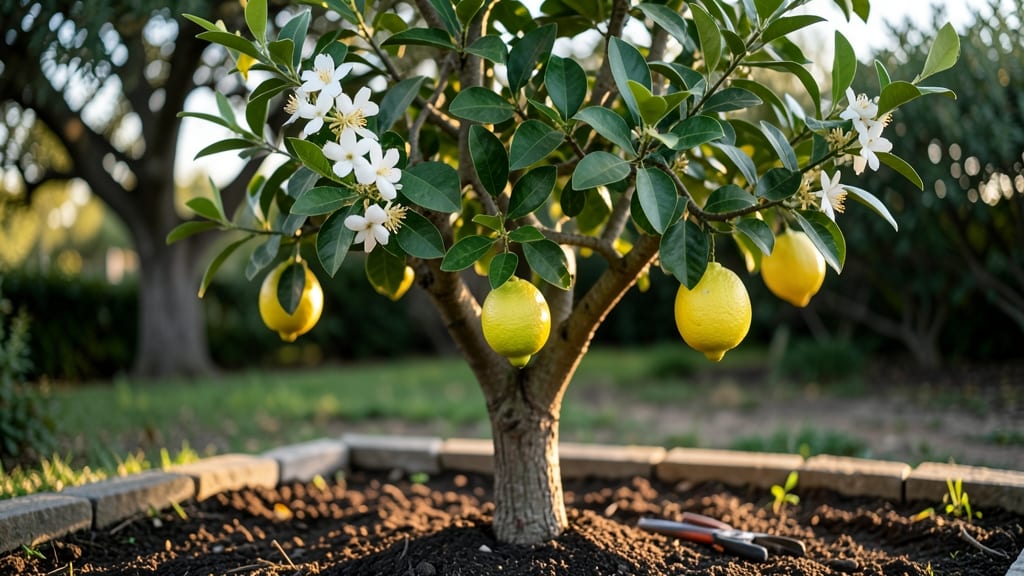
Growing lemon fruit flowers in containers means waking up to a fragrant canopy that smells like sunshine and possibility. 🌿 I’ve nurtured these delicate blooms through winters and summers, and the secret isn’t just sunlight—it’s patience, the right soil, and a little help with pollination.
My first lemon tree took two years to flower, but once it did, the scent alone made every effort worth it.
The magic starts with a dwarf variety in a 15-gallon pot—big enough for roots to spread but small enough to move indoors when temperatures dip. You’ll need well-draining soil, a south-facing window or grow light, and regular watering that keeps the soil moist but never soggy.
The real trick? Hand-pollinating flowers with a soft brush in the morning when they’re freshest—this doubles your chances of fruit.
By late summer, you’ll be harvesting lemons that burst with flavor, their bright yellow skins a reward for your care. The flowers themselves keep blooming all season, filling the air with a citrusy perfume that’s impossible to resist.
Even in small spaces, this fragrant canopy transforms any patio or balcony into a little slice of Mediterranean paradise.
Works for both beginners and experienced growers—just adjust water and light as seasons shift. The key is consistency, not perfection. Let’s get those blooms thriving!
📚 In This Guide
- What you need
- Instructions
- Tips and common mistakes
- Wrapping up and next steps
What you need
- ● Lemon fruit flower plant: 1-2 Meyer lemon or lemon fruit flower seedlings/saplings (ensure they’re disease-free and labeled for flowering varieties).
- ○ Optional: Grafted lemon trees (for faster blooms and fruit).
- ● Containers (if growing in pots): 1-2 12-18 inch diameter pots with drainage holes (terracotta or fabric grow bags work best).
- ○ Optional: Self-watering pots for convenience.
- ● Well-draining potting mix: 50% cactus/succulent mix + 30% perlite + 20% compost (or a pre-mixed citrus blend).
- ● Pro tip: Avoid garden soil—it compacts and causes root rot! 🌡️
- ● Fertilizer: Balanced citrus fertilizer (e.g., 6-6-6 or 8-3-9 NPK ratio) or fish emulsion (diluted to half-strength).
- ○ Optional: Slow-release granules for low-maintenance care.
- ● Pruning tools: 1 pair sterilized pruning shears (for shaping and removing dead blooms).
- ○ Optional: Sharp bypass pruners for larger branches.
- ● Support (for heavy branches): 1-2 bamboo stakes or a small trellis (if growing in containers).
- ● Sunlight: Minimum 6-8 hours of direct sunlight daily (south-facing windows or outdoor spots).
- ● Temperature: Ideal range: 60–85°F (15–29°C). Avoid drafts or temps below 40°F (4°C).
- ● Watering setup: Watering can with a rose attachment (for gentle, deep watering).
- ○ Optional: Drip irrigation system for automated care.
- ● Patience: Lemon fruit flowers may take 1-3 years to bloom fully, depending on care and variety!
Step-by-step instructions for cultivating a fragrant lemon flower canopy
Here’s how to coax those intoxicating blooms into your containers year after year.
🌱 Step 1: Choose the Right Container and Soil Mix
Pick a 5-gallon container with drainage holes—lemon flowers need room for roots to spread and hate soggy feet. I like terracotta because it breathes and prevents root rot. Fill the bottom third with gravel or perlite to improve drainage, then add a well-draining potting mix (avoid garden soil—it compacts and suffocates roots).
Mix in a handful of compost for nutrients and a slow-release fertilizer to give your plant a strong start. The soil should feel like a damp sponge—squeeze it gently, and it should hold its shape without dripping. If it crumbles, add a little more water; if it stays clumpy, mix in more perlite.
☀️ Step 2: Plant and Position for Maximum Sunlight
Dig a hole twice as wide as the root ball but only as deep as the container’s original soil line. Gently remove your lemon flower from its nursery pot and place it in the hole, backfilling with soil. Press lightly around the base to eliminate air pockets, but don’t compact it—roots need air to breathe.
Position your container in full sun—at least 6-8 hours daily—for the best blooms. A south- or west-facing spot works best, but if you’re in a hot climate, afternoon shade prevents leaf scorch. Watch for leaves turning pale or crispy at the edges—that’s your cue to move it to a slightly shadier spot for a few hours.
💧 Step 3: Water Deeply and Establish a Routine
Water your lemon flower deeply once a week, soaking the soil until it drains from the bottom. Let it dry out slightly between waterings—sinking a finger 1-2 inches deep into the soil will tell you when it’s time. Overwatering is the fastest way to kill these plants, so resist the urge to water on a schedule unless your soil is bone-dry.
After watering, give the foliage a light misting in the morning to mimic humidity. Lemon flowers love moisture in the air, especially when they’re blooming. You’ll know you’ve got it right when new leaves emerge with a glossy sheen and the soil stays consistently moist but never soggy.
✂️ Step 4: Prune for Bushier Growth and More Blooms
Once your lemon flower reaches 12-18 inches tall, pinch back the tips of new growth to encourage bushier, fuller plants. Use clean pruners to snip just above a leaf node—this is where new branches will sprout. I do this in early spring and again after the first flush of blooms to keep the plant compact and productive.
After flowering, trim back spent blooms to the nearest leaf node. This isn’t just for looks—it redirects the plant’s energy into producing more flowers instead of seed pods. Deadheading also keeps your lemon flower looking tidy and encourages a second bloom cycle in warmer climates.
🌿 Step 5: Feed and Protect for Year-Round Blooms
Every 4-6 weeks, feed your lemon flower with a balanced liquid fertilizer (10-10-10 or 20-20-20). Dilute it to half-strength to avoid burning the roots, and apply it to the soil, not the leaves. You’ll see a difference in 2-3 weeks—leaves will darken, and new growth will appear faster.
In winter, reduce watering and fertilizing but keep the plant in a bright, cool spot (around 50-60°F). Lemon flowers go semi-dormant in cooler months, so don’t panic if growth slows. Bring it back indoors if temperatures drop below 40°F, and you’ll be rewarded with fresh blooms come spring.
Tips & tricks for perfect lemon fruit flower canopy
Here's what I've learned after keeping lemon flowers blooming for years without fail.
The Container Matters More Than You Think: That 5-gallon terracotta pot isn't just about size—it's about airflow. Terracotta wicks moisture away naturally, preventing root rot that's the #1 killer of container-grown lemon flowers. If you must use plastic, add extra perlite to the mix and check drainage holes regularly. I've seen plastic pots trap too much moisture even when following all other steps perfectly.
Sunlight Strategy for Different Climates: The 6-8 hours of full sun is your baseline, but here's the secret: in hot climates (like Southern California), I move my containers to morning sun only and provide afternoon shade. In cooler areas, I supplement with a grow light for 2-3 extra hours during winter. Watch for those crispy leaf edges—they're your plant's SOS signal to adjust position.
Watering Wisdom That Actually Works: That "deeply once a week" rule only works if your soil actually drains properly. After watering, lift the pot—if it's still heavy, you're overwatering. I use a moisture meter now, but even without one, two fingers should come out clean after that 1-2 inch test. The morning misting is non-negotiable during bloom time—it's what gives those flowers their signature fragrance.
Pruning Like a Pro: When you pinch those tips at 12-18 inches, make sure you're cutting just above a leaf node where new growth emerges. I mark my pruning spots with a pencil first to avoid over-trimming. And here's a little-known trick: save those pruned tips in water—they'll root and give you free baby plants! The deadheading step after blooming isn't just about looks; it's how you trick your plant into thinking it's spring again, encouraging that second bloom cycle.
Pro Tips for Lemon Fruit Flower
- Here's what I've learned after keeping lemon flowers blooming for years without fail.
- The Container Matters More Than You Think: That 5-gallon terracotta pot isn't just about size—it's about airflow.
- In cooler areas, I supplement with a grow light for 2-3 extra hours during winter.
Frequently asked questions
1. How long does it take for a lemon fruit flower to bloom after planting?
A lemon tree (like Citrus × limon) typically takes 2–5 years to produce flowers and fruit from seed, but grafted varieties can bloom in as little as 1–2 years with proper care. Patience is key—focus on healthy growth first! For container-grown trees, ensure they get full sun (6+ hours/day) and well-draining soil to speed up the process.
2. Why aren’t my lemon fruit flowers blooming? Troubleshooting tips!
No flowers? Check these common culprits:
- Insufficient sunlight: Lemon trees need bright, direct light (even in winter). Move them closer to a south-facing window or use grow lights.
- Overwatering: Soggy soil stresses roots. Let the top 1–2 inches dry out between waterings.
- Nutrient deficiencies: Feed with a citrus-specific fertilizer (high in nitrogen early, then balanced NPK) every 2–3 months.
- Temperature shocks: Draughts or temps below 40°F (4°C) can halt blooming. Keep them indoors or in a sheltered spot.
3. Can I grow lemon fruit flowers indoors year-round? What’s the best setup?
Lemon trees thrive indoors with the right conditions:
- Light: Place near a south or west window or use LED grow lights (12–14 hours/day).
- Pot size: Start with a 5–7 gallon container and upgrade as it grows. Ensure drainage holes!
- Humidity: Mist leaves or use a pebble tray to combat dry indoor air.
- Pollination: Gently shake branches or use a soft brush to transfer pollen if you want fruit.
4. Will my lemon fruit flower produce actual lemons if grown in a container?
Yes, but with caveats! Container-grown lemon trees can produce fruit, but it depends on:
- Tree age: Younger trees (<3 years) may bloom but rarely fruit.
- Pollination: Indoor trees need help transferring pollen. Hand-pollinate with a small paintbrush.
- Container size: Larger pots (15+ gallons) yield bigger, healthier fruit.
- Patience: Fruit may take 6–12 months to ripen after flowering.
5. What are some low-maintenance alternatives to lemon fruit flowers for fragrant blooms?
If lemon trees seem too finicky, try these fragrant, container-friendly flowers:
Plant
Care Level
Fragrance Notes
Jasmine (Jasminum)
(Moderate)
Sweet, intoxicating (evening blooms!)
Gardenia (Gardenia jasminoides)
(Moderate)
Rich, creamy, tropical
Lavender (Lavandula)
(Easy)
Herbal, calming (drought-tolerant!)
Orange Blossom (Murraya paniculata)
(Moderate)
Citrusy, floral (edible flowers!)
Wrapping up and next steps
Growing a lemon fruit flower isn’t just about adding beauty to your space—it’s a rewarding journey that brings fragrant blooms and edible fruit to your doorstep. 🌿 With the right care, patience, and the tips from this guide, you’ll soon enjoy a thriving, container-friendly plant that keeps giving year after year.
Ready to take the next step? Start by planting your seedling or repotting your lemon tree this weekend—your future citrus canopy awaits! 🌱 For extra inspiration, explore container gardening hacks or join a local plant community to share your progress.