
Flowers
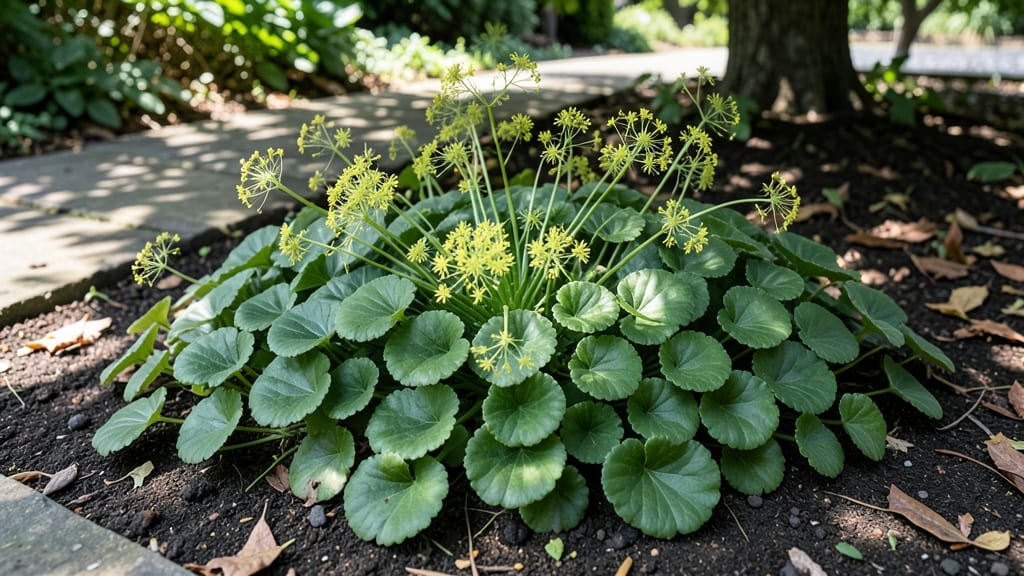
The velvety lady’s mantle flower (Alchemilla mollis) transforms gardens into lush, textured tapestries with its delicate yellow-green blooms—first stealing my heart when it thrived in my shady corner, where most perennials give up. unsung hero of low-maintenance gardens.
Its rounded leaves hold dew like tiny umbrellas, and the way it cascades over edges makes it perfect for borders or containers.
The secret to its success? It’s practically indestructible once established. Lady’s mantle handles poor soil, drought once settled, and even tolerates light shade—ideal for spots where other plants struggle. You’ll find it blooming from late spring through summer, with foliage that stays attractive until frost.
The best part? It self-seeds modestly, so you might end up with more plants than you started with.
Beyond its ornamental value, lady’s mantle has medicinal uses—its leaves were traditionally used for wound healing—and it attracts pollinators like bees and hoverflies. Pair it with hostas, ferns, or astilbes for a lush, layered look, or let it spill over walls for a soft, romantic effect.
With minimal care, it rewards you with years of effortless beauty.
Whether you’re filling a shady spot or adding texture to a border, this perennial delivers year-round interest with almost no fuss. Ready to transform a tricky area into a standout feature? Let’s get growing!
📚 In This Guide
- What you need
- Instructions
- Tips and common mistakes
- Wrapping up and next steps
What you need
- ● Lady’s mantle plants: Start with 3-5 nursery-grown plants (e.g., Alchemilla mollis or Alchemilla vulgaris) for immediate blooms.
- ● OR seeds (if starting from scratch—germination can be slow, so be patient! 🐢).
- ● Well-draining potting soil: 1–2 bags (mix with perlite or sand for aeration, 1 part perlite to 3 parts soil).
- ● Garden bed or containers: For in-ground planting: Choose a 6-inch-deep, sunny-to-part-shady spot (avoid waterlogged areas!).
- ● For containers: Use 10–12-inch pots with drainage holes (1–2 plants per container).
- ● Organic compost: 1–2 cups per planting hole (boosts soil fertility without chemicals).
- ● Mulch: 2–3 inches of shredded bark or straw to retain moisture and suppress weeds.
- ● Garden trowel or hand shovel (for digging holes 12–18 inches apart).
- ● Pruning shears (to trim dead foliage or propagate cuttings in spring).
- ● Watering can or hose with a gentle spray nozzle (lady’s mantle hates soggy roots!).
- ○ Gloves (optional but handy for handling prickly stems or soil).
- ● Sunlight: Partial shade (4–6 hours of sun/day) is ideal—especially in hot climates.
- ● Water: 1–1.5 inches per week (drought-tolerant once established, but keep soil moist for new plants).
- ● pH level: Slightly acidic to neutral (6.0–7.0)—test your soil if unsure!
- ● Patience: Seeds may take 2–3 years to flower, but mature plants thrive for decades!
How to plant and maintain lady's mantle for long-lasting garden elegance
Here's the straightforward method I've used to establish thriving lady's mantle patches that thrive through all seasons.
🌱 Step 1: Choose the Perfect Planting Site
Lady's mantle thrives in partial shade to full sun, making it incredibly adaptable. For best results, select a location with morning sun and afternoon shade—this prevents leaf scorch while ensuring enough light for robust foliage development. The plant tolerates a wide range of soil types but performs best in well-draining, slightly acidic to neutral soil with a pH between 6.0 and 7.0.
Test your soil's drainage by digging a 6-inch deep hole and filling it with water. If the water drains within 30 minutes, your soil is suitable. If it pools longer, amend with 2-3 inches of compost to improve drainage. Lady's mantle also appreciates a slightly moist but never soggy environment—waterlogged roots lead to root rot, which is difficult to reverse.
🪴 Step 2: Prepare the Soil and Plant Correctly
Before planting, loosen the soil to a depth of 12 inches using a garden fork or tiller. This improves root penetration and reduces compaction. Mix in 2-3 inches of organic matter, such as compost or well-rotted leaf mold, to enrich the soil. Lady's mantle has a moderate root system, so spacing plants 18-24 inches apart allows for adequate airflow and reduces the risk of fungal diseases.
Dig a hole twice as wide as the root ball but no deeper than the container. Gently remove the plant from its container and place it in the hole, ensuring the top of the root ball sits level with the surrounding soil. Backfill with the amended soil and press lightly around the base to eliminate air pockets. Avoid compacting the soil too firmly, as this can restrict root growth.
☀️ Step 3: Water and Establish New Plants
After planting, water deeply to settle the soil and encourage root growth. Provide 1-1.5 inches of water per week, either through rainfall or irrigation, especially during the first growing season. Lady's mantle is drought-tolerant once established but benefits from consistent moisture during its first year. You'll know it's thriving when new growth appears within 4-6 weeks—look for deep green, rounded leaves with a slight waxy texture.
Mulch around the base of the plant with 2-3 inches of organic mulch, such as shredded bark or straw, to retain moisture and suppress weeds. Keep the mulch 2-3 inches away from the stem to prevent rot. Avoid overwatering, as lady's mantle prefers moderate moisture and can suffer from root rot if the soil remains soggy for extended periods.
✂️ Step 4: Prune and Maintain for Year-Round Beauty
Prune lady's mantle in early spring before new growth begins to remove any dead or damaged foliage. Cut back one-third of the oldest stems to encourage fresh, vibrant growth. This also helps maintain the plant's rounded, mounded shape and prevents it from becoming leggy. Use clean, sharp pruners to make 45-degree cuts just above a leaf node to promote healthy regrowth.
Fertilize lightly in early spring with a balanced, slow-release fertilizer (10-10-10) applied at half the recommended rate. Lady's mantle is not a heavy feeder, so over-fertilizing can lead to excessive foliage at the expense of its distinctive silvery-white bracts and delicate flowers. Monitor the plant throughout the growing season for signs of pests, such as aphids or spider mites, and treat with neem oil or insecticidal soap if needed.
Tips & tricks for perfect lady's mantle planting
These subtle adjustments will help you avoid common pitfalls and create an ideal environment for your lady's mantle to flourish.
Soil Drainage Test: The 30-minute drainage test in Step 1 is crucial—don't rush this. If water pools after 30 minutes, you'll need to add more compost or create raised beds. I've seen lady's mantle struggle in heavy clay soils where roots suffocate, so take the time to amend properly. This prevents the dreaded root rot that can kill plants within weeks.
Planting Depth Matters: When placing your lady's mantle in Step 2, resist the urge to bury it too deep. The top of the root ball should sit level with the surrounding soil—burying too deep can smother the plant and lead to stem rot. I've had to replant several times after this mistake, so mark the root ball's original soil line with a pencil before planting.
Watering Strategy: The 1-1.5 inches of water per week in Step 3 is ideal, but delivery matters just as much. Water deeply but infrequently—this encourages deep root growth. I use drip irrigation for my lady's mantle patches, delivering water slowly at the soil level rather than overhead. This prevents fungal diseases that can develop from wet foliage.
Pruning Precision: When you cut back one-third of the oldest stems in Step 4, focus on the very center of the plant. This creates airflow and prevents fungal issues while maintaining that lush, rounded shape. I always sterilize my pruners with rubbing alcohol between cuts to prevent spreading any potential pathogens.
Pro Tips for Lady'S Mantle Flower
- These subtle adjustments will help you avoid common pitfalls and create an ideal environment for your lady's mantle to flourish.
- Soil Drainage Test: The 30-minute drainage test in Step 1 is crucial—don't rush this.
- Planting Depth Matters: When placing your lady's mantle in Step 2, resist the urge to bury it too deep.
Frequently asked questions
Got questions about growing and caring for lady’s mantle flower? You’re not alone! Here are answers to the most common queries—whether you’re a beginner or a seasoned gardener looking to troubleshoot.
How do I know when to plant lady’s mantle?
Plant Alchemilla mollis in early spring or fall when soil temperatures are cool (50–60°F). Avoid planting in summer heat, as it can stress young roots. For containers, you can plant anytime the weather cooperates!
Does lady’s mantle spread aggressively?
No—it’s a clumping perennial, not invasive. While it self-seeds lightly, it won’t take over your garden like mint or bamboo. Deadhead spent blooms to minimize unwanted seedlings if needed.
How often should I water lady’s mantle?
Water deeply but infrequently—about 1 inch per week (adjust for rain). Once established, it’s drought-tolerant! Mulch around the base to retain moisture and suppress weeds.
What pests or diseases should I watch for?
Lady’s mantle is pest-resistant, but occasionally you might spot aphids or slugs. Use neem oil for aphids or beer traps for slugs. Overwatering can lead to root rot, so ensure well-draining soil.
Can I grow lady’s mantle in containers?
Choose a 12–18-inch pot with drainage holes. Use a well-draining potting mix and place in partial shade. Containers dry out faster, so monitor soil moisture closely.
Wrapping up and next steps
From its hardy resilience to its versatile beauty, the lady’s mantle flower is a true garden superstar. Whether you’re drawn to its lush foliage, delicate blooms, or natural pest-repelling powers, this perennial delivers year-round charm with minimal fuss.
Ready to transform your outdoor space? Start small—plant a single clump this season and watch it thrive into a lush, low-maintenance masterpiece! 🌿✨
Next steps:
- Pick a sunny or partially shaded spot in your garden.
- Grab some soil, mulch, and a few lady’s mantle plants.
- Get growing—and enjoy the rewards for years to come!