
Flowers
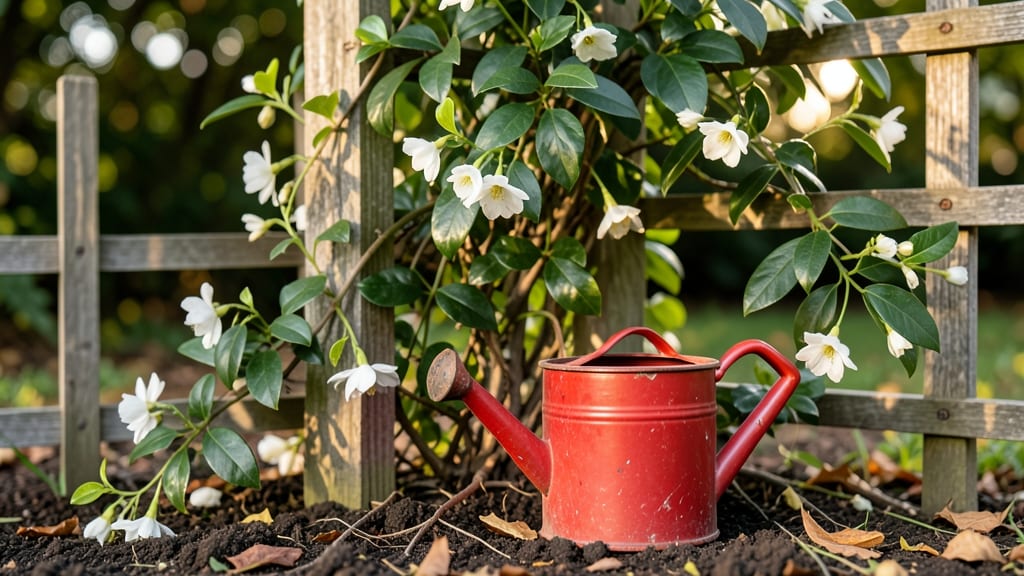
Mastering jasmine flower care outdoor transforms your garden into a fragrant sanctuary—my climbing vines now perfume the evening air from May through October with just the right sunlight and attention. The secret isn’t just regular watering or occasional pruning; it’s matching the plant’s natural habits to your garden’s conditions.
My first attempt failed when I planted it in too much shade, but after moving it to a south-facing wall, the difference was night-and-day fragrance.
You’ll need well-draining soil, at least 6 hours of sunlight daily, and a sturdy trellis or fence for support. Jasmine roots spread aggressively, so plant it where it can climb freely—think pergolas or arbors.
Water deeply once a week (more in extreme heat), but avoid soggy soil, which invites root rot. The most rewarding part? Those star-shaped blooms open at dusk, filling the air with intoxicating perfume that lasts until morning.
Pruning in late winter keeps the plant compact and encourages lush new growth. Simply trim back overgrown stems by one-third, removing any dead or crossing branches. This also prevents the vine from becoming too heavy for its support.
With proper care, your jasmine will reward you with years of fragrant blooms, even in cooler climates where it stays evergreen.
For colder regions, choose hardy varieties like Jasminum officinale and mulch heavily in winter. Container growing works too—just ensure the pot has drainage and move it indoors when temperatures drop below 20°F.
The key is consistency: once established, jasmine needs minimal fuss beyond occasional pruning and watering. That first whiff of blossoms in spring makes every effort worthwhile.
📚 In This Guide
- What you need
- Instructions
- Tips and common mistakes
- Wrapping up and next steps
What you need
- ● Jasmine plants: Choose between Jasminum officinale (common jasmine), Jasminum sambac (Arabian jasmine), or Jasminum grandiflorum (Spanish jasmine). Start with 1-3 mature plants or 6-12 young plants for a fuller display.
- ● Well-draining potting mix: 2-3 gallons per plant (or 1 cubic yard for in-ground planting). Mix 60% garden soil, 30% compost, and 10% perlite/sand for optimal aeration.
- ● Containers (if potted): 1-2 large pots (12-18 inches in diameter) with drainage holes, or hanging baskets (14+ inches wide) for climbing varieties.
- ● Pruning shears: Sharp, bypass-style shears (sterilized with rubbing alcohol).
- ● Slow-release fertilizer: Balanced 10-10-10 or 20-20-20 (use 1 tbsp per plant every 6-8 weeks during growing season).
- ● Mulch: 2-3 inches of organic mulch (e.g., shredded bark or straw) to retain moisture and regulate soil temperature.
- ● Support structure (for climbing varieties): Trellis, arbor, or sturdy fence (at least 6-8 feet tall for vigorous growers like J. grandiflorum).
- ● Watering can or hose with adjustable nozzle: For deep, infrequent watering (aim for 1-1.5 gallons per plant weekly in dry climates).
- ● pH testing kit: Jasmine thrives in slightly acidic to neutral soil (pH 6.0-7.0).
- ● Epsom salt: 1 tbsp dissolved in 1 gallon of water (monthly spray for magnesium boost).
- ● Compost tea: Homemade or store-bought for a nutrient-rich soil amendment.
- ● Copper fungicide: Preventative spray (diluted as directed) to combat powdery mildew.
- ● Soil moisture meter: Ensures you’re watering at the right depth (1-2 inches down).
- ● Decorative stones or pebbles: For a polished look around potted jasmines.
- ● Fragrance-friendly companions: Plant lavender, roses, or gardenias nearby to enhance your sensory garden!
Step-by-Step guide to cultivating fragrant outdoor jasmine
Mastering jasmine's needs transforms your garden into a year-round sensory sanctuary.
Select the Perfect Planting Location
Jasmine thrives in partial shade to morning sun—never harsh afternoon rays that scorch delicate blossoms. Choose a spot with dappled sunlight where it receives 4-6 hours of gentle light daily. I always test locations by observing how sunlight moves through the area during peak hours; jasmine's glossy leaves reveal stress through yellowing when exposed too long.
Ensure the area has well-draining soil—jasmine roots rot quickly in soggy conditions. If your garden soil feels compacted, amend it with 2-3 inches of organic compost before planting. The ideal spot also protects from strong winds, which can snap tender vines. Look for natural barriers like fences or shrubs that will shield the plant without blocking light entirely.
Plant Jasmine with Proper Spacing and Support
Dig a hole twice as wide as the plant's root ball but no deeper. Gently loosen the roots if they're circling tightly—this prevents girdling as the plant matures. Place the jasmine at the same depth it was growing in its container, then backfill with native soil mixed with 1 part compost. Water deeply to settle the soil around the roots, creating a 1-inch basin to capture moisture.
Install a trellis or sturdy arbor at planting time—jasmine vines grow aggressively and need support from day one. Space plants 3-5 feet apart to allow airflow between them, which reduces fungal diseases. I always tie the main stem loosely to the trellis with soft plant ties to guide growth upward without restricting it. The first year focuses on establishing roots, so avoid heavy pruning until new growth appears in spring.
Maintain Consistent Watering and Fertilization
Water jasmine deeply once weekly during the first growing season, ensuring the soil 2-3 inches down stays consistently moist but never waterlogged. You'll know it's right when the top inch feels dry to touch—jasmine's thick leaves store moisture, so overwatering causes root rot faster than underwatering. In summer, increase to twice weekly if temperatures exceed 85°F, checking soil moisture daily.
Feed with a balanced 10-10-10 fertilizer every 6-8 weeks during the growing season, starting in early spring. Reduce to half-strength applications in late summer to encourage blooming. I've found that jasmine responds beautifully to fish emulsion applied in early spring—its rich nutrients mimic natural soil conditions. Always water before fertilizing to prevent root burn, and avoid fertilizing in winter when the plant is dormant.
Prune Strategically for Year-Round Blooms
Prune jasmine immediately after flowering to encourage next year's blooms. Cut back one-third of the previous year's growth, focusing on older stems that produce fewer flowers. Use clean, sharp pruners to make cuts just above a leaf node at a 45-degree angle—this promotes faster healing. Remove any dead, diseased, or crossing branches first, as these compete with healthy growth.
In late winter, perform a light shaping prune to maintain the plant's form. Avoid heavy pruning during this time, as jasmine blooms on old wood. I always wear gloves when pruning—jasmine's thorns are sharp, and the process reveals the plant's true structure. After pruning, apply a layer of mulch around the base to retain moisture and regulate soil temperature, keeping it 2-3 inches thick but avoiding direct contact with the stem.
Tips & tricks for perfect outdoor jasmine cultivation
Here's what I've learned from years of growing jasmine that'll help you avoid common pitfalls and create a fragrant garden oasis.
Sunlight Strategy: The 4-6 hours of dappled sunlight in Step 1 is crucial—think of it as the plant's sweet spot. I've found that morning sun with afternoon shade creates the perfect balance. If you only have full sun options, consider planting near a north-facing wall or under deciduous trees that provide shade during peak afternoon hours. This mimics jasmine's natural habitat in tropical forests where it grows under taller trees.
Root Health Secret: When planting, the 2-3 inches of organic compost in Step 1 isn't just about nutrients—it's about creating the right soil structure. I've seen jasmine roots struggle in compacted soil, even with good drainage. After amending, do a simple test: press your finger into the soil—it should hold its shape but still feel slightly crumbly, not hard. This texture prevents waterlogging while allowing roots to breathe properly.
Watering Wisdom: The weekly watering guideline in Step 3 is your baseline, but don't rely solely on the calendar. I check soil moisture by lifting a few plants—if the soil 2-3 inches down feels damp but the top inch is dry, you're golden. In my experience, jasmine's glossy leaves actually tell you more than the soil—if they start curling at the edges, it's a sign you're either overwatering or underwatering. The key is consistency; jasmine hates moisture extremes.
Pruning Precision: The one-third pruning rule in Step 4 might seem arbitrary, but there's science behind it. Older stems produce fewer flowers and are more prone to diseases, while new growth creates the energy for next year's blooms. When pruning, I always look for stems that are thicker than a pencil—they're the ones that need cutting back. And remember, those 45-degree cuts aren't just for looks; they help water run off the stem instead of pooling at the base.
Pro Tips for Jasmine Flower Care Outdoor
- Here's what I've learned from years of growing jasmine that'll help you avoid common pitfalls and create a fragrant garden oasis.
- Sunlight Strategy: The 4-6 hours of dappled sunlight in Step 1 is crucial—think of it as the plant's sweet spot.
- Root Health Secret: When planting, the 2-3 inches of organic compost in Step 1 isn't just about nutrients—it's about creating the right soil structure.
Frequently asked questions
Got questions about keeping your outdoor jasmine blooming and fragrant? Here are answers to the most common ones—so you can enjoy that sweet scent without the guesswork!
How much sunlight does outdoor jasmine need daily?
Most jasmine varieties thrive with 6–8 hours of sunlight, but they tolerate partial shade (especially in hot climates). Morning sun + afternoon shade works well for delicate varieties like Jasminum officinale. Too much harsh afternoon sun can scorch leaves—keep an eye on leaf color!
When is the best time to plant jasmine outdoors?
Plant in early spring or fall when temperatures are mild (50–75°F). Avoid extreme heat or frost—jasmine roots are sensitive! If planting in summer, water deeply daily for the first 2 weeks to help roots establish. Pro tip: Soak roots in water for 1–2 hours before planting for a head start!
Why isn’t my outdoor jasmine flowering? Troubleshooting tips.
Lack of blooms often stems from over-fertilizing (too much nitrogen), poor sunlight, or pruning at the wrong time. Try this: Cut back on fertilizer (use a low-nitrogen, high-phosphorus blend instead), prune after flowering, and ensure it gets at least 6 hours of sun. Patience helps—some varieties take 2–3 years to mature!
How often should I water outdoor jasmine plants?
Water deeply 2–3 times per week (adjust for climate—more in summer, less in winter). Let the top 2 inches of soil dry out between waterings to prevent root rot. Mulch around the base (2–3 inches) to retain moisture and protect roots. Drought-stressed jasmine may drop leaves or flowers—keep soil consistently moist but not soggy!
Can I grow jasmine in containers outdoors? What’s the best setup?
Use a large container (at least 12–15 gallons) with drainage holes and a well-draining potting mix. Choose a fast-growing variety like Star Jasmine for containers. Move pots to a sheltered spot in winter (below 30°F) or wrap them in burlap. Water more frequently than in-ground plants since containers dry out faster.
Are there any pests or diseases I should watch for?
Common issues include:
- Aphids/spider mites: Spray with neem oil or insecticidal soap.
- Powdery mildew: Improve airflow, avoid overhead watering, and treat with fungicide if needed.
- Root rot: Caused by overwatering—ensure pots have drainage and soil isn’t compacted.
Inspect leaves regularly for yellowing, spots, or sticky residue—early action keeps jasmine healthy!
Wrapping up and next steps
Caring for outdoor jasmine flowers is all about patience, sunlight, and love—and the reward? A fragrant, ever-blooming garden that feels like a hug for your senses! 🌸 With the right soil, pruning, and seasonal tweaks, your jasmine will thrive year-round, filling your space with natural perfume.
Now that you’re armed with the secrets to success, why not take the next step?
🌱 Ready to transform your outdoor space? Start by planting your jasmine today—or share these tips with a fellow plant lover! Whether you’re a beginner or a green thumb, every little effort brings you closer to that dream of a blooming, fragrant paradise. Happy gardening!