
Light Requirements
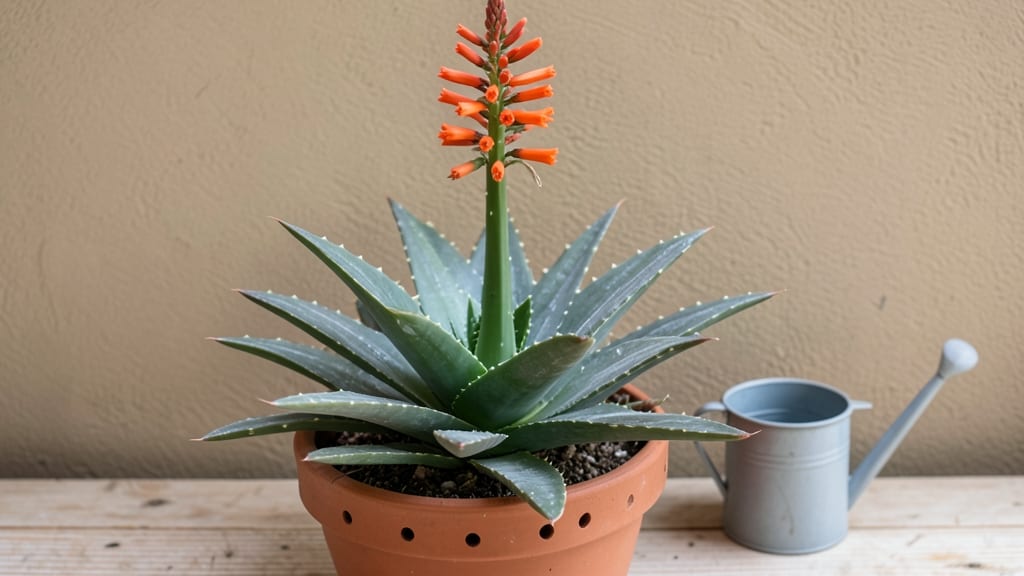
Your aloe vera could bloom indoors without direct sunlight—yes, really. 🌱 I’ve watched mine send up that dramatic, arching flower spike after years of neglecting the "rules," and it’s all about the right balance of light, patience, and a few indoor-specific tweaks.
The key isn’t mimicking desert sun but creating the right conditions for its natural rhythm.
Most people assume aloe needs bright windowsills, but grow lights (or even a south-facing spot) can trigger flowering just as well. Watering gets tricky indoors—too much turns roots mushy, too little stunts growth.
I’ve found letting the soil dry 3-4 inches deep between drinks keeps mine thriving, while a balanced fertilizer in spring and summer gives that extra nudge toward blooms.
When it finally happens, that tall, candle-like flower spike emerges like a surprise party guest. The blooms themselves are small and tubular, but the dramatic arch and rare sight make it worth the wait.
You’ll know you’re doing it right when your plant starts sending up new growth from the base—proof it’s happy and healthy enough to flower.
Indoor aloe flowering isn’t about perfection—it’s about consistency. Even with limited light, these plants adapt. The secret? Observation. Watch your plant’s signals: yellow leaves mean too much water, while slow growth might mean more light. With these adjustments, you’ll be rewarded with that unexpected burst of color—indoors, no sun required.
📚 In This Guide
- What you need
- Instructions
- Tips and common mistakes
- Wrapping up and next steps
What you need
- ● Ready to coax those stunning indoor aloe vera flowers to bloom without direct sunlight? Here’s what you’ll need to get started—no green thumb required! 🌱✨
- ● Pro Tip: 💡 Skip the sunburn! If your aloe gets even indirect sunlight, use a sheer curtain to diffuse light—aloe’s skin is sensitive!
Step-by-step guide to encouraging aloe vera blooms indoors
Here’s how I coax flowering from aloe vera without relying on direct sunlight—just patience and the right conditions.
🌱 Step 1: Select a Mature, Healthy Plant
Choose an aloe vera at least 4-5 years old—these are the only ones capable of flowering indoors. Look for a plant with thick, plump leaves and no signs of yellowing or browning. The larger the plant, the better its energy reserves for flowering, so aim for a specimen with at least 12-15 leaves. If your aloe is smaller, give it 1-2 years of optimal care before expecting blooms.
Check the base of the plant for dormant flower stalks—these appear as small, tight buds nestled among the leaves. If you spot these, your plant is mature enough to flower. If not, focus on growing it larger first. Here’s the thing—aloe vera flowers are a once-in-a-lifetime event for most indoor plants, so don’t rush it.
☀️ Step 2: Mimic Seasonal Light Cycles
Aloe vera needs 12-14 hours of bright light daily to trigger flowering, but it’s not about direct sunlight—it’s about light intensity. Place your plant near a south- or west-facing window where it gets indirect sunlight for most of the day. If natural light is weak, supplement with a full-spectrum LED grow light positioned 12-18 inches above the plant for 10-12 hours daily.
Here’s where it gets tricky: aloe vera responds to seasonal changes like outdoor plants. In fall and winter, reduce light to 8-10 hours daily to simulate shorter days. This stress signal (yes, stress!) tells the plant it’s time to flower. You’ll see the first signs of a flower stalk forming in late winter or early spring, so plan ahead. If your plant doesn’t flower after a year of this routine, it may need more time to mature.
💧 Step 3: Adjust Watering for Flowering Conditions
Water your aloe vera sparingly—once every 3-4 weeks—during the fall and winter months when you’re mimicking shorter days. Let the top 60-70% of the soil dry out completely before watering again. Overwatering during this period can delay or prevent flowering entirely. I use the finger test: stick your finger 2 inches into the soil. If it feels dry, it’s time to water.
In spring and summer, when you increase light exposure, you can water every 2-3 weeks, but never let the plant sit in soggy soil. Aloe vera stores water in its leaves, so it’s far better to underwater than overwater. If the leaves start to pucker or wrinkle, that’s your cue to water—but if they’re soft and mushy, you’ve overdone it and may need to repot in fresh, dry soil.
⏰ Step 4: Provide Nutrient Boosts at the Right Time
Start fertilizing your aloe vera in early spring with a balanced, water-soluble fertilizer (like a 10-10-10 or 20-20-20 mix) diluted to half-strength. Apply it once every 4-6 weeks until mid-summer. The key here is timing: flowering is triggered by nutrient availability combined with light changes, so don’t fertilize in fall or winter—this can encourage leaf growth instead of flower development.
Look for signs of new growth at the base of the plant—this means your aloe is storing energy for flowering. If you see long, thin leaves instead of thick, rosette-forming ones, you’re over-fertilizing. Switch to a low-nitrogen, high-phosphorus fertilizer (like a 5-10-10) in late winter to encourage blooming. Real talk: most indoor aloe vera plants won’t flower without this precise nutrient timing, so don’t skip it.
🌿 Step 5: Monitor for Flower Stalk Development
Watch for a tight, spiky bud emerging from the center of your aloe’s rosette in late winter or early spring. This is the flower stalk, and it can take 2-4 weeks to fully extend. If you see this, do not disturb the plant—even a slight bump can cause the stalk to break off. Keep the plant in stable conditions with consistent light and water to support the stalk’s growth.
The flower stalk can grow 2-3 feet tall and may lean toward the light. If it does, gently guide it upright with a small stake or by rotating the pot a quarter turn daily to encourage even growth. Once the flower opens, it will reveal a tubular, coral-pink bloom that lasts 7-10 days. After flowering, the stalk will die back, but your aloe may produce pups (offspring) at the base—these can be separated and potted to grow new plants.
Tips & tricks for encouraging aloe vera blooms indoors
Aloe vera flowering is all about patience and precision—here’s how to fine-tune the process for success.
Light Intensity Matters: Position your aloe vera within 12-18 inches of a south- or west-facing window to maximize indirect light exposure. If your space lacks natural light, a full-spectrum LED grow light is your best bet—just ensure it’s placed directly above the plant for 10-12 hours daily. I’ve found that placing a reflective surface (like a white board) behind the plant can amplify light intensity by 20-30%, which helps trigger flowering even in dimmer rooms.
Seasonal Stress Signals: The 8-10 hour light reduction in fall and winter is non-negotiable—this mimics natural seasonal changes that stimulate flower stalk development. If your plant shows no signs of budding after a full year of this routine, try moving it to a slightly cooler spot (around 60-65°F) during winter nights. This temperature drop acts as an additional stress signal, prompting the plant to focus energy on flowering rather than leaf growth.
Watering Wisdom: The finger test is your best friend—stick your finger 2 inches deep into the soil. If it feels completely dry, water thoroughly until it drains from the bottom. During the fall and winter flowering period, I’ve learned to water even less frequently (every 4-6 weeks) to prevent root rot, which can completely derail the blooming process. Overwatering here is the #1 mistake that keeps aloe vera from flowering indoors.
Nutrient Timing is Everything: Start fertilizing in early spring with a 10-10-10 mix diluted to half-strength, but switch to a low-nitrogen, high-phosphorus fertilizer (5-10-10) in late winter to give the plant a phosphorus boost—this nutrient is crucial for flower development. I’ve noticed that plants fertilized consistently during this transition period produce flower stalks 3-4 weeks earlier than those that skip this step.
Pro Tips for Indoor Aloe Vera Flower
- Aloe vera flowering is all about patience and precision—here’s how to fine-tune the process for success.
- Light Intensity Matters: Position your aloe vera within 12-18 inches of a south- or west-facing window to maximize indirect light exposure.
- Seasonal Stress Signals: The 8-10 hour light reduction in fall and winter is non-negotiable—this mimics natural seasonal changes that stimulate flower stalk development.
Frequently asked questions
Can aloe vera really flower indoors without sunlight?
Yes! While aloe vera thrives in bright light, it can still flower indoors with strategic care. Mimic its natural cycle by providing 12+ hours of artificial grow lights (LED or fluorescent) and ensuring it’s mature (3+ years old). Consistency is key—just like a picky roommate, it rewards patience with a stunning bloom!
How long does it take for an indoor aloe vera to flower?
Indoor aloe vera flowers typically take 5–7 years to mature enough for blooming, but with optimal conditions, you might see a spike in 3–5 years. If your plant is older and hasn’t bloomed yet, check its light, water, and temperature—sometimes a little tweak (like a cool winter) triggers the magic!
What’s the best artificial light for flowering?
Use full-spectrum LED grow lights (6000K–6500K color temperature) for 12–14 hours/day. Avoid cheap bulbs—low-quality light can stress the plant. Place lights 6–12 inches above the leaves and adjust as the plant grows. Pro tip: Rotate the pot weekly for even growth!
Why isn’t my aloe vera flowering despite good care?
Even with perfect light/water, aloe vera may skip flowering if it’s too young, overwatered, or stressed. Try these fixes:
- Age it out: Wait until it’s 3+ years old (patience pays off!).
- Mimic seasons: Reduce water in winter and drop temps to 55–60°F for a few weeks.
- Check roots: Overcrowded or rotting roots can stall blooms—repot if needed.
Can I make my aloe vera flower faster?
While you can’t rush nature, you can accelerate conditions:
- Boost light with supplemental grow bulbs (especially in winter).
- Use a well-draining soil mix (cactus/succulent blend) to prevent stress.
- Fertilize lightly in spring/summer with a low-nitrogen formula.
Remember: Healthy = Happy. A stressed aloe won’t bloom—it’ll just sulk (and maybe drop leaves).
Wrapping up and next steps
Growing an indoor aloe vera flower is entirely possible—even without direct sunlight! 🌱 By adjusting light exposure, temperature, and care routines, you can encourage those rare, stunning blooms. Remember, patience and consistency are key, so don’t rush the process.
Ready to turn your aloe vera into a flowering showstopper? Start small:
- Test your plant’s current conditions.
- Experiment with one trigger at a time (like cooler temps or indirect light).
- Document progress—you’ll be amazed at the transformation!