
Flowers
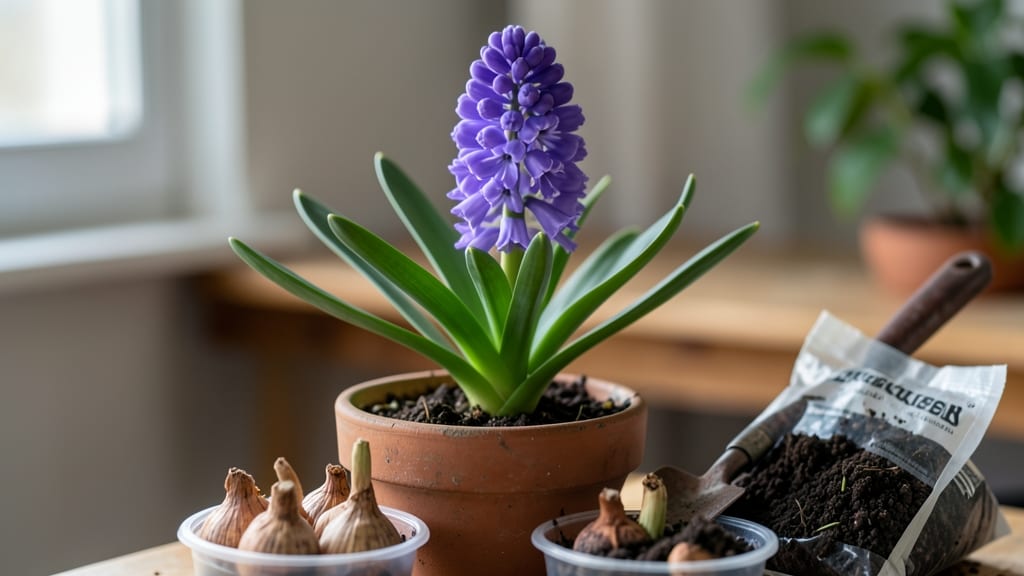
Growing the hyacinth flower seeds lets you unlock those fragrant, vibrant blooms years faster than waiting for bulbs—if you know the tricks. I’ve struggled with slow germination until I discovered the exact moisture, temperature, and light balance that turns flimsy seeds into sturdy plants.
The payoff? Reliable blooms in just 2-3 years instead of the usual 4-5.
You’ll need a cool, dark spot for initial germination (think basement or fridge), followed by bright indirect light as seedlings emerge. The soil mix should be light and airy—too dense, and roots suffocate before they even sprout.
Most gardeners overwater at this stage, drowning what should be delicate new growth. I’ll show you how to keep it just damp enough without turning your seeds to mush.
By the time your first true leaves appear, you’ll be adjusting for indoor vs. outdoor conditions—hyacinths hate transplant shock, so we’ll harden them off gradually.
The real magic happens when those first flower stalks push through: sweet, intoxicating scent that rivals store-bought bulbs, but with the satisfaction of growing them yourself. Let’s get those seeds started right.
This method works year-round in containers, making it perfect for urban gardeners or anyone without a yard. Whether you’re growing for cut flowers or just to fill your home with fragrance, the key is patience—fast results come from doing it right the first time. Ready to dive in?
📚 In This Guide
- What you need
- Instructions
- Tips and common mistakes
- Wrapping up and next steps
What you need
- ● Hyacinth flower seeds: High-quality, fresh seeds (check for Hyacinthus orientalis or similar varieties). Aim for 5–10 seeds per pot for optimal growth.
- ● Seed-starting trays or small pots: 2–3 inch (5–7.5 cm) pots with drainage holes, or a seed tray with individual cells.
- ● Well-draining potting mix: A blend of 50% peat or coco coir and 50% perlite or vermiculite (sterilized to prevent mold). Avoid garden soil—it’s too dense!
- ○ Clear plastic dome or plastic wrap: To create a mini greenhouse effect (optional but highly recommended for humidity).
- ● Spray bottle: For gentle watering (avoid soaking the seeds!).
- ● Grow lights or sunny windowsill: Hyacinths need 12–16 hours of light daily. A LED grow light (10,000–20,000 lux) works best if natural light is limited.
- ○ Heat mat (optional but helpful): Maintains soil temps at 65–75°F (18–24°C) for faster germination.
- ● Patience: Hyacinth seeds can take 4–8 weeks to germinate—stay consistent!
- ● Space: Ensure your growing area has room for seedlings to mature (they’ll need 6–12 inches (15–30 cm) of space).
- ● Temperature control: Keep soil warm but not hot (avoid direct heat sources like radiators).
- ● Pest awareness: Watch for fungus gnats or mold—sterilized tools and good airflow help!
Step-by-step instructions for germinating hyacinth flower seeds
Here’s how to break the long wait and coax those stubborn seeds into vigorous sprouts.
🌱 Step 1: Stratify Seeds to Mimic Winter Conditions
Hyacinth seeds need a cold period to break dormancy. Place them in a sealed container with slightly damp sphagnum moss or paper towels, then refrigerate for 8-12 weeks at 35-45°F. Check weekly—if the moss dries out, mist it lightly. This cold treatment tricks the seeds into thinking winter has passed, kickstarting germination when you move them to warmth.
I like to label the container with the date and variety. Some gardeners swear by mixing seeds with a little sand for better airflow, but damp moss works just as well. Avoid freezing—just a steady, cool fridge temperature does the trick.
💧 Step 2: Plant Stratified Seeds in a Light, Airy Mix
After stratification, fill 4-inch pots with a blend of 50% peat moss and 50% perlite—this keeps roots from sitting in soggy soil. Plant seeds ½ inch deep, spacing them 1 inch apart. A light sprinkle of fine sand on top helps prevent fungal issues while keeping moisture balanced.
Water gently from the bottom by placing pots in ½ inch of water for 10 minutes. Let excess drain completely—hyacinths hate wet feet. Keep the soil consistently moist but never soggy until germination. A humidity dome speeds things up, but remove it once sprouts appear to prevent rot.
☀️ Step 3: Provide Warmth and Indirect Light
Move pots to a warm spot (65-75°F) with bright, indirect light—like a south-facing window with sheer curtains. Direct sun at this stage scorches delicate seedlings. A grow light set 6 inches above the pots works if natural light is weak, but keep it on for 12 hours daily only.
Watch for first true leaves in 4-6 weeks. If seedlings stretch toward the light (a sign of legginess), lower the light closer. Overcrowding slows growth—thin to the strongest sprout per pot if needed. Patience here pays off: rushed light exposure weakens stems before blooming season.
⏰ Step 4: Harden Off and Transplant for Blooms
Once seedlings have 3-4 sets of leaves, gradually introduce them to outdoor conditions over 10-14 days. Start with 1 hour of shade on day one, increasing time and sun exposure daily. By week two, they should handle full morning sun without wilting.
Plant outdoors after the last frost in well-draining soil with full sun. Space them 6 inches apart in the ground or 8-inch pots for containers. Mulch with 1 inch of compost to retain moisture and encourage root growth. The first blooms may take 2-3 years, but proper stratification now ensures stronger, more reliable flowers next spring.
Tips & tricks for fast hyacinth sprouting
Here's what nobody tells you about speeding up germination without sacrificing quality—these tricks cut weeks off the process while keeping your seedlings strong.
Cold Treatment Precision: The 8-12 week stratification at 35-45°F is non-negotiable, but you can optimize it by placing your container on the fridge's vegetable drawer shelf—it maintains a steady 38-40°F without temperature swings. I've found that using a clear plastic container with ventilation holes lets you monitor moisture levels without opening the fridge door, which can disrupt the cold chain. Labeling with the exact start date prevents over-stratification, which can lead to mold or weak sprouts.
Soil Mix Science: The 50/50 peat moss and perlite blend is perfect, but for faster root establishment, add 10% coco coir to the mix—it holds moisture better than peat while preventing compaction. When planting seeds ½ inch deep, use a pencil to make small holes; this ensures consistent depth and prevents crushing the delicate seeds. The bottom-watering technique for 10 minutes works wonders, but I've found adding a handful of aquarium gravel to the saucer improves drainage and prevents waterlogging.
Light Management: Those first 4-6 weeks are critical, and bright indirect light is key—but if your seedlings start stretching toward the light (a sign of legginess), it's time to intervene. Move your grow light closer to just 3-4 inches above the pots and increase runtime to 14 hours daily. This mimics natural daylight extension and prevents the weak stems that lead to flopping plants. A simple trick: place a ruler next to your pots to track growth—if seedlings reach 2 inches tall before their second set of leaves, they're getting too much light.
Harden Off Like a Pro: The gradual 10-14 day outdoor acclimation can be tricky, especially if your weather changes. Start with just 30 minutes of shade on day one, then double exposure time each subsequent day. I've had success using a small shade cloth (30% block) during the hardest part of the transition—it protects tender leaves while still allowing light penetration. Watch for wilting as your guide: if leaves perk up within an hour, they're ready for more sun the next day.
Pro Tips for Hyacinth Flower Seeds
- Here's what nobody tells you about speeding up germination without sacrificing quality—these tricks cut weeks off the process while keeping your seedlings strong.
- I've found that using a clear plastic container with ventilation holes lets you monitor moisture levels without opening the fridge door, which can disrupt the cold chain.
- Soil Mix Science: The 50/50 peat moss and perlite blend is perfect, but for faster root establishment, add 10% coco coir to the mix—it holds moisture better than peat while preventing compaction.
Frequently asked questions
Got questions about growing hyacinths from seeds? Here are some of the most common inquiries—and their answers—to help you avoid pitfalls and achieve stunning blooms!
How long does it take for hyacinth flower seeds to germinate?
Hyacinth seeds typically take 4–12 weeks to germinate, depending on temperature and moisture. Start seeds indoors in a warm (65–75°F) spot with consistent humidity. Patience is key—some varieties may take longer! Pro tip: Use a heat mat to speed up germination if your home runs cool.
Can I grow hyacinths from seeds faster than from bulbs?
Not usually! Hyacinths grown from seeds take 2–3 years to bloom, while bulbs flower in their first year. If you want fast results, opt for pre-grown bulbs. However, seed-grown hyacinths offer unique colors and are a rewarding long-term project for patient gardeners!
Why aren’t my hyacinth seeds sprouting? Troubleshooting tips.
Seeds may fail to sprout due to dampness issues (overwatering causes rot), low light, or old/viable seeds. Check for:
- Moisture: Keep soil evenly moist (not soggy) and use a well-draining mix.
- Temperature: Seeds need warmth (65–75°F) to activate.
- Patience: Some seeds need stratification (cold treatment)—try refrigerating them for 4–6 weeks before planting.
What’s the best way to transplant hyacinth seedlings outdoors?
Wait until all frost risk has passed and seedlings have 3–4 true leaves. Harden them off gradually (1–2 weeks outdoors in shade), then transplant in well-draining soil with partial sun. Space them 4–6 inches apart to prevent overcrowding. Mulch lightly to retain moisture!
Are there easy alternatives to growing hyacinths from seeds?
Yes! If seeds seem too tricky, consider:
- Bulb propagation: Divide mature hyacinth bulbs in fall for free plants.
- Pre-grown bulbs: Buy from nurseries for instant blooms (spring planting).
- Hyacinth-like flowers: Try Grape hyacinths (Muscari)—they’re seed-friendly and bloom faster!
Wrapping up and next steps
Growing hyacinths from seeds is a rewarding journey that brings vibrant blooms to your garden with patience and care! 🌱 By following the right techniques—like proper soil prep, consistent moisture, and the right light—you’ll unlock fast, reliable blooms that’ll make your space pop.
Whether you’re a seasoned gardener or just starting, these tips ensure success.
Ready to dive in? Start with fresh seeds, gather your supplies, and get planting—your future hyacinth garden awaits! 🌸