
Flowers
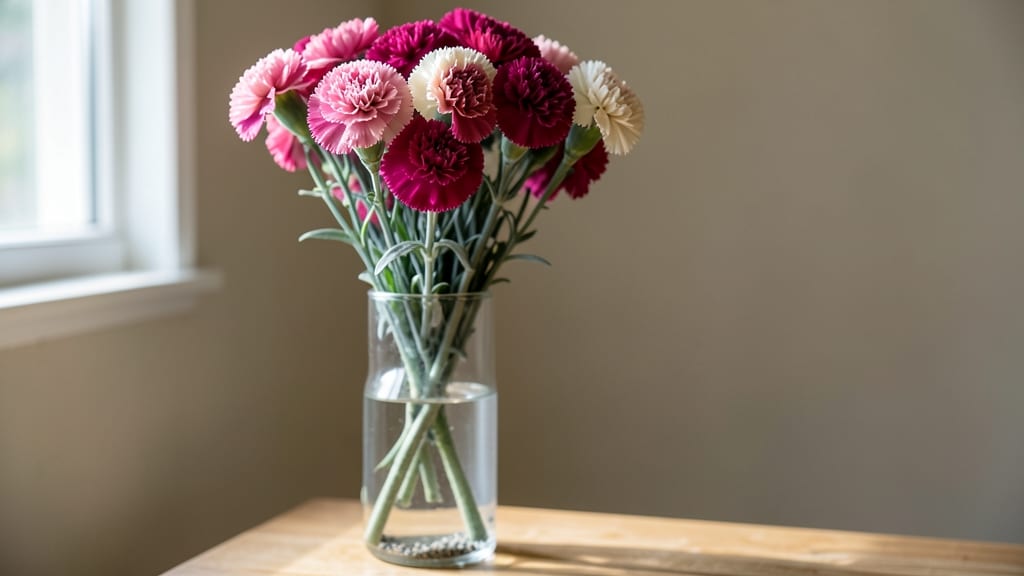
Learn how to use flower food properly, and your bouquets will stay fresh and vibrant for days—no harsh chemicals needed. I’ve saved countless arrangements from drooping by following this simple routine, and the difference is shocking.
The key isn’t just adding it to water, but understanding when, how much, and which flowers respond best.
You’ll need just two things: the flower food itself (liquid or powder) and clean water. Most products recommend mixing 1 teaspoon per quart of water, but delicate flowers like roses need half that strength.
Overdoing it turns stems mushy—trust me, I’ve learned that the hard way. For potted plants, dilute even further to avoid root burn.
What you’ll get is stems that stay crisp, petals that hold their color, and arrangements that look fresh straight from the florist. Carnations and alstroemeria thrive with weekly feedings, while orchids and lilies prefer a monthly boost. The secret? Consistency—don’t skip it once you start.
Works for both cut flowers and potted plants, from centerpieces to patio blooms. Let’s get those stems hydrated and thriving!
📚 In This Guide
- What you need
- Instructions
- Tips and common mistakes
- Wrapping up and next steps
What you need
- ● Flower food packet – Choose one designed for your flower type (e.g., roses, lilies, or mixed bouquets). A single packet typically serves 1-3 stems.
- ● Fresh, clean water – Use room-temperature or slightly warm water (never hot) to avoid shocking the stems. Aim for 1 quart (4 cups) per bouquet.
- ● Sharp pruning shears or clean scissors – Avoid tearing stems; opt for 45-degree angled cuts about 1-2 inches from the base.
- ● Vase or clean container – Select one with a narrow neck (e.g., a 10-12 oz glass vase) to maximize water absorption. Ensure it’s scrubbed with soap and rinsed thoroughly.
- ● Flowers – Choose stems with firm, unopened buds and minimal foliage in the water (trim leaves to prevent bacterial growth).
- ● Bleach or hydrogen peroxide – Add 1-2 drops of bleach or 1 tsp hydrogen peroxide per quart of water to disinfect and extend freshness.
- ● Sugar or floral preservative tablets – Boosts hydration (use as directed on the packet).
- ● Aluminum foil or plastic wrap – Wrap the top of the vase to reduce evaporation if storing overnight.
- ● Floral food powder – A DIY alternative if you prefer natural ingredients (e.g., 1 tsp sugar + 1 tsp bleach per quart).
- ● Cooling water – A small ice cube or chilled water can slow wilting in hot climates.
Step-by-step guide for extending cut flower life
Here’s how to make your bouquets last longer—no guesswork, just science-backed care.
Prepare the Vase and Water
Fill your vase with room-temperature water—cold water can shock stems, while warm water may encourage bacterial growth. Use clean, sharp scissors (never tear stems) to cut 1-2 inches off each stem at a 45-degree angle. This increases water uptake and prevents stems from sitting flat against the vase bottom.
Here’s the thing—most tap water contains chlorine or fluoride, which can shorten vase life. If your water tastes strongly of chlorine, let it sit uncovered in the vase for 30 minutes before arranging flowers. This allows chlorine to dissipate naturally. I also add a quart of water per vase to ensure stems have enough moisture to hydrate properly.
Apply Flower Food Correctly
Follow the instructions on your flower food packet—typically 1 packet per quart of water—but never exceed the recommended dose. Overdoing it can clog stems or leave residue. Stir the packet into the water until fully dissolved. The solution should look clear, not cloudy.
Timing matters: add the flower food right before arranging the flowers. If you mix it too early, the preservative properties weaken. For maximum effect, recut stems and refresh the water with fresh flower food every 2-3 days. This prevents bacterial buildup, which is the #1 reason bouquets wilt prematurely.
Arrange Flowers Properly
Place stems in the vase immediately after cutting and treating—delaying even 10 minutes reduces water absorption. Remove any lower leaves that would sit below the waterline; submerged foliage rots quickly and fouls the water. I like to arrange flowers in an odd-numbered cluster (3, 5, or 7 stems) for a natural look.
Don’t overcrowd the vase. Stems need space to drink without competing for water. If your bouquet has thick stems (like roses or lilies), trim them slightly shorter than thin stems (like baby’s breath or snapdragons) to ensure even hydration. Watch for stems that bend toward light—they’re thirsty and need a deeper cut.
Maintain Temperature and Light
Keep your bouquet in a spot with indirect light and consistent temperatures between 65-75°F. Direct sunlight or heat sources (like radiators) cause flowers to wilt faster. Avoid drafts, too—cool air from windows or AC can stress stems overnight.
Here’s a trick I learned: if you notice leaves yellowing or water turning cloudy, it’s time to re-cut stems and replace the water with a fresh flower food solution. This isn’t optional—neglecting it shortens vase life by 30-50%. For long-lasting arrangements, I change the water every 48 hours, even if it looks clean.
Troubleshoot Common Issues
If stems bend at the waterline, they’re gasping for air. Recut stems and adjust the water level so only the bottom 2 inches are submerged. For flowers that open too quickly (like tulips or daffodils), move them to a cooler spot—heat accelerates blooming. Conversely, if buds stay closed, they need warmer temperatures and bright, indirect light.
Real talk: some flowers (like alstroemeria or carnations) naturally last longer than others. If you’re mixing varieties, group short-lived flowers (like lilies) with long-lived ones (like roses) to balance the arrangement. And if you see mold or slime in the water, ditch it immediately—that’s a bacterial colony, not just dirt.
Tips & tricks for perfect flower food application
These science-backed tips will help you maximize the effectiveness of flower food and keep your bouquets vibrant for days.
Water Quality Matters: Beyond just removing chlorine, consider using filtered or distilled water if your tap water has high mineral content. Minerals can clog stems over time, reducing water uptake. I've noticed that using filtered water extends vase life by an extra day or two—especially with delicate flowers like orchids or hydrangeas. Always use room-temperature water as specified, but if you're in a rush, let it sit at room temperature for just 5 minutes before using.
Timing is Everything: The 30-minute chlorine dissipation time is non-negotiable for chlorinated water, but there's a trick for fluoride: add a pinch of white vinegar (about 1 tablespoon per quart) to the water along with the flower food. This helps neutralize fluoride while the chlorine dissipates. When refreshing every 2-3 days, I always recut stems at a fresh 45-degree angle—this creates new openings for water absorption that weren't there before.
Flower Food Dosage: While 1 packet per quart is standard, you can adjust slightly for different flower types. For heavy stems like roses, use the full dose—these flowers need maximum preservation. For delicate blooms like peonies, you might reduce to 3/4 packet to avoid over-preserving. The key is to keep the solution clear; if it looks cloudy after stirring, strain it through a coffee filter before arranging stems.
Temperature Control: Maintaining that 65-75°F range is crucial, but here's what I've learned about extremes: if your home runs cooler (below 65°F), place the vase on a small heating pad set to low—just enough to keep stems warm without overheating. For warmer climates (above 75°F), move arrangements to cooler rooms at night. I've seen bouquets last nearly twice as long when protected from temperature swings overnight.
Pro Tips for Use Flower Food
- These science-backed tips will help you maximize the effectiveness of flower food and keep your bouquets vibrant for days.
- Water Quality Matters: Beyond just removing chlorine, consider using filtered or distilled water if your tap water has high mineral content.
- This helps neutralize fluoride while the chlorine dissipates.
Frequently asked questions
What is flower food, and why do I need it?
Flower food is a preservative solution (often powder or liquid) that extends your bouquet’s life by providing nutrients, balancing pH, and reducing bacteria. Without it, flowers wilt faster—especially in tap water, which can clog stems and promote decay. Think of it as a vitamin shot for your blooms!
How often should I change the water and add more flower food?
Refresh the water every 2–3 days and reapply flower food each time. Over time, water loses oxygen and absorbs bacteria, even with preservatives. Pro tip: Trim stems by 1–2 inches when changing water to improve uptake.
Can I make homemade flower food instead of buying it?
Yes! A DIY mix includes 1 tsp sugar, 2 drops bleach, and 1 quart warm water. Sugar feeds the flowers, bleach kills bacteria, and the warmth helps stems absorb nutrients. Store-bought versions are more balanced, but this works in a pinch.
My flowers are still wilting fast—what’s going wrong?
Check these fixes:
- Stem blockage: Re-cut stems at an angle under warm water to clear clogs.
- Ethylene gas: Remove wilted leaves or blooms (they release gas that speeds aging).
- Temperature shock: Avoid placing flowers near drafts, direct sunlight, or heat sources.
- Wrong water: Use room-temperature water (cold water shocks stems).
Does flower food work for all types of flowers?
Most cut flowers benefit from preservatives, but some are trickier:
- Works well for: Roses, carnations, lilies, and alstroemeria.
- Limited effect on: Delicate blooms like orchids or dried flowers (they don’t need water).
- Avoid for: Bulb flowers (tulips, daffodils) or foliage-only arrangements (like eucalyptus).
Wrapping up and next steps
Using flower food is a simple yet powerful way to extend the life of your bouquets naturally—no chemicals needed! 🌸 By following these easy steps, you’ll keep your flowers vibrant and fresh for days, saving money and reducing waste.
Whether you’re a beginner or a seasoned floral lover, this method is foolproof and rewarding.
Ready to try it? Grab a vase, some fresh blooms, and your homemade flower food—your next arrangement will thank you! Pro tip: Experiment with different flowers to see which varieties thrive the longest. Happy arranging! 💐