
Flowers
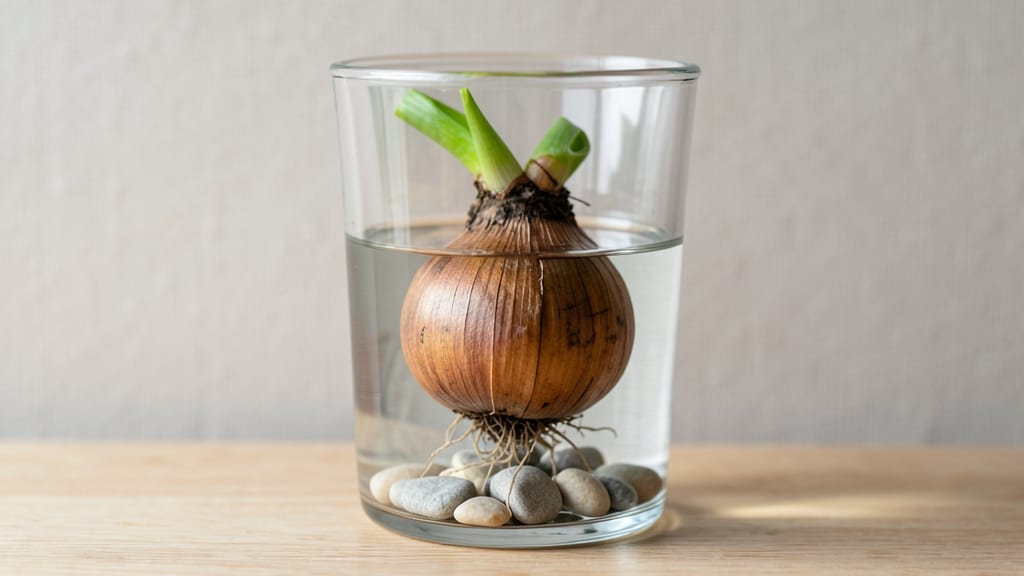
Growing bulb flowers in water feels like magic—no soil, no pots, just roots unfurling in a simple glass jar. 🌱 Paperwhites and hyacinths are the easiest to start, but even tulips can work with the right care.
I’ve forced blooms indoors for Christmas gifts using nothing but a clear vase and tap water.
The beauty of this method is its simplicity: you need just 3-5 bulbs, a tall, narrow container, and room-temperature water. Place the bulbs close together (their bases should touch) with just the bottom third submerged.
Within 2-3 weeks, you’ll see roots reaching down and buds opening—no digging, no mess, just pure floral drama.
What you’ll end up with are fragrant blooms that last 1-2 weeks longer than store-bought cut flowers, plus the satisfaction of watching roots grow right before your eyes. The stems stay sturdy, the scent fills your space, and you can even regift the container afterward—no guilt, just beauty.
Perfect for apartments, offices, or holiday tables. Here’s how to avoid mold, keep stems strong, and troubleshoot the few hiccups that can happen. Let’s get those bulbs blooming!
📚 In This Guide
- What you need
- Instructions
- Tips and common mistakes
- Wrapping up and next steps
What you need
- ● Bulb flowers: Choose from paperwhite narcissus, hyacinth, amaryllis, or tulips (3–5 bulbs per container for optimal display). Ensure they’re firm and free of soft spots.
- ● Clear glass container: A vase, jar, or bowl (8–12 inches wide) with a narrow neck to hold water and bulbs securely. Mason jars or decorative glass vases work beautifully!
- ● Water: Distilled or tap water (room temperature). Use 1–2 cups per container, enough to cover half the bulb’s height.
- ● Pebbles or small stones: 1–2 cups (¼–½ inch in size) to anchor bulbs and improve drainage.
- ○ Optional scissors: For trimming stems or bulbs if needed.
- ● Floral preservative: A few drops to extend bulb life (e.g., Chrysal Clear).
- ● Decorative elements: Moss, beads, or colored pebbles for a customized look.
- ● Grow lights (if indoors): Place bulbs near a sunny window or under a 12-hour light source for faster growth.
- ● Food coloring (non-toxic): A few drops to tint the water for a whimsical touch.
Step-by-step instructions for growing bulb flowers in water
Here’s how to coax vibrant blooms from store-bought bulbs without soil or pots—just water and patience.
🌱 Step 1: Select and Prepare the Right Bulbs
Choose bulbs that are firm, dry, and free of soft spots or mold—hyacinths, tulips, daffodils, and paperwhites work best. I always pick bulbs labeled for forcing (pre-cooled for indoor blooming) to ensure faster results. Remove any dried outer skins with your fingers, but avoid cutting or damaging the base where roots will emerge.
Real talk: Don’t use bulbs that smell sour or feel mushy. Those won’t root, and you’ll waste time waiting for nothing. Place your selected bulbs in a shallow dish of room-temperature water for 12 hours to hydrate. This jumpstarts root growth before you even plant them.
💧 Step 2: Create the Water Vessel and Position the Bulbs
Use a clear glass container (like a vase or jar) with a wide enough opening to fit your bulbs comfortably. Fill it with lukewarm water—cold water shocks the bulbs, while warm water speeds up root development. I like to use a narrow-necked vase so the bulbs stay upright without toppling.
Arrange the bulbs with their bases submerged in water but their tops exposed. The base should sit just below the waterline—never fully submerged. If using multiple bulbs, space them so they don’t crowd each other. Crowded bulbs compete for water and nutrients, leading to weak stems.
☀️ Step 3: Provide Light and Monitor Water Levels
Place the container in bright, indirect light—a north-facing window or under a grow light works best. Direct sunlight scorches leaves, while too little light stunts growth. You’ll see roots emerge in 3-7 days, depending on the bulb type. Paperwhites often sprout fastest, while tulips take a little longer.
Change the water every 2-3 days to prevent bacteria buildup, which can rot the bulbs. Keep the water level just below the bulb base—never let it dry out completely. If the water turns cloudy or smells funky, dump it and refresh immediately. This keeps your bulbs healthy and speeds up blooming.
⏰ Step 4: Watch for Growth and Adjust Care
Once roots reach 2-3 inches, you’ll notice a green shoot pushing through the top of the bulb. This is your cue to move the container to a slightly cooler spot (60-65°F) if you want to delay blooming for holidays. Otherwise, keep it in moderate room temperature (65-70°F) for faster growth.
When the stem reaches 3-4 inches, you’ll see buds forming. This is the moment that matters: Reduce water slightly to slow stem elongation (which makes blooms top-heavy). A small amount of water—just enough to keep the base moist—prevents flopping stems. You’ll have blooms in 4-6 weeks, depending on the variety.
🌿 Step 5: Extend Blooms and Care for Future Growth
Once flowers open, keep them in bright light to prolong their life. Cut stems at an angle if you want to arrange them in a vase—this increases water uptake. Remove spent blooms to encourage new flowers, but don’t trim the leaves until they yellow naturally. Leaves photosynthesize, feeding the bulb for next year’s growth.
After blooming, let the leaves die back completely before replanting in soil if desired. If you want to reuse the bulb, transplant it to a pot with soil and keep it in a sunny spot. I’ve had paperwhites rebloom for years this way—just be patient and consistent with watering.
Tips & tricks for perfect bulb flowers in water
Here's what nobody tells you about growing bulb flowers without soil—these tricks make all the difference between wilting disappointment and stunning blooms.
Bulb Selection Tip: Look for bulbs that feel heavy for their size—they're packed with stored energy for rooting. I always check the base for a firm, papery texture; if it feels soft or smells even slightly sour, skip it. The 12-hour pre-soak in room-temperature water isn't just helpful—it's essential for kickstarting root development. Think of it as giving your bulbs a hydration boost before the main event.
Water Temperature Secret: That lukewarm water recommendation isn't arbitrary—it should feel like a warm bath, around 85-90°F. Cold water shocks the bulb's metabolic processes, while water that's too hot can scald delicate root tissue. I test it by dipping my wrist—if it feels pleasantly warm but not hot, it's perfect. This small detail makes the difference between bulbs that sprout in 3 days versus 7.
Lighting Strategy: North-facing windows provide ideal bright, indirect light, but if that's not available, supplement with a grow light placed 6-12 inches above the container. The key is to avoid direct sunlight, which can cause leaves to yellow and stems to weaken. I've seen bulbs placed in south-facing windows develop sunburn spots that never recover—don't make that mistake. Rotate your container every few days for even growth.
Root Growth Observation: When those roots reach 2-3 inches, that's your signal to adjust care. The 60-65°F cooler spot isn't just for holiday timing—it helps strengthen stems for better bloom support. I've watched stems grow so fast they become top-heavy and flop over when kept too warm. The slight water reduction at this stage prevents this common problem and gives you sturdier stems that hold blooms beautifully.
Pro Tips for Bulb Flowers In Water
- Here's what nobody tells you about growing bulb flowers without soil—these tricks make all the difference between wilting disappointment and stunning blooms.
- Bulb Selection Tip: Look for bulbs that feel heavy for their size—they're packed with stored energy for rooting.
- Water Temperature Secret: That lukewarm water recommendation isn't arbitrary—it should feel like a warm bath, around 85-90°F.
Frequently asked questions
Got questions about growing bulb flowers in water? You’re not alone!
Here are some of the most common queries—and their simple, no-fuss answers—to help you dive into this soil-free gardening adventure with confidence.
Can any bulb flower grow in water?
Most bulb flowers thrive in water, but not all! Easy picks include hyacinths, paperwhites, and some narcissus varieties. Avoid heavy bulbs like tulips—they rot quickly. Check the bulb’s label or research its water-rooting suitability before starting. Pro tip: Smaller bulbs (like daffodils) often adapt better than large ones!
How often should I change the water?
Fresh water is key to prevent bacterial growth and keep roots healthy. Change it every 3–5 days or whenever it looks cloudy. Use room-temperature water to avoid shocking the bulb. For extra clarity, add a drop of hydrogen peroxide (3%) to the water when refreshing it!
Will bulb flowers bloom faster in water?
Not necessarily! Water propagation speeds up root growth, but blooming time depends on the bulb’s natural cycle. Paperwhites may flower in 4–6 weeks, while others (like hyacinths) take 6–8 weeks. Patience pays off—just keep them in a bright spot (but out of direct sun) to encourage buds. A sunny windowsill is ideal!
What do I do if the bulb starts to rot?
Rot is usually a sign of too much water or poor bulb health. Act fast:
- Remove the bulb from the water and trim any mushy roots.
- Let it dry for 1–2 hours, then replant it in dry potting mix.
- Place it in a bright, dry spot (no direct sunlight) for 2–3 days.
Can I reuse the water after the bulb blooms?
Once your bulb flowers fade, you can repurpose the water setup for new bulbs. Just rinse the container thoroughly, trim dead roots, and add fresh water. This is a great way to extend the life of your display—plus, it’s eco-friendly! For a creative twist, transfer the bloomed bulb to soil to grow a full plant.
Wrapping up and next steps
Transforming bulb flowers into stunning water-rooted beauties is simpler—and more rewarding—than you might think! 🌱 With just a few supplies and a little patience, you’ve unlocked a creative way to grow flowers without soil or pots.
Whether you’re drawn to the elegance of hyacinths or the bold charm of tulips, this method lets you enjoy their beauty while learning a unique gardening skill.
Ready to dive deeper? Experiment with different bulbs, track their growth, and even share your progress with fellow plant enthusiasts. Who knows? You might discover your new favorite way to bring nature indoors! 🌸