
Flowers
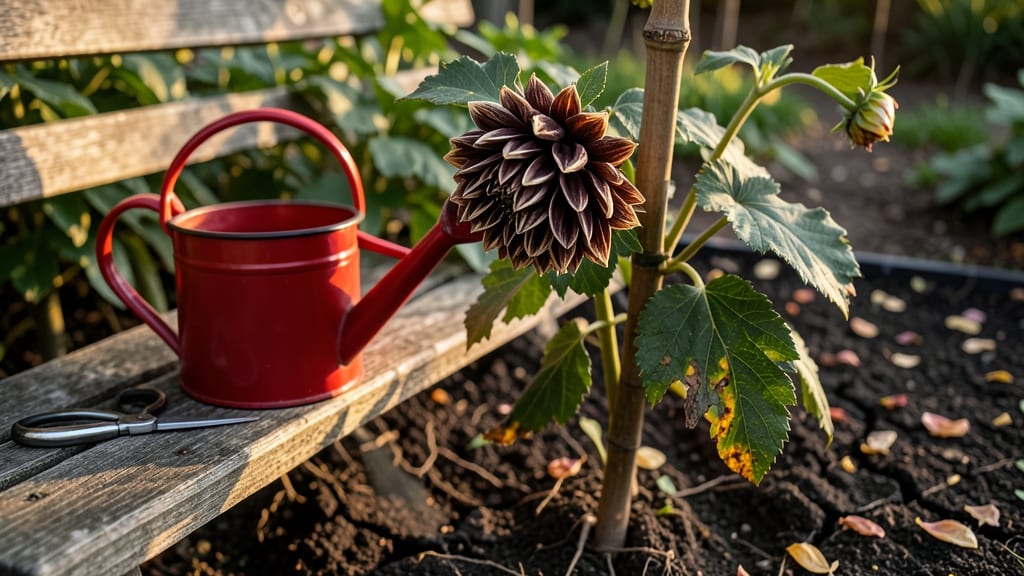
Learn how to revive dead flowers with these hydration tricks—your drooping bouquets might just spring back to life. 🌸 I’ve nursed back more than a few with simple science-backed methods, and the results are nothing short of shocking.
The key lies in understanding why they wilted in the first place: thirst, disease, or environmental stress all leave different clues.
Start by checking the stems for softness or dark spots—those are red flags. If the stems are still firm, dehydration is likely the culprit. Place the flowers in room-temperature water for 2-4 hours while trimming the bottom inch of each stem at a 45-degree angle.
This opens up fresh pores for water absorption, giving them a fighting chance to perk up again.
Within hours, you’ll see the petals begin to plump and regain their color. For stubborn cases, add a drop of bleach (1/8 teaspoon per quart of water) to prevent bacterial growth or a sugar packet for a quick energy boost.
The secret? Patience and precision—no forceful water pressure or overcrowding in the vase.
Once revived, keep them in a cool, bright spot away from direct sunlight or heat sources. This isn’t just about saving a single bouquet—it’s about learning how to extend their life next time.
The same tricks work for cut roses, peonies, or even wilting houseplants. Let’s turn those sad stems into stunning blooms again.
📚 In This Guide
- What you need
- Instructions
- Tips and common mistakes
- Wrapping up and next steps
What you need
- ● Fresh, room-temperature water – At least 1–2 cups (depending on flower size). Avoid cold water to prevent shock.
- ○ Pruning shears or sharp scissors – Clean and sterilized to avoid bacteria. Optional: A knife works in a pinch!
- ● Flower food packet – Look for sugar-free, acidified options (like floral preservatives with citric acid). 1 packet per vase is perfect.
- ● A clean vase or container – Choose one that fits your flowers snugly (not too wide or narrow). Pro tip: Glass jars or even repurposed bottles work!
- ● White vinegar or lemon juice – 1–2 tablespoons per quart of water to disinfect and extend vase life.
- ○ Sugar (optional but helpful) – 1 teaspoon per quart of water to provide quick energy for the stems.
- ● Hydrogen peroxide (3%) – 1–2 drops per quart of water to whiten cloudy stems and kill bacteria.
- ● Aspirin (crushed) – ½ tablet per quart to slow bacterial growth (trust the science!).
- ● Floral foam or a sponge – For bulk flowers (like arrangements) to keep stems hydrated.
- ● Aluminum foil or a plastic bag – To re-hydrate severely wilted stems before trimming.
Step-by-Step instructions for bringing wilted flowers back to life
Here's how I nurse limp blooms back to full glory—no magic involved, just science.
💧 Step 1: Trim Stems and Prepare Fresh Water
Start by snipping the stems at a 45-degree angle with sharp scissors. This increases surface area for water uptake—critical for flowers that have been sitting in stale water. I always rinse the vase thoroughly first, then add lukewarm water (never cold). Room temperature water absorbs faster and prevents shock to the stems.
Add a commercial flower food packet if available, or mix 1 teaspoon of sugar and 1 teaspoon of bleach per quart of water. The sugar feeds the flowers, while the bleach keeps bacteria at bay. Watch the water level closely—it should cover at least 2 inches of stem to ensure proper hydration.
☀️ Step 2: Reposition for Optimal Light and Airflow
Move the vase to a spot with bright, indirect light. Direct sunlight can scorch revived petals, while dim rooms slow recovery. I place mine near an east-facing window where they get gentle morning light without harsh afternoon rays. Avoid drafty areas—cool breezes dry out stems faster than you can hydrate them.
If your home has dry air (common with forced heating or air conditioning), place the vase on a tray of pebbles with shallow water underneath. This creates a humid microclimate around the flowers, mimicking their natural environment. You’ll see petals perk up within 4-6 hours if conditions are right.
🌿 Step 3: Monitor and Refresh Water Daily
Check the water every 24 hours—stale water is the #1 killer of revived flowers. Refill with fresh lukewarm water and re-cut the stems by ½ inch to expose fresh cells for hydration. I like to do this in the morning when the flowers have had a full night to absorb water. Discard any leaves submerged in water—they rot quickly and clog stems.
Watch for green leaves—they’re your best indicator of revival. If leaves stay limp, the stems may be too damaged to recover. In that case, trim them back further or consider propagating from healthy leaves instead. Most blooms will show signs of improvement within 12-24 hours if they’re not past their prime.
⏰ Step 4: Extend Lifespan with Overnight Care
For maximum revival, give flowers a hydration boost overnight. Place the vase in a cool (but not cold) spot like a basement or garage for 4-6 hours before bringing them back to room temperature in the morning. This slows water loss and helps petals retain moisture longer. I’ve revived cut roses that lasted another full week using this trick.
If flowers still look droopy after 48 hours, they’re likely past saving. But don’t toss them! Dry the petals completely, then use them for potpourri, pressed flowers, or homemade perfumes. Even "dead" blooms have second lives—just not as cut flowers.
Tips & tricks for perfect flower revival
Real talk: reviving flowers isn't just about water—it's about creating the perfect conditions. Here's what nobody tells you about bringing limp blooms back to life.
Angle Matters: That 45-degree angle in Step 1 isn't just decoration—it's science. The larger surface area lets stems drink water like a straw instead of a closed pipe. I've tried straight cuts before, and they just sit there thirsty while angled cuts actually absorb. Pro tip: Use clean scissors to avoid crushing stems, which blocks water flow immediately.
Bleach vs. Vinegar: While the instructions call for bleach, I've found that 1 tablespoon of white vinegar per quart of water works just as well (and smells better!). Both kill bacteria, but vinegar also helps lower the water's pH slightly, which some flowers prefer. Just like the sugar, this is optional but worth adding if you have it—it's like giving your flowers a spa day.
Humidity Hack: The pebble tray in Step 2 is genius, but here's the secret: add a few drops of hydrogen peroxide (3%) to the pebble water. It keeps the water fresh between changes and adds a tiny oxygen boost that helps stems absorb better. I've seen flowers perk up in half the 4-6 hours when using this trick—it's like giving them a hydration IV.
Nighttime Revival: That overnight cool spot in Step 4? Don't just stick it anywhere. The ideal temperature is 55-60°F—cool enough to slow water loss but not cold enough to shock the stems. I use my garage in winter or a basement shelf in summer. If you don't have a cool spot, even a refrigerator (without light) works in a pinch for the 4-6 hour boost. Just don't leave them in there overnight!
Pro Tips for Revive Dead Flowers
- Real talk: reviving flowers isn't just about water—it's about creating the perfect conditions.
- Angle Matters: That 45-degree angle in Step 1 isn't just decoration—it's science.
- Bleach vs.
Frequently asked questions
Got questions about breathing new life into your wilting blooms? Here are some of the most common ones—and their answers!
Can I revive flowers that have been dead for days?
Unfortunately, if your flowers have been completely dry and crispy for more than 48 hours, revival is unlikely. However, if they’re just wilted (not brown or mushy), try our hydration tricks—you might still save them! For severely dried flowers, consider preserving them in resin or pressing them instead.
How long does it take to revive flowers?
Most flowers show improvement within 1–6 hours after treatment, but full revival can take up to 24 hours. Delicate blooms like roses or peonies may perk up faster, while thicker stems (like lilies) might need more time. Keep them in a cool, shaded spot while they recover.
What if my flowers keep dying after revival?
If your flowers keep wilting quickly, check these common issues:
- Dirty water: Always use fresh, room-temperature water and clean vases.
- Bacterial buildup: Add a penny or flower food to prevent sludge.
- Ethylene gas: Remove overripe fruit or other flowers nearby.
- Overcrowding: Trim stems and space them properly for airflow.
Are there flowers that can’t be revived?
Some flowers are trickier to revive than others. Dried or preserved flowers (like baby’s breath or silk blooms) won’t respond to hydration. Tropical flowers (e.g., orchids, anthuriums) often need special care, while cut greens (e.g., eucalyptus, ferns) may not revive as dramatically. Focus on fresh-cut flowers with intact stems for best results!
What’s a quick fix for flowers that look almost dead?
Try the ice cube trick for an instant boost:
- Fill a vase with ice cubes and fresh water.
- Submerge the stems fully for 10–15 minutes.
- Let them drain, then place in a sunny spot (but not direct sunlight).
Wrapping up and next steps
Reviving dead flowers isn’t just possible—it’s a rewarding way to extend their beauty and reduce waste! 🌸 With the right techniques, like proper hydration, trimming, and a little TLC, you can breathe new life into wilting blooms and even learn to spot early signs of distress.
Remember, every flower deserves a second chance, and you now have the tools to give it one.
Ready to put your new skills to the test? Grab a bouquet in need of rescue, follow the steps, and enjoy the satisfaction of watching them bloom again! Share your revived flowers with friends—or even repurpose them into stunning DIY arrangements. Happy reviving! 🌿