
Size
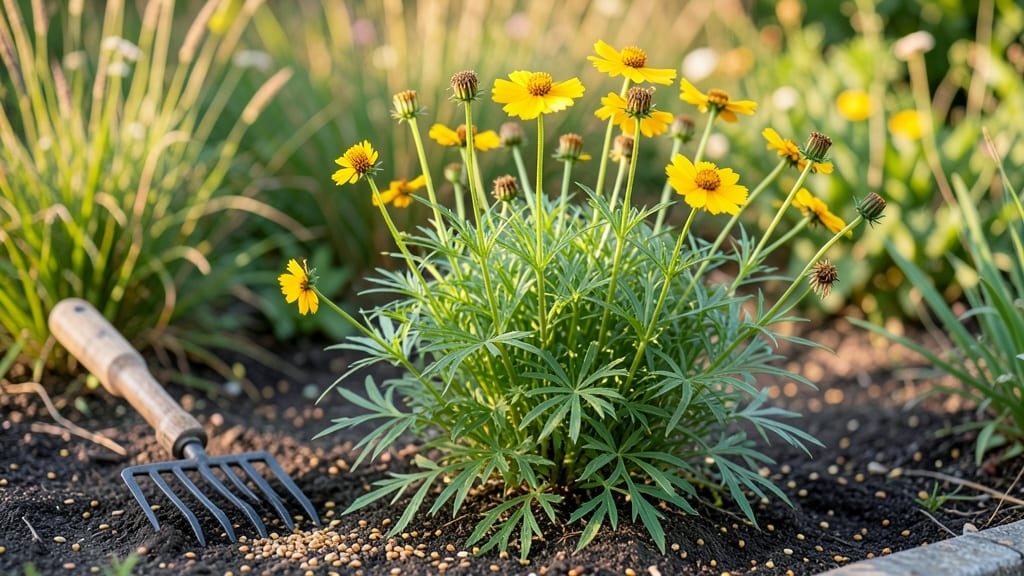
Learn how to grow a wildflower patch that bursts with color all season—it’s easier than mowing and feels like magic. I’ve turned a sunbaked corner of my yard into a pollinator paradise that thrives on neglect, and the key starts with the right soil and seeds.
The best part? You’ll spend more time admiring the blooms than weeding around them.
Start with a sunny spot—at least 6 hours of direct light—and skip the tilling. Wildflowers love loose, rocky soil where weeds struggle to take hold. A quick rake to break up clumps and remove debris is all you need before scattering seeds.
Choose a mix with native varieties for your region, as they’ll attract local butterflies and bees without extra effort.
By late spring, you’ll see delicate stems pushing through the soil, followed by waves of blooms from early spring through fall. The colors shift naturally—purples, yellows, and whites—creating a living tapestry that changes with the seasons. Even better, once established, these patches need only occasional watering and zero fertilizing.
This method works in gardens, meadows, or even cracks in pavement. Whether you’re a beginner or a seasoned gardener, the results are shockingly low-maintenance. Let’s get those seeds planted and watch the magic unfold!
📚 In This Guide
- What you need
- Instructions
- Tips and common mistakes
- Wrapping up and next steps
What you need
- ● Wildflower seeds: Choose native varieties (e.g., black-eyed Susan, coneflower, or milkweed). Aim for 1–2 lbs per 100 sq ft for full coverage.
- ● Soil: Loamy, well-draining soil (amend with compost if needed). Avoid heavy clay.
- ● Rake: A sturdy garden rake (for leveling soil and removing debris).
- ● Hoe or cultivator: To loosen soil and break up compacted areas.
- ● Water source: Hose with a gentle spray nozzle or drip irrigation system.
- ○ Mulch (optional but recommended): Straw or shredded leaves (1–2 inches) to retain moisture and suppress weeds.
- ● Seed starter fertilizer: A slow-release, phosphorus-rich blend to encourage root growth.
- ● Birdseed or suet feeders: Attract pollinators early (hummingbirds, bees, and butterflies love wildflowers!).
- ● Edging tools: For defining patch borders (landscape fabric or rocks work too!).
- ● Wildflower seed mix: Pre-mixed blends tailored to your region (check local nurseries!).
Step-by-Step instructions for creating a low-maintenance wildflower meadow
Here's how to transform a patch of land into a thriving wildflower haven with minimal upkeep.
🌱 Step 1: Clear and Prepare the Site
Start by removing any existing grass or weeds from your chosen area. I like to use a sod cutter or spade to pull up the top layer of sod—this prevents grass from competing with your wildflowers. If your patch has stubborn weeds, apply a pre-emergent herbicide specifically designed for wildflower meadows, following the label instructions carefully.
Once the area is clear, loosen the soil to a depth of about 4-6 inches using a broadfork or tiller. This helps wildflower roots establish more easily. Avoid tilling too deeply, as wildflowers often have shallow root systems. After loosening, rake the soil to create a fine, crumbly texture—this mimics the natural conditions wildflowers thrive in.
🌿 Step 2: Choose and Plant the Right Wildflower Mix
Select a wildflower seed mix suited to your climate and sunlight conditions—full sun, partial shade, or full shade mixes all exist. I always opt for a native wildflower blend because these varieties require less water and support local pollinators. Sprinkle the seeds evenly over the prepared soil, using about ½ pound per 100 square feet for most mixes.
Lightly rake the seeds into the soil to ensure good soil contact, but don’t bury them too deeply. Most wildflower seeds need light to germinate, so keep them just below the surface. If your area is prone to erosion, consider pressing the seeds into the soil with a board or your feet to ensure they stay in place until germination.
☀️ Step 3: Water and Maintain for Establishment
Water the newly planted seeds gently but thoroughly to moisten the soil to a depth of 2-3 inches. After the initial watering, keep the soil consistently moist but not soggy for the first 2-4 weeks—this is critical for seed germination. Once the seeds sprout, reduce watering to once a week unless your area experiences drought conditions, then increase to every 2-3 days until the plants are established.
During the first growing season, avoid mowing the area until the wildflowers reach at least 6-8 inches in height. This allows them to develop strong root systems. Once established, wildflowers typically require minimal maintenance—just an occasional mowing in late summer or early fall to encourage new growth and prevent seed heads from dominating the space.
✂️ Step 4: Encourage Long-Term Growth and Blooms
In the first year, your wildflower patch may not bloom abundantly, but that’s normal. The plants are focusing on root and foliage growth. By the second year, you should see a beautiful display of color. To keep the patch thriving, avoid using fertilizers—wildflowers prefer lean, nutrient-poor soil. Over-fertilizing can actually reduce the number of blooms.
If weeds start to creep back in, hand-pull them early in the season before they compete with your wildflowers. A light mulch of straw or wood chips can help suppress weeds naturally. In late fall or early winter, you can lightly rake the area to remove dead plant material, but avoid disturbing the soil too much—this preserves the seed bank and encourages new growth in the spring.
Tips & tricks for perfect wildflower meadows
Transforming your yard into a vibrant wildflower meadow takes more than just planting seeds—here are the secrets to make it thrive with less effort.
Soil Prep Matters: In Step 1, when loosening the soil to 4-6 inches, focus on breaking up compaction without creating a fine powder. Wildflowers hate dense soil—think of it like fluffing a pillow for your plants. If your soil is particularly hard, work in some coarse sand or grit to improve drainage, which prevents waterlogging that can drown young seedlings.
Seed Placement Technique: During Step 2, when sprinkling your ½ pound of seed mix per 100 square feet, consider using a seed spreader for even distribution. For larger areas, walk in a crisscross pattern to avoid thick spots. If you're planting in windy conditions, lightly mist the seeds with water after planting to help them stay put until they germinate.
Watering Wisdom: The 2-4 week critical watering window in Step 3 is your best chance to establish strong roots. I've found that morning watering prevents evaporation and fungal issues. Use a gentle sprinkler or soaker hose to avoid disturbing the shallow seeds—think of it like giving your meadow a soft rain shower rather than a heavy downpour.
Weed Prevention Strategy: In Step 4, when dealing with weeds, timing is everything. Pull weeds when the soil is moist (after watering or rain) so they come out easily. I've learned the hard way that waiting until weeds are tall makes them tougher to remove—and they'll shade out your wildflowers before they get established.
Pro Tips for Grow A Wildflower Patch
- Transforming your yard into a vibrant wildflower meadow takes more than just planting seeds—here are the secrets to make it thrive with less effort.
- Soil Prep Matters: In Step 1, when loosening the soil to 4-6 inches, focus on breaking up compaction without creating a fine powder.
- Seed Placement Technique: During Step 2, when sprinkling your ½ pound of seed mix per 100 square feet, consider using a seed spreader for even distribution.
Frequently asked questions
Got questions about creating your dream wildflower patch? Here are some of the most common ones—and their answers—to help you get started with confidence!
When is the best time to plant wildflower seeds?
The ideal time depends on your climate, but late summer to early fall (August–September) is often best. Seeds germinate in cooler soil and have time to establish roots before winter. In warmer regions, spring planting (March–April) works too—just keep seeds moist until they sprout!
How much water do wildflowers need?
Wildflowers are drought-tolerant once established, but newly planted seeds need consistent moisture for the first 2–3 weeks. Water lightly daily (or use a sprinkler) to keep soil damp but not soggy. After germination, reduce watering to once a week (or less in rainy climates).
Will wildflowers attract bees or other pests?
Yes! Wildflowers are bee magnets—great for pollinators—but they also deter pests like aphids by attracting beneficial insects (like ladybugs and lacewings). If you’re concerned, plant native varieties, which support local ecosystems without over-attracting non-native pests.
Can I grow wildflowers in containers or small spaces?
Use shallow containers (6+ inches deep) with well-draining soil. Choose compact wildflowers like cosmos, bachelor’s buttons, or sweet alyssum. Just ensure they get 6+ hours of sun daily and water regularly until roots establish.
What if weeds take over my wildflower patch?
Weeds are normal at first! Hand-pull them before they seed (early spring/fall). Once wildflowers mature (Year 2+), they’ll outcompete weeds naturally. For stubborn weeds, try a light mulch of straw or a vinegar spray (1:1 vinegar-water ratio) for spot treatment.
Wrapping up and next steps
Growing a wildflower patch is a rewarding way to bring vibrant color and life to your space with minimal upkeep—perfect for busy gardeners or eco-conscious enthusiasts! 🌸 By choosing the right seeds, preparing your soil, and embracing a low-maintenance approach, you’ll soon enjoy a thriving meadow that supports pollinators and adds natural beauty. Start small, experiment with native varieties, and watch your patch flourish season after season!
Ready to dive in? Pick a sunny spot, grab your supplies, and let nature do the rest. Your future wildflower haven is just a few seeds away!