
Lawn
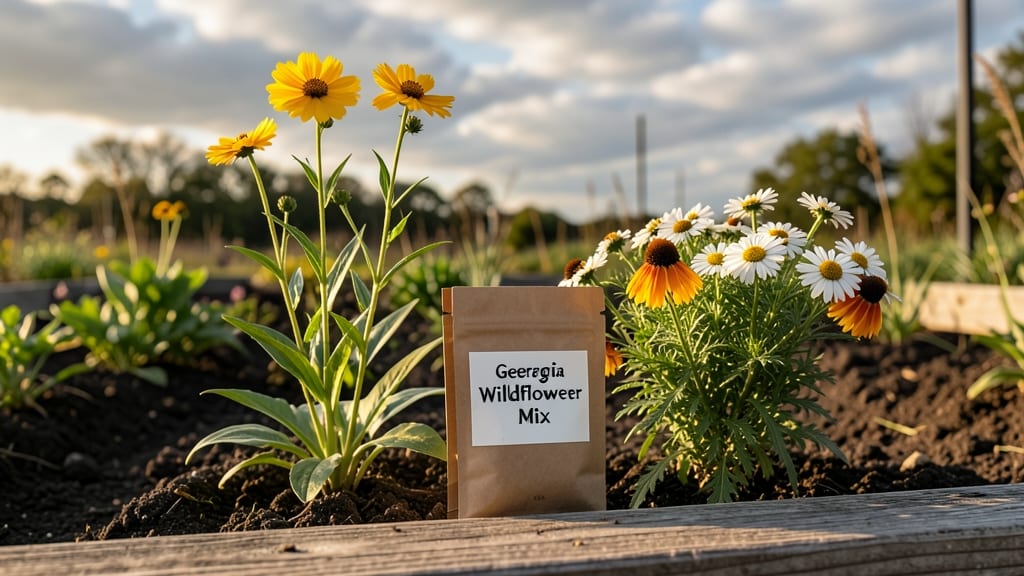
A Georgia wildflower seed mix turns your yard into a pollinator paradise with almost no effort. 🌸 I’ve planted these same native seeds in my own backyard, and within weeks, the color pops up like magic—no fussing with transplants or fussy care.
The key is letting nature do the heavy lifting while you prep the soil just right.
This mix thrives in Georgia’s climate, needing only sunny spots, well-draining soil, and occasional watering. Skip the expensive fertilizers—these wildflowers love lean soil and bounce back after droughts. You’ll see butterflies, bees, and hummingbirds flocking within the first season, proving that low-maintenance beauty is totally possible.
By late spring, your yard will burst with vibrant blooms—purples, yellows, and whites—that last well into fall. The best part? These flowers support local ecosystems while keeping your lawn looking effortlessly stunning. Ready to ditch the mower for a while?
Works in sunbaked front yards, wild garden edges, or even between sidewalk cracks. Just scatter, water lightly, and watch the magic unfold. No green thumb required—just a little patience and a love for Georgia’s native charm.
📚 In This Guide
- What you need
- Instructions
- Tips and common mistakes
- Wrapping up and next steps
What you need
- ● Georgia wildflower seed mix: 1–5 lbs (depending on area size; 1 lb covers ~1,000 sq ft). Choose a native blend for best results.
- ○ Prepped soil: Clear debris, loosen top 2–3 inches of soil, and rake smooth. Optional: Till if soil is compacted.
- ● Rake or broadcast spreader: For even seed distribution. A handheld spreader works for small areas; a wheel spreader for larger plots.
- ● Water source: Hose with adjustable nozzle or watering can (gentle spray setting).
- ○ Mulch or straw (optional but recommended): Light layer (¼ inch) to retain moisture and deter erosion.
- ● Gloves: Heavy-duty work gloves to protect hands during prep.
- ● Knee pads: For comfort during large planting areas.
- ○ Soil test kit (optional): Check pH (ideal: 5.8–7.0) and adjust with lime or sulfur if needed.
- ○ Erosion control fabric (optional): For slopes or windy areas to hold seeds in place.
- ● Label or stakes: To mark planting areas if seeding multiple zones.
- ● Timing: Plant in early spring (March–April) or fall (September–October) for best germination.
- ● Weather check: Avoid planting before rain or extreme heat (ideal temps: 50–75°F).
- ● Sunlight assessment: Ensure your chosen area gets full sun (6+ hours/day)—most Georgia wildflowers thrive here!
Step-by-Step instructions for planting Georgia native wildflowers
Here's how to transform your yard into a thriving wildflower haven—no green thumb required.
🌱 Step 1: Choose the Perfect Planting Time and Site
Fall is ideal for planting Georgia wildflower seed mix, but spring works too. Choose an open, sunny area with well-draining soil—wildflowers hate soggy roots. If your soil is heavy clay, mix in 2 inches of compost to improve drainage. Avoid areas where grass grows aggressively; wildflowers need space to establish.
Test your soil's moisture by digging a 6-inch hole—if water pools or drains slowly, amend with sand or perlite (1 part amendment to 3 parts soil). Native wildflowers thrive in poor soil, but they won’t tolerate waterlogged conditions. Clear any existing vegetation by hand or with a hoe, but avoid tilling—it disrupts soil structure and buries seeds too deep.
🌿 Step 2: Prepare the Soil and Scatter Seeds Evenly
Rake the soil surface lightly to create a rough texture—this helps seeds make contact with the earth. For a 100-square-foot area, scatter 1 pound of Georgia wildflower seed mix evenly by hand or with a broadcast spreader. Don’t press seeds into the soil; they need light to germinate. A light covering of ¼ inch of soil or mulch (like straw) will protect seeds from birds and wind but won’t smother them.
Water gently but thoroughly after scattering—aim for ½ inch of moisture in the top 2 inches of soil. Use a sprinkler or hose with a fine mist setting to avoid displacing seeds. Overwatering now can cause seeds to rot, so let the soil dry slightly between waterings once germination begins. You’ll know it’s working when tiny green sprouts appear in 2-4 weeks, depending on seasonal rains.
☀️ Step 3: Maintain Minimal Care for Maximum Blooms
Once established, wildflowers need very little water—just 1 inch per week during dry spells. Let the soil dry between waterings to encourage deep root growth. Avoid fertilizers; native wildflowers grow best in lean soil. If weeds start crowding out your wildflowers, pull them by hand or spot-treat with a vinegar-based weed killer (avoid harsh chemicals that harm beneficial insects).
Deadhead spent blooms in late summer to encourage a second flush of flowers, but leave some seed heads for wildlife. By the second year, your wildflower meadow will spread naturally, requiring even less maintenance. Mow once a year in early spring (before new growth appears) to keep the area tidy without disturbing the roots.
✂️ Step 4: Enjoy Year-Round Benefits and Optional Renewal
Wildflowers attract pollinators, birds, and beneficial insects from spring through fall, creating a low-maintenance ecosystem. If your meadow starts looking tired after 3-4 years, lightly rake the area in early spring to expose fresh soil for new seeds. You can also scatter ½ pound of fresh seed mix over existing plants to refresh the display.
Here’s the thing—wildflowers reward patience. The first year may be sparse, but by year two, you’ll have a vibrant, self-sustaining garden that requires no fuss. Let nature do the work while you enjoy the beauty and the buzz of pollinators visiting your yard.
Tips & tricks for perfect Georgia wildflower plantings
Here's what I learned after planting wildflowers in my own yard—and how to avoid the mistakes I made.
Timing is Everything: Fall planting gives seeds time to establish roots before summer heat, but spring works too. The key is getting seeds in the ground when soil temperatures are between 50-70°F. If you're planting in spring, aim for early spring before weeds take over. I planted mine in late October, and by the following spring, I had a sea of green sprouts where there was once just dirt.
Soil Prep Secrets: That 6-inch hole test in Step 1 is your best friend—it tells you if your soil drains properly. If water pools, you'll need to amend with sand or perlite, but don't overdo it. I mixed 1 part sand to 3 parts soil and saw a dramatic difference in drainage. Also, avoid tilling—it buries seeds too deep and disrupts the soil structure wildflowers love.
Seed Scattering Strategy: For that 100-square-foot area and 1 pound of seed mix, use a broadcast spreader for even coverage. Walk in an overlapping pattern to avoid thick spots. After scattering, I lightly raked the area to create a rough texture—this helps seeds make contact with the soil without burying them. A ¼-inch layer of straw mulch afterward protects seeds from birds while keeping them exposed to light.
Watering Wisdom: That ½ inch of moisture in the top 2 inches of soil is crucial—too much water drowns seeds, while too little prevents germination. Use a sprinkler on a gentle setting to avoid displacing seeds. Once sprouts appear, let the soil dry slightly between waterings. I set a reminder for 1 inch per week during dry spells after establishment, and my wildflowers thrived with almost no effort.
Pro Tips for Georgia Wildflower Seed Mix
- Here's what I learned after planting wildflowers in my own yard—and how to avoid the mistakes I made.
- Timing is Everything: Fall planting gives seeds time to establish roots before summer heat, but spring works too.
- Soil Prep Secrets: That 6-inch hole test in Step 1 is your best friend—it tells you if your soil drains properly.
Frequently asked questions
Got questions about transforming your Georgia landscape with wildflowers?
Here are answers to the most common ones—so you can grow with confidence!
When is the best time to plant Georgia wildflower seed mix?
The ideal window is late summer to early fall (August–October), when soil is warm and rain is frequent. This mimics nature’s timing and gives seeds a head start before winter. For spring planting, aim for February–March, but expect slower germination. Pro tip: Avoid planting in peak summer heat—seeds dry out fast!
How much water do wildflowers need after planting?
Keep seeds moist for the first 2–4 weeks (about ¼ inch of water weekly). After germination, reduce watering to once every 1–2 weeks—wildflowers thrive on drought once established. Overwatering can drown them! Remember: Native species are tough—they’re built for Georgia’s climate.
Will wildflowers attract bees or pests I should worry about?
Yes, but it’s a good thing! Wildflowers support pollinators like bees and butterflies, which boost your garden’s health. As for pests, a few aphids or caterpillars are normal—just avoid pesticides. If overrun, handpick pests or use neem oil. Balance is key!
Can I mix wildflower seeds with grass seed?
For a low-maintenance, colorful lawn, blend wildflower seeds (10–20% of the mix) with grass seed. Just ensure the grass variety is drought-tolerant (like Bermuda or Zoysia). Warning: Too many wildflowers may reduce grass density—start small and adjust ratios yearly.
What if my seeds don’t sprout after planting?
Don’t panic! Check for:
- Moisture: Soil should stay damp (not soggy).
- Sunlight: Most Georgia wildflowers need full sun (6+ hours/day).
- Timing: Some seeds need cold stratification—plant in fall for best results.
- Soil contact: Lightly rake seeds into soil (¼ inch deep max).
Wrapping up and next steps
Transforming your Georgia landscape into a vibrant, low-maintenance wildflower haven is easier—and more rewarding—than you think! With the right Georgia wildflower seed mix, you’re not just planting seeds; you’re inviting pollinators, reducing water bills, and embracing native beauty that thrives on its own.
Whether you’re a seasoned gardener or a beginner, this effortless approach delivers stunning results with minimal fuss.
Ready to take the next step? Start small—try a sunny patch or a rain garden—and watch your yard bloom into a thriving ecosystem! 🌸🌿 Your future wildflower meadow awaits!