
Vegetables
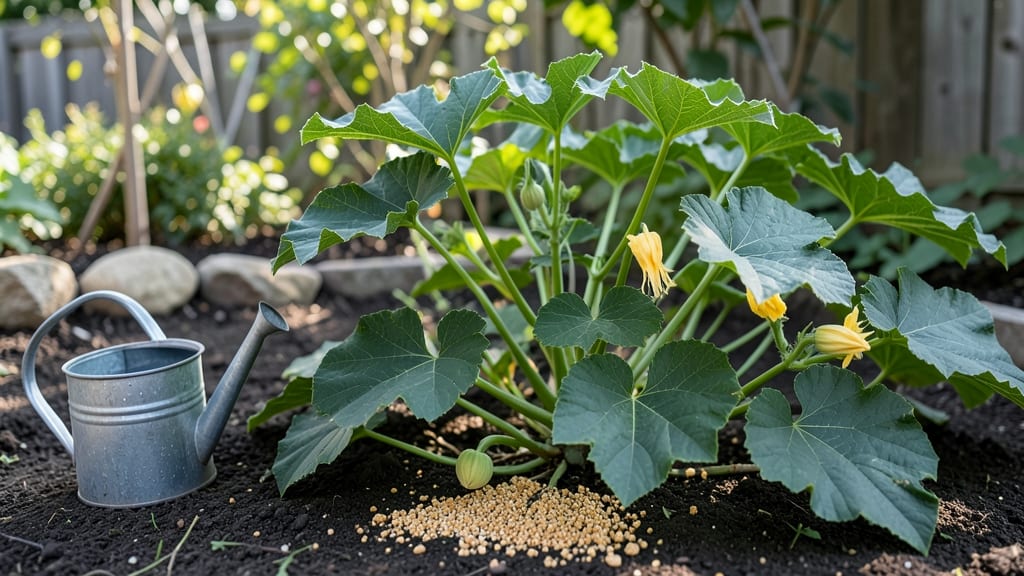
Getting more female flowers on squash plants is all about understanding what your vines truly need—especially when they're throwing energy into male blooms instead of the fruit-bearing ones. 🌱 The first step?
Stop guessing and start observing: those early flowers might look pretty, but they’re just setting the stage for the real harvest. I’ve watched my squash plants go from a sea of useless male blooms to heavy with female flowers just by making a few simple adjustments—no fancy equipment required.
Here’s the game-changer: prune aggressively during the first 4-6 weeks to redirect energy toward female flowers, and feed with a balanced fertilizer (10-10-10 or higher in phosphorus) when vines start running. Too much nitrogen?
Your plants will grow leaves instead of flowers. Too little light? They’ll stretch and waste energy. The key is matching their needs to their growth stage—something most gardeners overlook until it’s too late.
By the time summer heat settles in, you’ll notice the difference: thicker vines, more female blooms, and heavier fruit sets. The first female flowers appear as tiny bulges at the base of the blossom—those are your future zucchinis, cucumbers, or pumpkins.
Skip the pruning or the right fertilizer, and you’ll end up with a plant that looks healthy but produces almost nothing. Trust me, the first time you see that shift happens is like watching a garden miracle.
This works for both backyard gardens and container-grown squash, whether you’re growing bush varieties or sprawling vines. The principles stay the same—just adjust the scale. Ready to turn those male flowers into a harvest? Let’s get growing.
📚 In This Guide
- What you need
- Instructions
- Tips and common mistakes
- Wrapping up and next steps
What you need
- ● Squash plants: Healthy, established plants (preferably Cucurbita pepo, C. moschata, or C. maxima varieties like zucchini, butternut, or pumpkin). Aim for 2–4 plants per gardener for manageable pruning.
- ○ Pruning shears or sharp scissors: Clean, sterilized tools to avoid spreading disease. Optional: A small hand saw for thicker stems.
- ● Fertilizer: Balanced fertilizer (e.g., 10-10-10): 1–2 tablespoons per plant, applied every 4–6 weeks during the growing season.
- ● High-nitrogen fertilizer (e.g., blood meal or fish emulsion): 1 tablespoon per plant early in the season to encourage leafy growth.
- ● High-phosphorus fertilizer (e.g., bone meal or 5-10-10): 1 tablespoon per plant when flowers start appearing to promote blooming.
- ● Compost or organic matter: 1–2 cups per plant, worked into the soil around the base before planting or mid-season for a nutrient boost.
- ● Watering can or hose with a gentle nozzle: For consistent moisture—aim for 1–2 inches of water per week (adjust for climate).
- ○ Gloves (optional but recommended): To protect your hands from prickly stems or dirt.
- ● pH test kit: To check soil pH (ideal range: 6.0–7.0 for squash). Adjust with lime (to raise pH) or sulfur (to lower pH) if needed.
- ● Mulch (straw or grass clippings): Spread a 2-inch layer around plants to retain moisture and suppress weeds.
- ● Shade cloth (lightweight): Useful if your area gets hotter than 90°F (32°C), as extreme heat can stress plants and reduce female flowers.
- ● Handheld magnifying glass: For closely inspecting flowers to distinguish males (long stems) from females (tiny squash at the base).
- ● Journal or app (e.g., Gardenate): To track pruning dates, fertilizer applications, and flower counts for future reference.
Step-by-Step guide to boosting female flowers on your squash plants
Here's the method I've used for years to turn my squash plants into fruit factories.
🌿 Step 1: Identify and Prune Male Flowers Early
Start by learning to spot the difference: male flowers grow on long stems ending in a leaf, while female flowers sit directly in leaf axils with tiny squash forming at the base. Once your plants hit 4-5 feet tall, begin pruning male blooms the moment they open—this redirects the plant's energy toward female production.
Use clean, sharp pruning shears to snip stems just above the next leaf node. Avoid tearing stems, which invites disease. I like to do this in the morning when flowers are fresh—you'll see fewer bees buzzing around, and the plant responds better to the pruning shock.
💧 Step 2: Adjust Watering to Stress the Plant Just Right
Squash plants need consistent moisture, but light stress actually triggers more female flowers. Water deeply every 3-4 days until the top 2 inches of soil feel dry—this encourages root growth while keeping foliage slightly wilted during the day. Avoid overhead watering after pruning, as wet leaves promote mildew.
Here's the trick: water in the early morning so leaves dry completely by evening. You'll notice leaves slightly drooping by afternoon—that's perfect. If they stay limp overnight, you're over-stressing the plant. Adjust your watering schedule until you see that just-wilted-but-recovering look.
☀️ Step 3: Feed with High-Potassium Fertilizer at Critical Times
Switch to a balanced 5-10-10 or 10-10-10 fertilizer when plants start flowering, then shift to a low-nitrogen, high-potassium formula (like 0-0-50) once you see 3-4 female flowers. This tells the plant to focus on fruit production rather than leaf growth. Apply fertilizer every 10-14 days during flowering.
I mix the fertilizer with water and apply it directly to the soil around the base, avoiding the leaves. After fertilizing, water immediately to prevent root burn. Watch for darker green leaves—that's your sign the plant is getting enough nutrients without overloading on nitrogen.
✂️ Step 4: Prune Aggressively After First Harvest
Once your first squash appears, it's time for a hard prune. Cut back all vines that have produced fruit back to the main stem or first lateral branch. This shock forces the plant to produce new growth with more female flowers. Be bold—you're not harming the plant, you're resetting its priorities.
Remove any yellowing or diseased leaves immediately to keep energy flowing to healthy growth. After pruning, give the plant a light feeding with the high-potassium fertilizer. You'll see new leaves emerging within 7-10 days—these will be your second wave of female flowers.
🌱 Step 5: Maintain Consistent Care Through Fruiting
Keep watering consistent but reduce frequency slightly—every 4-5 days—as the plant now has more fruit to support. Mulch with 2-3 inches of straw to retain moisture and prevent soil-borne diseases. Watch for overcrowded fruit (more than 3-4 squash per vine) and harvest promptly to encourage more blooms.
Here's the final check: by the time your first squash reaches 6 inches, your plant should have 3-5 new female flowers forming. If not, revisit your pruning and feeding schedule—you may need to stress the plant more or adjust your fertilizer ratio.
Tips & tricks for perfect squash flower balance
These practical strategies will help you maximize female flowers and transform your squash plants into productive powerhouses.
Pruning Precision: In Step 1, I can't stress enough how important it is to prune male flowers the moment they open—don't wait until they're wilted or bees have already visited. The plant responds best to immediate redirection of energy. Use a pair of clean, sharp pruning shears and always cut just above a leaf node where new growth can emerge. I've found that morning pruning (between 8-10am) gives plants the whole day to recover before nightfall, which seems to make a difference in how quickly they produce new female blooms.
Watering Wisdom: The "just-wilted-but-recovering" look described in Step 2 is absolutely critical. I've learned this the hard way—overwatering leads to lush foliage but fewer fruits, while underwatering stresses the plant too much. For the 3-4 day watering schedule, I check soil moisture by sticking my finger 2 inches deep—if it feels dry, that's your cue. Pro tip: Use a rain gauge or tuna can to measure exactly 1 inch of water each session, as squash plants need consistent moisture to develop female flowers.
Fertilizer Timing: When you switch to that high-potassium formula in Step 3, here's what I do differently: I split the recommended dose in half and apply it twice—once in the morning and again in the evening during flowering. This gives the plant a steady supply of potassium without overwhelming it. Also, I always mix the fertilizer with water first, then let it sit for 10 minutes before applying—this helps prevent root burn, which can set back your female flower production.
Post-Harvest Recovery: That hard prune in Step 4 can feel drastic, but trust me—it works. After cutting back vines, I immediately water deeply to help the plant recover. Within those 7-10 days you'll see new growth, I often add a handful of compost around the base to give it a nutrient boost. This isn't just about removing old growth—it's about signaling the plant to focus all its energy on producing more female flowers for your next harvest.
Pro Tips for Get More Female Flowers On Squash
- These practical strategies will help you maximize female flowers and transform your squash plants into productive powerhouses.
- Pruning Precision: In Step 1, I can't stress enough how important it is to prune male flowers the moment they open—don't wait until they're wilted or bees have already visited.
- Watering Wisdom: The "just-wilted-but-recovering" look described in Step 2 is absolutely critical.
Frequently asked questions
Got questions about boosting female flowers on your squash plants?
You’re not alone! Here are some of the most common concerns—and straightforward answers—to help you grow a harvest full of fruit .
Why does my squash plant have so many male flowers but no female ones?
Male flowers appear first because they’re easier for the plant to produce. Female flowers need more energy, which comes from proper nutrition, sunlight, and maturity (usually 4–6 weeks after planting). If your plant is stressed or underfed, it’ll prioritize males over females. Focus on balanced care, and you’ll see more female blooms soon!
How long does it take to see more female flowers after adjusting care?
With the right tweaks—like pruning, fertilizing, or watering—you’ll often notice a shift within 1–2 weeks. However, squash plants can be slow to respond if they’re already struggling (e.g., from pests or poor soil). Be patient, and monitor for new buds forming near leaf axils (the spots where leaves meet the stem).
Can I prune my squash plant too much and hurt it?
Yes! Over-pruning—especially early in the season—can stress the plant and reduce flowering. Stick to removing only male flowers and never trim more than 20–30% of the plant’s foliage at once. Healthy leaves = more energy for female blooms. Think of it like a haircut: too much, and you’re left with a sad, sparse plant!
What’s the best fertilizer to encourage female flowers?
Use a balanced fertilizer (10-10-10) early on to build roots, then switch to a high-phosphorus blend (like 5-10-10) when flowers appear. Phosphorus boosts blooming, while potassium (the last number) supports fruit development. Avoid high-nitrogen fertilizers—they’ll give you lush leaves but zero squash!
My squash plant has pests—will that stop female flowers from forming?
Pests like squash bugs or aphids drain energy from your plant, leaving it too weak to produce female flowers. Act fast with neem oil, row covers, or hand-picking. A healthy plant is a happy flowering machine. Check leaves daily for early signs of damage—prevention is key!
Wrapping up and next steps
Growing more female flowers on your squash plants is all about balance—pruning wisely, feeding the right nutrients, and giving your vines the best conditions to thrive. 🌱 With patience and consistency, you’ll soon be rewarded with a bountiful harvest of plump, healthy squash.
Start by applying these tips this season, and don’t forget to track your progress—small adjustments can lead to big results!
Ready to take the next step? Experiment with a few techniques (like hand-pollinating or adjusting your fertilizer mix) and watch your garden flourish. Happy growing! 🌟