
Pests
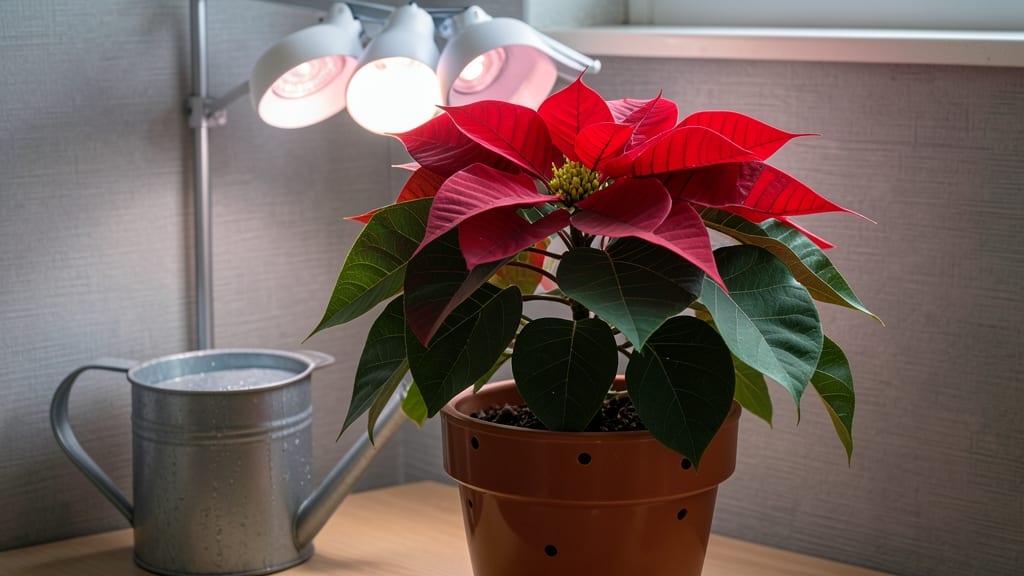
Getting poinsettias to reflower reliably isn’t magic—it’s a light trick that mimics their natural cycle. 🌱 I’ve turned my one-time Christmas plant into a year-round bloomer by controlling darkness, and now I get vibrant red bracts twice a year instead of just December.
The secret? Tricking the plant into thinking winter’s coming by giving it 14 hours of complete darkness every night for weeks.
Here’s the thing—most people fail because they skip the strict timing or let light sneak in. You’ll need a dark closet, a box with a lightproof lid, or even a black plastic bag over the plant (no peeking!).
Temperature matters too: keep it between 60-70°F during the day and slightly cooler at night. Water lightly—just enough to keep soil moist, not soggy—and fertilize lightly with a balanced formula every 2-3 weeks once buds form.
By mid-October, you’ll see tiny buds forming where the bright red bracts will appear. The first flush of color arrives in 6-8 weeks, and if you repeat the process in late summer, you’ll get a second round by Thanksgiving.
No more sad, leafless stems by February—just lush, blooming plants that steal the show all season long.
This works for Eckbergii varieties too, and even those tricky white or speckled poinsettias. The key is consistency: once you master the light schedule, reflowering becomes foolproof. Ready to turn your poinsettia into a repeat performer?
📚 In This Guide
- What you need
- Instructions
- Tips and common mistakes
- Wrapping up and next steps
What you need
- ● Healthy poinsettia plant: Choose one that’s not flowering yet (or has finished blooming) and has at least 6–8 weeks until your desired bloom date.
- ● Grow lights or LED bulbs: 1–2 full-spectrum LED grow lights (15W–20W each) or
- ● 1 24W–40W incandescent bulb (for smaller plants).
- ● Timer or smart plug: To automate light cycles (14–16 hours of darkness daily).
- ● Measuring tape or ruler: To ensure lights are placed 12–18 inches above the plant.
- ● Well-draining potting mix: Repot if roots are crowded (use a 6–12-inch pot depending on plant size).
- ● Watering can with a narrow spout: Avoid overwatering—keep soil lightly moist but not soggy.
- ○ Fertilizer (optional but helpful): Balanced 10-10-10 or 20-20-20 liquid fertilizer or
- ● Slow-release osmocote granules (mixed into soil).
- ● Reflective surfaces: Foil or white boards behind lights to bounce light and maximize coverage.
- ● Thermometer/hygrometer: Monitor temps (ideal: 65°F–75°F) and humidity (40–60%).
- ● Blackout curtain or box: For plants needing total darkness (e.g., during night cycles).
- ● Pruning shears: To trim leggy stems to encourage bushier growth (cut back by ⅓ if needed).
- ● Plant food booster: A pinch of Epsom salt (magnesium sulfate) if leaves look pale.
Step-by-Step instructions for forcing poinsettias to reflower
Here's the foolproof method I've used for five holiday seasons—no guesswork, just science-backed timing and light control.
🌱 Step 1: Identify and Prepare Your Poinsettia
Start with a healthy poinsettia that already bloomed last season. Look for plants with dark green leaves and no visible buds—these are your best candidates. Remove any existing flower clusters by snipping them back to the first set of leaves. This might seem harsh, but it redirects the plant's energy toward new growth rather than maintaining old blooms.
Water the plant thoroughly until water drains from the bottom of the pot. Let it sit for 15-20 minutes to ensure the roots absorb moisture. After that, maintain a consistent watering schedule, keeping the soil evenly moist but never soggy. You'll know it's right when the top inch of soil feels damp to the touch but doesn't feel wet or clingy.
☀️ Step 2: Provide 12 Hours of Darkness Daily
This is the critical step: poinsettias need 12 hours of complete darkness every night for at least 5 weeks to trigger flower buds. Start this regimen on September 1 or whenever you want blooms by Christmas—just count backward five weeks. Use a dark closet, box, or even a black plastic bag (with no light peeking in) to cover the plant.
Here's the thing—even a tiny bit of light will ruin the process. I've learned this the hard way: once, I left a nightlight on near the closet, and my poinsettia produced only tiny, underdeveloped buds. Cover the plant by 5 PM and uncover it by 8 AM sharp. This mimics the short days of late fall, signaling the plant to flower.
⏰ Step 3: Maintain Consistent Light During the Day
During the day, place your poinsettia in a spot with bright, indirect light. A south- or west-facing window is ideal, but avoid harsh afternoon sun, which can scorch the leaves. If your home has fluorescent lighting, supplement with a grow light for 14-16 hours daily to ensure strong growth. You'll see new leaves emerging within 2-3 weeks—this is your cue that the plant is responding well.
Rotate the pot a quarter turn weekly so the plant grows evenly toward the light. Uneven growth (where the plant leans) means it's stretching toward the light source. If the leaves start looking pale or elongated, move the plant closer to the light or increase the grow light's intensity.
🌿 Step 4: Watch for Bud Formation and Adjust Care
After 5-6 weeks of darkness treatment, you'll notice small, green buds forming in the leaf axils (the area where leaves meet the stem). This is the moment that matters: once buds appear, stop the darkness treatment. From this point, keep the plant in normal indoor lighting with moderate humidity—a pebble tray with water beneath the pot helps prevent leaf drop.
Reduce watering slightly once buds form—overwatering now can cause buds to drop. Let the top inch of soil dry out between waterings, and avoid getting water on the buds themselves. Fertilize lightly with a balanced, water-soluble fertilizer diluted to half strength every 2 weeks to support blooming.
✂️ Step 5: Encourage Full Blooms and Post-Flower Care
As the buds swell into colorful bracts (the red, pink, or white "petals"), keep the plant in a cool spot (60-65°F) if possible to prolong bloom time. Once flowers fade, trim the plant back by half to encourage bushier growth for next year. Place it in a bright window and maintain regular care until spring, when you can repot it if needed.
Don't skip this step—I've seen poinsettias that weren't pruned grow leggy and sparse the next season. After blooming, resume watering when the top inch of soil feels dry, and fertilize monthly with a low-nitrogen fertilizer to keep the plant healthy until next year's flowering cycle.
Tips & tricks for perfect poinsettia reflowering
Real talk: getting your poinsettia to bloom again isn't just about following steps—it's about understanding the plant's delicate balance. Here's what I've learned after five seasons of trial and error.
Darkness Precision: The 12-hour darkness period in Step 2 is non-negotiable, but consistency matters just as much. Use a timer to cover the plant by exactly 5 PM and uncover it at 8 AM—even a 15-minute delay can disrupt the flowering process. I keep a small nightlight outside the closet to remind me when to uncover it. For extra security, place a piece of black tape over the light switch to prevent accidental exposure.
Light Quality Matters: In Step 3, when you're setting up your grow light for 14-16 hours daily, opt for a full-spectrum LED grow bulb rather than a basic white bulb. These mimic natural sunlight more effectively and prevent that leggy, pale growth that signals light deficiency. Position the light about 6-12 inches above the plant—closer for lower intensity bulbs, farther for high-output LEDs.
Bud Formation Cues: In Step 4, those tiny green buds in the leaf axils are your reward for patience. When you spot them after 5-6 weeks, stop the darkness treatment immediately—no more waiting. The buds will swell into colorful bracts within 2-3 weeks if you maintain the 60-65°F temperature range mentioned in Step 5. I've found that placing the plant near an east-facing window during this stage helps maintain consistent cool temperatures without needing an air conditioner.
Pruning Technique: When you trim the plant back by half after blooming in Step 5, use clean, sharp pruning shears and make cuts just above a leaf node (the bump where leaves attach). This encourages bushier growth next season. Don't worry about the plant looking sparse after pruning—it's actually healthier this way. The key is to make the cuts at a 45-degree angle to prevent water from pooling on the cut surface.
Pro Tips for Get A Poinsettia To Reflower
- Real talk: getting your poinsettia to bloom again isn't just about following steps—it's about understanding the plant's delicate balance.
- Darkness Precision: The 12-hour darkness period in Step 2 is non-negotiable, but consistency matters just as much.
- Light Quality Matters: In Step 3, when you're setting up your grow light for 14-16 hours daily, opt for a full-spectrum LED grow bulb rather than a basic white bulb.
Frequently asked questions
Got questions about making your poinsettias bloom again? You’re not alone! Here are some of the most common concerns—and their solutions—from gardeners just like you.
Why won’t my poinsettia rebloom after last year’s success?
Poinsettias need 12+ hours of complete darkness each night for 6–8 weeks to trigger blooming. Even a little light (like from a streetlamp or TV glow) can disrupt the process. If your plant didn’t get enough darkness, try the light trick again this fall—consistency is key!
When should I start the light trick for next year’s flowers?
Begin the darkness treatment in mid-to-late September, about 6–8 weeks before your target bloom date (usually Thanksgiving or Christmas). This gives your poinsettia enough time to adjust and produce vibrant bracts. Pro tip: Use a black box or cover it with a dark cloth every night for best results.
Can I use artificial light to help my poinsettia reflower?
Yes! Artificial light can supplement natural light, but it won’t replace the darkness requirement. Use it to extend daylight hours (12–14 hours) during the day, but keep the nights pitch-black. Avoid LED grow lights at night—they can trick your plant into thinking it’s daytime!
What if my poinsettia’s leaves turn yellow or drop?
Yellowing or dropping leaves often signal stress from overwatering, underwatering, or sudden temperature changes. Keep soil lightly moist (not soggy) and maintain temps between 60–70°F (15–21°C). If leaves drop during the light trick, stay patient—it’s normal! Focus on consistent care, and new growth should return.
Are there poinsettia varieties that reflower easier?
Some varieties, like ‘Premier Red’ or ‘Ice Punch’, are bred to be more forgiving with light and care. However, no variety blooms without the darkness trick. If you struggle with timing, consider buying a new plant each year—it’s often easier (and just as festive!).
Wrapping up and next steps
Getting your poinsettia to reflower is all about patience, consistency, and a little light magic! 🌟 By mastering the light trick—providing 12–14 hours of darkness daily—you’ll coax those vibrant bracts back year after year. Remember, timing and environment matter, so don’t rush the process.
Now that you’re armed with the know-how, give it a try! Start your poinsettia’s journey today, and soon you’ll be the proud owner of a blooming holiday star. Ready to share your success? Tag us in your photos—we’d love to see your progress! 🌱