
Flowers
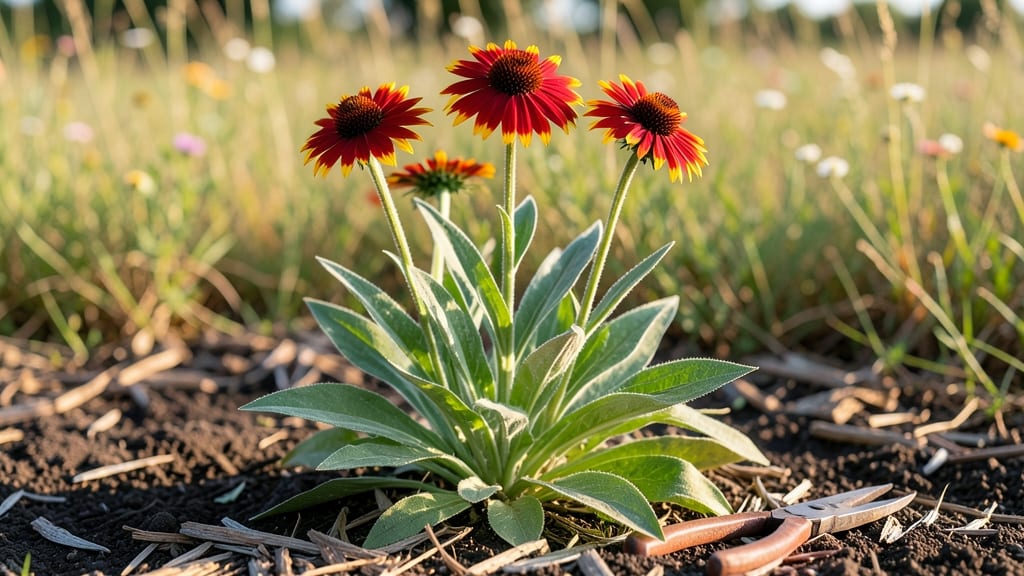
Caring for gaillardia flowers means getting vibrant, drought-resistant blooms that practically take care of themselves—once you know the simple tricks. 🌻 I’ve grown them for years, and they’ve never failed me, even during dry spells when other flowers wilt.
The secret lies in their love for sun, well-draining soil, and occasional pruning to keep them blooming all season.
Gaillardia thrives in full sun, so pick the sunniest spot in your garden. They’re happy in average soil but prefer it to be dry—overwatering is their biggest enemy. A light feeding with balanced fertilizer in spring keeps them strong, and deadheading spent blooms encourages more flowers.
With minimal effort, you’ll have a border bursting with red, yellow, and orange blooms from summer through fall.
These flowers are practically pest-proof and handle heat like champions. If you notice wilting, it’s usually from too much water or shade—just move them to a sunnier spot and cut back on watering.
They’re also great for cutting, so you can enjoy their cheerful blooms indoors too. Once established, they’ll spread and multiply, giving you more flowers with almost no work.
Perfect for low-maintenance gardens, containers, or pollinator-friendly landscapes. They’ll reward you with weeks of effortless color—just follow these simple steps, and you’ll have gaillardia blooming like crazy all season long.
📚 In This Guide
- What you need
- Instructions
- Tips and common mistakes
- Wrapping up and next steps
What you need
- ● Well-draining potting mix or garden soil (60% native soil + 40% compost or perlite for pots)
- ● Gaillardia plants (bare-root, container-grown, or seeds—choose your preferred type!)
- ● Watering can or hose with a gentle spray nozzle (for deep but controlled hydration)
- ○ Fertilizer (balanced 10-10-10 or low-phosphorus 5-10-5 for blooms, optional but helpful)
- ● Pruning shears or clean scissors (for deadheading and shaping)
- ● Gloves (gardening gloves to protect your hands from thorns or soil)
- ○ Mulch (optional) (straw, pine bark, or shredded leaves to retain moisture)
- ● Container or raised bed (if growing in pots, use 12"+ depth with drainage holes)
- ○ Stakes or cages (optional) (for taller varieties to prevent flopping)
- ○ Plant labels (optional) (to track varieties and care schedules)
- ● Full sun exposure (6+ hours of direct sunlight daily)
- ● Drought-tolerant zone (USDA Hardiness Zones 3–10, but thrives in heat)
- ● Moderate to dry soil (avoid soggy roots—Gaillardia hates "wet feet")
Step-by-step instructions for growing gaillardia with confidence
Here's how I keep these drought-loving beauties thriving year after year—minimal fuss, maximum blooms.
🌱 Step 1: Plant in Well-Draining Soil and Full Sun
Gaillardia demands full sun—at least 6-8 hours daily—to produce its signature fiery blooms. I plant mine in sandy or gravelly soil that drains like a sieve, because soggy roots will rot before you see a single flower. Amend heavy clay with coarse sand or perlite if your soil holds moisture too long.
Dig a hole twice as wide as the root ball but only as deep as the container it came in. Gently loosen the roots if they're circling—this encourages outward growth. Space plants 12-18 inches apart for good airflow, which prevents fungal issues. The first true leaves should appear within 2-3 weeks if conditions are right.
☀️ Step 2: Water Deeply but Infrequently
This is where gaillardia earns its drought-proof reputation. Water deeply once a week during the first growing season to establish roots, then cut back to every 10-14 days once established. Let the top 2 inches of soil dry out completely between waterings—you'll know it's time when the soil feels crumbly and pulls away from the pot.
Overwatering is the fastest way to kill gaillardia. I check moisture by sticking my finger 1 inch into the soil—if it's damp, wait another day. Once roots are deep, these plants can survive on rainwater alone in many climates. Yellowing leaves? You're probably overwatering. Brown, crispy edges? Time to water.
✂️ Step 3: Deadhead and Prune for Continuous Blooms
Here's the secret to nonstop color: deadhead spent blooms weekly. Snip off faded flowers with clean pruners just above the next set of leaves—this redirects energy to new buds. I make a habit of checking my gaillardia every Sunday morning; a quick 5-minute pruning session keeps them flowering until frost.
For established plants, give them a light trim in early spring to remove any dead growth. Never cut more than one-third of the plant at once, or you'll shock it. Gaillardia blooms on new growth, so pruning encourages fresh, vibrant flowers. If stems get leggy, cut them back by half to promote bushier, fuller plants.
🌿 Step 4: Fertilize Lightly and Divide Every Few Years
Gaillardia isn't a heavy feeder. I use a balanced, slow-release fertilizer (10-10-10) once in early spring and skip fertilizing after that. Too much nitrogen produces lush foliage but few flowers—what we want are bold blooms, not leaves. A handful of compost worked into the soil at planting time is all these plants need.
Every 2-3 years, divide clumps in early spring to prevent overcrowding. Dig up the plant, separate the roots into 3-4 inch sections with at least one growth bud on each piece, and replant immediately. This rejuvenates old plants and gives you free propagation material. Divided gaillardia often blooms even more vigorously the following season.
⏰ Step 5: Protect from Harsh Winters and Pests
In USDA zones 5 and colder, mulch plants with 2-3 inches of straw or shredded leaves after the first frost to insulate roots. Gaillardia is hardy down to zone 3, but young plants may need winter protection. I've seen mine bounce back from -10°F with no issues, but a little extra insulation never hurts.
Watch for aphids on new growth—they love the tender shoots. Spray with a soapy water solution (1 tsp mild dish soap per quart of water) if you spot clusters. Japanese beetles may munch on petals, but they rarely cause serious damage. If slugs become a problem, set out beer traps (a shallow dish of beer) near plants—they'll disappear overnight.
Tips & tricks for perfect gaillardia care
Here's what nobody tells you about growing gaillardia that'll make all the difference between average blooms and showstopping color.
Sunlight Secret: Those 6-8 hours of daily sun aren't just a suggestion—they're non-negotiable for vibrant blooms. I've seen gaillardia in partial shade produce flowers, but they're pale and sparse. If your garden gets less than 6 hours, consider growing them in containers where you can move them to sunnier spots during the day. Morning sun is ideal, but afternoon sun works too as long as it's consistent.
Soil Test Tip: Before planting, do this quick soil check: Grab a handful of your garden soil and squeeze it. If it holds its shape like a brick, you need to amend it with coarse sand or perlite. Gaillardia roots need to breathe, and compacted soil suffocates them. I've had the best luck with a mix that's 60% native soil and 40% sand—this creates perfect drainage while still holding enough moisture for those deep waterings.
Watering Wisdom: The once-a-week deep watering during the first season is crucial for root establishment, but here's the trick: water in the morning so the foliage has all day to dry out. Wet leaves at night invite fungal problems. I set my timer for 7 AM watering—this gives any excess moisture time to evaporate before evening. And remember, once established, these plants can handle drought better than overwatering.
Pruning Payoff: That 5-minute weekly deadheading isn't just about tidiness—it's how you get continuous blooms. The key is to cut just above the next set of leaves, not at the base of the stem. This encourages new growth from that leaf node, which will produce more flowers. I keep a pair of clean pruners in my gardening tote so I can snip spent blooms as I walk through the garden—it becomes second nature after a few weeks.
Pro Tips for Care For Gaillardia Flowers
- Here's what nobody tells you about growing gaillardia that'll make all the difference between average blooms and showstopping color.
- Sunlight Secret: Those 6-8 hours of daily sun aren't just a suggestion—they're non-negotiable for vibrant blooms.
- Soil Test Tip: Before planting, do this quick soil check: Grab a handful of your garden soil and squeeze it.
Frequently asked questions
Do gaillardia flowers need a lot of water?
Not at all! These drought-tolerant beauties thrive on very little water. Once established, gaillardias prefer deep but infrequent watering—about 1 inch per week during dry spells. Overwatering can lead to root rot, so let the soil dry out between waterings.
How often should I deadhead gaillardia flowers?
Deadheading (removing spent blooms) encourages longer and more abundant flowering. Snip off faded flowers weekly or biweekly with clean pruners. Skip this step if you love the rustic, seed-head charm, but expect fewer blooms. Pro tip: Wear gloves—some varieties have spiky petals!
Can gaillardia grow in containers or just gardens?
Gaillardias adapt perfectly to containers if given well-draining soil and a pot with drainage holes. Choose 5–7 inch pots for single plants or larger containers for clusters. Just ensure they get 6+ hours of sunlight daily—containers dry out faster than garden beds.
Why are my gaillardia leaves turning yellow?
Yellow leaves often signal overwatering, poor drainage, or pests. Check the soil—it should feel dry 1–2 inches deep. If drainage is poor, amend with sand or perlite. Inspect for aphids or spider mites (common culprits) and treat with neem oil if needed.
Do gaillardias survive winter, or should I replant yearly?
In USDA Zones 3–10, gaillardias are perennial and return yearly. In colder zones (below 3), they may die back but often resprout in spring. For annual replanting, save seeds or buy new plants—gaillardias self-seed easily if left undisturbed.
Wrapping up and next steps
Caring for gaillardia flowers is a rewarding experience—these vibrant blooms thrive with minimal fuss and bring bold color to any garden! 🌸 With the right balance of sunlight, well-draining soil, and occasional deadheading, you’ll enjoy long-lasting beauty even in dry conditions.
Remember, patience and consistency are key as you watch your gaillardias flourish.
Ready to level up your gardening skills? Try experimenting with companion plants or propagating cuttings to expand your garden’s charm. Happy gardening—your drought-proof paradise awaits! 🌞