
Propagation
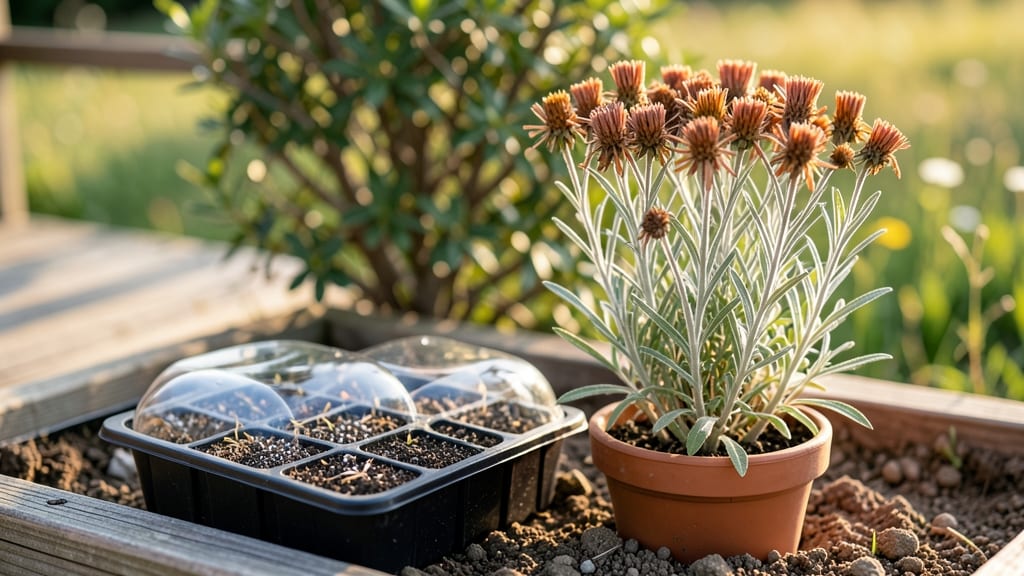
Growing strawflowers from seed is one of those gardening surprises that turns a simple tray of tiny seeds into a summer-long display of papery, sun-kissed blooms. 🌸 I’ll never forget the first time I saw those delicate, everlasting flowers—still bright and cheerful years after they were cut—because they dry so beautifully.
The secret lies in patience and the right conditions, but trust me, the payoff is worth it.
Strawflowers thrive on neglect once they’re established, but they demand precision in their early weeks. You’ll need a sunny windowsill or grow light for seedlings, a light potting mix, and a spray bottle for gentle watering.
Plant those seeds just barely under the surface—no deeper than ¼ inch—and keep them warm until sprouts appear in about 10-14 days. The key is consistency: too much water drowns them, too little stalls their growth.
By week 8, you’ll be pinching back leggy stems to encourage bushier plants, and soon after, those papery blooms will open in vibrant shades of pink, yellow, and gold. They’re drought-tolerant once rooted, so you can ease up on watering, and they’ll keep flowering until frost.
The best part? Every bloom lasts forever when dried, making them perfect for arrangements that stay fresh for years.
Whether you’re starting them indoors in late winter or sowing directly in the garden after your last frost, strawflowers adapt easily. Just give them full sun and well-draining soil, and they’ll reward you with low-maintenance color all season long. Ready to grow yours?
📚 In This Guide
- What you need
- Instructions
- Tips and common mistakes
- Wrapping up and next steps
What you need
- ● Strawflower seeds: 1 packet (typically contains 50–100 seeds; choose a variety like Helichrysum bracteatum for vibrant colors).
- ○ Seed-starting trays or small pots: 2–4 (3–4 inches deep) with drainage holes. Optional: Use biodegradable peat pots for easy transplanting.
- ● Seed-starting mix: 1 bag (lightweight, sterile, and well-draining—avoid garden soil).
- ● Grow lights or sunny windowsill: Access to 6–8 hours of indirect light daily (or a 12–14 hour photoperiod with grow lights).
- ● Misting bottle or spray nozzle: For gentle watering (avoid soaking seeds).
- ● Clear plastic wrap or humidity dome: To retain moisture while seeds germinate.
- ○ Fertilizer (optional but helpful): A balanced liquid fertilizer (5-10-5 or 10-10-10) diluted to half-strength for seedlings.
- ● Tweezers or toothpick: For carefully placing tiny seeds.
- ○ Heat mat (optional): Speeds up germination (70–75°F is ideal).
- ● Labels and markers: To track seed varieties and planting dates.
- ● Scissors or knife: For trimming plastic wrap or dividing seedlings.
- ● Outdoor space (later stage): Full sun (6+ hours daily) and well-draining soil for transplanting.
Step-by-step instructions for growing strawflowers from seed
Here's how I grow these drought-tolerant beauties—bright blooms in just 8 weeks!
🌱 Step 1: Start Seeds Indoors in Warmth
Strawflower seeds need warmth to germinate, so I place them on a seedling heat mat set to 75-80°F. Fill your 2-inch-deep seed trays with sterile seed-starting mix—never garden soil, as it can harbor fungal diseases. Press the mix down lightly to remove air pockets, then moisten it until damp but not soggy.
Sow seeds ¼ inch deep, spacing them ½ inch apart in rows. I use a toothpick to make small holes—this ensures even depth. Cover them lightly with more mix, then mist gently with water. Place the tray under a humidity dome or cover it with plastic wrap to retain moisture. Keep the heat mat on until germination, which happens in 7-14 days—watch for tiny green sprouts peeking through the soil.
☀️ Step 2: Provide Bright Light and Prevent Legginess
Once sprouts appear, remove the dome immediately to prevent damping-off. Move the tray under a grow light or to a south-facing window where they’ll get 14-16 hours of light daily. Strawflowers grow fast but get leggy if light is weak—you’ll see thin, stretched stems reaching for the sun. If this happens, lower the grow light to 2-3 inches above the seedlings and keep it on for longer hours.
Water from the bottom of the tray to avoid disturbing the delicate roots. Let the top ½ inch of soil dry out between waterings—overwatering causes rot. After 4-6 weeks, seedlings should have 2-3 sets of true leaves (not the first tiny seed leaves). This is when they’re ready for transplanting.
🪴 Step 3: Transplant to Individual Pots
Fill 4-inch pots with well-draining potting mix—strawflowers hate soggy roots. Gently remove seedlings from the tray, keeping the root ball intact. Plant them 1 inch deep, spacing them 2 inches apart in each pot. Press the soil lightly around the stems to secure them but don’t pack it down too firmly.
Water thoroughly after transplanting, then place the pots in a spot with full sun (6+ hours daily). Strawflowers thrive in dry conditions, so reduce watering to once a week unless the soil feels bone-dry. You’ll notice new growth within 7-10 days—this means they’ve adjusted to their new home. If leaves yellow, you’re overwatering; if they wilt, they need more moisture.
✂️ Step 4: Deadhead and Encourage More Blooms
When flowers start to open—about 8 weeks after sowing—you’ll see vibrant blooms in colors like pink, red, or yellow. To keep the plant producing flowers, deadhead spent blooms by snipping them off at the base with clean scissors. This redirects the plant’s energy to new buds instead of seed production.
Strawflowers are drought-tolerant, so water only when the top 1 inch of soil is dry. If grown in containers, they may need fertilizer every 4-6 weeks with a balanced liquid fertilizer (like 10-10-10). Watch for pests like aphids—spray with neem oil if you spot them. With proper care, your plants will keep blooming for weeks!
Tips & tricks for perfect strawflower growth
Here's what I've learned after growing these drought-resistant beauties for years—tricks that make all the difference between struggling sprouts and thriving blooms.
Heat Mat Hack: If you don't have a seedling heat mat, place your tray on top of your refrigerator (not inside) for consistent warmth. Strawflower seeds need that steady 75-80°F range to germinate—any cooler and they'll take forever (or never sprout). I've seen germination times stretch to 21 days when temps dipped below 70°F, so keep that heat source reliable!
The Light Factor: Those 14-16 hours of light aren't optional—they're non-negotiable for preventing leggy seedlings. I use a simple LED grow light on a timer for 16 hours daily. If using natural light, rotate your tray daily so all seedlings get even exposure. You'll know you're doing it right when stems stay sturdy and leaves stay dark green, not pale and stretched.
Transplanting Pro Tip: When moving your 4-6 week old seedlings to 4-inch pots, make the hole slightly larger than the root ball—about 1.5 inches deep instead of the 1 inch called for. This gives roots room to expand without circling, which prevents future root-bound problems. Gently press the soil around the stem to eliminate air pockets that could cause wilting.
Deadheading Secret: I've found that using clean, sharp scissors (or even a small knife) for deadheading works better than pinching with fingers. Cut just above a leaf node—this encourages new growth from that spot. For extra-long blooms, snip the stem at a 45-degree angle to increase surface area for water absorption. This simple technique can extend your flowering season by weeks!
Pro Tips for Growing Strawflowers From Seed
- Here's what I've learned after growing these drought-resistant beauties for years—tricks that make all the difference between struggling sprouts and thriving blooms.
- Heat Mat Hack: If you don't have a seedling heat mat, place your tray on top of your refrigerator (not inside) for consistent warmth.
- The Light Factor: Those 14-16 hours of light aren't optional—they're non-negotiable for preventing leggy seedlings.
Frequently asked questions
Got questions about growing strawflowers from seed?
You’re not alone! Here are answers to the most common queries to help you cultivate these cheerful blooms with confidence.
How long does it take for strawflower seeds to germinate?
Strawflower seeds typically germinate in 7–21 days when kept in warm (70–75°F), moist soil. For faster results, soak seeds overnight before planting or use a seedling heat mat. Pro tip: Keep soil consistently damp but not soggy—overwatering can drown tender sprouts!
Can I grow strawflowers from seed indoors, or do they need to go straight outside?
Yes! Start seeds indoors 8–10 weeks before your last frost date for a head start. Use trays with drainage holes and a sunny windowsill or grow lights. Once seedlings have 2–3 sets of leaves and nighttime temps stay above 50°F, transplant them outdoors after hardening off (acclimating to outdoor conditions over 7–10 days).
Why aren’t my strawflower seedlings sprouting? Troubleshooting tips?
If seeds aren’t germinating, check these common issues:
- Cold soil: Strawflowers need warmth to sprout. Try a heat mat or move pots to a warmer spot.
- Old seeds: Viability drops after 2–3 years. Test with a fresh packet if unsure.
- Poor moisture: Mist soil lightly daily—don’t let it dry out.
- Depth issues: Plant seeds too deep (max ¼ inch) or they may rot.
Do strawflowers need full sun, and what if my garden is shady?
Strawflowers thrive in full sun (6+ hours daily), but they’ll tolerate partial shade (4–6 hours), especially in hot climates. In shady spots, expect smaller blooms and leggy stems. If your garden lacks sun, consider growing them in containers near a sunny wall or balcony.
Are strawflowers annuals or perennials, and will they self-seed?
Strawflowers are tender perennials but often grown as annuals in most climates (they die back in frost). They do self-seed readily—if you let spent blooms dry on the stem, seeds will scatter and sprout next season! For easier control, deadhead (trim) flowers before they go to seed or collect seeds for next year’s garden.
Are strawflowers deer- or pest-resistant?
Strawflowers are deer-resistant (deer usually avoid their papery blooms), but they may attract aphids or spider mites in dry conditions. Keep plants healthy with regular watering and prune crowded foliage for airflow. For severe infestations, spray with neem oil or insecticidal soap.
Wrapping up and next steps
Growing strawflowers from seed is a rewarding journey that brings bursts of color to your garden in just 8 weeks! With the right soil, sunlight, and patience, you’ll transform tiny seeds into cheerful, long-lasting blooms that brighten up any space.
Whether you’re a beginner or a seasoned gardener, this process is simple and packed with joy—so grab those seeds and get ready to watch your garden flourish!
🌱 Next step: Mark your calendar for 8 weeks from planting and enjoy the magic of watching your strawflowers bloom! Share your progress with fellow gardeners or experiment with different varieties—your garden deserves the colorful love you’re about to give it. Happy growing! 🌸