
Flowers
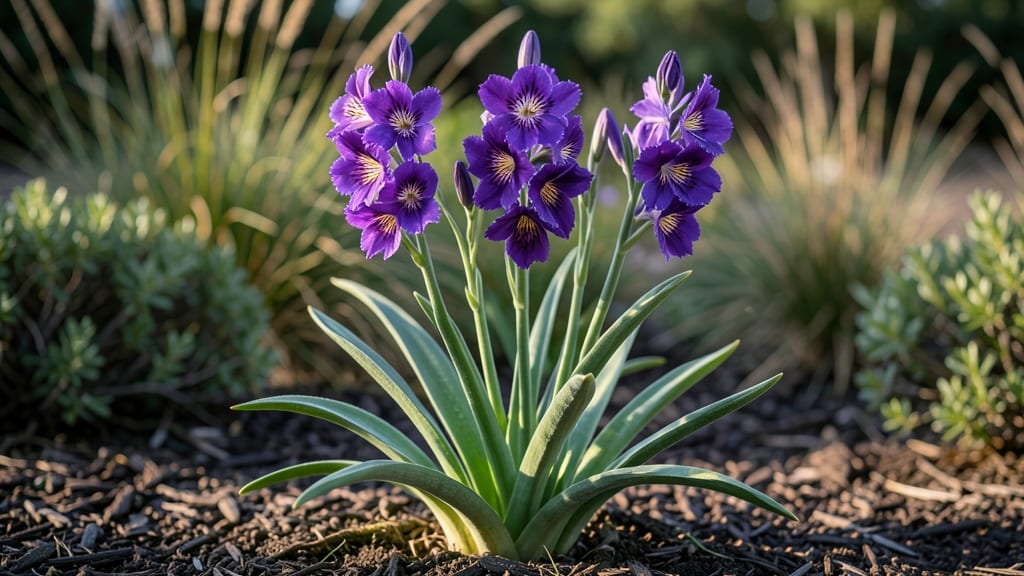
Stock flowers aren't just pretty faces—they're the year-round bloomers that keep your garden smelling like a spring bouquet even in winter. ✨ I've grown them for years, and the secret to their nonstop performance lies in three strategic trims that reset their growth cycle, not just their appearance.
The first cut in early spring jumpstarts blooms, while the final trim in late summer prepares them for winter hardiness.
You'll need well-draining soil, full sun, and a pair of sharp pruners—no fancy tools required. Stocks thrive in zones 5-9, making them one of the most adaptable perennials for gardeners who want fragrant, long-lasting blooms without constant fuss.
The varieties like sweet William and evening stock add different heights and fragrances, so you can mix them for a layered, sensory-rich display that lasts from spring through frost.
After mastering the three-trims system, you'll harvest cut flowers that last 10 days in water and a garden that stays lush even when neighbors' plants are fading.
The key is timing: trim when flowers fade, cut back leggy stems in summer, and give them a light haircut in fall to protect tender growth. This method works for both garden beds and containers, making it perfect for small spaces or urban balconies.
Here's the best part: once established, stocks multiply on their own and become self-sustaining. You'll spend less time maintaining them and more time enjoying their sweet, clove-like scent.
The first year requires patience, but by year two, you'll have a blooming machine that outperforms annuals while saving you money. Let's get those shears ready!
📚 In This Guide
- What you need
- Instructions
- Tips and common mistakes
- Wrapping up and next steps
What you need
- ● Stock flower seeds or cuttings: Choose from heirloom varieties like Matthiola incana (common stock) or fragrant types like Matthiola longipetala. 10–20 seeds or 3–5 cuttings per pot or garden bed.
- ● Well-draining potting soil: A high-quality seed-starting mix (sterilized and lightweight) or garden soil amended with compost (70% soil, 30% compost). 2–3 gallons per container or enough to fill raised beds.
- ● Containers or garden space: For indoor/container growing: 5–7 inch diameter pots with drainage holes (1–2 plants per pot).
- ● For outdoor planting: Full sun (6+ hours daily) and well-draining soil in a 6-inch deep bed (space plants 12–18 inches apart).
- ● Watering can or hose with gentle spray nozzle: Stock flowers hate soggy roots—water lightly but frequently (keep soil evenly moist, not waterlogged).
- ● Fertilizer: Balanced liquid fertilizer (10-10-10 or 20-20-20) for seedlings.
- ● Low-nitrogen, phosphorus-rich fertilizer (e.g., 5-10-10) for blooming stages.
- ● Pruning shears: Sharp, clean shears for trimming stems (sterilize with rubbing alcohol between cuts).
- ○ Grow lights (optional for indoor starts): LED full-spectrum bulbs (12–16 hours/day) if natural light is less than 6 hours/day.
- ● Seedling trays or biodegradable pots: For transplanting seedlings without root disturbance.
- ● Mulch: Straw or shredded leaves to retain moisture and suppress weeds.
- ● Support stakes or cages: Tall varieties (like Matthiola longipetala) may need 6–12 inch stakes for stability.
- ● pH testing kit: Ideal soil pH for stock flowers: 6.0–7.0 (adjust with lime or sulfur if needed).
- ● Drip irrigation system: Automates watering for consistent moisture.
- ● Glass jars or vases: For harvesting and displaying your blooms!
Step-by-Step guide to pruning stock flowers for continuous blooms
Here's how to coax your stock plants into nonstop flowering with just three strategic cuts.
✂️ Step 1: First Trim After Initial Blooms
Once your stock plants produce their first flush of flowers, let them bloom fully but don't let them go to seed. When the blossoms fade, snip the stems back to just above a set of healthy leaves with sharp pruners. This encourages the plant to focus energy on side shoots rather than seed production. I always make my first cut when about 70% of the original flowers have dropped—this timing balances bloom display with future growth.
The reason this works is that stock flowers naturally produce a growth hormone in their stems that signals the plant to slow down. By removing the spent stems, you reset this signal. Watch for new shoots emerging from leaf axils within 7-10 days—these will become your next wave of blooms. If you see leggy stems developing, your plant needs more light immediately.
✂️ Step 2: Second Trim for Bushier Growth
About 6-8 weeks after your first trim, your stock plants will have filled out with new growth. This is when you make your second cut to create a bushier, more compact plant. Look for the longest stems and cut them back by about one-third of their length, always cutting just above a leaf node. This promotes branching and creates more flower stems.
Here's the thing—stock plants respond beautifully to this pruning, but timing matters. If you cut too early, you'll sacrifice blooms. If you wait too long, the stems become woody. The ideal moment is when you see 3-4 sets of true leaves on the new growth. After pruning, give your plants a light feeding with a balanced fertilizer to support the new growth spurt you're about to trigger.
✂️ Step 3: Final Trim for Winter Hardiness
As temperatures begin to drop in late fall, give your stock plants their final trim of the year. Cut back all stems by about half, removing any dead or diseased growth first. This trim stimulates new basal growth that will be more cold-hardy. The goal is to create a compact, rounded plant that can better withstand winter temperatures.
After this final trim, stop fertilizing and reduce watering slightly. Your plant is entering its winter rest period, and you want to encourage root development rather than top growth. In early spring, you'll see fresh new growth emerge from the base—this is your signal that the plant has successfully overwintered and is ready for another growing season.
⏰ Step 4: Ongoing Maintenance Trims
Throughout the growing season, keep an eye out for stems that have finished blooming. As soon as they start to look tired, snip them back to maintain the plant's energy flow. This isn't a hard-and-fast schedule—it's more about responding to what you see. Regular deadheading prevents seed formation and encourages continuous flowering.
I like to do a quick inspection every 10-14 days, especially in warm weather when growth is rapid. The key is to always cut just above a leaf node, never leaving a stub. This ensures the plant can heal properly and continue producing new growth from that point. With this approach, you'll have stock flowers blooming from early summer right through to the first frost.
Tips & tricks for perfect stock flower pruning
These essential techniques will help you maximize blooms and keep your stock plants thriving all season long.
Timing is Everything: In Step 1, that 70% bloom fade mark is critical—waiting too long lets the plant expend energy on seed production instead of new growth. I've found that checking for leggy stems is your best indicator: if they're stretching toward light, your plant is begging for more sunlight. The 7-10 day wait for new shoots is non-negotiable—this gives the plant time to redirect its energy properly. If you see new growth appearing sooner, that's a sign your plant is particularly vigorous.
Pruning Precision: When making your second trim (Step 2), focus on cutting just above leaf nodes where new growth emerges. I always use sharp pruners to make clean cuts—dull blades crush stems and invite disease. That one-third reduction might seem drastic, but it's what triggers the bushier growth we want. For woody stems, make the cut at a 45-degree angle to prevent water pooling, which can cause rot. The 3-4 sets of true leaves cue is your visual confirmation that the plant is ready for this next phase.
Seasonal Strategy: The fall trim (Step 3) is where many gardeners go wrong—they cut back too aggressively. Remember, we're aiming for half the stem length, not bare branches. This stimulates cold-hardy basal growth that will surprise you come spring. After trimming, reduce watering by about 25%—your plant is entering dormancy, and too much moisture encourages rot. The key is to stop fertilizing completely; you want roots to strengthen, not top growth to spurt.
Maintenance Mindset: Those 10-14 day inspections (Step 4) are your secret weapon for continuous blooms. I treat it like a date with my plants—consistent check-ins prevent problems before they start. The "always cut above a leaf node" rule is non-negotiable; it's where auxin hormones (natural plant growth regulators) are concentrated. When you cut here, you're telling the plant, "Grow more here!" rather than leaving it confused about where to send its energy.
Pro Tips for Growing Stock Flowers
- These essential techniques will help you maximize blooms and keep your stock plants thriving all season long.
- Timing is Everything: In Step 1, that 70% bloom fade mark is critical—waiting too long lets the plant expend energy on seed production instead of new growth.
- Pruning Precision: When making your second trim (Step 2), focus on cutting just above leaf nodes where new growth emerges.
Frequently asked questions
Got questions about growing stock flowers?
You’re not alone! Here are answers to the most common queries to help you cultivate a thriving garden with minimal fuss.
How often should I trim stock flowers to encourage blooms?
Trim stock flowers three times a year—in early spring, mid-summer, and late summer—to promote bushier growth and more blooms. Lightly prune dead or yellowing flowers year-round to keep plants healthy. Avoid heavy cuts in fall or winter, as this can stress the plant.
When is the best time to plant stock flowers for year-round blooms?
Plant stock flowers in early spring (after the last frost) or early fall for the best results. They thrive in cool weather and can handle light frosts. If planting in containers, ensure they get at least 6 hours of sunlight daily and use well-draining soil to prevent root rot.
Can I grow stock flowers in containers, or do they need a garden bed?
Stock flowers love containers—just use pots at least 12 inches wide and deep with drainage holes. Choose a mix of potting soil and perlite for airflow. Containers dry out faster, so water frequently (especially in hot weather) and fertilize lightly every 4-6 weeks.
What pests or diseases should I watch for in stock flowers?
Stock flowers are generally hardy, but keep an eye out for aphids, spider mites, or whiteflies. Treat infestations with neem oil or insecticidal soap. Overwatering can lead to root rot, so ensure soil drains well. Yellowing leaves may signal nutrient deficiency—try a balanced fertilizer to revive growth.
What are some low-maintenance alternatives to stock flowers for long-lasting blooms?
If stock flowers seem high-maintenance, try these easy-care alternatives:
- Sweet peas – Fragrant, cold-hardy, and self-seeding.
- Snapdragons – Long blooming season with minimal pruning.
- Calendula – Drought-tolerant and pest-resistant.
- Zinnias – Fast-growing and great for cutting.
Wrapping up and next steps
Growing stock flowers at home is simpler—and more rewarding—than you might think! 🌸 With just three key trims, you can enjoy vibrant, year-round blooms that brighten up any space. Whether you're a seasoned gardener or a beginner, these easy steps will help you cultivate lush, healthy plants with minimal effort.
Ready to dive in? Start by gathering your supplies, then follow the trimming guide to keep your stock flowers thriving. Your next step? Pick a sunny spot, plant your seeds, and watch your garden transform into a fragrant paradise! 🌱