
Container Gardens
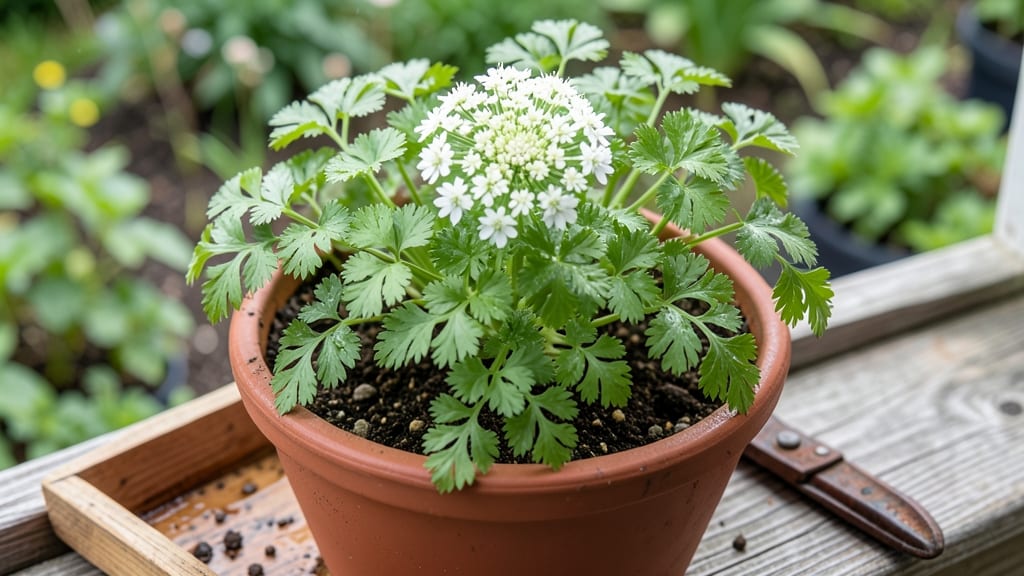
Growing cilantro flowering too fast can sabotage your harvest—here’s how to keep it leafy and productive. 🌱 I’ve lost count of the times I’ve watched my cilantro bolt within weeks, turning bitter and useless before I could even use it.
The secret isn’t complicated: it’s about controlling heat, light, and the right growing conditions.
Bolting happens when cilantro senses heat or long daylight, triggering that familiar flower stalk. The good news? You can delay it with partial shade, succession planting, and choosing heat-tolerant varieties like ‘Slow Bolt’ or ‘Calypso’.
Even a simple row cover or afternoon shade cloth works wonders in hot climates.
Once it flowers, don’t toss it—harvest the seeds for coriander or use the leaves in dishes while they’re still tender. With these tricks, you’ll enjoy fresh cilantro for weeks longer, and your salsas will never suffer again. Let’s get those plants cooperating!
This method works for container gardens, in-ground beds, or windowsill pots—no fancy setup required. Just adjust based on your climate, and you’ll be snipping leaves instead of watching them bolt.
📚 In This Guide
- What you need
- Instructions
- Tips and common mistakes
- Wrapping up and next steps
What you need
- ● Cilantro seeds: 1–2 teaspoons (about 100–200 seeds) – choose slow-bolting or heat-tolerant varieties like Calypso or Santo.
- ● Container: 1–2 small pots (6–8 inches deep) or a larger tray (12+ inches) for multiple plants. Ensure drainage holes are present!
- ● Potting mix: 2–3 gallons of well-draining, organic soil blend (e.g., 60% peat/compost, 30% perlite, 10% vermiculite).
- ● Watering can or spray bottle: With a fine nozzle for gentle hydration.
- ○ Shade cloth (optional but helpful): Lightweight 30–50% shade fabric (5’x5’ sheet) to protect from intense sun.
- ○ Gloves (optional): To keep hands clean while handling soil.
- ● Fertilizer: Balanced liquid fertilizer (e.g., 10-10-10) or compost tea for nutrient boosts.
- ● Pruning shears: Small pair for trimming bolting stems or harvesting.
- ○ Thermometer (optional): To monitor soil temps (ideal: 60–75°F).
- ○ Mulch (optional): Straw or shredded leaves to retain moisture and cool roots.
How to prevent cilantro from flowering prematurely
Here's the straightforward method I've used for years to keep cilantro leafy and productive.
🌱 Step 1: Choose the Right Variety for Your Climate
Not all cilantro responds the same way to heat. For cooler regions, select slow-bolting varieties like 'Santo' or 'Calypso'—they handle mild warmth better. If you live in hotter zones, opt for 'Leisure' or 'Slow Bolt' types, specifically bred to delay flowering. The key is matching your local climate to the plant's tolerance.
I always check seed packets for "slow-bolt" labels—those varieties are your best bet for extending harvest time. Even with the right seeds, though, environmental factors will still play a role. This is where the next steps make all the difference.
☀️ Step 2: Manage Light Exposure Strategically
Cilantro bolts when it senses long daylight hours. In spring and fall, when days are shorter, it stays leafy longer. But as summer approaches, those extra daylight hours trigger flowering. The solution? Use shade cloth during peak afternoon sun—30-50% shade—when temperatures rise above 75°F.
I install a removable shade net over my cilantro plants from late morning until early afternoon. This blocks the intense sunlight that accelerates bolting while still allowing enough light for growth. Watch for leaves curling or yellowing—those are signs the shade is too heavy. Adjust the coverage until you find the sweet spot where plants stay green and leafy.
💧 Step 3: Maintain Consistent Moisture Without Overwatering
Drought stress forces cilantro to bolt faster as it tries to set seed. Keep the soil evenly moist—never dry or soggy. Water deeply every 2-3 days until the top 1-2 inches of soil feel damp to the touch. A moisture meter helps here, but you can also use your finger to check without disturbing the roots.
Here's the thing—I've learned the hard way that cilantro hates inconsistent watering. If you let it dry out completely, it'll bolt within days. But if you keep it consistently moist, you'll delay flowering by 2-3 weeks compared to neglected plants. Mulch with 1-2 inches of straw to retain moisture and prevent temperature fluctuations in the soil.
✂️ Step 4: Harvest Regularly to Encourage Leaf Production
Frequent harvesting prevents the plant from sensing it's time to reproduce. Snip outer leaves when they reach 3-4 inches tall, leaving the inner growth intact. This stimulates bushier growth and delays bolting. I harvest every 5-7 days during active growth periods, always using clean, sharp scissors to avoid damaging stems.
Don't take more than one-third of the plant at a time—this keeps the cilantro healthy and productive. If you see flower stalks beginning to form, cut them immediately. Even a small flower bud means the plant has decided to bolt, and removing it gives the leaves one last chance to recover.
🌿 Step 5: Use Successive Planting for Continuous Harvests
Instead of relying on one planting to last all season, sow new seeds every 2-3 weeks. This staggered approach ensures you always have fresh, leafy cilantro while older plants bolt. For spring plantings, start with seeds indoors 4-6 weeks before the last frost date, then transplant outdoors when soil reaches 60°F.
In hot climates, I switch to shade-tolerant varieties and plant in partial shade from late spring through early summer. The goal is to always have young plants that haven't yet experienced the heat stress that triggers bolting. This method guarantees a steady supply of fresh cilantro for months.
Tips & tricks for preventing cilantro bolting
Let me save you the frustration I went through trying to keep my cilantro leafy—these simple tricks work every time.
Variety Selection Matters: The slow-bolting varieties like 'Santo' or 'Calypso' are worth seeking out, but even with them, you'll need to combine this with other techniques. I've found that planting a mix of varieties gives you the best insurance—some may bolt earlier, but others will stay leafy longer. Check your seed packets for heat tolerance ratings to make the smartest choice for your climate.
Shade Timing is Critical: When temperatures rise above 75°F, that's your cue to install shade cloth. I've learned that afternoon sun (11 AM to 3 PM) is the worst offender—cilantro senses this extended daylight as a signal to bolt. Use a 30-50% shade cloth during these peak hours, but remove it in the mornings and evenings to ensure the plants still get enough light for photosynthesis. The goal is to trick the plant into thinking the days are shorter than they actually are.
Watering Consistency is Non-Negotiable: The biggest mistake I see is inconsistent watering—either letting the soil dry completely or keeping it soggy. Cilantro needs that evenly moist condition where the top 1-2 inches stay damp. I've found that watering in the morning gives the soil time to absorb moisture before the heat of the day. A moisture meter is worth the investment here—it takes the guesswork out of determining when to water. And remember, mulching with 1-2 inches of straw helps maintain that perfect moisture level while also keeping soil temperatures stable.
Harvesting Technique Makes All the Difference: When harvesting, focus on the outer leaves that have reached 3-4 inches tall. These are the most mature and can be safely removed without harming the plant. I always use clean, sharp scissors to make precise cuts just above a leaf node—this encourages new growth from that point. The key is to never remove more than one-third of the plant at a time. If you see any flower stalks beginning to form, cut them immediately—the plant will redirect its energy to leaf production rather than seed development.
Pro Tips for Growing Cilantro Flowering
- Let me save you the frustration I went through trying to keep my cilantro leafy—these simple tricks work every time.
- Variety Selection Matters: The slow-bolting varieties like 'Santo' or 'Calypso' are worth seeking out, but even with them, you'll need to combine this with other techniques.
- Shade Timing is Critical: When temperatures rise above 75°F, that's your cue to install shade cloth.
Frequently asked questions
Got questions about cilantro flowering?
You’re not alone—this tricky herb stumps even seasoned gardeners! Below, we’ve answered the most common questions to help you keep your cilantro lush and leafy (not flowery).
Why does cilantro flower so fast?
Cilantro bolts (flowers) quickly due to heat stress or long daylight hours. Once temperatures hit 75°F (24°C) or higher, or days stretch past 12–14 hours of light, it triggers flowering. Hot climates or late-spring planting are the usual culprits!
Can I still use cilantro after it flowers?
Yes! While the leaves may turn bitter, the flowers and seeds (coriander) are edible and flavorful. Snip the flowers for garnishes, or let seeds mature for spicy seasoning. Just avoid harvesting bitter leaves for fresh dishes.
How do I prevent cilantro from flowering in containers?
Try these tricks:
- Shade cloth: Use 30–50% shade during peak sun.
- Cool soil: Water deeply in the morning to lower root temps.
- Succession plant: Sow new seeds every 2–3 weeks for a continuous harvest.
- Choose bolt-resistant varieties: ‘Santo’ or ‘Calypso’ cilantro handle heat better.
Is cold weather better for growing cilantro?
Cilantro thrives in cool seasons (50–75°F / 10–24°C). For year-round harvests:
- Plant in early spring or fall (avoid summer heat).
- Use row covers in winter to protect from frost.
- Try indoor growing with grow lights for winter crops.
What’s a good alternative if cilantro keeps flowering?
If cilantro’s bolting is frustrating, swap it for:
- Coriander (same plant, different stage): Harvest seeds instead of leaves.
- Parsley or dill: Heat-tolerant herbs with milder flavors.
- Chinese cilantro (coriander): More bolt-resistant and aromatic.
- Mexican tarragon: A cilantro-like herb that stays leafy longer.
Wrapping up and next steps
Growing cilantro can be a rewarding experience, but dealing with bolting and flowering doesn’t have to be stressful! By following the simple tricks—like choosing the right variety, providing shade, and maintaining consistent moisture—you’ll keep your cilantro fresh and flavorful for longer.
Remember, patience and attention to detail are your best friends in the garden. 🌱
Ready to take your cilantro game to the next level? Try these tips in your next planting session and enjoy a bountiful, slow-to-bolt harvest. Happy gardening! 🌿