
Flowers
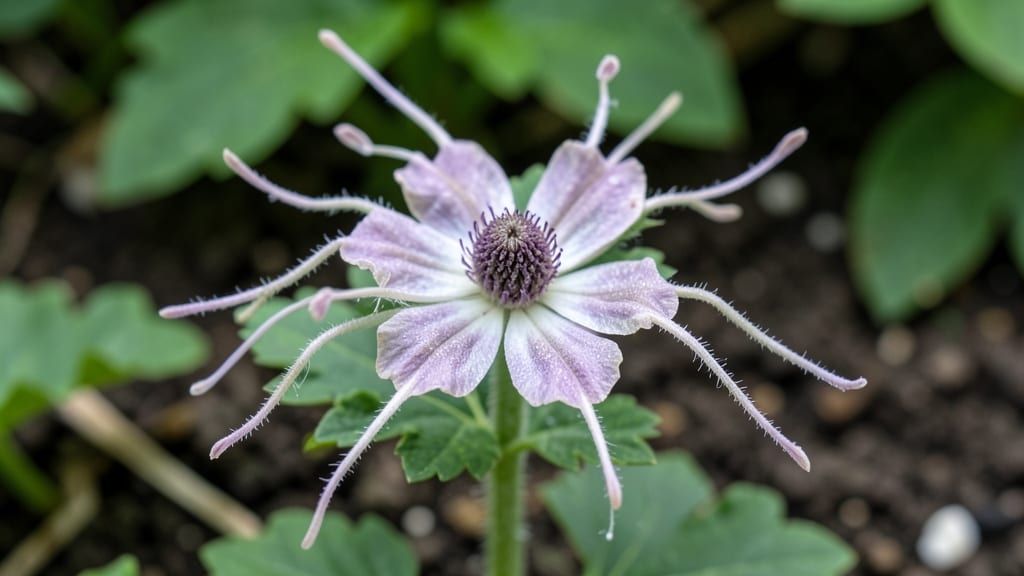
The gb spider flower transforms any garden into a whimsical blue sky with its airy, spider-like blooms that dance on wiry stems. 🌿 I fell for this plant the first time I saw it swaying in a summer breeze—its delicate petals and dramatic seed pods make it impossible to ignore.
Unlike many annuals, this cold-hardy perennial keeps coming back, rewarding you with years of effortless beauty.
Growing Cleome hassleriana is shockingly easy, even for beginners. It thrives in full sun to partial shade, tolerates poor soil, and handles drought once established. Just plant seeds directly in the garden after the last frost—no fussing with transplants.
Within 6-8 weeks, you’ll see those signature spider-shaped flowers reaching toward the sky, attracting bees and butterflies along the way.
What makes this plant magical is its year-round interest. The seed pods add winter texture, and the foliage stays lush until frost. Pair it with tall grasses for a wild, natural look or mix with purple salvias for a dreamy blue-and-purple palette.
Once you grow one, you’ll want a dozen—it’s that addictive.
Fair warning: these plants get tall (3-5 feet), so give them space. They self-seed aggressively, too, which means more free plants next year. If you love low-maintenance, high-impact perennials, this is your new go-to. Let’s get those seeds in the ground!
📚 In This Guide
- What you need
- Instructions
- Tips and common mistakes
- Wrapping up and next steps
What you need
- ● GB Spider Flower Seeds – Choose a cold-hardy variety (e.g., 'GB' series) for better winter resilience. Quantity: 10–20 seeds (or 1–2 seed packets).
- ● Well-draining potting mix – A blend of 50% garden soil, 30% compost, and 20% perlite/sand for aeration. Quantity: 1–2 gallons, depending on container size.
- ● Seed-starting trays or small pots – Size: 2–3 inches in diameter (biodegradable pots work great!).
- ○ Grow lights or a sunny windowsill – For seedlings (6–8 hours of light daily). Optional: A heat mat (70–75°F) for faster germination.
- ● Outdoor planting site – Full sun (6+ hours/day) and well-draining soil (pH 6.0–7.5). Space: 12–18 inches apart for mature plants.
- ● Watering can or hose with a gentle spray nozzle – Avoid overwatering to prevent root rot.
- ○ Fertilizer (optional but helpful) – A balanced, slow-release granular fertilizer (10-10-10) or compost tea for nutrient boosts.
- ● Garden trowel or transplanting spade – For digging and relocating seedlings.
- ● Pruning shears – To trim dead blooms and encourage bushier growth.
- ● Mulch (straw or shredded bark) – Helps retain moisture and protect roots in winter.
- ● Plant markers – To label your GB Spider Flowers (especially useful in large gardens!).
- ● Insecticidal soap or neem oil – For pest control (aphids or spider mites may occasionally visit).
Step-by-Step instructions for establishing GB Spider Flower in your garden
This cold-tolerant stunner thrives with minimal fuss—just follow these precise steps.
🌱 Step 1: Choose the Perfect Planting Site
GB Spider Flower (Cleome hassleriana) craves full sun to partial shade—at least 6 hours of direct sunlight daily for peak blooms. I always scout locations with well-draining soil first, as soggy roots trigger rot. Test drainage by digging a 6-inch hole, filling it with water, and checking if it drains within 30 minutes. If not, amend with 2-3 inches of compost or plant on a slight mound.
Here's the thing—this plant tolerates USDA Zones 2-11, making it ideal for northern gardens. In hot climates, provide afternoon shade to prevent leaf scorch. I've seen it thrive in rock gardens, cottage borders, and even containers—just ensure the pot has drainage holes and is at least 12 inches deep.
🪴 Step 2: Prepare Soil and Plant Bare-Root or Container-Grown Starts
Loosen the soil to a 12-inch depth with a garden fork, breaking up compacted layers. Mix in 2-3 inches of compost or aged manure to enrich the soil—this perennial rewards long-term feeding. For container growing, use premium potting mix with 20% perlite to prevent compaction. GB Spider Flower tolerates poor soil but blooms prolifically in fertile, slightly alkaline conditions (pH 6.0-7.5).
Plant bare-root starts 2-3 feet apart in rows or 18-24 inches apart in borders. Dig holes twice as wide as the root ball but only as deep as the container. Gently remove the plant, tease out any circling roots, and place it so the top of the root ball sits flush with soil level. Backfill with native soil, firming lightly to eliminate air pockets. Water deeply to settle the roots—1 gallon per plant should do it.
☀️ Step 3: Water and Mulch for Year-Round Success
Keep soil evenly moist but never soggy during the first 4-6 weeks after planting. Water at the base, avoiding foliage to prevent fungal diseases like powdery mildew. Once established, GB Spider Flower is drought-tolerant—water 1-2 times per week in dry spells, but reduce in winter unless temperatures drop below 20°F. You'll know it's thirsty when the leaves droop slightly in the afternoon.
Apply a 2-3 inch layer of mulch (straw or shredded bark) around plants, keeping it 3 inches away from stems. This conserves moisture, regulates soil temperature, and suppresses weeds. In Zone 5 and colder, add an extra 4-6 inches of mulch in late fall to protect roots from freeze-thaw cycles. The mulch will break down over time, enriching the soil naturally.
✂️ Step 4: Prune Strategically for Continuous Blooms
Deadhead spent blooms weekly by snipping stems 1-2 inches below the flower head. This encourages nonstop flowering from early summer through frost. I use clean, sharp pruners to avoid damaging stems—always sterilize them with rubbing alcohol between cuts. Avoid heavy pruning in late summer, as new growth won't harden off before winter.
In fall, cut back tattered stems to 6 inches tall to tidy the plant and prevent disease overwinter. GB Spider Flower is self-seeding, so you'll often find volunteers popping up in spring. If you want to control spread, pull these early or snip seed pods before they release. The reason we prune now is that the plant stores energy in its deep taproot, ensuring vigorous regrowth next season.
⏰ Step 5: Winterize and Protect for Next Year's Blooms
In Zones 3-5, mound 4-6 inches of mulch around the base in late fall to insulate roots. I also wrap young plants in burlap for the first winter to prevent winter burn. In Zones 6-11, no special care is needed—this plant handles frost beautifully. Watch for new growth in early spring (usually by late March or April), which signals it's time to remove winter protection.
Fertilize lightly in early spring with a balanced 10-10-10 formula at ½ the recommended rate. Too much nitrogen produces lush foliage but fewer blooms. Here's where it gets fun—watch for seed pods forming in late summer. These can be left for self-seeding or collected for next year's garden. The key to long-term success? Minimal intervention—this plant rewards patience with years of effortless blue blooms.
Tips & tricks for perfect GB Spider Flower establishment
These practical insights will help you avoid common pitfalls and maximize your blue beauty's potential.
Site Selection Insight: When testing drainage in Step 1, I recommend doing this test a day before planting. This gives you time to adjust the site if needed—whether that means amending with more compost or choosing a different location entirely. The 6-hour sunlight requirement is non-negotiable for peak blooms, but I've found that morning sun with afternoon shade works surprisingly well in hotter climates without sacrificing flower production.
Soil Preparation Strategy: For the 12-inch soil loosening in Step 2, I like to use a broadfork rather than a shovel. This preserves soil structure while breaking up compaction. If your soil tests acidic (below pH 6.0), add a handful of crushed limestone to the planting hole—just enough to slightly raise the pH. The plant's tolerance for poor soil makes it forgiving, but that fertile, slightly alkaline mix really makes the difference in bloom quantity.
Watering Wisdom: The 4-6 week moist-but-not-soggy phase in Step 3 is where most beginners struggle. I've found that using soaker hoses buried 2-3 inches deep delivers water directly to roots without wetting foliage. For container growing, I increase watering frequency to daily during this period since pots dry out faster. Watching for that slight leaf droop in the afternoon is your best indicator—this plant is remarkably drought-tolerant once established, but it needs consistent moisture to get its roots going.
Pruning Precision: When deadheading weekly in Step 4, I recommend using small floral scissors instead of regular pruners. The 1-2 inch cut below the flower head might seem arbitrary, but this precise cut prevents unsightly stubs while encouraging new growth from the next set of leaves. I've seen gardeners make the mistake of cutting too close to the stem, which can expose the plant to disease. Sterilizing your tools between cuts is especially important if you're working with multiple plants in your garden.
Pro Tips for Gb Spider Flower
- These practical insights will help you avoid common pitfalls and maximize your blue beauty's potential.
- Site Selection Insight: When testing drainage in Step 1, I recommend doing this test a day before planting.
- Soil Preparation Strategy: For the 12-inch soil loosening in Step 2, I like to use a broadfork rather than a shovel.
Frequently asked questions
Got questions about growing GB Spider Flower (Cleome hassleriana)? You’re not alone! Here are some of the most common queries—plus quick answers to help you nurture these stunning blue bloomers with confidence.
How cold-hardy is GB Spider Flower, and can it survive winter?
The GB Spider Flower is a cold-hardy perennial in USDA zones 9–11, but it’s often grown as an annual in cooler climates. In frost-prone areas, protect it with mulch or grow it in containers to move indoors before temperatures drop below 25°F (-4°C). With the right care, it can rebloom year after year!
How long does it take for GB Spider Flowers to bloom after planting?
If you start seeds indoors 6–8 weeks before the last frost, expect blooms 8–12 weeks after germination. Direct-sown seeds may take 2–3 months to flower, but they reward patience with bold, spider-like blooms that last all summer (and sometimes into fall!).
Why aren’t my GB Spider Flowers blooming—just lots of leaves?
Over-fertilizing (especially with nitrogen) can stunt blooms. Instead, use a low-phosphorus fertilizer or compost to encourage flowers. Also, ensure it gets 6+ hours of sunlight daily—shady spots lead to leggy, non-flowering plants. Deadhead spent blooms to prompt more flowers!
Can I grow GB Spider Flower in containers, and what’s the best pot size?
Use a 5-gallon or larger container with drainage holes to prevent root rot. Mix well-draining soil with perlite, and place the pot in full sun. Container-grown plants thrive with regular watering (let soil dry slightly between waterings) and benefit from occasional pruning to maintain shape.
Are there alternatives to GB Spider Flower for blue/purple blooms?
If you love the vibrant blue-purple hues of GB Spider Flower, try these cold-hardy perennials:
- Lavender (Lavandula) – Drought-tolerant and fragrant
- Russian Sage (Perovskia atriplicifolia) – Silvery foliage + purple spikes
- Catmint (Nepeta) – Long-blooming and deer-resistant
- Salvia (Salvia nemorosa) – Heat-loving with striking spikes
Wrapping up and next steps
The GB Spider Flower (Cleome hassleriana) is a stunning, low-maintenance perennial that rewards gardeners with year-round beauty—from its delicate blooms to its striking seed pods.
Whether you're drawn to its drought tolerance, cold hardiness, or vibrant blue hues, this plant proves that growing a showstopper doesn’t have to be complicated. With the right spot and care, you’ll enjoy its charm for seasons to come!
Ready to transform your garden? Start by gathering your supplies, then check off the requirements to ensure your Spider Flower thrives. Next, browse the FAQs for quick tips—then get planting! 🌱✨