
Light Requirements
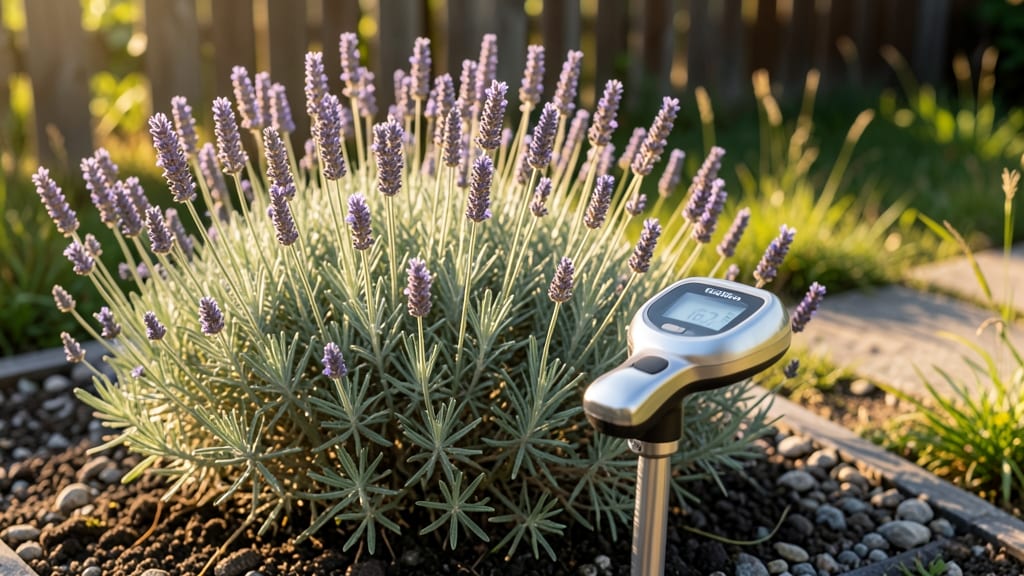
Full sun flowers aren't just about bright light—they're about the kind of intense, unfiltered energy that turns ordinary garden beds into showstopping displays of color and texture. I’ve watched sunflowers stretch toward the sky and lavender bushes burst with purple haze, all because they got exactly what they needed: six or more hours of direct sunlight daily. The difference between a struggling plant and a thriving one often comes down to this single factor, and once you master it, your garden will never look the same.
Not all flowers thrive in full sun, though—some need balance, while others wilt under too much heat. Sunflowers, marigolds, and coneflowers practically beg for sunlight, while roses and peonies prefer a little afternoon shade in hot climates.
The key is matching your plants to your space: south-facing beds get the most sun, but even north-facing areas can work with the right choices. I’ve even grown petunias in containers on east-facing porches, and they’ve outlasted their shade-loving neighbors by weeks.
When you position your flowers correctly, you’ll see bold, long-lasting blooms that stay vibrant through heatwaves and attract pollinators like crazy. The secret isn’t just placing them in the sun—it’s understanding how light intensity changes with the season and adjusting accordingly.
A bed that works in summer might need protection in high-desert climates or coastal areas where afternoon sun can scorch delicate petals.
Troubleshooting starts with observation: yellowing leaves, stunted growth, or flowers that refuse to open? That’s your garden whispering, "I need more—or less—sun." With a few simple adjustments, you can turn lackluster blooms into year-round color that turns heads. Let’s get those flowers glowing.
📚 In This Guide
- What you need
- Instructions
- Tips and common mistakes
- Wrapping up and next steps
What you need
- ● Flower seeds, bulbs, or transplants: Full-sun lovers: Marigolds, Zinnias, Black-Eyed Susans, Coneflowers, Lavender, or Sunflowers (choose 3–5 varieties for diversity).
- ● Quantity: 10–50 plants/bulbs per square foot (follow seed packet instructions for spacing).
- ○ Well-draining potting mix or garden soil: 5–10 cubic feet (or enough to fill your chosen containers). Optional: Amend with compost (1 part compost to 3 parts soil) for nutrient boost.
- ● Containers or garden bed: Containers: 5–15 gallon pots with drainage holes (1 plant per 6–12" of pot diameter).
- ● Garden beds: Minimum 6" deep soil with full sun exposure (6+ hours/day).
- ● Hand trowel or transplanting spade (for digging and planting).
- ● Watering can or hose with gentle spray nozzle (avoid blasting seeds!).
- ○ Gloves (optional but recommended for prickly plants like sunflowers).
- ● Mulch (straw, pine bark, or shredded leaves) (1–2" layer to retain moisture).
- ● Fertilizer: Balanced granular fertilizer (10-10-10 or 20-20-20, 1 tbsp per plant).
- ○ Slow-release organic pellets (optional, for low-maintenance care).
- ● Plant labels & marker (to track varieties and watering schedules).
- ● Sunlight: A south-facing location with 6+ hours of direct sun daily (no shade from trees or buildings!).
- ● Weather check: Plant after the last frost date in your zone (use a frost calendar for guidance).
- ● Water source: Easy access to water (flowers need 1–1.5 inches per week, more in extreme heat).
How to select and arrange flowers for maximum sun exposure
Sunlight determines everything—color intensity, bloom frequency, and plant health.
Choose Sun-Loving Varieties for Your Climate
Not all flowers tolerate full sun equally—some need 6+ hours of direct light, while others thrive in intense afternoon sun without wilting. Research your hardiness zone first. For example, black-eyed Susans and coneflowers handle hot, dry conditions beautifully, while dahlias and canterbury bells prefer morning sun with afternoon shade in southern climates.
Check seed packets or plant tags for sun requirements—full sun labels mean 6+ hours of unfiltered light, while part sun means 3-6 hours. If your garden gets scorching afternoon sun, opt for heat-tolerant varieties like lantana or zinnia instead of delicate petunias or impatiens. I always plant sun-lovers on the south or west side of beds to avoid competition from taller plants.
Prepare the Soil for Optimal Drainage and Nutrients
Flowers in full sun need well-draining soil to prevent root rot. Amend heavy clay with 2-3 inches of compost and 1 part perlite to improve aeration. Test your soil’s pH—most sun-loving flowers prefer 6.0-7.0. If your soil is alkaline, add sulfur to lower the pH gradually.
Work in a slow-release fertilizer like 10-10-10 at planting time to support vigorous growth. I avoid fresh manure—it burns roots and attracts pests. Instead, I mix in aged compost and bone meal for phosphorus, which encourages strong root and bloom development. Water the amended soil deeply before planting to settle everything evenly.
Space Plants for Airflow and Light Competition
Crowding blocks sunlight from reaching inner plants, leading to leggy stems and fewer blooms. Check spacing guidelines on plant tags—dahlias need 18-24 inches apart, while marigolds thrive in 12-inch spacing. I always plant taller varieties at the north end of beds to avoid shading shorter flowers.
Mulch with 2-3 inches of shredded bark or gravel to retain moisture and suppress weeds. Avoid organic mulch like straw in hot climates—it can smother roots. Instead, I use light-colored gravel to reflect heat away from the soil while keeping roots cool. Water deeply after planting to encourage root expansion into the prepared soil.
Monitor and Adjust for Seasonal Sun Changes
Sun angles shift with the seasons—what’s full sun in summer might be partial shade in winter. Observe your garden’s light patterns: morning sun is cooler, while afternoon sun is more intense. If leaves yellow or scorch, your plants may need afternoon shade, especially in hot, dry summers.
Adjust by adding lightweight shade cloth (30-50% block) or temporary shade structures during peak heat. I also rotate containers quarter-turn weekly to ensure even sun exposure. Watch for wilting or crispy edges—these are clear signs of sun stress. Prune back leggy growth to encourage bushier, more resilient plants that handle sun better.
Maintain Year-Round with Strategic Deadheading and Fertilizing
Deadheading spent blooms extends the flowering season by redirecting energy to new growth. Use clean, sharp pruners to cut just above a leaf node. For perennials, I fertilize lightly in early spring with a balanced 10-10-10 and again in mid-summer with a low-nitrogen, high-phosphorus blend to boost blooms.
In winter, reduce watering but keep soil slightly moist—dormant plants still need hydration. I add a 2-inch layer of mulch in late fall to insulate roots. By late winter, prune back woody stems of perennials like bee balm or black-eyed Susan to encourage fresh, sun-loving growth. This keeps plants compact and vigorous for the next season.
Tips & tricks for perfect full sun flower arrangements
Here's what nobody tells you about maximizing sunlight for your garden's most vibrant blooms.
Sunlight Strategy: In Step 1, when selecting varieties, pay attention to the 6+ hours of direct light requirement for true full-sun plants. I've learned the hard way that morning sun (before 10 AM) is gentler, while afternoon sun (after 2 PM) can be intense enough to scorch delicate varieties. For southern climates, consider afternoon shade solutions like lattice structures or tall plants to break the harshest rays during peak heat hours.
Soil Science: The 2-3 inches of compost and 1 part perlite mix in Step 2 isn't just about drainage—it's about creating an oxygen-rich environment for roots. I've found that adding 1 cup of coffee grounds to the compost mix (optional) can acidify the soil slightly, which benefits hydrangeas and azaleas that might be in your sun garden mix. Just be cautious with this addition as it can alter your soil's pH over time.
Seasonal Light Management: The quarter-turn weekly rotation for containers in Step 4 works wonders for even sun exposure, but don't stop there. In summer, I recommend adding reflective mulch like white gravel around heat-sensitive plants. This can reduce soil temperatures by up to 10°F while still allowing sunlight through. For bedded plants, try planting heat-tolerant ground covers like sedum at the base of taller varieties to create a cooler microclimate.
Pruning Precision: When deadheading in Step 5, focus on cutting just above a leaf node with clean, sharp pruners—this encourages bushier growth. I've noticed that early morning deadheading (between 6-8 AM) prevents wilting and allows plants to recover quickly from the heat of the day. For perennials, I make a habit of pruning back woody stems in late winter while they're still dormant—this prevents energy waste on old growth and directs it to new, sun-loving shoots.
Pro Tips for Full Sun For Flowers
- Here's what nobody tells you about maximizing sunlight for your garden's most vibrant blooms.
- Sunlight Strategy: In Step 1, when selecting varieties, pay attention to the 6+ hours of direct light requirement for true full-sun plants.
- Soil Science: The 2-3 inches of compost and 1 part perlite mix in Step 2 isn't just about drainage—it's about creating an oxygen-rich environment for roots.
Frequently asked questions
Got questions about growing flowers in full sun? You’re not alone! Here are some of the most common queries—and their easy solutions—to help you cultivate a thriving, sun-drenched garden.
What exactly does "full sun" mean for flowers?
"Full sun" typically means 6 to 8 hours of direct sunlight per day. However, some flowers (like sunflowers or black-eyed Susans) thrive with even more—up to 10 hours—while others (like impatiens) tolerate partial sun (4–6 hours). Always check your flower’s care tag for specifics!
When is the best time to plant flowers in full sun?
The ideal time depends on your climate! In cool regions, plant in early spring (after the last frost) or early fall to avoid summer heat stress. In hot, dry climates, opt for late summer or fall planting to help roots establish before winter. Annuals can often handle summer planting with proper watering.
How do I keep full-sun flowers from wilting or burning?
Overwatering or underwatering can both cause stress. Water deeply but infrequently—aim for 1–1.5 inches per week—and always water at the base (not the leaves) to prevent fungal issues. Mulch (2–3 inches) helps retain moisture and protect roots from extreme heat. If leaves look crispy, it’s often a sign of heat stress, not sunburn!
Are there any flowers that don’t need full sun?
If your space gets less than 6 hours of sun, try partial-shade lovers like:
- Impatiens (great for shady spots)
- Ferns (thrive in dappled light)
- Bleeding heart (tolerates morning sun)
- Hosta (perfect for north-facing gardens)
Why are my sun-loving flowers not blooming?
Lack of blooms in full-sun flowers often stems from three key issues:
- Insufficient sun: Double-check your garden’s light exposure with a sunlight tracker or app.
- Over-fertilizing: Too much nitrogen = leafy growth, fewer flowers. Use a bloom-boosting fertilizer (high in phosphorus).
- Stress: Heatwaves, pests, or poor soil can stunt blooms. Deadhead spent flowers and ensure consistent watering.
Still stumped? Drop your specific flower type and location in the comments—we’re happy to help troubleshoot!
Wrapping up and next steps
Growing full sun flowers is a rewarding way to add vibrant color and life to your garden year-round! Whether you’re a seasoned gardener or just starting, the key is choosing the right varieties and providing them with the ideal light, soil, and care.
With a little patience and attention, you’ll soon be enjoying a stunning, sun-drenched floral display that brightens every season.
Ready to take the next step? Start small—pick one or two sun-loving varieties and experiment with placement in your garden. Observe how they thrive, adjust as needed, and soon, you’ll have a full sun flower recipe tailored just for you! 🌸✨