
Propagation
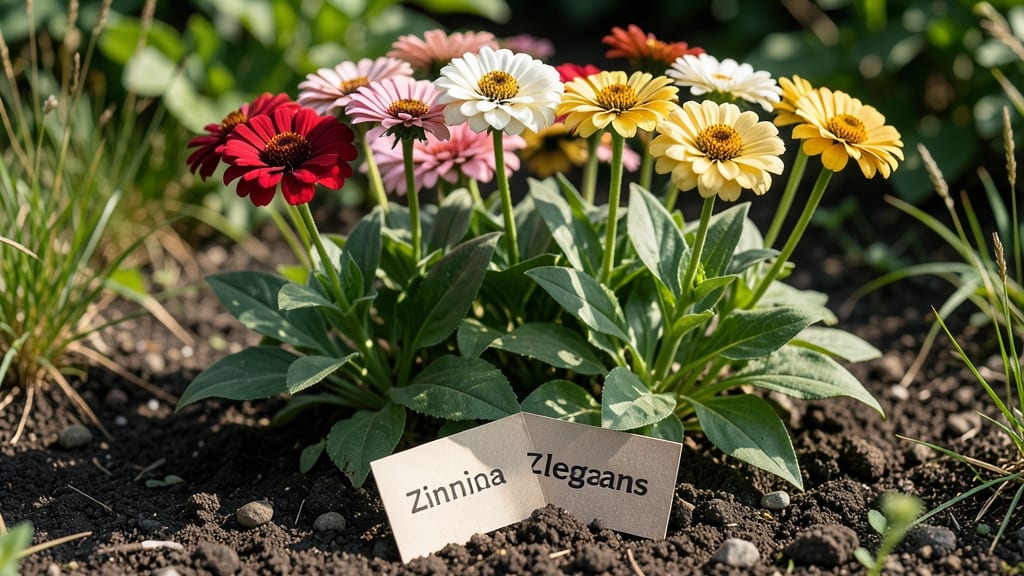
Growing flowers from seeds outdoors lets you transform bare soil into a riot of color—starting with just a pinch of patience and a handful of seeds. ✨ I’ve watched sunflowers shoot up from tiny black seeds in just 10 days, their first leaves unfurling like nature’s own magic trick.
The key isn’t fancy equipment or a green thumb; it’s understanding how sunlight, soil, and timing work together to coax those first green shoots through the dirt.
You’ll need a sunny spot (at least 6 hours of direct light daily), loose soil mixed with compost, and seeds—whether you choose bold zinnias, delicate marigolds, or towering hollyhocks.
The process breaks down into three simple steps: prep the soil, plant the seeds at the right depth, and keep them consistently moist until they sprout. Most seeds germinate within 7–14 days, and before you know it, you’ll have seedlings ready to harden off for transplanting.
What you end up with is a garden bursting with blooms you grew yourself—think velvety petunias, fiery salvias, or towering snapdragons that attract bees and butterflies all season. The best part? You skip the high price tags of nursery plants and get varieties that aren’t always available in stores.
Plus, there’s something deeply satisfying about watching a seedling you nurtured from scratch burst into its first flower.
This method works for nearly any outdoor flower, from annuals that bloom all summer to perennials that come back year after year. Whether you’re working with a full sun patio or a shady corner, the same principles apply—just adjust your plant choices.
Let’s get those seeds in the ground and turn your yard into a living canvas.
📚 In This Guide
- What you need
- Instructions
- Tips and common mistakes
- Wrapping up and next steps
What you need
- ● Flower seeds: Choose fast-growing varieties like marigolds, sunflowers, or zinnias (packets typically contain 50–100 seeds).
- ● Seed-starting soil: A lightweight, well-draining mix (e.g., 10–20 lbs of peat-based or coconut coir blend).
- ● Containers or trays: Seedling trays (1020-cell or 72-cell, 4–6 inches deep).
- ● OR biodegradable pots (2–3 inches in diameter).
- ● Watering can or spray bottle: With a fine mist nozzle to avoid disturbing seeds.
- ● Garden gloves: A durable pair to protect hands from soil and thorns.
- ○ Fertilizer (optional but helpful): Balanced liquid fertilizer (e.g., 10-10-10, 2–4 tbsp per gallon of water).
- ● OR slow-release granules (follow package rates).
- ● Garden plot or raised bed: At least 12–18 inches deep with full sun exposure (6+ hours/day).
- ● Mulch: Straw or shredded leaves (1–2 inches thick) to retain moisture.
- ● Stakes or cages: For tall flowers (e.g., sunflowers, 3–5 stakes per plant).
- ● pH test kit: To check soil acidity (ideal range: 6.0–7.0 for most flowers).
- ● 💡 Label seeds: Use popsicle sticks or plant markers to track varieties.
- ● 🌡️ Warmth matters: Start seeds indoors 4–6 weeks before last frost if your climate is chilly.
- ● 🎯 Direct sowing? Skip trays and plant seeds 1/4 inch deep in prepared soil for hardy flowers like cosmos.
Step-by-step instructions for growing flowers from seeds outdoors
Here's how to turn tiny seeds into vibrant blooms—no fuss, just sunshine and patience.
🌱 Step 1: Prepare the Soil and Plant Seeds at the Right Time
Choose a spot with 6+ hours of direct sunlight—most annual flowers need full sun to thrive. Loosen the top 6 inches of soil with a garden fork or trowel, breaking up any clumps. Mix in a 2-inch layer of compost to improve drainage and fertility. This ensures roots get the nutrients they need without sitting in soggy soil.
Check your last frost date and plant seeds 2-4 weeks before for warm-season flowers or 4-6 weeks before for cool-season varieties. For example, marigolds and zinnias love warm soil, so wait until after the last frost. Press seeds into the soil at a depth of twice their diameter—this keeps them from drying out or being buried too deep.
Water gently after planting to settle the soil around the seeds. Use a spray bottle or fine mist setting on your hose to avoid washing seeds away. A light layer of mulch (like straw) helps retain moisture and keeps soil temperatures steady.
☀️ Step 2: Provide Consistent Moisture and Light
Keep the soil evenly moist but not waterlogged—damp to the touch is ideal. Water deeply once a week (or more often in hot weather) to encourage strong root growth. Overwatering can lead to fungal issues, while underwatering causes seeds to dry out before germinating.
If you notice seedlings stretching toward the light or looking pale, they need more sun. Thin crowded seedlings to 12-18 inches apart (check seed packet spacing) to give each plant room to grow. This prevents competition and reduces the risk of disease spreading.
Here's the thing—most flowers need full sun, but some (like impatiens) tolerate partial shade. Watch your plants: if leaves yellow or stems get leggy, move them to a sunnier spot. A south-facing garden bed is usually the best bet for maximum blooms.
✂️ Step 3: Deadhead and Maintain for Long-Lasting Blooms
Once flowers start opening, pinch off spent blooms (deadheading) to encourage more flowers. Use your thumb and forefinger to gently remove faded blooms—this redirects the plant’s energy to producing new buds instead of seeds. Regular deadheading keeps your flowers looking fresh and extends the blooming season.
Fertilize lightly every 4-6 weeks with a balanced, water-soluble fertilizer (like 10-10-10) to support steady growth. Too much fertilizer can lead to lush foliage but fewer flowers, so follow the package instructions carefully. Water at the base of the plant in the morning to avoid fungal issues.
Watch for pests like aphids or powdery mildew. A strong spray of water can knock off aphids, and removing infected leaves prevents the spread. Most annual flowers are low-maintenance once established—just keep them watered, deadheaded, and in the sun!
Tips & tricks for perfect outdoor flower growth
Here's what I've learned from years of gardening—these simple tricks make all the difference between wilting seedlings and vibrant blooms.
Sunlight Secret: That 6+ hours of direct sunlight isn't just a suggestion—it's non-negotiable for most flowers. I've seen marigolds and zinnias thrive with full sun, but even shade-tolerant varieties like impatiens will reward you with more blooms when they get at least 4 hours. If your garden spot gets afternoon shade, consider placing taller plants on the north side to protect smaller flowers from being shaded out completely.
Planting Precision: The "twice their diameter" rule for seed depth is your best friend. Tiny seeds like petunias need barely any coverage, while larger seeds like sunflowers can handle being pressed deeper. I've made the mistake of burying small seeds too deep—they simply won't make it to the surface. A good rule of thumb is to press seeds gently into the soil rather than covering them with more than a light dusting.
Watering Wisdom: That "damp to the touch" guideline is crucial—it's the Goldilocks zone for soil moisture. I've learned the hard way that overwatering can smother seeds with fungal diseases while underwatering causes them to dry out before germinating. For the first week after planting, I check soil moisture daily and water only when the top inch feels dry. A simple finger test beats guessing every time.
Deadheading Technique: When you're ready to deadhead in Step 3, use a clean pair of scissors or your fingers to remove spent blooms just above a set of leaves. I've found that pinching off flowers at the base rather than cutting stems encourages stronger regrowth. And here's a pro move: save those spent blooms in a paper bag in a dry place—they'll dry out and you can collect seeds for next year's garden!
Pro Tips for Growing Flowers From Seeds Outdoors
- Here's what I've learned from years of gardening—these simple tricks make all the difference between wilting seedling...
- Sunlight Secret: That 6+ hours of direct sunlight isn't just a suggestion—it's non-negotiable for most flowers. I've ...
- Planting Precision: The "twice their diameter" rule for seed depth is your best friend. Tiny seeds like petunias need...
Frequently asked questions
Got questions about growing flowers from seeds outdoors? You’re not alone! Here are answers to the most common concerns to help you bloom with confidence.
When is the best time to plant flower seeds outdoors?
The ideal time depends on your climate and flower type. For most annuals, plant after the last frost when soil is at least 60°F (15°C). Check seed packets for specific guidelines—some, like cosmos, thrive in cooler soil, while others, like marigolds, need warmth. Pro tip: Use a soil thermometer to avoid guesswork!
How often should I water newly planted flower seeds?
Keep soil consistently moist (not soggy!) until seeds sprout, which usually takes 7–14 days. After germination, water deeply 1–2 times per week, adjusting for rain. Overwatering can drown seeds, while underwatering stunts growth. A spray bottle or gentle hose stream works best for tiny seeds.
What if my seeds don’t sprout? What’s the fix?
Seeds may fail to sprout due to old seeds, improper depth, or lack of light. Try these fixes:
- Test viability: Soak seeds in warm water for 24 hours—if they sink, they’re likely viable.
- Check depth: Most seeds need 2x their width of soil coverage (e.g., ¼” for tiny seeds).
- Boost light: Move containers to a sunnier spot or use a grow light.
Can I grow flowers from seeds in containers or just in the ground?
Containers are great for small spaces, balconies, or testing seeds before transplanting. Use pots at least 6 inches deep with drainage holes and well-draining soil. Just ensure containers get 6+ hours of sunlight daily—most flowers thrive in them!
How do I protect my flower seeds from pests?
Pests like slugs, birds, and ants can wreak havoc. Use these tricks:
- Physical barriers: Cover seeds with fine mesh or row fabric until they sprout.
- Natural deterrents: Sprinkle diatomaceous earth or crushed eggshells around seedlings.
- Avoid overwatering: Damp soil attracts slugs—water in the morning to let soil dry faster.
Wrapping up and next steps
Growing flowers from seeds outdoors is a rewarding journey that connects you with nature while transforming your space into a vibrant, living canvas. 🌸 With the right sunlight, soil, and a little patience, you’ll soon be greeted by blooms that bring joy and beauty—proving that even the smallest seeds hold big potential!
Now that you’re ready to start, pick your favorite flower seeds and dive in! Whether you’re a beginner or a seasoned gardener, every seed you plant is a step toward a brighter, greener future. Happy growing! 🌱