
Landscaping
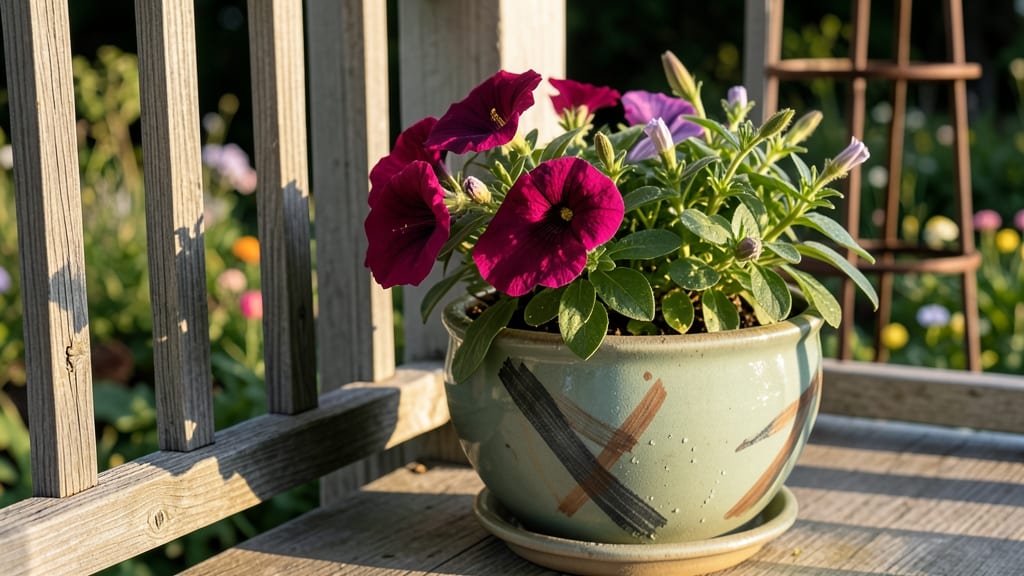
Transform your front porch with these easy front porch flower ideas—petunias, ferns, and seasonal bloomers create a low-maintenance welcome that thrives in containers. 🌸 The secret lies in pairing low-maintenance plants with the right sunlight and watering routine, so your porch stays vibrant without constant upkeep.
Start with a mix of trailing plants like sweet potato vine for texture, upright petunias for bold color, and ferns for lush greenery. Tiered planters or hanging baskets add dimension while keeping everything accessible for occasional pruning.
A simple drip irrigation system or self-watering containers cuts maintenance by half, letting you enjoy the view instead of the chores.
By summer, you’ll have a porch that stops neighbors mid-stride to admire the cascading blooms and fragrant foliage. The best part? These plants handle heat waves and occasional drought better than high-maintenance annuals, so your curb appeal stays intact even during busy weeks. Let’s pick your perfect combo!
Works in any climate zone with minor adjustments—just swap heat-loving petunias for cooler-season pansies in Zone 5 or add shade-loving impatiens under porches with afternoon sun. The same principles apply: choose the right plants for your light, and let them do the heavy lifting.
📚 In This Guide
- What you need
- Instructions
- Tips and common mistakes
- Wrapping up and next steps
What you need
- ● Flowering plants (seasonal varieties): 2–4 petunia plants (spreading or trailing types for containers)
- ● 1–2 geranium plants (heat-tolerant, great for pots)
- ● 1 impatiens plant (shade-loving, perfect for dimmer porches)
- ● 1 begonia plant (adds vibrant color, thrives in partial shade)
- ● 1–2 coleus plants (for foliage contrast, low-maintenance)
- ● Containers: 2–3 hanging baskets (12–16 inches in diameter, with drainage holes)
- ● 1–2 window boxes (10–12 inches deep, weather-resistant)
- ● 1–2 large pots (14–18 inches in diameter, for statement plants)
- ● Soil & Fertilizer: 1 bag well-draining potting mix (1–2 cubic feet, depending on container size)
- ● 1 slow-release fertilizer (10-10-10 or 14-14-14 NPK ratio)
- ● 1 packet organic compost (for nutrient boost)
- ● Basic Tools: 1 pair gardening gloves (for comfort and protection)
- ● 1 trowel (for planting and soil adjustments)
- ● 1 watering can (with a long spout for deep watering)
- ● 1 pruning shears (for minimal trimming)
- ○ Optional (But Helpful!) Extras: 1 mulch (to retain moisture and suppress weeds)
- ● 1 self-watering planter (for travel or busy schedules)
- ● 1 porch-friendly lighting (solar-powered string lights or LED spotlights)
- ● 1 plant support stakes (for trailing varieties like petunias)
- ● ✅ Sunlight assessment: Know your porch’s light conditions (full sun, partial shade, or full shade) to pick the right plants.
- ● ✅ Drainage check: Ensure containers have drainage holes or elevate pots to prevent root rot.
- ● ✅ Weather prep: Choose containers that can handle your climate (e.g., frost-proof pots for colder regions).
- ● ✅ Watering schedule: Plan for daily watering in hot months or invest in a moisture meter for peace of mind.
Step-by-Step guide to designing a low-maintenance porch flower display
Here's how to create a vibrant porch retreat that thrives with minimal effort.
🌱 Step 1: Select Season-Long Perennials and Annuals
Choose plants that naturally complement each other in height, bloom time, and care requirements. I always opt for a mix of 3-4 perennials (like coneflowers and black-eyed Susans) that return yearly and 2-3 annuals (such as petunias or impatiens) for instant color. Perennials provide structure, while annuals fill gaps and extend the season.
Look for varieties labeled as drought-tolerant or low-maintenance—these thrive with 1-2 waterings per week once established. Group plants with similar water needs together to simplify irrigation. For example, pair succulents with lavender and place them in the driest part of the porch.
🪴 Step 2: Choose Containers and Arrange for Visual Flow
Select containers with drainage holes to prevent root rot, and vary sizes for dimension. I use large ceramic pots (18-24 inches wide) for perennials and smaller hanging baskets (10-12 inches) for trailing annuals. Place taller plants toward the back and shorter ones in front, creating a layered effect that draws the eye upward.
Arrange containers asymmetrically for a natural look—never line them up in perfect rows. Space them 12-18 inches apart to allow airflow and prevent fungal diseases. If your porch has limited space, use vertical elements like wall-mounted planters or trellises to add height without taking up floor area.
☀️ Step 3: Plant and Mulch for Season-Long Health
Fill containers with high-quality potting mix (not garden soil) and plant perennials first, placing them 1-2 inches deeper than their nursery pots to stabilize them. Annuals go next, with trailing varieties at the edges of hanging baskets. Press soil gently around roots to eliminate air pockets, then water deeply until it drains from the bottom.
Top with 1-2 inches of mulch (like pine bark or shredded leaves) to retain moisture and suppress weeds. Mulch also keeps roots cool in summer and insulated in winter. Avoid over-mulching—too much can suffocate plant stems. Water immediately after planting to help soil settle and encourage root growth.
💧 Step 4: Establish a Simple Watering Routine
Water thoroughly in the morning so foliage dries by evening, reducing disease risk. Most porch plants need 1 inch of water per week, either from rain or irrigation. Use a drip irrigation system or soaker hose for even moisture—hand-watering can lead to uneven saturation and stressed plants.
Check soil moisture by sticking your finger 1 inch deep—if it feels dry, water again. Overwatering is the biggest mistake; porch containers dry out faster than garden beds. Group plants with similar water needs together to streamline care. Once established, many perennials only need watering every 7-10 days.
✂️ Step 5: Prune Strategically for Continuous Blooms
Deadhead spent blooms regularly to encourage more flowers and prevent seed formation. I prune perennials in late winter or early spring by cutting back one-third of the foliage to promote new growth. Annuals like petunias benefit from a light trim after each flush of blooms to keep them bushy and full.
Avoid heavy pruning in fall—it removes energy stores plants need to survive winter. Instead, focus on tidying up dead leaves and stems. For trailing plants, trim leggy growth to maintain shape and encourage denser foliage. With minimal pruning, your porch display will stay vibrant with color from spring through frost.
Tips & tricks for season-long porch flower displays
A few simple strategies can transform your porch into a year-round floral sanctuary with almost no extra work. Here's what I've learned from years of effortless porch gardening.
Plant Pairing Strategy: In Step 1, when selecting your 3-4 perennials and 2-3 annuals, look for plants with staggered bloom times. For example, pair early bloomers like pansies with mid-season coneflowers and late-season asters. This creates continuous color from spring through frost without requiring constant deadheading. I've found that combining perennials like Russian sage (which blooms late summer) with annuals like vinca (which thrives in heat) ensures your display never looks bare.
Container Layering Technique: When arranging your containers in Step 2, think vertically as well as horizontally. Place your largest 18-24 inch pots against the back wall or railing, then create a tiered effect with medium-sized containers in front. Add trailing plants like sweet potato vine in hanging baskets at different heights to create visual interest. This technique maximizes impact while using minimal floor space—perfect for small porches. The key is to create a natural "waterfall" effect with plants spilling over edges at varying heights.
Mulch Upgrade: In Step 3, while 1-2 inches of mulch is standard, I've found that adding a layer of decorative stones or pebbles on top of the mulch creates a polished look while preventing erosion from rain. The stones also help regulate soil temperature, which is especially beneficial for heat-sensitive plants like impatiens. Just be sure to leave space between stones so water can still penetrate to the roots. This simple upgrade makes your display look more intentional and professional.
Watering Hack: For Step 4's watering routine, consider adding a self-watering reservoir to your largest containers. These simple devices (available at garden centers) attach to the bottom of pots and release water as the soil dries out. This ensures consistent moisture without the risk of overwatering, which is especially helpful if you travel frequently. I've used them with my largest perennials and never had to worry about dried-out soil again.
Pro Tips for Front Porch Flower Ideas
- A few simple strategies can transform your porch into a year-round floral sanctuary with almost no extra work.
- Plant Pairing Strategy: In Step 1, when selecting your 3-4 perennials and 2-3 annuals, look for plants with staggered bloom times.
- Container Layering Technique: When arranging your containers in Step 2, think vertically as well as horizontally.
Frequently asked questions
Got questions about creating a stunning front porch flower display?
You’re not alone! Here are answers to the most common queries to help you plan with confidence.
What are the easiest low-maintenance flowers for a front porch?
Opt for petunias, geraniums, or marigolds—they thrive in containers, bloom prolifically, and require minimal pruning. Succulents like sedum are also drought-tolerant and add texture. For year-round color, pair them with evergreen shrubs like boxwood or ornamental grasses.
When is the best time to plant flowers on a front porch?
For spring blooms, plant in early spring (after the last frost). For fall/winter interest, choose cold-hardy varieties like pansies or hellebores and plant in late summer to early fall. Pro tip: Use slow-release fertilizer at planting to reduce mid-season upkeep!
How often should I water porch flowers in pots?
Check soil moisture daily in hot weather—pots dry out fast! Water early morning to prevent evaporation, aiming for 1 inch of water per week. Self-watering containers or mulch (like bark chips) help retain moisture. Overwatering is worse than underwatering!
Can I mix flowers with herbs or veggies in porch planters?
Try basil, thyme, or chives alongside petunias or nasturtiums—they complement each other and deter pests. Avoid heavy feeders like tomatoes in small pots, though. Design tip: Use trailing herbs like oregano to soften container edges!
How do I keep pests away from my porch flowers?
Prevent issues with neem oil spray or companion planting (e.g., marigolds repel aphids). Remove wilting leaves promptly to avoid fungus. For slugs/snails, try copper tape around pots or diatomaceous earth (food-safe when dry).
What’s the best way to arrange flowers in a small porch space?
Use the “thriller-filler-spiller” rule: Place a tall centerpiece (thriller) (e.g., snake plant), surround with mid-height blooms (filler) (e.g., geraniums), and add trailing plants (spiller) (e.g., ivy or sweet potato vine). Group odd numbers of pots for a natural look!
Wrapping up and next steps
Transforming your front porch into a vibrant, low-maintenance haven is easier than you think! With the right front porch flower ideas, you can enjoy season-long color while keeping pruning effort to a minimum.
Whether you’re drawn to hardy perennials, drought-resistant blooms, or fragrant annuals, the key is choosing plants that thrive in your climate and lighting conditions.
Ready to roll up your sleeves? Start small—pick one or two of these easy-care flowers, gather your supplies, and let nature do the rest. Before you know it, your porch will be the neighborhood’s envy! 🌸✨