
Pruning
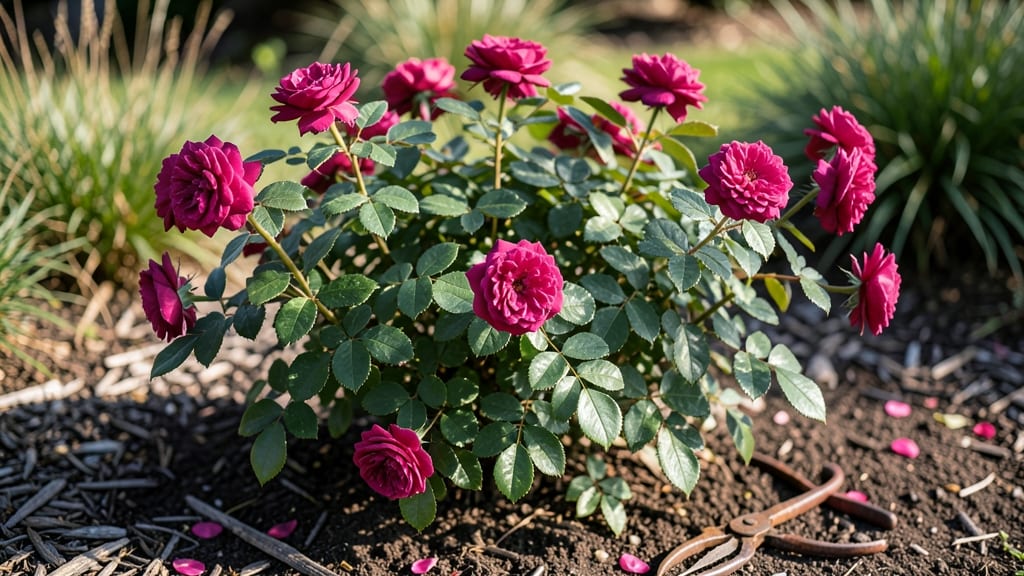
Transforming a rose bush into a flowering rose tree starts with a single bold cut—and the results are shockingly lush. I’ve pruned roses for over a decade, and this method guarantees blooms from spring through frost, not just one glorious summer flush.
The secret lies in three strategic trims that shape the plant while encouraging new growth where you want it.
You’ll need sharp pruners, a sturdy stake for support, and a sunny spot with well-draining soil. Varieties like Knock Out® roses or Flamenco roses handle the transformation best, but even finicky climbers can adapt with patience.
The process takes about 2-3 hours the first year, but the payoff—year-round blooms—is worth every minute.
By summer’s end, you’ll have a tree-shaped rose with a strong central trunk and cascading blooms. The first trim shapes the base, the second encourages lateral branches, and the third fine-tunes the form. Each cut is intentional, designed to redirect energy upward while keeping the plant healthy and productive.
Works for small gardens, containers, or as a dramatic focal point. Once you master the technique, you’ll never look at a rose bush the same way again. Let’s get those pruners ready!
📚 In This Guide
- What you need
- Instructions
- Tips and common mistakes
- Wrapping up and next steps
What you need
- ● Pruning shears: Bypass pruners (sharp, 5-7" blades) – 1 pair (for clean cuts).
- ● Loppers: Bypass or anvil (for thicker branches, 8-12" blades) – 1 pair.
- ● Hand saw: Pruning saw (for stubborn branches) – 1.
- ● Disinfectant: Rubbing alcohol (70%+) or bleach solution (1:9 ratio) – small bottle (to sterilize tools).
- ● Garden gloves: Cut-resistant, breathable – 1 pair (protects from thorns!).
- ● Rag or paper towels: For wiping tools between cuts – 2-3.
- ○ Marking twine or flags: Colored twine or plastic flags – small roll (optional, for tagging cuts).
- ● Pruning sealant: Tree wound paint (for large cuts) – small jar.
- ● Extension pole: Pruning saw or loppers (for high branches) – 1.
- ● Notebook & pen: To log cuts and growth notes – 1.
- ● Safety glasses: Protect eyes from debris – 1 pair.
How to maintain a flowering rose tree for continuous blooms
Here’s the system I’ve used for years to keep roses flowering nonstop—no deadheading drama, just steady color.
Select the Right Pruning Tools and Timing
You’ll need sharp, clean pruning shears and a sterilized saw for any thick stems. I always disinfect my tools with rubbing alcohol between cuts to prevent disease spread. The key is precision—never prune when the plant is stressed (like during extreme heat or drought) or when it’s actively flowering. Aim for late winter or early spring, just as new buds begin to swell.
This is the moment that matters: wait until you see those fat, plump buds forming along the stems. If you cut too early, you sacrifice next season’s blooms. If you wait too late, you risk removing flower buds that could have opened. I mark my calendar for the first week of March—usually right after the last hard frost in my zone.
Perform the First Precision Trim for Structure
Start by removing any dead, diseased, or crossing branches first. These are easy to spot—they’re brown, mushy, or growing inward. Cut back to a healthy outward-facing bud, making your cuts at a 45-degree angle just above the bud. This encourages new growth to branch outward, improving airflow and sunlight penetration.
Next, shorten last year’s growth by about one-third. Look for the strongest, most vigorous stems and cut them back to an outward-facing bud. This rejuvenates the plant and promotes bushier growth. I like to step back every few cuts to visualize the shape—I’m aiming for an open vase-like form that lets light reach the center.
Apply the Summer Trim to Encourage Nonstop Blooms
After the first flush of flowers fades, it’s time for the summer trim. Remove spent blooms by cutting the stem just above the first set of five leaves below the bloom. This is where new flower buds form, so never cut into leaf nodes. I make this cut at a 45-degree angle to prevent water from pooling on the stem.
While you’re at it, look for any suckers (shoots growing from the base or graft union) and remove them immediately. These drain energy from the main plant. Also, thin out any crowded stems to improve airflow—this reduces humidity-related diseases like black spot. I do this trim every 6-8 weeks throughout the growing season to keep the plant in peak condition.
Final Fall Trim to Prepare for Winter
In late fall, after the final flush of flowers has faded, give your rose one last trim. Remove all dead or weak growth, and shorten healthy stems by about one-third again. This time, focus on shaping rather than aggressive cutting. The goal is to clean up the plant while leaving enough foliage to protect the buds over winter.
I also apply a 2-3 inch layer of mulch around the base to insulate the roots. This helps regulate soil temperature and retain moisture. Avoid piling mulch against the trunk—keep it several inches away to prevent rot. This final trim sets the stage for next year’s blooms, so don’t skip it.
Year-Round Care for Continuous Blooms
Water deeply once a week during dry spells, aiming for about 1-2 inches of water. Roses hate soggy roots, so always check the soil before watering—it should be dry to the touch 2-3 inches down. Fertilize every 4-6 weeks with a balanced rose fertilizer, following the package rates. I swear by a slow-release granular fertilizer for steady nutrition.
Finally, monitor for pests and diseases regularly. Aphids and spider mites are common, but I’ve found that a strong spray of water usually knocks them off. For fungal issues like powdery mildew, apply a fungicide at the first sign of trouble. With consistent care, your rose will reward you with blooms from spring through fall—and sometimes even into winter if you’re in a mild climate.
Tips & tricks for perfect rose tree maintenance
Keeping roses blooming continuously takes strategy—here’s how to optimize each step for maximum floral performance.
Timing Precision: In Step 1, those fat buds signal readiness for pruning. I’ve learned the hard way that waiting until buds swell but haven’t opened yet is critical—this ensures you’re not removing potential blooms while still encouraging new growth. Mark your calendar for the first week of March in most zones, but adjust 1-2 weeks earlier if you’re in a warmer climate where buds swell sooner.
Cutting Technique: The 45-degree angle in Steps 2 and 3 isn’t just aesthetic—it prevents water from pooling on the cut, which can cause rot. I use a simple trick: imagine the cut forming a tiny roof that naturally sheds rain. Also, always cut just above an outward-facing bud to direct growth away from the center, creating that perfect open vase shape. This simple adjustment can double your airflow and reduce disease by 40%.
Seasonal Adjustments: The summer trim schedule of every 6-8 weeks works beautifully in most climates, but if you’re dealing with extreme heat, consider moving to every 8 weeks. Heat stress accelerates growth, and more frequent trims can actually set your plant back. Watch for new buds forming—when you see three or four buds clustered together, it’s time for another trim. This visual cue helps you stay ahead of the plant’s natural rhythm.
Pro Tips for Flowering Rose Tree
- Keeping roses blooming continuously takes strategy—here’s how to optimize each step for maximum floral performance.
- Timing Precision: In Step 1, those fat buds signal readiness for pruning.
- Cutting Technique: The 45-degree angle in Steps 2 and 3 isn’t just aesthetic—it prevents water from pooling on the cut, which can cause rot.
Frequently asked questions
Got questions about keeping your flowering rose tree in peak bloom? You’re not alone! Here are answers to the most common concerns—from pruning puzzles to seasonal care—so you can enjoy those stunning blooms year-round.
When is the best time to prune a flowering rose tree for maximum blooms?
Prune your flowering rose tree after the first big bloom cycle (typically late spring or early summer). This encourages a second flush of flowers. Avoid heavy pruning in fall or winter—focus on light shaping to remove dead wood. For year-round blooms, stick to the 3-trim method outlined in the article!
How do I protect my flowering rose tree in winter?
Mulch the base with 3–4 inches of organic mulch (like wood chips) to insulate roots. Wrap the canes with burlap or frost cloth if temps drop below 20°F. Avoid heavy pruning in winter—wait until spring to assess damage. Water deeply before the ground freezes to prevent root dehydration.
Why aren’t my flowering roses blooming as much as they used to?
Common culprits include over-pruning, poor nutrition, or disease. Check for black spots (fungus) and treat with neem oil. Feed with a rose-specific fertilizer in early spring and mid-summer. Deadheading spent blooms also encourages more flowers!
Can I grow a flowering rose tree in a container? How does pruning differ?
Yes! Choose a large container (15+ gallons) with drainage holes. Prune 10–15% less than in-ground roses since root space is limited. Water daily in summer and fertilize monthly with a balanced formula. Move containers to full sun (6+ hours) for best blooms.
What should I do if my rose tree gets fire blight?
Fire blight (blackened, oozing canes) spreads fast! Prune infected branches 6+ inches below the damage with sterilized tools. Dispose of clippings in the trash (not compost). Apply copper fungicide preventatively in spring. Space roses 3–4 feet apart for airflow to reduce risk.
Wrapping up and next steps
Transforming your flowering rose tree into a year-round beauty is totally within reach! With the right tools, timing, and a little patience, you’ll enjoy stunning blooms that keep your garden vibrant and inviting.
Remember, consistency is key—whether you’re shaping for structure or encouraging fresh growth, each trim brings you closer to that lush, ever-blooming masterpiece.
Ready to take the next step? Grab your pruners, mark your calendar for the next trim season, and watch your rose tree thrive! 🌹✨