
Shrubs
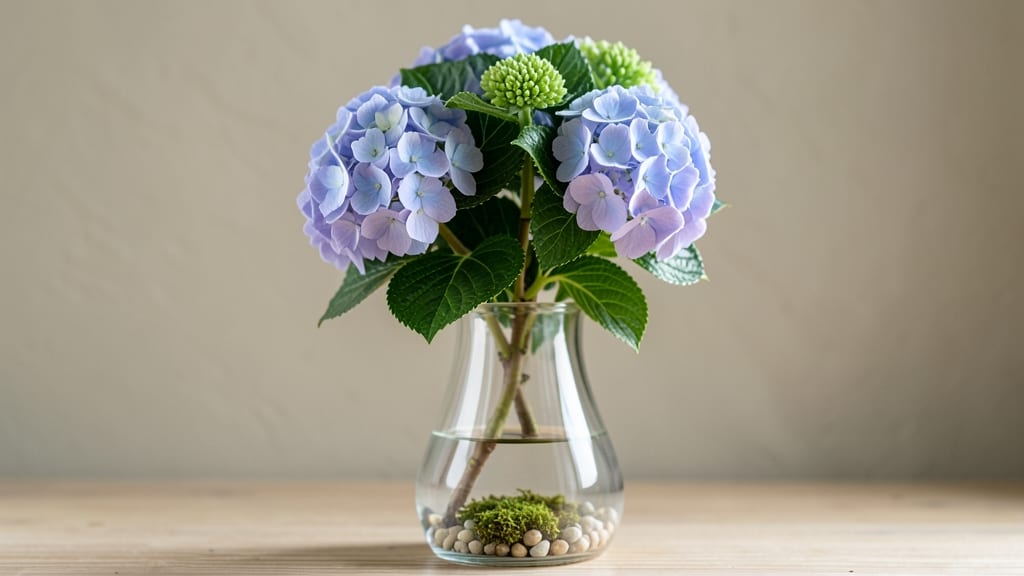
Nothing beats the scent of fresh-cut branches blooming in a vase—flowering branches in a vase bring the garden indoors with a fragrance that lingers for weeks.
I remember the first time I clipped a branch of lilac in spring and placed it in a simple pitcher; the sweet perfume filled my whole kitchen for over a week. The secret isn’t just the flowers—it’s the way branches transform any space with their natural, organic beauty.
You don’t need fancy supplies to make this work—just a few clean cuts, a container with water, and branches from your yard, a local florist, or even foraged from neighborhood trees.
Think cherry blossoms in March, wisteria in May, or camellias in winter—each season offers its own fragrant stars. Pair them with eucalyptus or ivy for texture, and you’ve got a display that’s both elegant and effortless.
With the right care, your arrangement will stay fresh for two weeks or more, filling your home with color and scent. The key is a sharp cut, a little floral preservative (or sugar water), and rotating the stems every few days.
Imagine waking up to pink peonies or white dogwood brightening your morning coffee—this is how you bring the outdoors inside without the upkeep.
Whether you’re going for a rustic farmhouse look with mason jars or a sleek minimalist vibe with a single statement branch, the possibilities are endless. Let’s turn your home into a fragrant garden oasis, one branch at a time.
📚 In This Guide
- What you need
- Instructions
- Tips and common mistakes
- Wrapping up and next steps
What you need
- ● Flowering branches: 3–5 stems (choose budding or lightly bloomed branches for longevity; ideal options: cherry blossoms, lilac, forsythia, or wisteria).
- ● Vase: 1 medium-to-large glass or ceramic vase (8–12 inches tall, with a narrow neck for water retention).
- ● Fresh water: 1–2 liters (enough to submerge 1–2 inches of stems).
- ○ Floral preservative: 1 packet or 1 tsp (optional but highly recommended to extend vase life).
- ● Pruning shears or sharp scissors: 1 pair (clean and sterilized to prevent bacterial growth).
- ● Newspaper or aluminum foil: 1 sheet (to protect surfaces during trimming).
- ● Floral foam: 1 block (if your vase lacks a narrow neck for water retention).
- ● Decorative filler: Small pebbles, moss, or greenery (for texture and visual appeal).
- ● Twine or ribbon: 1 roll (to tie stems together for a rustic look).
- ● Essential oils (e.g., lemon or citrus): 2–3 drops (adds a subtle fragrance to the water).
Step-by-Step guide for creating a long-lasting flowering branch arrangement
Here’s how to transform cut branches into a fragrant, vibrant display that thrives for weeks.
Select and Prepare the Branches
Choose branches with buds just beginning to open—this ensures they’ll bloom in the vase rather than already fading. Look for fresh cuts with green leaves and sturdy stems (about ½-inch thick). Avoid branches with yellowing leaves or wilted buds, as they won’t revive.
Trim the stems at a 45-degree angle with sharp pruners, about 4-6 inches below a bud or leaf node. This angled cut maximizes water uptake. Strip any lower leaves that would sit underwater—submerged foliage rots quickly and clouds the water.
Clean and Condition the Stems
Hold the stems under lukewarm running water for 10-15 minutes to flush out air pockets and debris. This step is critical—air bubbles block water absorption, causing stems to wilt within hours. You’ll see tiny bubbles escape as the water runs clear.
For extra longevity, mix 1 teaspoon of bleach or floral preservative with 1 quart of water in a bucket. Submerge the cut ends for 1 hour before arranging. This prevents bacterial growth, which shortens vase life dramatically. Rinse the stems briefly afterward to remove residue.
Arrange the Branches in the Vase
Fill your vase with room-temperature water (cold water shocks stems, while warm water encourages uptake). Remove any foliage that would sit below the waterline to prevent rot. Start by placing the thickest stems first, fanning them outward to create a natural, balanced shape.
Add thinner branches next, weaving them between the thicker stems to fill gaps. Step back frequently to check for symmetry—uneven arrangements look unnatural and may topple. Leave 1-2 inches of stem submerged in water; more doesn’t improve longevity and risks rot.
Maintain Freshness for Two Weeks
Change the water every 2-3 days, recutting the stems by ½ inch each time. This exposes fresh cells that absorb water more efficiently. Add a new floral preservative to the water with each refresh—it’s the secret to extending vase life.
Keep the arrangement in bright, indirect light (direct sun overheats the water and accelerates wilting). Avoid drafts, radiators, or fruit bowls nearby—ethylene gas from ripening fruit speeds up aging. Mist the leaves lightly with water daily to prevent dehydration, but avoid soaking them.
Revive Wilted Branches (If Needed)
If stems begin to droop, trim ¼ inch off the ends and place them in hot water (120°F) for 5 minutes. The heat shock reopens the stem cells, allowing them to drink up water again. Let them cool in fresh, room-temperature water for 30 minutes before returning to the vase.
This trick works best within 24 hours of wilting. If leaves turn yellow or stems feel mushy, the branches are beyond revival—replace them with fresh cuts. With proper care, your arrangement will stay fragrant and vibrant for the full two weeks.
Tips & tricks for perfect flowering branch arrangements
Here’s what nobody tells you about keeping your floral branches vibrant for weeks—these little details make all the difference.
Selection Secret: In Step 1, when choosing branches, focus on stems with plump buds that are just starting to swell—these will bloom in your vase, not already fading. I’ve learned this the hard way after buying branches with half-open buds that wilted within days. For the best results, harvest branches early in the morning when they’re fully hydrated and their natural sugars are highest.
Cutting Technique: The 45-degree angle cut in Step 1 isn’t just about aesthetics—it’s about maximizing water uptake. Make the cut just below a leaf node (where leaves attach) to expose the vascular tissue. I always use sharp pruners to avoid crushing the stems, which can block water flow. For thicker stems (½-inch or more), consider making a shallow slit at the bottom of the cut—this creates more surface area for water absorption.
Preservative Power: The 1 hour soak in Step 2 with floral preservative is non-negotiable for longevity. I’ve found that commercial preservatives work better than bleach for most branches, as they contain sugars and acids that nourish the stems. If you’re using bleach, make sure to rinse thoroughly afterward—residue can damage delicate stems over time. For extra insurance, add 1 tablespoon of sugar to the vase water with each refresh; it provides immediate energy for the branches.
Lighting Strategy: In Step 4, when positioning your arrangement, remember that bright indirect light is key. Place it near an east-facing window where it gets morning sun but avoids the harsh afternoon rays. I’ve seen arrangements wilt dramatically when placed in direct sunlight—leaves burn and stems overheat. If you don’t have ideal lighting, a grow light on a timer for 12 hours daily can extend vase life by several days.
Pro Tips for Flowering Branches In Vase
- Here’s what nobody tells you about keeping your floral branches vibrant for weeks—these little details make all the difference.
- Selection Secret: In Step 1, when choosing branches, focus on stems with plump buds that are just starting to swell—these will bloom in your vase, not already fading.
- Cutting Technique: The 45-degree angle cut in Step 1 isn’t just about aesthetics—it’s about maximizing water uptake.
Frequently asked questions
Got questions about keeping your flowering branches fresh and vibrant? Here are some common ones—and their answers—to help you get the most out of your fragrant display!
How do I keep flowering branches in a vase for the longest time?
Start by trimming the stems at a 45-degree angle just before placing them in water. Use room-temperature, distilled water (or tap water left out for 24 hours) to prevent bacterial growth. Change the water every 2-3 days and trim stems again to encourage fresh uptake. Avoid direct sunlight or heat sources, which can dry them out faster.
Can I use regular tap water, or do I need special water?
While distilled or filtered water is ideal, you can use tap water if it’s low in chlorine. Let it sit uncovered for 24 hours to release chlorine, or add a pinch of sugar or bleach (1 drop per quart) to slow bacterial growth. Avoid softened water, as it can leave mineral deposits that clog stems.
What if my flowering branches wilt or die too quickly?
Wilting often signals blocked stems or bacterial buildup. Trim stems under water with sharp scissors, recut at an angle, and soak in warm water for 10 minutes to clear blockages. If leaves turn yellow or brown, it’s time for a water change. Keep stems submerged at least 1-2 inches deep to prevent air pockets.
Are there alternatives to fresh flowering branches for a vase?
Yes! Try dried flowering branches (like eucalyptus, lavender, or pampas grass) for long-lasting arrangements. For a temporary fix, preserved branches (available at craft stores) mimic fresh blooms. If you’re crafty, DIY faux branches with wire-wrapped flowers or painted twigs work too—just avoid real stems if allergies are a concern!
Can I mix different types of flowering branches in one vase?
Mixing branches with similar water needs (e.g., hydrangeas + roses) works well, but avoid pairing fast-drying flowers (like carnations) with long-lasting branches (like cherry blossoms). Group by stem thickness too—thicker stems may need deeper water. For fragrance, pair citrus blossoms with jasmine or gardenias for a heavenly scent combo!
Wrapping up and next steps
Bringing flowering branches in a vase into your home isn’t just about aesthetics—it’s a simple way to enjoy nature’s beauty and fragrance for up to two weeks! With the right cuts, water, and care, you can create a stunning, long-lasting display that brightens any space.
Whether you’re a gardening pro or a beginner, this technique is easy, rewarding, and budget-friendly.
Ready to try it? Grab a pair of pruners, head outside, and start clipping! 🌸✨ Experiment with different branches, and don’t forget to share your creations—your home (and Instagram feed) will thank you!