
Container Gardens
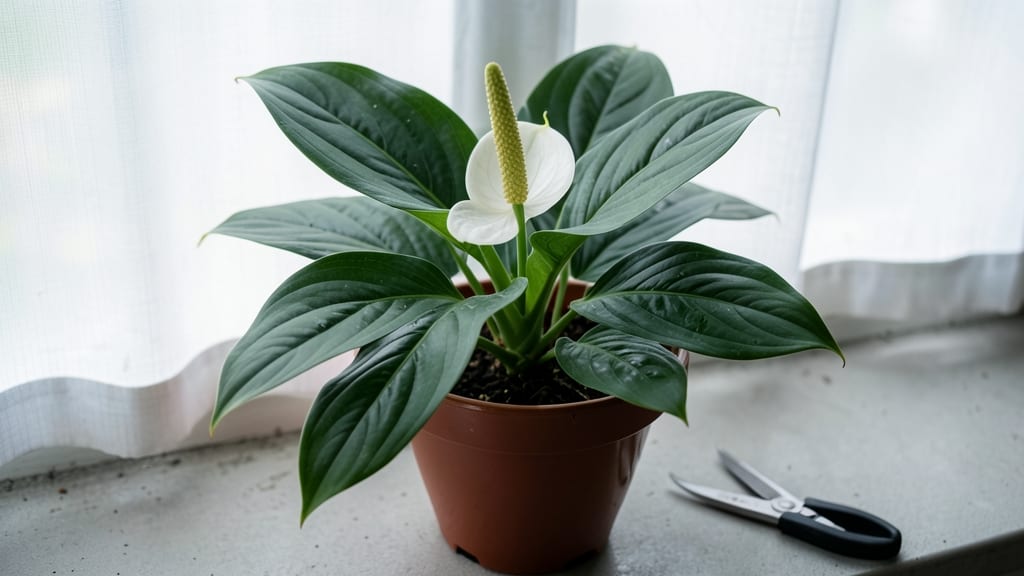
White flowers and glossy green leaves instantly brighten any room—especially when you can't install a full garden. 🌿 My favorite indoor pollinator magnet, the spider plant, thrives in low light and produces delicate white blooms that attract butterflies even indoors.
The secret to keeping it happy is simple: bright, indirect light and letting the soil dry slightly between waterings.
This plant isn't just pretty—it's practically indestructible. Even in my dim apartment, it sends out long, arching leaves with tiny white flowers that last for weeks.
Pair it with a small pot of sweet potato vine for trailing contrast, and you've got an instant conversation piece that doubles as a mini ecosystem.
You'll notice the difference within weeks: fresh foliage, occasional white flower spikes, and those telltale baby spiderettes dangling from the ends. The best part? It cleans the air while doing it, making it the ultimate small-space superstar. Here's how to make yours thrive.
Works beautifully in kitchens, bathrooms, or offices—anywhere you need a touch of nature without the fuss. The key is patience; give it time to establish roots, and it'll reward you with blooms all year long.
📚 In This Guide
- What you need
- Instructions
- Tips and common mistakes
- Wrapping up and next steps
What you need
- ● Plant: A healthy indoor plant with white flowers and green leaves (e.g., Spiderwort, African Violet, or Peperomia). Check for vibrant leaves and buds!
- ● 6-8 inch pot: Ensure it has drainage holes (terracotta or ceramic works great). Size tip: 1-2 inches larger than the plant’s root ball.
- ● Well-draining potting mix: A blend of peat moss, perlite, and compost (or a pre-mixed african violet/peperomia mix). Avoid heavy garden soil!
- ● Watering can or spray bottle: A 16 oz. spray bottle for misting (great for humidity-loving plants) or a small watering can with a narrow spout.
- ○ Humidity tray or pebble tray: Optional but highly recommended for tropical varieties. Use a shallow tray with pebbles or gravel and water.
- ○ Grow lights (optional but ideal): A 12-15 inch LED grow light (e.g., Sylvania Grow Lux) for 6-8 hours/day if natural light is < 6 hours.
- ● Fertilizer (balanced liquid): A 10-10-10 or 20-20-20 NPK fertilizer, diluted to half-strength. Use every 4-6 weeks during growing season.
- ● Decorative pot: A cachepot (outer pot without drainage) to elevate your plant’s style. Choose one with a saucer to catch overflow.
- ● Plant food spikes: Slow-release osmocote granules for hassle-free nutrition.
- ● Soil moisture meter: A digital probe to avoid over/under-watering.
- ● Pollinator-friendly decor: Tiny bee or butterfly figurines to attract real pollinators (if near a window!).
- ● Plant labels: Waterproof tags to track variety, watering schedule, and last fertilizer date.
How to care for pollinator-friendly indoor plants with white blooms
Here's how to keep your white-flowering indoor plant thriving while attracting beneficial insects.
💧 Step 1: Master the Watering Balance
Check the top inch of soil daily—when it feels dry to the touch, water until moisture runs from the drainage hole. Overwatering causes yellow leaves, while underwatering makes flowers wilt. I use room-temperature water to avoid shocking roots, and I always empty the saucer after 10 minutes to prevent root rot.
White-flowering plants like spider mums or African violets often signal thirst by drooping leaves. Give them a quick drink and place them in a slightly humid spot (like a bathroom) if your home air feels dry. The key is consistency: aim for even moisture without letting the soil stay soggy.
☀️ Step 2: Position for Bright, Indirect Light
Most white-flowering indoor plants need 4-6 hours of bright, indirect light daily. A north or east-facing window works best—south-facing light can scorch delicate petals. If your plant stretches toward the window, it's not getting enough light. Rotate the pot quarter-turn weekly to encourage even growth.
I notice my spider mums bloom most prolifically near a sheer curtain. Too little light causes sparse flowering, while too much direct sun bleaches petals. Test your spot: if you can comfortably read a book nearby, the light level is perfect.
🌿 Step 3: Feed During the Growing Season
Use a balanced liquid fertilizer (10-10-10) every 4-6 weeks from spring through summer. Dilute it to half-strength to avoid burning roots. I always fertilize after watering so nutrients reach the roots immediately. Stop feeding in fall and winter when growth slows.
White-flowering plants often respond dramatically to feeding. You'll see new buds forming within 2-3 weeks of consistent fertilization. If leaves yellow between veins, you're overdoing it—flush the soil with water and reduce to every 8 weeks until new growth appears.
✂️ Step 4: Prune for Shape and Encourage Blooms
After flowering, trim back leggy stems to just above a leaf node to encourage bushier growth. Use clean, sharp scissors to make cuts at a 45-degree angle. Remove any yellow or brown leaves immediately—they drain energy from new blooms.
Here's the thing—pruning white-flowering plants like angel's trumpet or peace lilies isn't just about looks. It stimulates more flowers next season. I always prune after the main bloom cycle ends, giving the plant time to recover before winter dormancy.
🪴 Step 5: Refresh the Soil Annually
Every spring, remove the top 2 inches of old soil and replace it with fresh well-draining potting mix. This prevents nutrient depletion and improves aeration. I also check for root-bound plants by gently loosening the soil—if roots circle the pot, it's time to repot into a container 1-2 inches larger.
White-flowering plants often show signs of soil fatigue through fewer blooms or pale leaves. The annual refresh gives them a clean start. Choose a pot with drainage holes—waterlogged roots will kill even the hardiest white-flowering varieties.
Tips & tricks for perfect indoor plants with white blooms
These simple strategies will help your white-flowering indoor plant thrive and attract pollinators like a pro.
Watering Wisdom: The 10-minute saucer drainage rule is non-negotiable—this prevents root rot while ensuring proper moisture. I've seen plants recover from underwatering but never from soggy soil. For extra humidity, place your plant on a tray filled with pebbles and water, keeping the pot slightly above the water line. This mimics the natural humidity these plants love without overwatering.
Lighting Hack: If your home lacks ideal windows, consider a grow light for those 4-6 hours of bright, indirect light. Position it 6-12 inches above the plant and use it for 6-8 hours daily. I've used LED grow lights successfully—just avoid placing them too close, or you'll scorch those delicate white petals. Rotate your plant weekly to prevent lopsided growth from leaning toward the light source.
Fertilizer Timing: The 4-6 week feeding schedule works wonders, but here's the secret: split that dose into two applications—half at planting and half mid-cycle. This gradual feeding prevents nutrient burn while still delivering results. I also switch to a bloom-specific fertilizer (like 5-10-5) during flowering season for that extra pollinator appeal. The 2-3 week response time is your reward for patience!
Pruning Pro Tip: When trimming those leggy stems in Step 4, save the cuttings! Place them in water to root—you'll get free baby plants. I've propagated several white-flowering plants this way. Just be sure to use clean scissors and make those 45-degree cuts precisely. The angled cut increases surface area for better root growth when you're ready to transplant.
Pro Tips for Indoor Plant With White Flowers And Green Leaves
- These simple strategies will help your white-flowering indoor plant thrive and attract pollinators like a pro.
- Watering Wisdom: The 10-minute saucer drainage rule is non-negotiable—this prevents root rot while ensuring proper moisture.
- Lighting Hack: If your home lacks ideal windows, consider a grow light for those 4-6 hours of bright, indirect light.
Frequently asked questions
Got questions about keeping your indoor white-blooming green-leaved beauty thriving? You’re not alone! Here are some of the most common queries—and their easy answers—to help you grow with confidence.
What’s the easiest indoor plant with white flowers and green leaves for beginners?
Start with Peperomia obtusifolia (Baby Rubber Plant) or Spathiphyllum (Peace Lily). Both are low-maintenance, bloom white flowers, and thrive in indirect light. If you want something more fragrant, Jasmine (Trachelospermum jasminoides) is a great pick!
How often should I water a white-flowering indoor plant?
Water when the top 1-2 inches of soil feel dry—usually every 1-2 weeks, depending on humidity and light. Overwatering is the #1 killer! Use well-draining soil and a pot with drainage holes to prevent soggy roots. Pro tip: Stick your finger in the soil—if it’s damp, wait!
Why aren’t my white flowers blooming?
White-flowering plants often need bright, indirect light (like near an east-facing window) and a winter rest period. Move it to a cooler spot (60-65°F) and reduce watering. Too much fertilizer or poor drainage can also stunt blooms. Try a balanced, diluted fertilizer in spring/summer.
Are these plants really pollinator-friendly?
Yes! While indoor plants won’t attract bees/wasps like outdoor gardens, some (like Peace Lilies or African Violets) produce nectar-rich blooms that indoor pollinators like moths and butterflies may visit. For extra buzz, place your plant near an open window during warm months—just avoid toxic varieties like Lilies.
What’s a good alternative if I don’t have much natural light?
Try Zamioculcas zamiifolia (ZZ Plant) or Sansevieria (Snake Plant)—they tolerate low light and produce white-green foliage (not flowers, but stunning!). For blooms, Anthurium (with heart-shaped white flowers) thrives under grow lights or fluorescent bulbs.
My plant’s leaves are yellowing—what’s wrong?
Yellow leaves usually mean overwatering or nutrient deficiency. Check the roots—if they’re mushy, trim the damaged parts and repot in fresh, dry soil. If leaves are pale, feed with a balanced liquid fertilizer (half-strength) every 4-6 weeks. Brown tips? It’s likely low humidity—mist leaves or use a pebble tray!
Wrapping up and next steps
Bringing an indoor plant with white flowers and green leaves into your home isn’t just about aesthetics—it’s about creating a thriving, pollinator-friendly ecosystem, even in small spaces! 🌿 From the delicate African Violet to the bold Peace Lily, these plants purify the air, boost your mood, and attract beneficial insects.
Whether you’re a beginner or a seasoned plant parent, the key is choosing the right variety for your light and care routine.
Ready to transform your space? Start small—pick one plant that fits your lifestyle, and enjoy the journey of watching it grow! 🌱 For more inspiration, explore our container garden ideas or share your progress with the plant-loving community. Happy gardening!