
Flowers
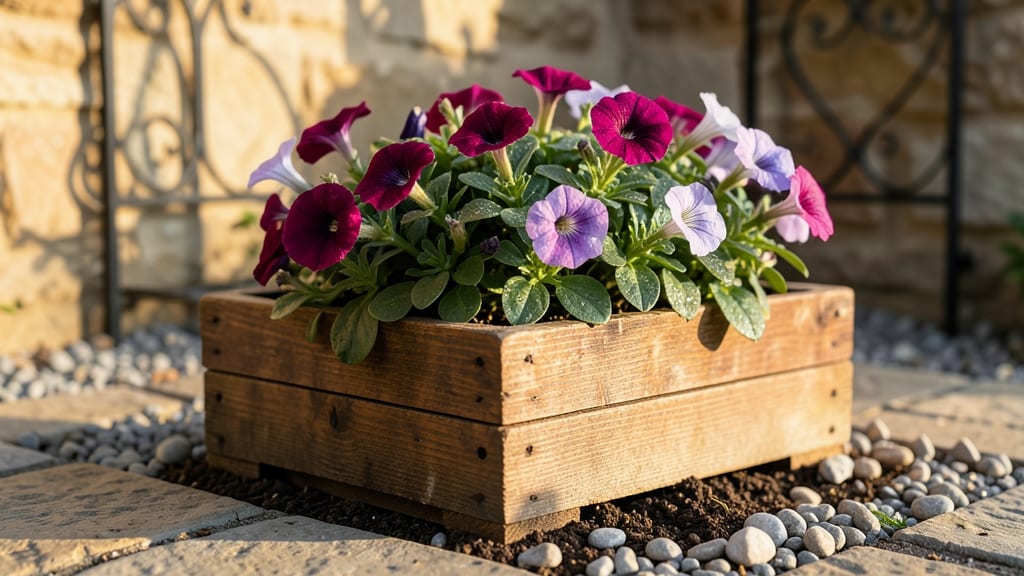
A flower box outside transforms any blank wall or fence into a vibrant, low-maintenance masterpiece—no green thumb required. 🌸 I’ve filled mine with a mix of perennials and annuals that bloom from spring through frost, needing only an occasional trim to stay tidy.
The key is choosing plants with staggered bloom times so color never fades, even in winter when evergreens step in.
Start with a sturdy box (wood, metal, or even repurposed gutters) and quality potting mix that drains well. My go-to combo includes petunias for summer cascades, heuchera for winter interest, and sedum for drought-proof summer blooms.
The secret? Group plants by sun needs—full sun for bold blooms, partial shade for delicate foliage—and swap out annuals every 2-3 years to refresh the look.
You’ll end up with a display that turns heads all year—spring’s tulips, summer’s geraniums, fall’s mums, and winter’s holly berries. The best part? Minimal deadheading keeps pests away, and the right plants self-clean for effortless curb appeal. Even my neighbor’s "black thumb" can’t kill this combo.
Works for apartments, porches, or entryways—just adjust plants for your light conditions. Let’s make that blank space sing without the upkeep of a full garden.
📚 In This Guide
- What you need
- Instructions
- Tips and common mistakes
- Wrapping up and next steps
What you need
- ● Flower Box: Choose a box made of cedar, redwood, or resin (1-2 boxes, depending on size). Dimensions: 12"–18" wide x 12"–18" deep x 6"–12" tall.
- ● Potting Soil: High-quality, well-draining mix (2–4 cubic feet, depending on box size). Look for a blend labeled for containers or flower boxes.
- ● Drainage Material: Pebbles, gravel, or ceramic shards (1–2 inches layer) to prevent root rot.
- ● Slow-Release Fertilizer: Balanced, organic fertilizer (e.g., 10-10-10 or 5-5-5) for long-lasting nutrients.
- ● Perennials & Annuals: Select drought-tolerant, low-maintenance plants like: Perennials: Lavender, sedum, or heuchera (3–5 plants per box).
- ● Annuals: Petunias, geraniums, or vinca (2–4 plants for seasonal color).
- ● Mulch: Organic mulch (e.g., shredded bark or pine needles) (1–2 inches) to retain moisture.
- ● Gloves: Garden gloves (1 pair) to protect your hands.
- ● Trowel: Small garden trowel for planting and soil adjustments.
- ● Watering Can: With a long spout for precise watering.
- ● Measuring Tape: To ensure even spacing between plants.
- ○ Optional: Decorative Edging: Copper or metal strips to add a polished look.
- ● Solar-Powered Lights: For evening ambiance.
- ● Self-Watering System: A reservoir kit for busy gardeners.
- ● Choose a sunny or partially shaded spot (6+ hours of sunlight for most flowers).
- ● Ensure your flower box is secured to a wall, fence, or post (use L-brackets or screws).
- ● Check local plant hardiness zones to pick suitable flowers for your climate.
Step-by-step guide to building a low-maintenance outdoor flower box
Here's how to create a vibrant, year-round display that thrives with minimal effort.
🪴 Step 1: Select and Prepare Your Container
Choose a sturdy, weather-resistant box with drainage holes—wooden planters or metal troughs work best. I prefer cedar because it naturally resists rot and insects while adding rustic charm. Measure your space carefully; a 12-inch deep box gives roots enough room for perennial plants to establish.
Line the bottom with landscape fabric to prevent soil from washing out through the drainage holes. This also keeps weeds from growing through the bottom. Cut the fabric to fit snugly, leaving an inch of extra around the edges to fold over neatly. If your box lacks drainage, drill ¼-inch holes along the bottom—plants will thank you by not sitting in soggy soil.
🌱 Step 2: Layer Soil and Mulch for Year-Round Success
Fill the box halfway with a lightweight potting mix blended with compost for nutrients. I use a 50/50 mix of premium potting soil and compost to ensure good drainage while retaining moisture. Pack the soil gently but firmly—you want it to hold plants in place without being rock-hard.
Add a 2-inch layer of mulch on top to suppress weeds, retain moisture, and regulate soil temperature. I like using cypress mulch because it breaks down slowly and adds acidity, which many flowering plants love. Leave a 1-inch gap at the top edge of the box to prevent overflow during watering.
☀️ Step 3: Choose Plants for Seasonal Interest and Minimal Care
Select a mix of perennials, annuals, and evergreens to ensure color year-round. For example, pair heuchera (for foliage) with geraniums (summer blooms) and heather (winter interest). Place taller plants at the back and shorter ones toward the front, creating a layered look that draws the eye.
Space plants according to their mature size—crowding leads to competition for water and nutrients. I like to group 3-5 plants per box to keep maintenance simple while maximizing visual impact. Water deeply after planting to help roots settle into the soil.
💧 Step 4: Water and Maintain for Long-Lasting Beauty
Water thoroughly once a week during the growing season, adjusting for rain. The key is to soak the soil until water runs out the drainage holes—this encourages deep root growth. In hot climates, you may need to water every 2-3 days, but always check the soil first. Stick your finger 1 inch deep; if it feels dry, it’s time to water.
Fertilize lightly once a month with a balanced, slow-release fertilizer during the growing season. Over-fertilizing can burn plants and lead to leggy growth. In late fall, reduce watering and remove spent blooms to keep the box tidy. A little pruning in early spring will encourage fresh growth without overwhelming you.
Tips & tricks for perfect outdoor flower boxes
Creating a thriving outdoor flower box that needs minimal upkeep takes a few strategic choices—and avoiding common pitfalls. Here's what I've learned after years of trial and error.
Container Material Matters: While cedar is my favorite for its natural rot resistance, don't overlook other durable options like redwood or fiberglass. If using untreated wood, apply a non-toxic sealant to extend its lifespan. For urban spaces, consider lightweight plastic boxes—they won't crack under winter ice like ceramic might. The key is ensuring your material complements your climate while providing that essential drainage.
Soil Mix Secrets: That 50/50 blend of potting soil and compost is perfect, but here's the pro move: add a handful of perlite or vermiculite to improve aeration. I've found this prevents compaction over time, which is especially important in shallow containers. For containers exposed to harsh sun, consider adding a bit of coconut coir to help retain moisture during dry spells.
Plant Pairing Strategy: When selecting your 3-5 plants, think about their growth habits and color cycles. I recommend including at least one "thriller" plant (like ornamental grass) for height, a "filler" (like heuchera) for texture, and a "spiller" (like trailing lobelia) for cascading effect. This creates instant visual interest while keeping maintenance manageable. For winter color, evergreens like boxwood or wintercreeper are absolute game-changers.
Watering Wisdom: The once-a-week guideline works for most climates, but here's how to adapt: in hot, dry conditions, water in the early morning to reduce evaporation, and always water at the base rather than overhead to prevent fungal diseases. For containers without drainage, I've had success with self-watering systems—just place a reservoir tray underneath and wick up the moisture through landscape fabric.
Pro Tips for Flower Box Outside
- Creating a thriving outdoor flower box that needs minimal upkeep takes a few strategic choices—and avoiding common pitfalls.
- Container Material Matters: While cedar is my favorite for its natural rot resistance, don't overlook other durable options like redwood or fiberglass.
- Soil Mix Secrets: That 50/50 blend of potting soil and compost is perfect, but here's the pro move: add a handful of perlite or vermiculite to improve aeration.
Frequently asked questions
Got questions about keeping your flower box outside vibrant and low-maintenance?
Here are answers to the most common queries to help you grow with confidence!
What’s the best time of year to plant a flower box outside?
Plant in early spring (after the last frost) or early fall for the best results. Spring gives flowers time to establish before summer heat, while fall plants thrive with cooler temps and consistent moisture. Avoid planting in extreme heat or cold—root stress slows growth!
How often should I water an outdoor flower box?
Water daily in hot, dry weather and every 2–3 days in mild conditions. Check soil moisture by sticking your finger 1 inch deep—if it’s dry, water thoroughly. Pro tip: Use a self-watering system or drip irrigation to keep roots consistently moist without overwatering!
Can I reuse soil from last year’s flower box?
Not ideal! Old soil loses nutrients and may harbor pests or diseases. Refresh with a 50/50 mix of fresh potting soil and compost. For containers, add a slow-release fertilizer to jumpstart growth. Pro tip: Sterilize reused containers with a 10% bleach solution if repurposing them!
How do I keep pests away from my outdoor flower box?
Prevent pests with neem oil (spray weekly) or companion plants like marigolds and basil. Remove yellowing leaves promptly and avoid overwatering. For severe infestations, introduce beneficial insects like ladybugs. Pro tip: Inspect plants weekly—catching issues early saves your blooms!
Do I need to winterize my flower box?
Yes! In freezing climates, move lightweight boxes indoors or wrap them in burlap and mulch with straw. For hardy plants (like pansies or hellebores), leave them be but add extra insulation. Pro tip: Trim dead foliage in late winter to encourage fresh spring growth!
Wrapping up and next steps
A flower box outside isn’t just a decorative touch—it’s a vibrant, low-maintenance way to bring life and color to your space all year long! 🌸 With the right plants, soil, and a little planning, you can enjoy stunning blooms with minimal pruning.
Whether you’re a gardening pro or just starting out, this project is both rewarding and easy to maintain.
Ready to transform your porch or patio? Start small—pick a sunny spot, gather your supplies, and plant with confidence! Your future self (and your neighbors) will thank you for the burst of beauty.