
Container Gardens
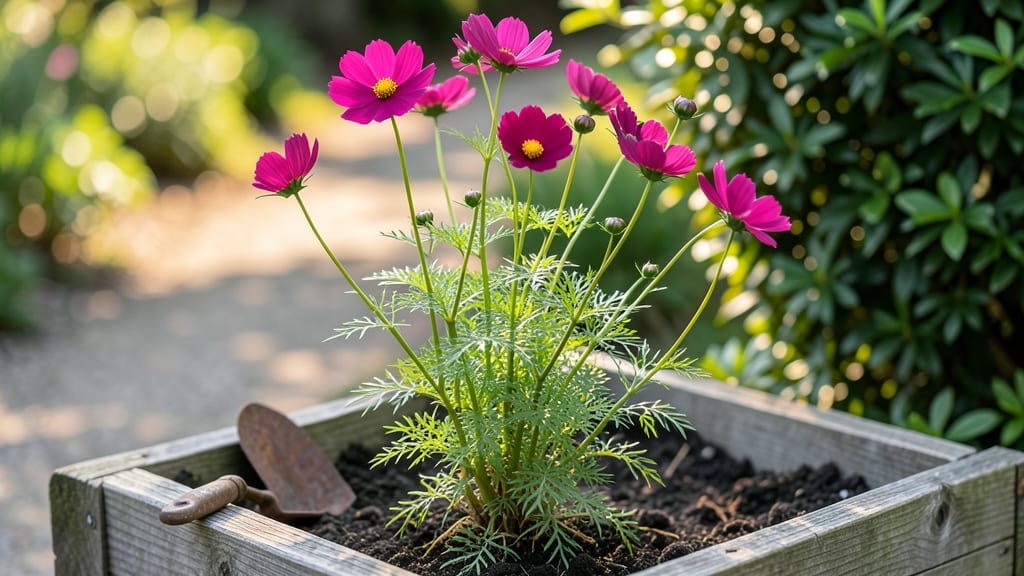
Fast-growing wildflowers turn empty containers into vibrant blooms in just three weeks—no waiting months for color like with perennials. 🌸 I planted a tray of cosmos and zinnias last spring, and by Memorial Day, my patio was buzzing with bees and butterflies.
The secret lies in choosing the right species and giving them the conditions they crave.
You’ll need sunny spots, well-draining soil, and a handful of seeds—no fancy equipment required. Cosmos and sunflowers thrive in poor soil, while zinnias love a little extra compost. Water lightly after planting, then let nature take over; these tough bloomers hate soggy roots.
A 5-gallon container works for most varieties, and spacing seeds 6-12 inches apart prevents overcrowding.
By week four, you’ll harvest nonstop blooms that outshine store-bought bouquets. The flowers attract pollinators all season, and the plants self-seed for next year’s effortless garden. No deadheading? No problem—these wildflowers keep producing until frost. Perfect for balconies, fire escapes, or any sunny corner.
Pro tip: Mix fast growers like cosmos and sunflowers with slower varieties for a longer bloom season. Deadhead spent flowers to encourage more blooms, but don’t stress—these plants forgive mistakes. Ready to turn containers into instant pollinator magnets?
📚 In This Guide
- What you need
- Instructions
- Tips and common mistakes
- Wrapping up and next steps
What you need
- ● Fast-growing wildflower seeds: 1–2 oz of cosmos seeds (e.g., 'Sensation Mix') – blooms in 45–60 days
- ● 1–2 oz of zinnia seeds (e.g., 'Benary’s Giant') – blooms in 50–60 days
- ● 1 oz of sunflower seeds (e.g., 'Moulin Rouge' dwarf variety) – blooms in 30–45 days
- ● 1 oz of marigold seeds (e.g., 'French Marigold') – blooms in 45–55 days
- ● Containers: 5–10" deep pots with drainage holes (3–5 containers, depending on desired density)
- ● Potting mix: 1–2 bags of well-draining, seed-starting mix (avoid garden soil)
- ● Watering can or spray bottle (with a fine mist nozzle)
- ○ Garden gloves (optional but recommended)
- ● Hand trowel (for planting seeds)
- ○ Seed starter tray (optional, for pre-sprouting indoors)
- ● Plant labels & markers (to track varieties)
- ○ Balanced fertilizer (5–10–5 or 10–10–10, optional for a nutrient boost)
- ○ Mulch or pebbles (to retain moisture, optional)
- ● Sunlight gauge (to monitor 6+ hours of direct sun daily)
- ● A sunny spot (6+ hours of direct sunlight daily)
- ● Access to water (consistent moisture until germination)
- ● Patience (but not too much!) – most seeds sprout in 5–14 days
- ○ Optional: A heat mat (if starting indoors in cool climates)
Step-by-step guide to growing fast wildflowers in containers
Here’s how to get vibrant blooms in weeks—not months—using the right quick-sprouting species.
🌱 Step 1: Select the Right Fast-Germinating Wildflower Mix
Choose a blend of annual wildflowers with 7-14 day germination rates, like cosmos, zinnias, or sweet alyssum. These varieties thrive in containers and bloom within 4-6 weeks of planting. Avoid perennials—they take too long to establish. I always check the seed packet for "fast-growing" labels, as some mixes include slower varieties like poppies.
For 4 containers, use 1 packet (about 1/4 lb) of pre-mixed fast-blooming wildflower seeds. This amount ensures full coverage without overcrowding. If you’re planting individual species, stick to 1-2 seeds per cell in seed trays or 1/4 teaspoon per 6-inch container for direct sowing.
🪴 Step 2: Prepare Containers and Soil for Quick Growth
Fill your containers with well-draining potting mix—wildflowers despise soggy roots. I mix 1 part perlite or coarse sand into the 3 gallons of potting mix to improve aeration and prevent damping-off. Moisten the mix until it’s damp but not dripping, then let it sit for 10 minutes to settle.
Press the soil down gently to remove air pockets, but don’t compact it. Wildflowers need loose soil to push through quickly. If your containers lack drainage holes, drill 2-3 holes in the bottom to prevent waterlogging. A 1-inch layer of gravel at the base also helps excess water drain away.
☀️ Step 3: Sow Seeds and Maintain Ideal Conditions
Scatter seeds evenly across the soil surface—no need to bury them. Light-sensitive wildflowers like cosmos and zinnias germinate best when left uncovered. Lightly press them into the top 1/8 inch of soil to ensure contact. For 4 containers, distribute seeds so they’re 1/2 inch apart—this spacing prevents overcrowding as they mature.
Water gently with a spray bottle until the soil is evenly moist. Place containers in a warm, sunny spot (at least 6-8 hours of light daily). A seedling heat mat speeds germination if your home runs cool—wildflowers sprout fastest at 70-75°F. Expect first sprouts in 7-14 days—check daily for moisture, but avoid overwatering.
💧 Step 4: Thin and Fertilize for Faster Blooms
Once seedlings reach 1-2 inches tall, thin them to 2-3 inches apart to reduce competition. Use scissors to snip excess plants at soil level—this prevents disturbing roots. I always thin in the late afternoon to minimize stress on remaining seedlings.
After thinning, apply a balanced liquid fertilizer (10-10-10) at half-strength to encourage lush growth. Water deeply after fertilizing to help nutrients absorb. Wildflowers bloom faster with moderate feeding—don’t overdo it, or you’ll get leafy growth instead of flowers. Aim for every 2-3 weeks once sprouts appear.
✂️ Step 5: Deadhead and Extend the Bloom Cycle
When flowers start wilting, snip spent blooms with clean scissors to encourage new growth. This simple step keeps wildflowers producing nonstop blooms for weeks. I deadhead in the morning so plants have the day to recover. Avoid cutting into green stems—focus only on faded flowers.
For longer-lasting containers, rotate them quarter-turn daily to ensure even sunlight exposure. Wildflowers lean toward light, so this keeps them upright and bushy. If blooms slow down after 6-8 weeks, add a light top-dressing of compost to refresh nutrients without shocking the plants.
Tips & tricks for quick container wildflowers
Fast blooms mean fast results—and these tricks help you skip the waiting game entirely.
Seed Selection Tip: Look for seed packets labeled "fast-growing" or "quick bloom" to guarantee those 7-14 day germination rates. I always double-check the variety list—cosmos and zinnias are my top picks because they'll give you vibrant blooms in just 4-6 weeks. Avoid mixes with poppies unless you're willing to wait longer, as they're slower to establish. The 1/4 lb packet is perfect for 4 containers without overcrowding, but if you're planting individual species, stick to 1-2 seeds per cell in seed trays for optimal spacing.
Soil Prep Secret: That 10-minute settling period after moistening your mix is crucial—it lets excess water drain while keeping the soil loose enough for quick germination. For containers without drainage holes, drill 2-3 holes in the bottom and add a 1-inch gravel layer at the base. This prevents waterlogging, which is the #1 killer of container-grown wildflowers. I've ruined three batches by skipping this step—don't make my mistake!
Germination Boost: The 70-75°F sweet spot for germination is non-negotiable. If your home runs cooler, invest in a seedling heat mat—it can cut your germination time by nearly half. Place your containers in the warmest spot you have (south-facing windowsills work best) and keep them consistently moist with a spray bottle. The key is patience: check daily but avoid overwatering, which can drown those delicate sprouts before they even get started.
Thinning Strategy: When your seedlings reach 1-2 inches tall, thin to 2-3 inches apart using clean scissors to avoid disturbing roots. I always do this in the late afternoon because seedlings are more resilient to evening temperatures. This spacing gives each plant room to grow without competing for nutrients, which means faster, fuller blooms. The every 2-3 weeks fertilizer schedule keeps them thriving without overwhelming them—just remember to water deeply after applying.
Pro Tips for Fast Growing Wildflowers
- Fast blooms mean fast results—and these tricks help you skip the waiting game entirely.
- Seed Selection Tip: Look for seed packets labeled "fast-growing" or "quick bloom" to guarantee those 7-14 day germination rates.
- Soil Prep Secret: That 10-minute settling period after moistening your mix is crucial—it lets excess water drain while keeping the soil loose enough for quick germination.
Frequently asked questions
Got questions about fast-growing wildflowers?
Here are answers to common queries to help you grow a vibrant container garden in no time!
How soon can I expect blooms after planting?
Most fast-growing wildflowers like cosmos, zinnia, or sunflower varieties bloom in 4–6 weeks from seed. Check the seed packet for exact timelines—some, like marigolds, may sprout even faster (2–3 weeks)!
Can I plant wildflowers year-round?
Timing matters! Plant in spring or early summer for best results, as most wildflowers thrive in warm soil (60°F+). In cooler climates, start seeds indoors 4–6 weeks before the last frost. Avoid planting in late summer/fall unless you’re in a mild zone.
How much water do fast-growing wildflowers need?
Keep soil moist but not soggy during germination (first 2 weeks). Once established, most wildflowers are drought-tolerant—water 1–2 times per week unless your area faces extreme heat. Mulch lightly to retain moisture.
What if my wildflowers aren’t growing?
Check these troubleshooting tips:
Too much shade? Most fast wildflowers need 6+ hours of sun daily.
Overwatering? Yellow leaves or wilting? Let soil dry slightly between waterings.
Poor soil? Amend with compost or use a balanced fertilizer (10-10-10) at planting.
Pests? Aphids or slugs? Spray with neem oil or handpick gently.
Are there edible fast-growing wildflowers?
Yes! Try nasturtiums (peppery leaves), calendula (petals for salads), or violas (mild flavor). Always confirm identification before consuming—stick to known edible varieties to avoid toxicity.
Wrapping up and next steps
Transforming your containers into vibrant wildflower displays doesn’t have to wait—with the right fast-growing wildflowers, you can enjoy bursts of color in just a few weeks!
Whether you’re a seasoned gardener or a beginner, these low-maintenance blooms are perfect for adding life and beauty to patios, balconies, or windowsills. 🌸
Ready to dive in? Start by picking your favorite varieties from this list, gather your supplies, and get planting! Your garden’s next masterpiece could be just a seed away. For even more inspiration, explore companion planting ideas or DIY container designs to elevate your space further.