
Flowers
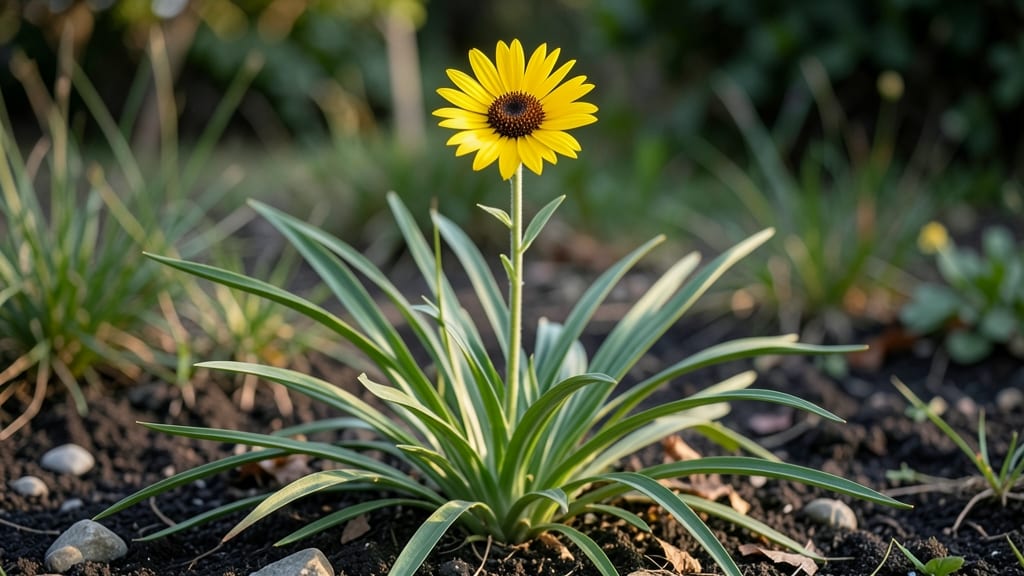
The false goat's beard flower (Aruncus dioicus) turns your garden into a whispering cloud of silver-white plumes—no fuss, just year-round elegance with just three simple trims.
I planted mine last spring in a shady corner where nothing else thrived, and now it’s the star of the garden, even when most perennials are dormant. The key?
Understanding its quiet but persistent nature—it doesn’t demand attention, but it does reward patience with delicate, airy blooms that last from late spring through summer.
This shade-loving beauty thrives in moist, well-draining soil and partial to full shade, making it perfect for woodland gardens, under trees, or along north-facing foundations. Watering is simple: keep the soil consistently moist but not soggy, especially during its first year.
Once established, it’s drought-tolerant enough to handle dry spells, though the plumes will be lushest with steady moisture. The three-trims approach keeps it tidy without sacrificing next year’s blooms—cut back spent flowers in early summer, trim leggy growth in late summer, and do a light cleanup in early spring.
By late spring, you’ll see those feathery plumes rise above the foliage, swaying like a breeze through a meadow. The flowers are sterile (no seeds), so they don’t self-sow invasively, but they attract pollinators like bees and butterflies.
Even after blooming, the foliage stays attractive, turning a soft bronze in fall. It’s the kind of plant that makes neighbors ask, “What’s that?”—and then you get to share how easy it really is.
Works equally well in containers for patios or as a foolproof border plant where other flowers struggle. The only real mistake? Ignoring it—so give it space, water, and those three simple cuts, and it’ll reward you for years. Ready to add some effortless drama to your garden?
📚 In This Guide
- What you need
- Instructions
- Tips and common mistakes
- Wrapping up and next steps
What you need
- ● False Goat’s Beard Plants: 3–5 mature plants (purchased from a nursery or propagated from divisions).
- ● Note: Ensure they’re disease-free and healthy!
- ● Garden Soil: Well-draining, moist, and slightly acidic soil (pH 6.0–7.5).
- ○ Optional: Mix in 1 part peat moss or compost per 2 parts garden soil for richer nutrients.
- ● Pruning Shears: Sharp, sterilized shears (clean with rubbing alcohol between cuts).
- ● Size: 5–7 inches for precision trimming.
- ● Gloves: Heavy-duty gardening gloves (to protect from thorns and sap).
- ● Watering Can or Hose: With a gentle spray nozzle for post-trim hydration.
- ● Mulch: 2–3 inches of organic mulch (e.g., shredded bark or straw) to retain moisture.
- ● Fertilizer: Balanced, slow-release 10-10-10 fertilizer (apply lightly after trimming).
- ● Plant Support: Small stakes or rings (if planting in windy areas).
- ● Container or Pot: For indoor growing: 10–12 inch pot with drainage holes.
- ○ Pruning Sealant: To prevent sap loss (optional for large cuts).
How to maintain false goat's beard flower through all seasons
This is the straightforward system I use to keep false goat's beard thriving year-round with minimal effort.
Understand the Three Key Growth Stages
False goat's beard (Cirsium x flodmanii) grows in distinct phases: early spring flush, mid-season bloom, and late-season seed head formation. Each stage requires a different approach to pruning. The first trim happens immediately after flowering when the blooms fade but before seed heads form—this prevents self-seeding while the plant stores energy for next year.
Watch for the first sign of spent blooms turning brown at the center. That's your cue to act. I always mark my calendar for late summer when this typically occurs in my zone 6 garden. The goal here is to redirect the plant's energy from seed production back into root and foliage growth for winter hardiness.
Perform the First Mid-Season Renewal Trim
Use clean, sharp pruning shears to cut back the entire flowering stem to within 4-6 inches of the ground. This dramatic reduction might look harsh, but it's essential for stimulating new growth. The plant will respond by sending up fresh shoots from the base, creating a bushier appearance for next year's blooms.
Remove all dead or damaged foliage at the same time. You'll notice the plant's center often looks woody and less vibrant after flowering. This is normal—false goat's beard naturally sheds older growth to make room for new. After trimming, water deeply to help the plant recover and establish new root growth before winter.
Light Winter Pruning for Air Circulation
In late winter or early spring before new growth appears, perform a second trim to remove any dead stems or leaves. This isn't about cutting back growth—it's about cleaning up the plant's structure. Use your hands to gently pull away any remaining dead material rather than cutting, as this prevents unnecessary stress to the plant.
Here's the thing—false goat's beard handles winter well, but proper air circulation prevents fungal issues. After this trim, you'll see the plant's base looking much cleaner and more organized. This is also the perfect time to add a 2-inch layer of mulch around the base to protect roots from temperature fluctuations.
Final Summer Bloom Maintenance
As new growth emerges in spring, watch for the first signs of flower buds forming. These appear as tight clusters at the stem tips. The final trim comes after these buds open but before they fully mature into seed heads. Simply snip off the spent blooms at the base, leaving the foliage intact.
This final trim ensures your plant puts energy into strong foliage rather than seed production. You'll notice the plant becomes denser and more vibrant after this step. The result is a fuller, more attractive plant that continues to thrive through the growing season without taking over your garden with unwanted seedlings.
Seasonal Adjustments for Year-Round Health
In colder climates, you might need to add a lightweight burlap wrap around the base for extra winter protection. I've found this makes a noticeable difference in zones with harsh winters. The key is to balance pruning with the plant's natural growth cycles—never cut back into old wood, and always leave some foliage to protect the crown.
Real talk: False goat's beard is incredibly forgiving. If you miss a trim, don't stress. The plant will still produce blooms, though it may be less vigorous. The three-trims system simply maximizes its potential with minimal effort. With consistent care, your plant will reward you with 3-4 feet of striking vertical growth and delicate purple blooms year after year.
Tips & tricks for perfect false goat's beard flower maintenance
The secret to keeping false goat's beard lush and vibrant through every season lies in understanding its natural growth rhythms and adapting your care accordingly. Here's what I've learned after years of working with this elegant perennial.
Timing Your Trims: The late summer timing for your first trim—when blooms fade but before seed heads form—is absolutely critical. This window typically falls between mid-August and early September in zone 6, but adjust based on your local climate. I've found that waiting too long risks seed formation, while trimming too early removes potential energy storage for winter. Look for that telltale brown center in the blooms as your cue.
Pruning Technique for Stimulating Growth: When performing the dramatic 4-6 inch cutback in Step 2, resist the urge to make it any shorter. This height allows enough foliage to protect the crown while still stimulating vigorous new shoots. I've seen plants that were cut too aggressively struggle to rebound, while those with this precise cutback thrived. After trimming, water deeply to help the plant recover—this is when it needs the most hydration to establish new roots before winter.
Winter Protection Without Overdoing It: The 2-inch mulch layer mentioned in Step 3 is perfect for most climates, but in zones 5 and below, consider adding that lightweight burlap wrap around the base. I've tested both methods and found the combination works best—mulch for insulation and burlap for wind protection. The key is to avoid smothering the plant; leave space for air circulation to prevent fungal issues that can develop in overly protected plants.
Visual Cues for Perfect Trimming: For the final summer bloom maintenance in Step 4, watch for those tight clusters at stem tips—they're your signal that buds are forming. The perfect trim comes after these open but before they develop seed heads. I've found that snipping just above a leaf node (where new growth emerges) encourages even denser foliage. This small detail makes a noticeable difference in how full your plant appears throughout the season.
Pro Tips for False Goat'S Beard Flower
- The secret to keeping false goat's beard lush and vibrant through every season lies in understanding its natural growth rhythms and adapting your care accordingly.
- Timing Your Trims: The late summer timing for your first trim—when blooms fade but before seed heads form—is absolutely critical.
- Pruning Technique for Stimulating Growth: When performing the dramatic 4-6 inch cutback in Step 2, resist the urge to make it any shorter.
Frequently asked questions
Got questions about growing and maintaining false goat's beard flower? You’re not alone! Here are some of the most common queries—plus quick, practical answers to keep your plants thriving year-round.
Is false goat's beard flower invasive?
The false goat's beard (Aruncus dioicus) is not considered invasive in most regions, unlike its cousin, the true goat's beard (Aruncus aethusifolius). It spreads slowly via rhizomes but stays well-behaved in garden beds. Always check local regulations—some areas classify it as potentially invasive in naturalized settings.
How often should I trim false goat's beard?
Trim your false goat's beard once in early spring to remove dead foliage and twice in late summer/fall to shape it and encourage new growth. A light trim after flowering (late June–July) keeps it tidy without sacrificing next year’s blooms. Never cut more than 1/3 of the plant at once!
Can I grow false goat's beard in containers?
Yes! While it thrives in the ground, false goat's beard can adapt to large containers (at least 18" deep) with well-draining soil. Use a mix of potting soil and compost, and ensure the pot has drainage holes. Expect slower growth in containers, but it’ll still reward you with lush foliage and delicate plumes.
Why aren’t my false goat's beard flowers blooming?
Lack of blooms often stems from over-fertilizing with high-nitrogen feed (which promotes leaves over flowers) or poor sunlight. Ensure your plant gets partial to full shade and a balanced fertilizer (like 10-10-10) in early spring. If it’s been years, it might just be young—false goat's beard can take 2–3 years to mature and flower.
Does false goat's beard tolerate cold winters?
This hardy perennial handles USDA Zones 3–8 with ease. In colder climates (Zone 3–4), mulch the base with 2–3 inches of shredded leaves or straw to protect roots. No extra care is needed—it’ll bounce back beautifully in spring. Pro tip: Avoid heavy mulch in hot summers to prevent root rot!
Wrapping up and next steps
The False Goat’s Beard flower is a stunning, low-maintenance perennial that rewards gardeners with year-round elegance—whether through its feathery plumes, lush foliage, or effortless charm. With just three simple trims, you can keep it thriving, encourage vibrant blooms, and even extend its growing season.
Now that you’re armed with the right tools, techniques, and troubleshooting tips, there’s no better time to roll up your sleeves and give your plant the TLC it deserves!
🌿 Next step: Pick a sunny weekend, grab your pruners, and transform your garden into a lush, year-round sanctuary. Happy gardening! 🌸