
Planting
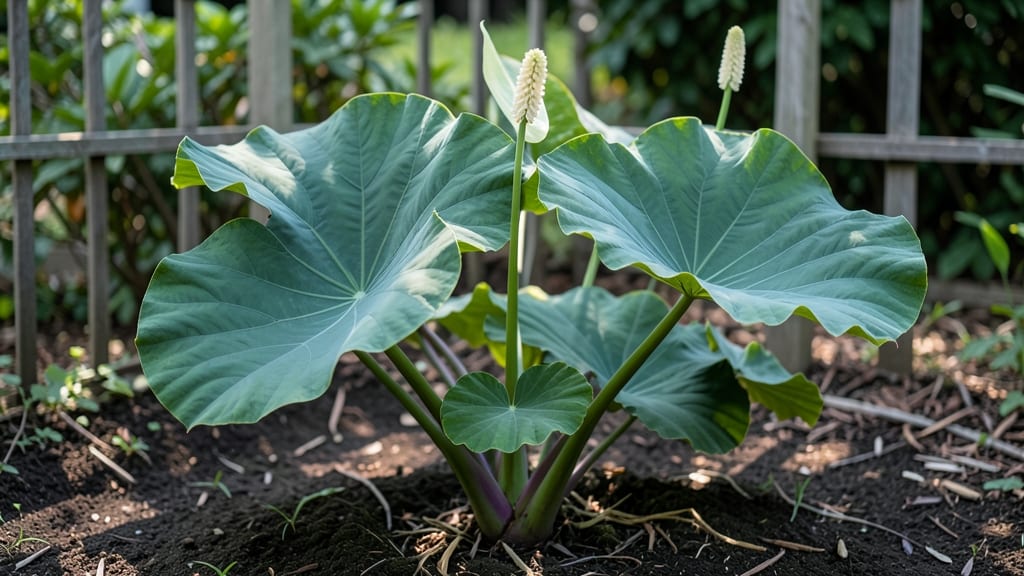
That first flush of elephant ear plant flowers transforms any patio into a jungle retreat. 🌿 I still remember the shock of seeing my Colocasia shoot up 5-foot stems with dramatic, heart-shaped leaves—then those unexpected spikes of tiny white blooms in late summer.
The key to getting those flowers (and keeping those leaves lush) starts with the right soil mix and watering rhythm.
Elephant ears thrive in moist, well-draining soil mixed with compost, and they drink water like it's going out of style—think 1-2 inches per week during growing season. Containers need drainage holes, and a 5-gallon pot works for small varieties while big-leafed types need at least 15 gallons.
The secret weapon? Mulch. A 2-inch layer keeps roots cool and hydrated, which is non-negotiable for these tropical divas.
You’ll know you’re doing it right when those bold, velvety leaves unfurl like giant umbrellas, and—if you’re lucky—those delicate flower spikes appear. The blooms themselves are subtle, but they signal the plant’s health is on point.
Even without flowers, the foliage alone makes a statement that neighbors will notice (and maybe envy).
Fair warning: These plants are not drought-tolerant. Let them dry out, and you’ll see crispy edges faster than you can say "tropical drama." But get the basics right, and you’ll have a year-round container star that brings the jungle vibes—even in winter with proper care. Let’s get those roots happy.
📚 In This Guide
- What you need
- Instructions
- Tips and common mistakes
- Wrapping up and next steps
What you need
- ● Elephant Ear Plant Tubers: 1–3 tubers (depending on container size; choose Alocasia or Colocasia varieties for bold foliage).
- ● Containers: 1–2 large pots (12–18" diameter) with drainage holes. Use lightweight, breathable materials like terracotta or fiberglass.
- ● Potting Mix: 5–10 gallons of well-draining, peat-based mix (amend with perlite or orchid bark for aeration).
- ● Slow-Release Fertilizer: 1–2 cups of balanced (10-10-10) or organic fertilizer (like worm castings).
- ● Mulch: 1–2 inches of pine bark or coconut coir to retain moisture.
- ● Garden Gloves: 1 pair (to protect hands from sharp tuber edges).
- ● Trowel or Spade: 1 medium-sized (for planting and mixing soil).
- ● Watering Can or Hose: With a gentle spray nozzle (elephant ears love hydration!).
- ○ Optional: Decorative stones or pebbles (for aesthetics).
- ● Support stakes (if growing tall varieties like Alocasia).
- ● Spray bottle (for humidity-loving varieties).
- ● Sunlight: Bright, indirect light (4–6 hours daily; avoid harsh afternoon sun).
- ● Temperature: Warmth (65–85°F; protect from frost!).
- ● Humidity: 50%+ (use a humidifier or group plants together).
- ● Water: Consistent moisture (keep soil damp but not soggy).
How to grow stunning elephant ear plants in containers
Here's how to transform your patio into a tropical paradise with these dramatic foliage stars.
🌱 Step 1: Choose the Right Containers and Drainage
Elephant ears need room to spread—select containers that are at least 18-24 inches wide and equally deep. I recommend using unglazed ceramic or fabric grow bags because they allow excess moisture to evaporate while maintaining root warmth. Make sure each container has at least 4 drainage holes to prevent root rot, which is the #1 killer of these tropical beauties.
If your containers lack drainage, drill additional holes yourself. Place a layer of 2-inch gravel or broken terracotta pots at the bottom before adding soil. This creates an air pocket that prevents waterlogging while still allowing roots to access moisture. Here's the thing—elephant ears wilt dramatically when thirsty, but they bounce back fast if the roots aren't sitting in soggy soil.
🌿 Step 2: Prepare the Soil Mix for Optimal Growth
Use a blend of 50% high-quality potting mix and 50% perlite or orchid bark to create a light, airy medium that mimics their native tropical forest floor. I always add a handful of worm castings to each container—this gives them a slow-release nutrient boost without the risk of burning tender roots. Mix everything thoroughly until the texture resembles crumbly cake batter.
Elephant ears hate compacted soil. Tap the container gently on the table after filling to settle the mix, but don't pack it down. The roots should be able to push through with minimal resistance. Here's what I do: I fill the container to about 1 inch below the rim, then water it thoroughly until moisture runs freely from the drainage holes. This pre-moistening ensures even water distribution when you plant.
☀️ Step 3: Plant and Position for Maximum Impact
Remove the plant from its nursery pot and gently loosen the root ball with your fingers. Position it in the center of the container so the crown sits at soil level—never bury it deeper than it grew in the nursery. The reason we don't bury the crown is that these plants rot quickly when their stems sit in wet soil. Fill around the roots with your prepared mix, pressing lightly to eliminate air pockets.
Place your containers where they'll receive bright, indirect light for at least 6 hours daily. A south or east-facing patio works best, but avoid harsh afternoon sun which can scorch those massive leaves. I know it seems counterintuitive—these are tropical plants—but too much direct sun actually causes leaf burn. Watch the foliage: if edges turn crispy brown, move the plant to a shadier spot immediately.
💧 Step 4: Master the Watering Routine
Elephant ears drink deeply but infrequently. Water thoroughly until water runs freely from the drainage holes, then wait until the top 2-3 inches of soil feel dry before watering again. I use my finger to check moisture—when it comes out clean, that's your signal. During hot summer months, you might water every 2-3 days, while cooler weather extends this to 5-7 days between waterings.
Real talk: Overwatering is the fastest way to kill these plants. The dramatic wilting you see is actually their way of conserving moisture. Here's the trick: Give them a deep drink when the soil is dry, then let them tell you when they're thirsty again. Yellowing leaves usually mean too much water, while crispy edges mean they need more. Find that sweet spot where the leaves stay lush and vibrant.
✂️ Step 5: Prune and Maintain for Year-Round Beauty
Remove any yellow or damaged leaves as soon as you spot them—this prevents disease and keeps the plant looking its best. I always sterilize my pruners with rubbing alcohol between cuts to prevent bacterial spread. In late winter, when growth slows, cut back any brown or woody stems to encourage fresh new shoots. Never prune more than 1/3 of the plant at once, or you'll shock the remaining foliage.
Fertilize every 4-6 weeks during the growing season with a balanced liquid fertilizer diluted to half strength. I've found that elephant ears respond best to a feeding schedule rather than heavy doses. Here's the moment that matters: Stop fertilizing completely in late fall as growth naturally slows. This prevents tender new shoots from forming that won't survive winter temperatures.
Tips & tricks for perfect elephant ear plant flower display
A few strategic moves will help your tropical canopy thrive and flourish all season long.
Container Size Matters: The 18-24 inch minimum width isn't just a suggestion—it's essential for accommodating those dramatic leaves. I've seen elephant ears struggle in smaller pots, with leaves curling at the edges from root competition. If you're working with limited space, consider using a shallow but wide container rather than going deeper. This encourages horizontal root growth, which these plants love. For extra stability, place containers on saucers to catch water runoff and prevent soil erosion during heavy rains.
Soil Texture Secrets: That 50/50 mix of potting soil and perlite/orchid bark isn't arbitrary—it creates the perfect balance of moisture retention and aeration. Here's what I've learned: When mixing, add a handful of coarse sand if your perlite is too fine. This prevents compaction while still allowing water to drain freely. The goal is soil that crumbles easily between your fingers, like freshly tilled garden soil. Pro tip: Sterilize your mixing container first to prevent introducing pathogens to your fresh mix.
Light Positioning Strategy: Those 6 hours of bright, indirect light are non-negotiable, but here's the nuance: In hotter climates, position containers where they'll receive morning sun and afternoon shade. I've found that east-facing patios work best for consistent growth. If you notice leaves developing yellow patches, it's a sign of too much direct sunlight—move the plant immediately. For indoor growers, place near a south-facing window but at least 3 feet away to prevent leaf scorch. Rotate containers weekly to ensure even growth on all sides.
Watering Wisdom: The 2-3 inch soil dryness check is your best friend, but here's the thing about elephant ears: They actually prefer being on the drier side rather than soggy. I've ruined multiple plants by assuming "tropical" meant "lots of water." Instead, water deeply until it runs from the drainage holes, then let the soil dry completely before watering again. In winter, reduce watering to every 7-10 days, as growth slows dramatically. The key is to mimic their natural seasonal dry periods while maintaining consistent moisture during active growth.
Pro Tips for Elephant Ear Plant Flower
- A few strategic moves will help your tropical canopy thrive and flourish all season long.
- Container Size Matters: The 18-24 inch minimum width isn't just a suggestion—it's essential for accommodating those dramatic leaves.
- Soil Texture Secrets: That 50/50 mix of potting soil and perlite/orchid bark isn't arbitrary—it creates the perfect balance of moisture retention and aeration.
Frequently asked questions
Got questions about growing and caring for your elephant ear plant flower? You’re not alone!
Here are some of the most common queries—and their answers—to help you keep your tropical beauty thriving.
Do elephant ear plants actually produce flowers?
Yes! While their massive, dramatic leaves steal the show, Colocasia and Alocasia varieties (commonly called elephant ears) can produce striking, heart-shaped blooms in late summer or fall. Look for tall, arching flower stalks with tiny, often white or pinkish flowers. Pro tip: If your plant isn’t flowering, it might need more sunlight or a longer growing season.
How long does it take for an elephant ear plant to flower?
Patience is key! Mature elephant ear plants (typically 2+ years old) are most likely to flower. In ideal conditions—warmth, humidity, and bright (but indirect) light—you might see blooms within the same growing season after planting. Younger plants may take 1–2 years to reach flowering age. Boost growth by dividing established tubers in spring!
Can I grow elephant ear flowers in containers?
These plants thrive in pots, making them perfect for patios or balconies. Choose a large container (12"+ diameter) with drainage holes and a well-draining potting mix (add perlite or orchid bark for aeration). Just ensure the pot stays consistently moist—they hate drying out. For extra drama, pair with other tropicals like calatheas or bird-of-paradise!
Why aren’t my elephant ear leaves flowering?
No flowers? Don’t panic! Common culprits include:
- Insufficient light: They need bright, indirect light (6+ hours/day). Too little = all leaves, no blooms.
- Young plant: Immature tubers (under 2 years) focus on foliage first.
- Nutrient deficiency: Feed with a balanced tropical fertilizer in spring/summer.
- Short growing season: Cold snaps or early frosts can stunt flowering.
Are elephant ear flowers fragrant?
Most elephant ear flowers are not strongly fragrant—their appeal lies in their visual drama and unique shapes. However, some Alocasia varieties (like Alocasia odora) may have a subtle, sweet scent in the evening. The real stars? Their bold, architectural leaves that add tropical flair to any space!
Bonus Tip:
Want to encourage flowering? After blooms fade, let the seed pods form (if any) and dry out—this can signal the plant to produce more flowers next season. Plus, deadheading spent blooms keeps energy focused on foliage growth!
Wrapping up and next steps
The elephant ear plant flower brings a stunning tropical vibe to your space with its bold, dramatic foliage and occasional blooms. Whether you’re a seasoned gardener or just starting, these plants thrive in containers—just remember their love for warmth, moisture, and bright (but indirect) light.
With the right care, you’ll enjoy their lush presence year after year!
Ready to level up your container garden? 🌿 Start by picking your favorite variety—like the striking Alocasia or Colocasia—and give it the love it deserves. Happy planting!